Adding Your First Fish: Stocking Order for a New Reef Tank
The order in which you add fish to a new reef tank has a surprisingly large effect on how peaceful the tank turns out. Fish establish territories and pecking orders, and adding them in the wrong sequence, aggressive species first, or all at once, sets up conflicts that can persist for the life of the tank. A thoughtful stocking order, starting with peaceful fish and saving the feisty ones for last, lets you build a community where everyone gets along. This guide explains why order matters, which fish to add when, and how to pace introductions to keep both aggression and bioload under control.
- Add peaceful fish first and aggressive species last.
- Space introductions out to manage bioload and behavior.
- Rearranging rock before adding fish defuses territorial disputes.
Why Order Matters
Fish establish territory based partly on who arrived first. A fish that has lived in the tank for weeks considers it home and will defend it against newcomers, while a fish added later starts as an outsider. If you add an aggressive species early, it claims the whole tank and bullies everything that follows. By adding peaceful, timid fish first, you give them time to settle and find their place before any assertive fish arrives. Then, when you add bolder species last, the existing residents are established enough not to be steamrolled. Sequencing introductions this way prevents the entrenched aggression that ruins so many communities.
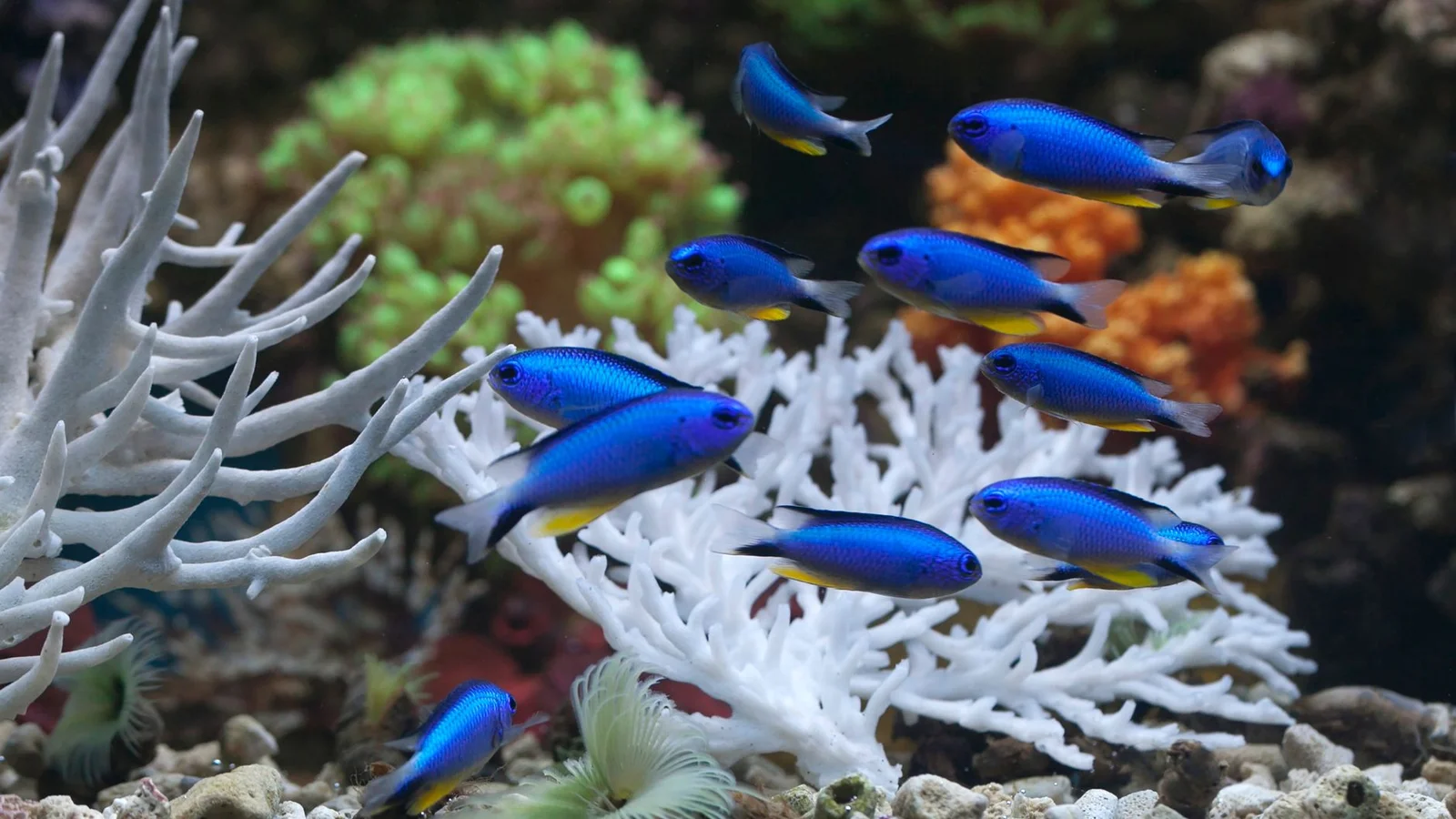
The Ideal Sequence
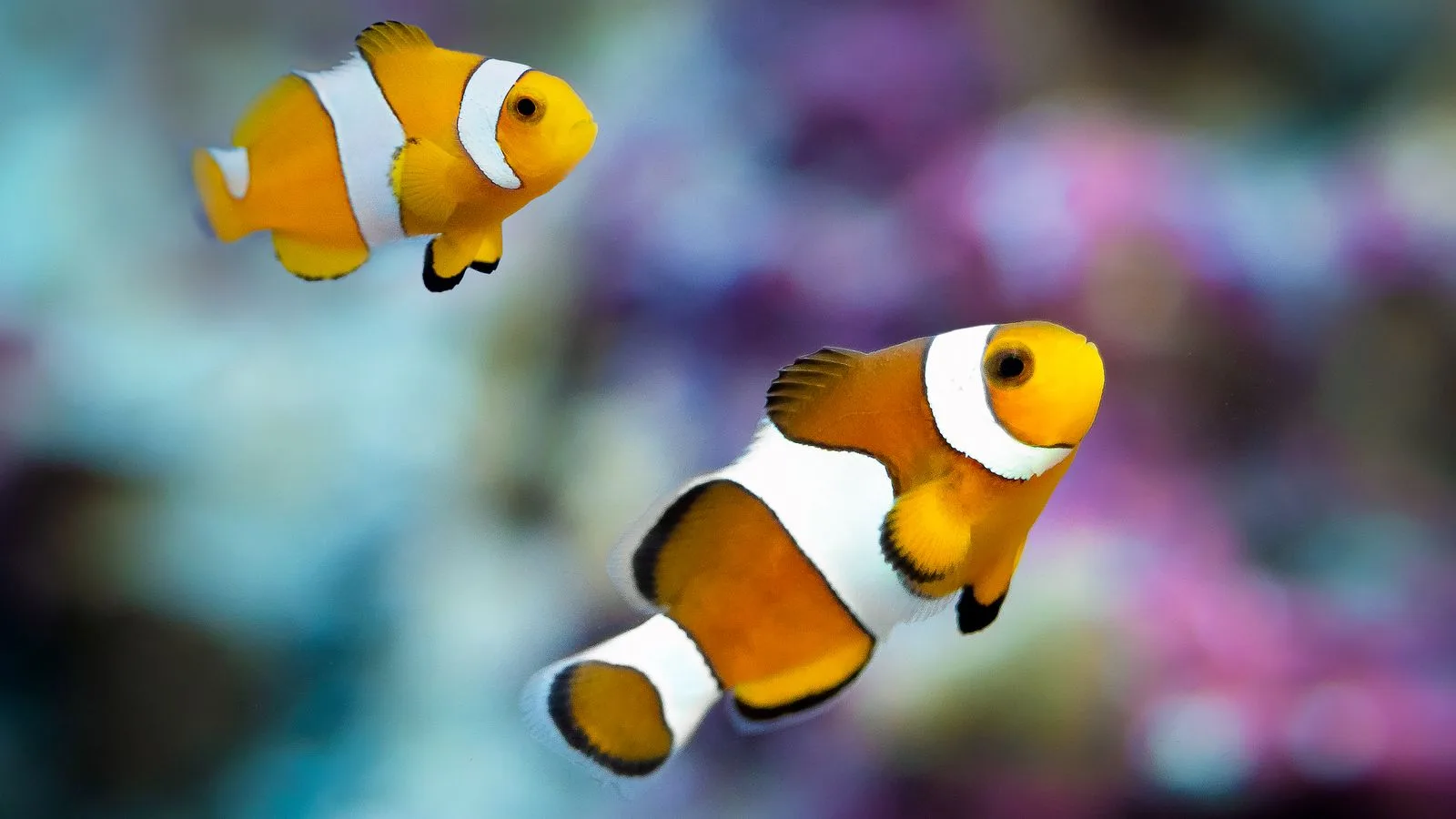
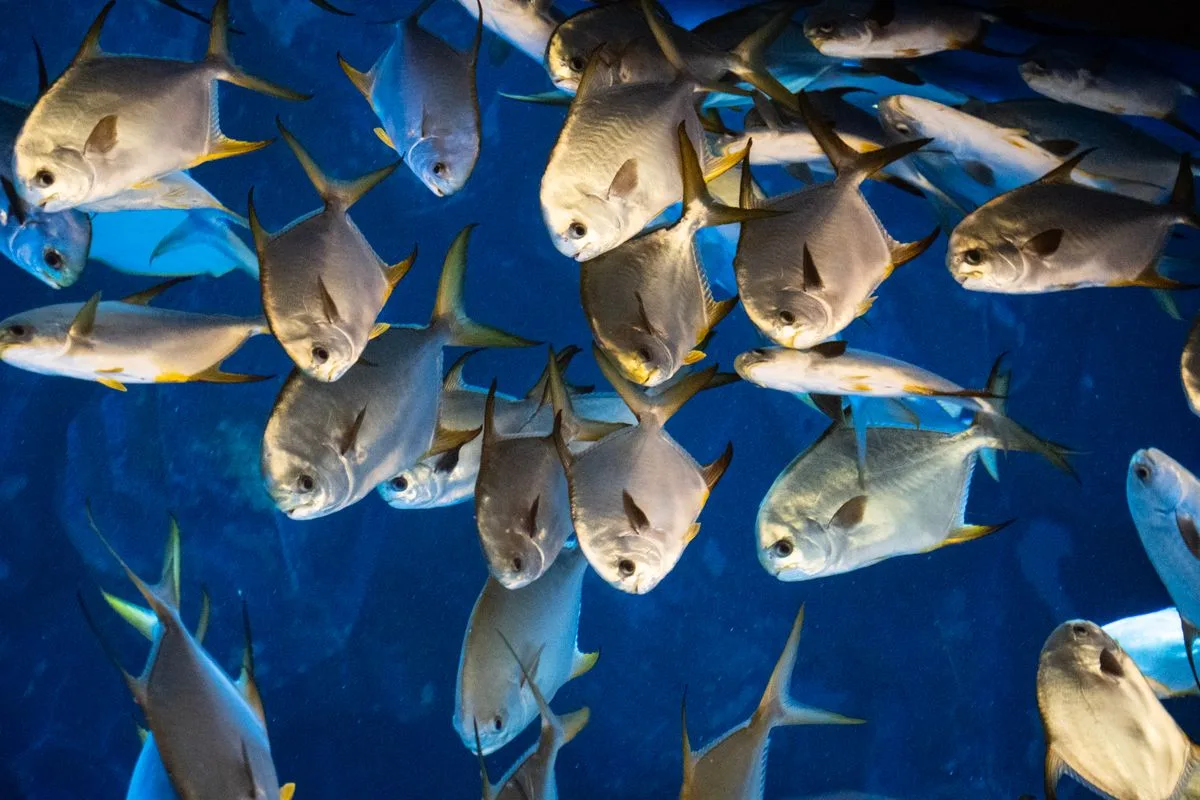
The general rule is to stock from most peaceful to most aggressive. Begin with the shy, gentle fish, small gobies, firefish, and similarly retiring species, that would be bullied if added later. Next add moderately peaceful community fish such as clownfish. Save the more assertive or territorial species, certain wrasses, dottybacks, or tangs, for the final additions, once the calmer fish are well established. The chart below illustrates a sample order. This sequence is not rigid, but the principle holds across nearly every stocking plan: the meek go first and the bold go last, so no single fish gets to dominate from the start.
Pacing the Additions
Order is only half the picture; pacing is the other. Each new fish adds to the bioload, the waste your biological filtration must process, so adding several at once can spike ammonia in a young tank whose bacteria have not scaled up. Space introductions out by a week or more, both to let the filter catch up and to let existing fish adjust to each newcomer gradually. This patience also gives you time to observe and quarantine each fish properly. Resist the urge to fully stock a new tank quickly; a slow, paced approach protects water quality and social peace alike.
Managing Aggression as You Go
Even with good order and pacing, some friction can arise, and a few techniques help. Rearranging the rockwork just before adding a new fish resets everyone’s sense of territory, so the existing residents are too busy re-establishing boundaries to gang up on the newcomer. Adding a potentially aggressive fish last, and ideally when the lights are off, eases its entry. Make sure the tank has enough hiding spots and sight breaks so subordinate fish can escape view. If a fish proves relentlessly aggressive despite these measures, be prepared to remove it. Thoughtful management keeps the community you carefully sequenced peaceful over the long term.
Acclimating That First Fish the Right Way
Choosing the right first fish is only half the job; how you introduce it determines whether it settles in or struggles, and a careful acclimation sets the tone. A fish arriving from a store has been riding in a sealed bag where temperature and water chemistry can drift, so the goal is to ease it from that bag water into your tank conditions gradually rather than dumping it straight in. A sudden change in temperature, salinity, or pH is a real shock to a fish.
Temperature comes first. Floating the sealed bag in the tank for fifteen to twenty minutes lets the bag water equalize to your tank’s temperature, removing the most immediate source of stress. From there, many reefers drip-acclimate, slowly introducing tank water into a container holding the fish over half an hour or so, which gently bridges any differences in salinity and chemistry between the store’s water and yours.
Quarantine is the gold-standard next step, especially for the very first fish that will establish your display. Holding a new fish in a separate observation tank for a couple of weeks lets you watch for disease, confirm it is eating, and treat any problems in isolation before it ever touches your main system. For a brand-new reef with no other fish to risk, quarantine still pays off by ensuring the fish you build around is healthy from the start.
Keep stress low during the transition. Dimming the lights when the fish goes in, keeping the room quiet, and avoiding the urge to chase it with a net all help a newcomer find a hiding spot and calm down. A fish that can retreat into the rockwork and acclimate on its own terms settles far faster than one that is harassed or spotlighted on its first day in unfamiliar surroundings.
Watch that first fish eat before you consider it established. A fish that is taking food, holding its color, and beginning to explore its territory has acclimated successfully and signals that your tank is supporting life well. One that hides persistently and refuses food needs closer attention. Confirming with your own eyes that the first resident is thriving is the green light to begin pacing in the rest of your stocking plan.
Sequence for a Peaceful Tank
A peaceful reef community is built as much by stocking order as by fish selection. Add the shy, gentle fish first, work up to the bolder species, and save the most territorial for last, pacing each addition to protect water quality and let residents adjust. Use rock rearrangement and timing to smooth introductions. Plan your stocking sequence with care and you avoid the entrenched aggression that turns a promising community into a constant battleground.
Related reading
- Adding Fish Without Aggression: Stocking Strategy
- Budgeting a Reef Tank: True Cost of the First Year
- Best Beginner Saltwater Fish for a New Reef Tank
- Beginner Corals: The Best First Corals for a New Reef Tank