Common New-Tank Mistakes That Crash a Reef Cycle
The early weeks of a new reef tank are the most fragile, and a handful of common mistakes account for the majority of crashed cycles and dead first fish. The frustrating part is that nearly all of them are avoidable once you know what they are. New reefers tend to make the same errors, rushing the cycle, overstocking, overfeeding, and reacting in panic, often out of understandable enthusiasm. Recognizing these pitfalls in advance lets you sidestep them and give your tank the steady start it needs. This guide covers the new-tank mistakes that crash a reef cycle and the simple habits that keep yours on track.
- Rushing the cycle is the number one new-tank killer.
- Overstocking and overfeeding overwhelm young biological filtration.
- Patience and restraint protect a fragile new tank.
Rushing the Cycle
The most common and most fatal mistake is adding livestock before the tank has fully cycled. Eager to see life in the tank, new reefers add fish while ammonia and nitrite are still present, and the animals are poisoned by the very toxins the cycle exists to eliminate. Bottled bacteria and live rock speed the process but do not let you skip it, and a calendar is not proof of completion. The fix is simple discipline: provide an ammonia source, wait, test, and only add livestock once ammonia and nitrite both read zero. No single habit prevents more early losses than respecting the cycle and confirming it with a test kit.
Overstocking Too Fast
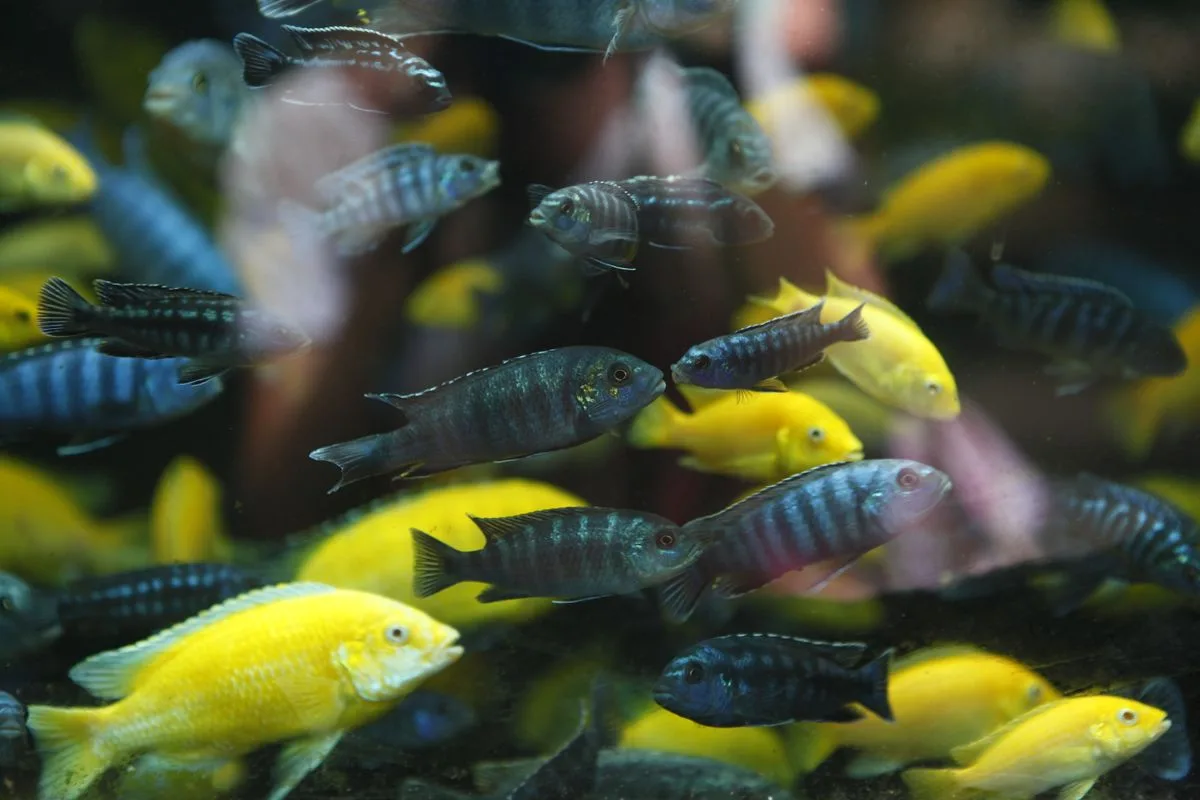
Even after the cycle finishes, adding too many animals too quickly overwhelms a young tank. A freshly cycled tank has only enough bacteria to handle the bioload that completed the cycle; pile on several fish at once and you exceed what the colony can process, triggering a new ammonia spike that endangers everything. The biological filter must grow to match each increase in waste, and that takes time. Stock slowly, adding one animal at a time with days or weeks between, starting with a small cleanup crew and a single hardy fish. Patient, paced stocking lets the bacteria keep up and prevents the mini-cycles that catch impatient reefers.
Overfeeding and Poor Water
Overfeeding is a quiet but powerful way to destabilize a new tank. Excess food decomposes into ammonia and the nutrients that fuel the algae blooms of the ugly stage, and in a young tank with limited biological capacity, that surplus hits hard. New reefers also often skip the basics that keep water clean, using tap water instead of RO/DI, neglecting early water changes, or running equipment poorly. The remedy is restraint and consistency: feed small amounts fish finish quickly, use purified water, and keep up modest regular water changes. Keeping nutrient input low and water quality high gives the young tank room to find its balance.
Panicking and Overreacting
Perhaps the most damaging tendency in a new reefer is reacting to every wobble with drastic action. A cloudy tank, a diatom bloom, or a slightly off reading prompts large water changes, chemical additions, and constant tinkering, each of which introduces instability that prolongs the very problems they aim to fix. Most early-tank events, blooms, the ugly stage, minor swings, are normal and self-resolving with patience. The discipline to observe, maintain a steady routine, and resist the urge to intervene dramatically is what carries a tank through its fragile youth. In the early weeks, calm consistency beats frantic correction nearly every time.
Buying Without a Plan or Research
Beyond the technical missteps that crash a cycle, one behavioral mistake quietly underlies many new-tank failures: buying livestock and equipment without a plan or any prior research. The excitement of a new tank makes the livestock aisle hard to resist, and impulse purchases lead to incompatible animals, overstocking, and creatures whose needs the tank cannot meet. A fish or coral bought on a whim, with no thought to its requirements, often becomes a problem within weeks.
Compatibility is the casualty most often. Without research, a beginner may pair aggressive fish with peaceful ones, add a species that outgrows the tank, or introduce an animal that preys on the corals or inverts already present. The result is constant conflict, stress, and loss that no amount of good water chemistry can fix, because the problem was baked in at the point of purchase rather than caused by husbandry.
A stocking plan made in advance prevents most of this. Deciding ahead of time which fish, corals, and inverts you want, confirming they are compatible, and sequencing their introduction gives the tank a coherent direction. It also caps the bioload at something the system can support, since a plan forces you to count adult sizes and total waste load rather than adding one tempting animal after another until the tank is overwhelmed.
Skipping quarantine compounds impulse buying. An unplanned purchase made on the spot rarely goes through quarantine, which is precisely how disease enters a display and how a single careless addition can sicken an entire tank. Pairing a stocking plan with the discipline to quarantine new arrivals closes the most common doors through which impulse-driven problems walk in.
The remedy is simple in principle and demands only patience: research before you buy, plan your stocking before you shop, and treat each addition as a deliberate decision rather than a spur-of-the-moment thrill. Reefers who approach stocking this way build harmonious, appropriately populated tanks, while those who buy on impulse spend their first year undoing avoidable mistakes. A little homework before purchasing is among the cheapest insurance in the entire hobby.
Avoid the Avoidable
Most crashed cycles and lost first fish come from a short list of avoidable mistakes: rushing the cycle, overstocking, overfeeding, and overreacting. Each one stems from understandable enthusiasm, and each is prevented by the same medicine, patience and restraint. Cycle fully and confirm it, stock slowly, feed lightly with pure water, and stay calm through the normal bumps of a young tank. Sidestep these pitfalls and your new reef gets the steady, unhurried start that sets it up to thrive.
Related reading
- Reef Tank Lighting Explained: PAR, Spectrum, and Photoperiod for Coral Growth
- Aquascaping a Reef Tank: Stability, Flow, and Coral Real Estate
- Budgeting a Reef Tank: True Cost of the First Year
- Saving a Crashing Reef Tank: Emergency Steps