The Nitrogen Cycle Explained for Saltwater Aquariums
The nitrogen cycle is the invisible engine that makes a saltwater aquarium safe to live in. Without it, fish waste and uneaten food would quickly poison everything in the tank. With it, a colony of beneficial bacteria continuously converts deadly ammonia into progressively less harmful compounds. Understanding this cycle is the single most useful piece of knowledge a new reefer can have, because nearly every early disaster, from dead fish to mysterious crashes, traces back to a cycle that was rushed or misunderstood. Here is how it actually works, and why patience during it pays off for the life of the tank.
- Ammonia to nitrite to nitrate — each step needs its own bacteria.
- A tank is only safe once ammonia and nitrite both read zero.
- Live rock and bottled bacteria speed the cycle but never skip it.
Where the Toxins Come From
Every animal in your tank produces waste, and every scrap of uneaten food eventually breaks down. The first product of that decomposition is ammonia, which is extremely toxic to fish and invertebrates even at low concentrations. In a freshly set up tank with no established bacteria, ammonia has nowhere to go, so it accumulates and burns gills, damages tissue, and kills livestock. The nitrogen cycle is nature’s solution: specialized bacteria colonize your rock and sand and consume that ammonia as food. Your job during cycling is simply to grow those bacteria before you ask them to support living animals.
The Three-Step Conversion
The cycle happens in stages, each handled by a different group of bacteria. First, one group converts ammonia into nitrite, which is still toxic but a step removed. Then a second group converts nitrite into nitrate, which is far safer and only becomes a problem at high concentrations. This is why a cycling tank shows ammonia rising first, then falling as nitrite rises, then nitrite falling as nitrate climbs. You cannot rush the handoff between these groups; each colony has to grow large enough to process the load the previous step feeds it. The chart below shows the typical sequence and timing.
Removing the Final Product
Nitrate, the end product, does not simply vanish. In a reef tank it is removed in several ways: regular water changes dilute it, macroalgae in a refugium consume it, and deep sand beds or specialized media can host bacteria that convert it into nitrogen gas that bubbles away. A small amount of nitrate is actually beneficial, feeding corals and supporting color. The goal is not zero but a low, stable level. If nitrate climbs steadily over weeks, it is a signal that you are feeding more than your export methods can keep up with, and it is time to adjust.
Why You Cannot Skip It
Newcomers often ask whether bottled bacteria or live rock lets them add fish immediately. These tools genuinely speed the process by seeding bacteria, but they accelerate the cycle rather than eliminate it. The biology still has to establish, and the only proof it has is a test kit reading zero ammonia and zero nitrite after you add an ammonia source. Adding fish to an uncycled tank, even with a bottle of bacteria poured in, is the classic beginner mistake that leads to a string of losses. Test, confirm, and only then stock.
Where the Bacteria Live and How to Protect Them
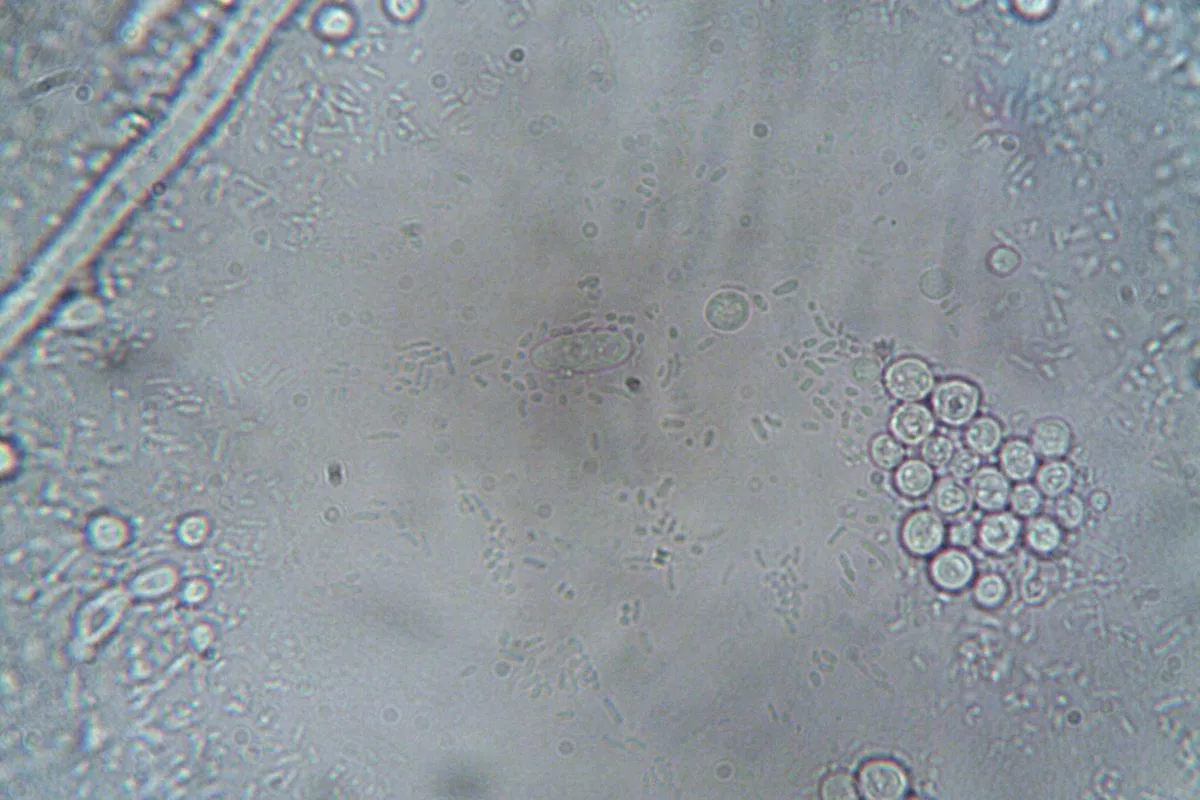
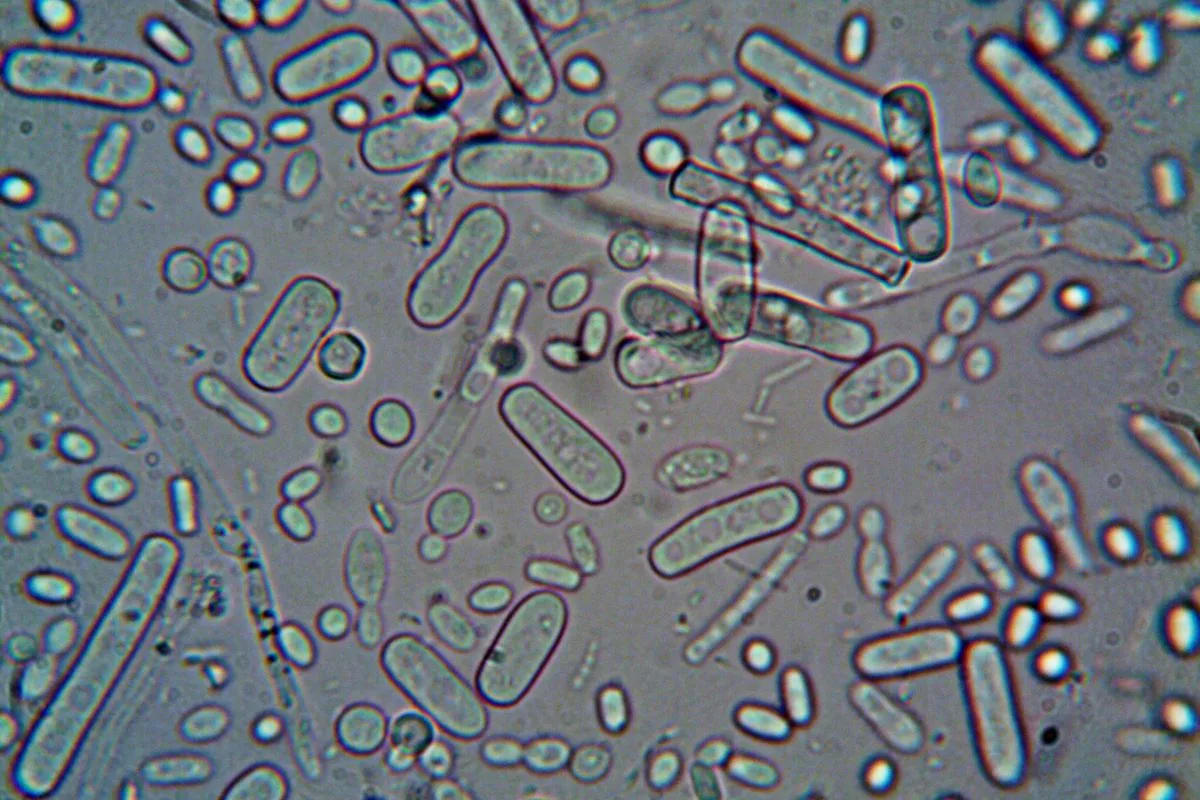
The nitrogen cycle is powered by microscopic bacteria, and those bacteria are not floating freely in the water column. They colonize surfaces, forming thin biofilms across live rock, sand grains, filter media, and the walls of your plumbing. This is why porous live rock and a sand bed matter so much: their enormous internal surface area gives the beneficial colonies room to grow. The more textured surface area your system offers, the larger and more resilient the bacterial workforce that keeps ammonia and nitrite in check.
Because the colony lives on surfaces, anything that scrubs or sterilizes those surfaces can set you back. Rinsing biological media in tap water, replacing all your rock at once, or running a heavy dose of medication in the display can knock down the population and trigger a small re-cycle. When you do need to clean mechanical filtration, rinse it in old tank water rather than fresh, and stagger any media swaps so you never strip the system of its biology in one move.
The bacteria also respond to their environment. They work best in warm, well-oxygenated, moving water within the normal reef temperature range, and they need a steady trickle of ammonia to stay fed. A tank that sits without livestock or food for a long stretch can see its colony shrink simply from lack of fuel. Keeping flow strong, temperature stable, and a light bioload present all help the unseen filtration crew stay robust, which is ultimately what lets a reef hold steady through feeding, growth, and the occasional mishap.
It is worth remembering that the cycle never truly ends; it simply settles into a balance. As your bioload grows with more fish and more feeding, the bacterial population scales up to match, which is exactly why new livestock should be added gradually. Dump too much waste into the system at once and you can briefly outpace the colony’s capacity, producing a small ammonia spike until the bacteria catch up. Adding life slowly lets the unseen filtration crew expand in step with the demand placed on it.
A mature biological filter is also surprisingly resilient once established. After months of stable operation, the colony can absorb the occasional missed water change or heavier feeding without a visible ammonia spike, because the population has grown large enough to buffer normal variation. That hard-won stability is the reward for cycling patiently and stocking gradually in the first place.
Patience Now, Stability Forever
The nitrogen cycle is not a hurdle to clear and forget; it is the living filtration that keeps your reef safe every day afterward. Spend the few weeks it takes to establish it properly, confirm completion with a test kit rather than a calendar, and you will have built the biological foundation that every healthy tank stands on. Everything else in the hobby gets easier once this engine is running smoothly.
Related reading
- How to Cycle a New Saltwater Tank: A Beginner’s Timeline
- Common New-Tank Mistakes That Crash a Reef Cycle
- Feeding Saltwater Fish: Frozen, Pellets, and Schedules
- Signs Your Saltwater Tank Has Finished Cycling