Nitrate and Phosphate: Reading Nutrients in a Reef Tank
For a long time the goal in reefkeeping was to drive nitrate and phosphate as close to zero as possible. Modern reefkeeping has flipped that thinking: we now know corals need some of both to thrive, and that bottomed-out nutrients cause as many problems as excess ones. Nitrate and phosphate are not poisons to eliminate but nutrients to balance, kept in a moderate range that feeds corals without fueling nuisance algae. Understanding what these nutrients do, what the right targets are, and how to nudge them up or down is central to growing colorful, healthy coral.
- Corals need some nitrate and phosphate, not zero.
- Aim for nitrate around 2 to 10 ppm and phosphate 0.03 to 0.10 ppm.
- Both too-low and too-high nutrients cause problems.
Why Nutrients Are Not the Enemy
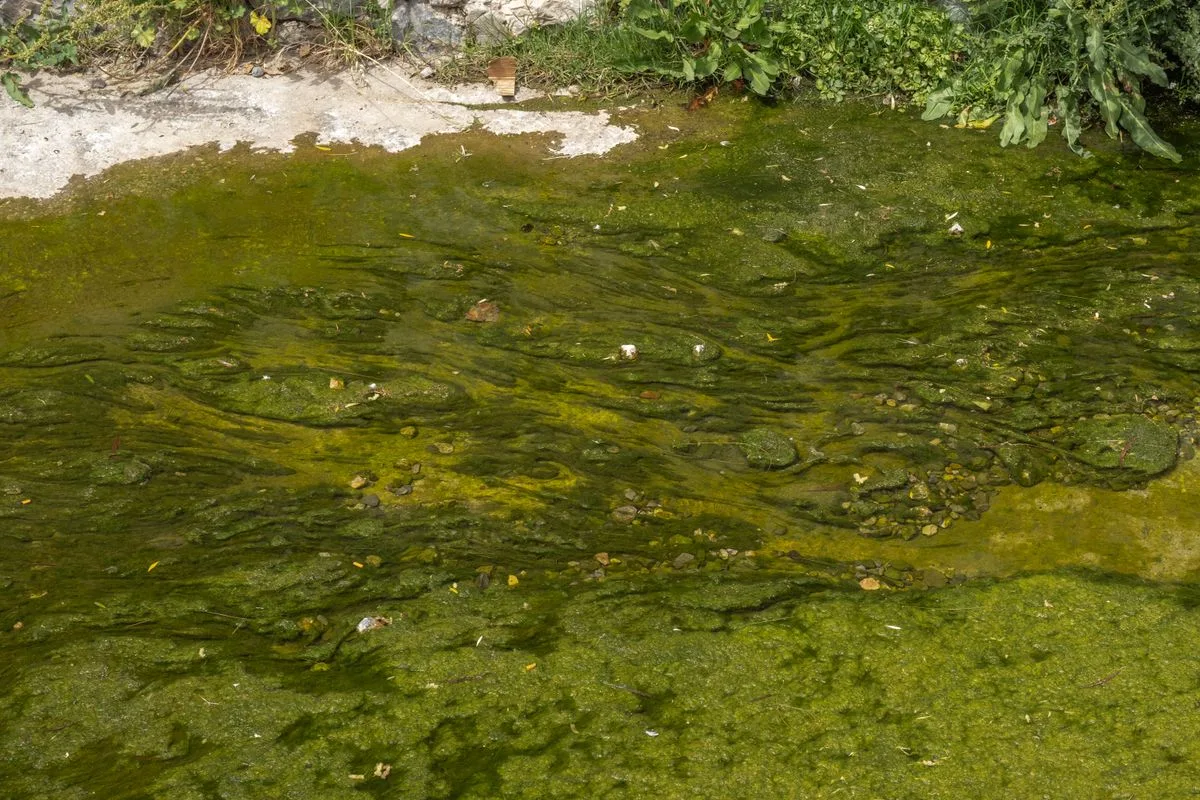
Nitrate and phosphate are the end products of the nitrogen cycle and the breakdown of food and waste, and corals genuinely use them. The symbiotic algae living inside corals need these nutrients to photosynthesize and grow, and a moderate level supports rich coloration and healthy tissue. The old zero-nutrient philosophy often backfired, producing pale, starved corals and, paradoxically, outbreaks of nuisances like dinoflagellates that thrive in nutrient-poor water. The modern view treats nitrate and phosphate as resources to manage within a target range rather than enemies to annihilate. The chart below shows the ranges to aim for and what falls outside them.

Reading Your Levels
The targets most reefers aim for are roughly 2 to 10 ppm nitrate and 0.03 to 0.10 ppm phosphate, kept in rough proportion to each other. Test both regularly with quality kits, since phosphate in particular requires a sensitive kit to read the low but meaningful concentrations that matter. What you are looking for is a stable, detectable level rather than zero. If either reads undetectable, your corals may be nutrient-starved; if either climbs well above the range, you are heading toward algae problems. Tracking the trend over time matters more than any single reading, since it reveals whether your import and export are balanced.
Raising Nutrients That Are Too Low
It surprises newcomers that you sometimes need to raise nutrients, but bottomed-out nitrate and phosphate are a real and common problem, especially in well-skimmed SPS tanks. The simplest fix is to feed more: feed your fish generously, since their waste supplies nutrients, and consider feeding the corals directly. If skimming or media is stripping nutrients too aggressively, dial it back. In stubborn cases, reefers dose nitrate and phosphate directly to bring levels into range. Signs that you need to raise nutrients include pale corals, poor growth, and certain nuisance films that exploit nutrient-poor water. The goal is always to restore a detectable, stable level.

Lowering Nutrients That Are Too High
More often, beginners battle nutrients that are too high, which fuels hair algae and cyano. The fix attacks both import and export. Reduce import by feeding more carefully and not overstocking. Increase export through consistent water changes, a well-tuned protein skimmer, phosphate-removing media like GFO used in moderation, and a refugium of macroalgae that consumes nutrients as it grows. Make changes gradually, since crashing nutrients too fast causes its own problems. The aim is not to drive the numbers to zero but to bring them back down into the target range and hold them there steadily, balanced against what you feed.
Keeping Nitrate and Phosphate in Balance
Nitrate and phosphate are usually discussed separately, but they function as a pair, and the relationship between them matters as much as either number alone. Both are nutrients that corals and beneficial organisms use, and trouble tends to arise when one is plentiful while the other is bottomed out. The goal is not to drive both to zero but to keep both detectable and roughly in proportion, so the tank’s biology has a balanced supply to work with.
Driving phosphate to undetectable levels while nitrate remains is a classic way to invite problems. A tank stripped of phosphate but flush with nitrate can favor unpleasant organisms such as dinoflagellates, which exploit the imbalance and can be miserable to clear. This is why experienced reefers aim for a small, stable amount of both nutrients rather than the sterile, nutrient-free water that beginners sometimes assume is ideal.
Because they move somewhat independently, you have to test both to understand your tank. Nitrate trends up from fish waste and feeding, while phosphate enters from food and can also leach from rock and substrate. Knowing both numbers lets you respond intelligently: if phosphate is climbing but nitrate is fine, a phosphate-specific approach makes sense, whereas a general nutrient surplus calls for broader export through water changes and feeding discipline.
Adjustments work best when they are gentle and aimed at balance. If both nutrients are high, modest increases in water changes and export bring them down together. If one has bottomed out, easing off whatever is consuming it, or feeding a touch more, restores the supply. Sudden, aggressive efforts to crash either nutrient tend to backfire, throwing the pair further out of proportion and stressing the corals that depend on a steady trickle of both.
In short, treat nitrate and phosphate as partners to be kept in a comfortable, balanced range rather than enemies to be eliminated. A reef with both nutrients present, stable, and proportionate gives corals the food they need and denies nuisance organisms the imbalance they exploit. Watching the two together, and nudging them gently when they drift apart, is far more productive than chasing either one to zero.
Ultimately, learning to read nutrients as a balanced pair rather than two numbers to minimize is one of the marks of a maturing reefer. Corals fed by a small, steady supply of both nitrate and phosphate color up and grow, while nuisance organisms lose the imbalance they would otherwise exploit. Aim for stable, modest, proportionate levels, and let that balance do the quiet work of keeping your reef healthy.
Balance, Not Zero
Nitrate and phosphate are nutrients to balance, not enemies to eliminate. Aim for a moderate, stable level that feeds your corals without feeding algae, test both regularly, and adjust import and export to hold them in range. Raise them when corals look starved and lower them when algae threatens. Manage nutrients with this balanced mindset and your corals reward you with the growth and color that the old zero-nutrient approach so often denied.
Related reading
- Reef Tank Lighting Explained: PAR, Spectrum, and Photoperiod for Coral Growth
- Aquascaping a Reef Tank: Stability, Flow, and Coral Real Estate
- Common New-Tank Mistakes That Crash a Reef Cycle
- Budgeting a Reef Tank: True Cost of the First Year