Temperature Control for Reef Tanks: Ranges, Chillers, and Safety
Temperature is one of the most fundamental conditions in a reef tank, governing the metabolism of every animal and the oxygen the water can hold. Reef life evolved in remarkably stable tropical water, so it thrives on a steady temperature and is stressed by swings, whether a gradual seasonal drift or a sudden spike. Keeping temperature in the right range and, above all, stable, requires the right heating, sometimes cooling, and safeguards against failure. This guide covers ideal reef temperature ranges, when you need a chiller or fans, and how to keep temperature safe and steady year-round.
- Aim for a steady temperature around 76 to 80 degrees Fahrenheit.
- Stability matters more than the exact number within range.
- Plan for both heating and, where needed, cooling.
The Right Temperature Range
Most reef tanks are kept in the range of 76 to 80 degrees Fahrenheit, which suits the tropical animals the hobby keeps. Within that band, the precise number matters less than consistency; a tank held steadily at the lower or upper end will do better than one that bounces around the middle. What reef life cannot tolerate is rapid change or extremes, both of which stress animals and can trigger problems like disease or coral bleaching. The chart below summarizes the ranges and their effects. Pick a target within the accepted band, and then focus your effort on holding it steady around the clock and across the seasons.
Why Stability Matters Most
Temperature stability is more important than hitting a specific degree. Swings stress livestock because the animals must constantly readjust, and they affect oxygen levels, warmer water holds less oxygen, and can interact dangerously with other conditions during a problem. A tank that drifts several degrees between day and night, or that spikes on a hot afternoon, taxes its inhabitants even if the average looks fine. This is why a reliable heater with redundancy, and cooling where needed, matter so much: their job is to damp out variation and hold the line. Aim for a temperature that barely moves, and your livestock enjoy the steadiness they evolved with.
Heating and Cooling
Holding temperature steady means addressing both directions. Heating is the baseline need in most homes, handled by a properly sized, reliable heater, ideally with redundancy and a controller to guard against failure. But many tanks also need cooling, because lights, pumps, and warm rooms can push temperature above the safe range, especially in summer. For modest heat, cooling fans that evaporate water off the surface often suffice and are inexpensive, though they increase evaporation, so an auto top-off helps. For larger heat loads or warm climates, a chiller actively cools the water and provides the most robust control. Plan for whichever your environment demands rather than assuming heating alone is enough.
Safeguards and Monitoring
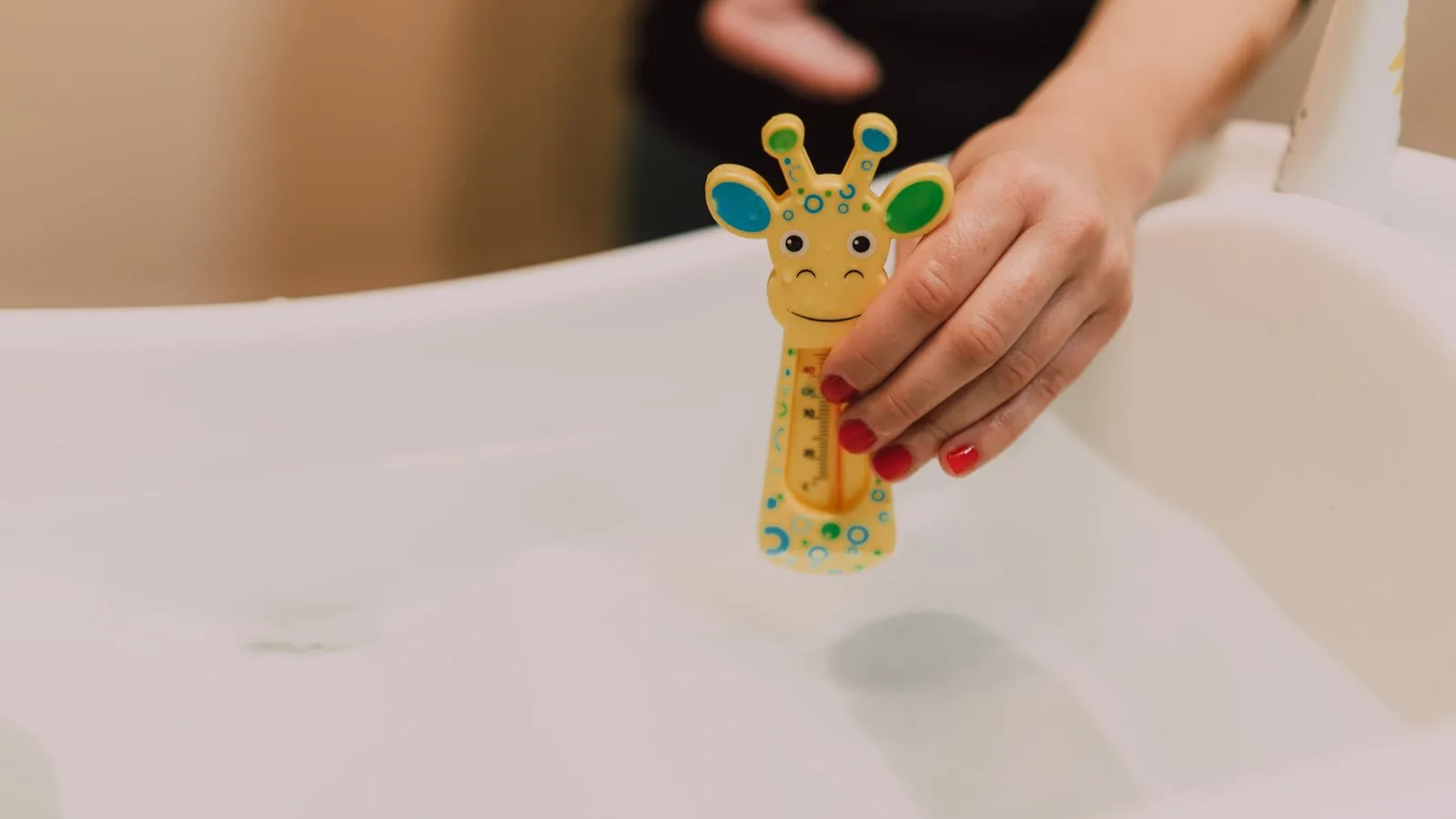
Because temperature is so critical and its control equipment can fail, safeguards are essential. Use a reliable, independent thermometer to verify the actual water temperature rather than trusting equipment settings, and check it as part of your daily routine so you catch a divergence early. A temperature controller adds protection by cutting power to a stuck-on heater and can manage heating and cooling together. Running two smaller heaters adds redundancy against a single failure. For valuable tanks, a controller with alerts warns you of trouble before it becomes a disaster. These layers of monitoring and redundancy turn temperature from a hidden risk into a parameter you can trust to stay steady.
Managing Summer Heat and Cooling a Tank
Cold is a familiar threat, but overheating during warm weather is just as dangerous and often catches reefers off guard, so knowing how to shed heat is as important as knowing how to add it. Aquarium lights, pumps, and the surrounding room all add warmth, and on a hot day a closed-up tank can climb past the safe range surprisingly fast. Because warm water holds less oxygen, an overheating tank threatens livestock through both temperature stress and falling oxygen at the same time.
Evaporative cooling is the simplest and cheapest defense. A fan blowing across the water surface accelerates evaporation, and because evaporation carries away heat, it can lower the water temperature by a useful margin. Many reefers run a small clip-on fan over an open sump or tank during warm spells, sometimes tied to a controller that switches it on when the temperature rises. The tradeoff is increased evaporation, which an auto top-off easily compensates for.
Reducing heat input helps alongside active cooling. Lifting or removing a tight lid lets heat and humidity escape, running power-hungry lights during the cooler parts of the day shifts their heat away from the hottest hours, and keeping the tank out of direct sun avoids a major heat load. On the hottest days, cooling the room itself with air conditioning is often the most effective single measure, since it lowers the baseline the tank has to fight against.
For tanks that overheat persistently, a chiller is the definitive solution. A chiller actively refrigerates the water to a set temperature, holding it steady regardless of room conditions, which is invaluable in hot climates or for tanks with heat-heavy equipment. Chillers are an investment and add to running costs, so many reefers reserve them for situations where fans and room cooling cannot keep up, but where summers are reliably hot they provide peace of mind that simpler methods cannot match.
The key, as with heating, is stability and preparation. Knowing in advance how you will cool the tank, whether through fans, room air conditioning, or a chiller, and having a way to monitor and be alerted to a rising temperature, keeps a heat wave from becoming an emergency. A reef can ride out warm weather comfortably when its keeper has planned for the heat, just as it rides out the cold with a reliable heater and a backup.
Steady and Safe Year-Round
Temperature underpins the health of every reef animal, and the goal is a steady value in the 76 to 80 degree range held consistently through day, night, and seasons. Stability matters more than the exact number, so plan for both heating and cooling as your environment requires, and back it up with an independent thermometer, a controller, and redundancy. Keep temperature steady and safe year-round, and you remove one of the most fundamental sources of stress from your reef.
Related reading
- Anemones in Reef Tanks: Are They Right for You?
- Invertebrates for Reef Tanks: Shrimp, Stars, and Urchins
- Sand Bed Options for Reef Tanks: Bare Bottom, Shallow, or Deep
- Trace Elements in Reef Tanks: Do You Need to Dose Them?
Sources & further reading
Recommended Gear
As an Amazon Associate, this site earns from qualifying purchases made through the links below.
- Shop aquarium heaters and chillers — Temperature swings stress corals faster than almost anything else