Anemones in Reef Tanks: Are They Right for You?
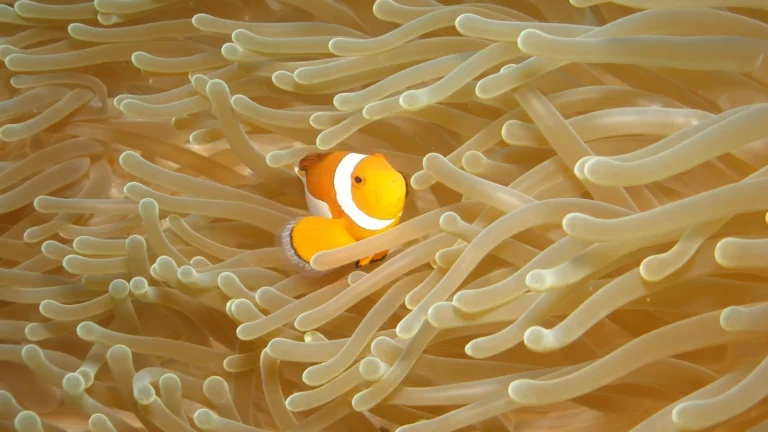
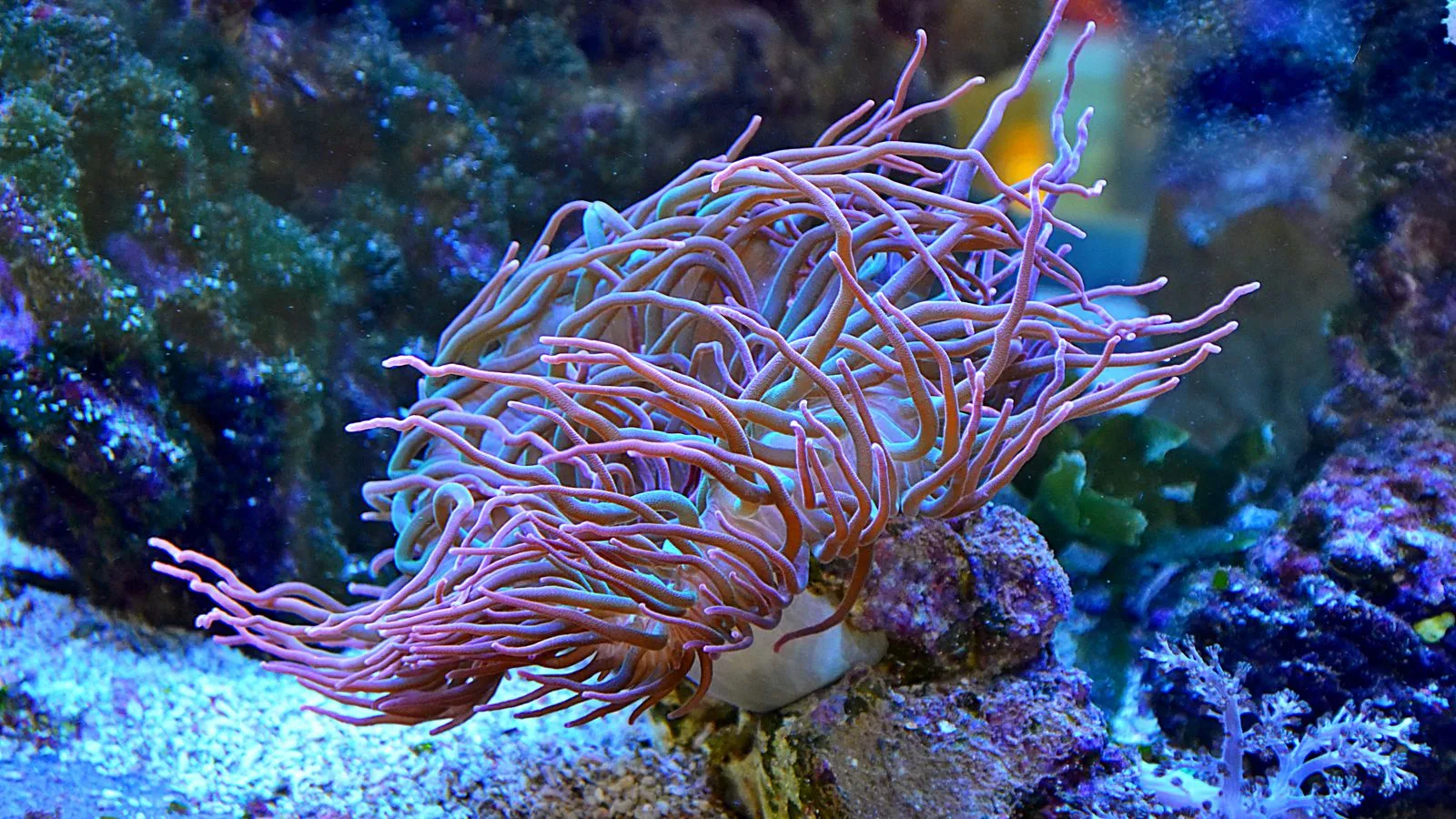
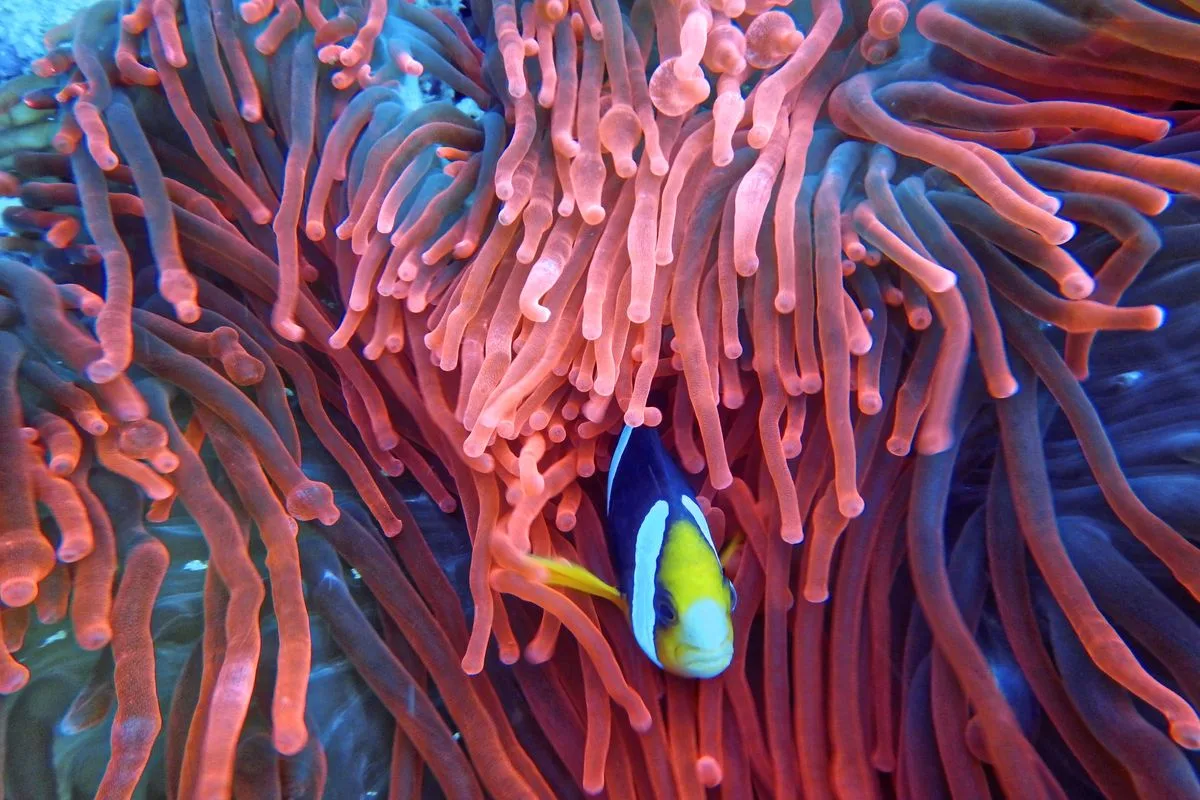
Few sights in the hobby are as captivating as a clownfish nestled in a swaying anemone, and that image draws many reefers toward keeping anemones. But anemones are not beginner animals, and the dream can turn into trouble when one is added to an unprepared tank. They demand stable, mature conditions, intense light, and pristine water, and they move on their own, sometimes into a powerhead, with consequences for the whole tank. Keeping an anemone successfully is entirely possible and rewarding, but only with realistic expectations. This guide covers what anemones require and helps you decide whether one is right for your reef.
- Anemones need a mature, stable tank with intense light.
- They move on their own and can wander into pumps.
- Clownfish do not require an anemone to be happy.
Why Anemones Are Demanding
Anemones are more challenging than they look. They require intense lighting, since they rely heavily on their symbiotic algae, and they demand pristine, stable water; they are quick to suffer in a tank whose parameters swing or whose nutrients are off. Crucially, they need a mature, established system, not a young tank still finding its balance, which is why adding one early is a common mistake. They can also be sensitive to being moved or disturbed. These combined demands, strong light, stable pristine water, and a mature tank, put anemones beyond the reach of beginners and early tanks, and explain why so many are lost by reefers who underestimated them.
The Wandering Problem
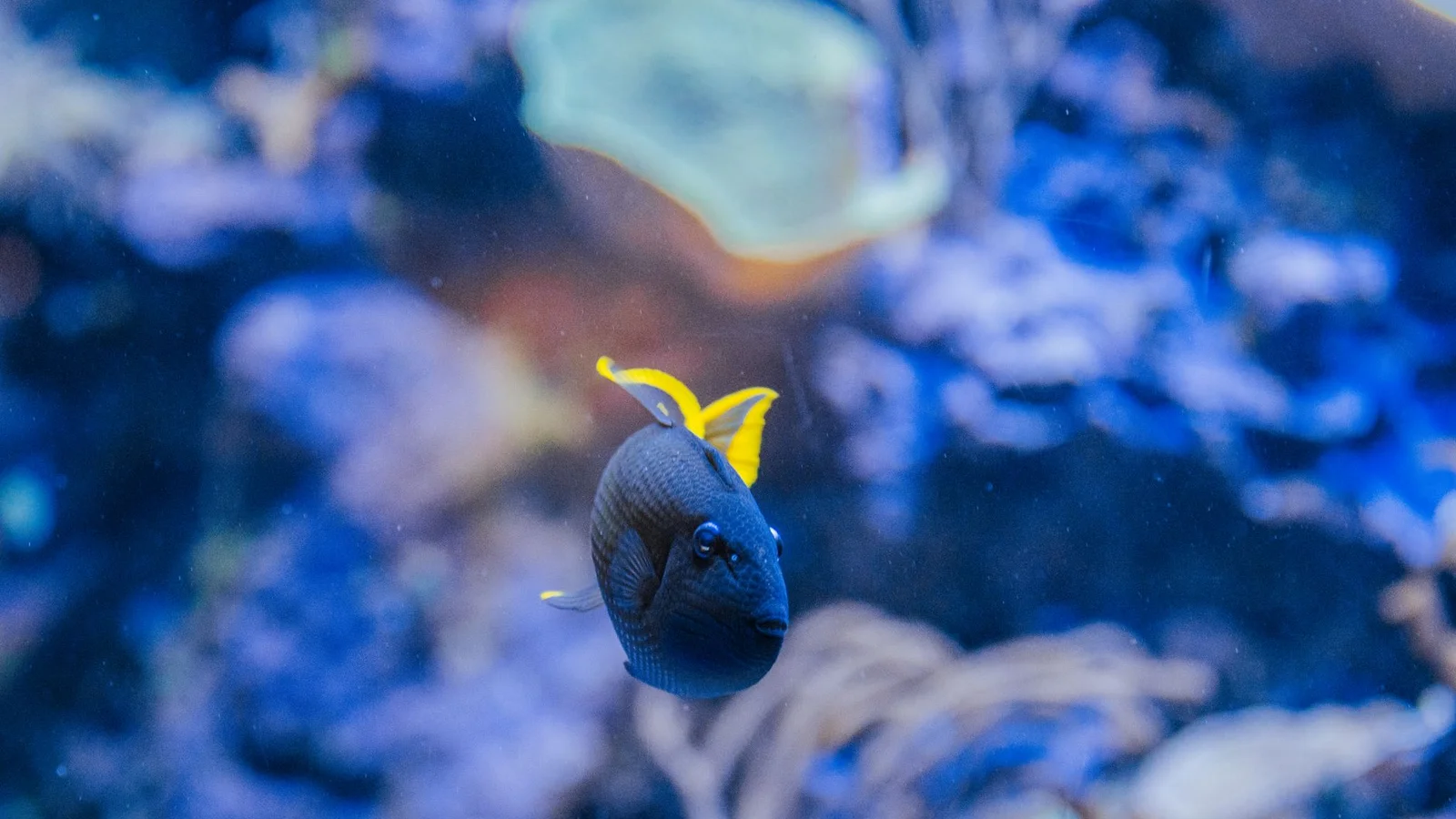
Unlike corals, anemones are mobile, and this is one of their biggest risks. An unhappy or even a content anemone may detach and wander the tank in search of a spot it prefers, and in doing so it can crawl into a powerhead or pump intake, where it is shredded, fouling the water and potentially harming the whole system, or it can sting and damage corals it touches along the way. Reducing this risk means giving the anemone good conditions so it is inclined to settle, and protecting pump intakes with guards. Even so, an anemone’s mobility is an inherent uncertainty that corals do not pose, and it must be planned for.
The Clownfish Question
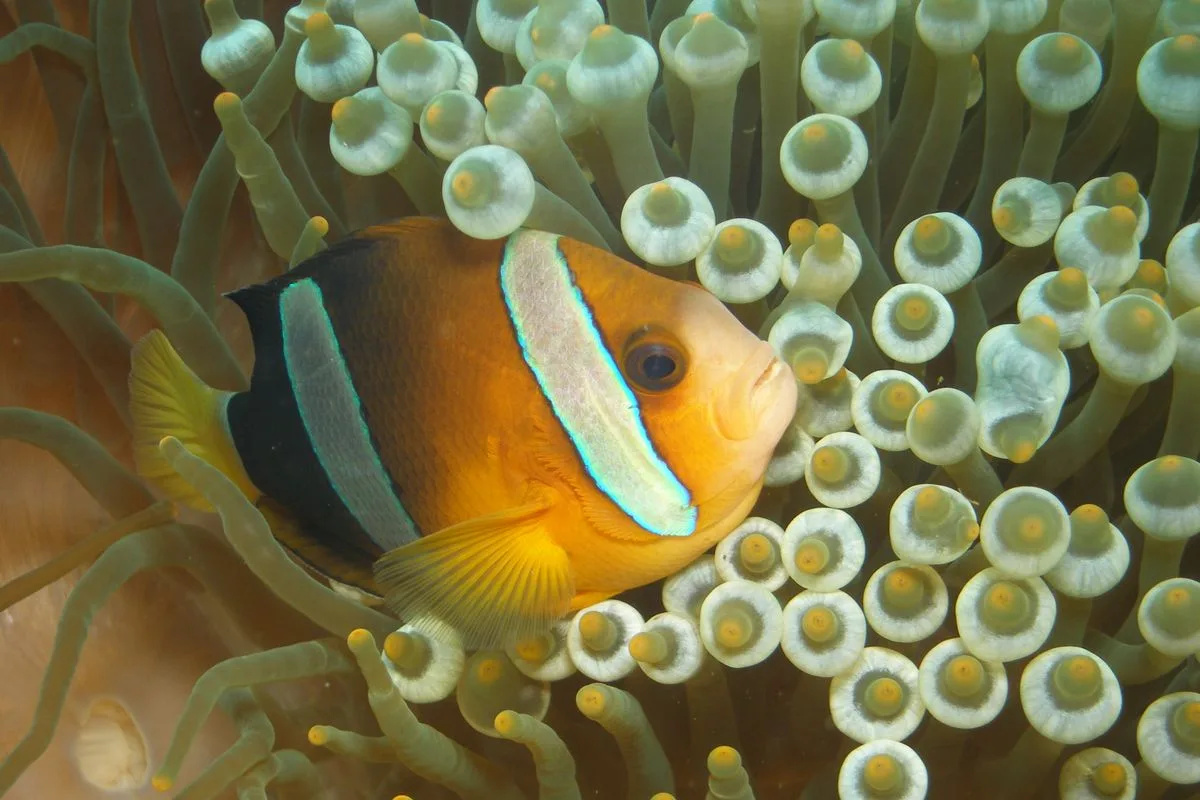
Many people pursue anemones specifically for the clownfish symbiosis, but it is important to know that clownfish do not need an anemone to thrive. Captive-bred clownfish often never encounter an anemone and live perfectly happy, healthy lives without one, frequently hosting in a coral, a powerhead, or nothing at all. Since anemones are far harder to keep than the clownfish themselves, adding one solely to host a clown is usually unnecessary and adds significant risk and difficulty. If the clownfish partnership is your only motivation, you can enjoy thriving clownfish without an anemone, and consider the anemone a separate, advanced project rather than a requirement.
Keeping One Successfully
If you decide an anemone is right for you, set yourself up to succeed. Wait until your tank is mature and demonstrably stable over many months, with strong lighting and pristine water. Research the specific species, since their needs vary, and choose a hardier type for a first anemone. Acclimate it carefully, place it where it has good light and where it might want to settle, and protect your pump intakes against wandering. Feed it appropriately, as many benefit from occasional feeding. Monitor it closely, especially at first. Approached as the deliberate, advanced undertaking it is, in a mature tank by a prepared reefer, an anemone can be a stunning, long-lived centerpiece.
Feeding an Anemone and Reading Its Health
An anemone is a living animal with an appetite, and both feeding it well and reading its body language are central to keeping one successfully. While anemones derive much of their energy from the symbiotic algae in their tissue under strong light, they also benefit from being fed meaty foods such as pieces of shrimp or fish, offered directly to the tentacles every few days to a week. A well-fed, well-lit anemone grows, holds its color, and stays put more reliably than a hungry one.
A healthy anemone has a distinctive look that is worth learning. It inflates fully, extends its tentacles, keeps its mouth closed and tidy, and grips its chosen surface firmly with its foot. Its coloration is rich and its overall posture is open and turgid rather than shrunken. An anemone displaying these signs day after day, settled in one spot and feeding willingly, is telling you its conditions are right.
The warning signs of a declining anemone are equally distinctive and demand prompt attention. An anemone that deflates and stays shrunken, gapes its mouth open for long periods, expels its insides, loses its color and turns pale or translucent, or detaches and drifts is in trouble. A foul smell or a disintegrating body indicates a dying anemone that must be removed immediately, because a single anemone breaking down can foul a tank’s water with alarming speed.
Responding quickly to these signals can save both the anemone and the tank. At the first sign of decline, checking water parameters, lighting, and flow often reveals a correctable cause, and improving conditions sometimes lets a struggling anemone recover. If an anemone is clearly dying and beginning to break apart, however, the priority shifts to getting it out before it pollutes the water, since the cleanup of a melted anemone is far harder than its prompt removal.
Reading an anemone’s health daily becomes second nature with a little practice, and it is one of the most useful habits an anemone keeper can develop. Because these animals can decline rapidly but also signal their state clearly, the attentive keeper who notices a change early has time to act. Combined with strong lighting, stable water, and regular feeding, this watchfulness is what turns a demanding anemone into a long-lived, spectacular centerpiece rather than a cautionary tale.
Beautiful, but for the Prepared
Anemones are mesmerizing but demanding, requiring a mature, stable tank, intense light, and pristine water, and they bring the unique risk of wandering into pumps or stinging corals. Remember that clownfish do not need one to be happy, so add an anemone only as a deliberate, advanced project once your tank is truly ready. Approach it with realistic expectations and proper preparation, and an anemone rewards you; rush it into an unprepared tank, and it rarely ends well.
Related reading
- Invertebrates for Reef Tanks: Shrimp, Stars, and Urchins
- Temperature Control for Reef Tanks: Ranges, Chillers, and Safety
- Sand Bed Options for Reef Tanks: Bare Bottom, Shallow, or Deep
- Trace Elements in Reef Tanks: Do You Need to Dose Them?
Sources & further reading
Gear Worth Having for This
Heads up: the links below are Amazon affiliate links, and qualifying purchases support this site at no extra cost to you.
- See current fish nets and quarantine gear options — A dedicated quarantine setup and the right net make stocking safer