The Cleanup Crew: Snails, Crabs, and Hermit Selection
A reef tank’s cleanup crew is the team of snails, crabs, and other invertebrates that quietly graze algae, scavenge leftover food, and turn over the sand while you sleep. Assembled well, it keeps your rock and glass clean and your detritus in check with almost no effort on your part. Assembled carelessly, it either starves for lack of food or includes troublemakers that prey on your other livestock. Building a balanced cleanup crew suited to your tank’s size and needs is one of the simplest, highest-value things you can do for a low-maintenance reef. Here is how to do it right.
- A varied crew tackles algae, detritus, and sand together.
- Stock to your tank size; too many starve.
- Some hermits and crabs can turn predatory, so choose carefully.
What a Cleanup Crew Does
The cleanup crew handles the tedious janitorial work of a reef. Grazing snails rasp algae off rock and glass, scavengers consume uneaten food and detritus before it decays into nutrients, and sand-sifting members keep the substrate turned over and free of buildup. By consuming waste at the source, a good crew supports your nutrient control and reduces the algae you would otherwise battle by hand. They are not a replacement for water changes and skimming, but they are a constant, distributed maintenance force working in every corner of the tank. The chart below outlines the main crew roles and the creatures that fill them.
The Core Members
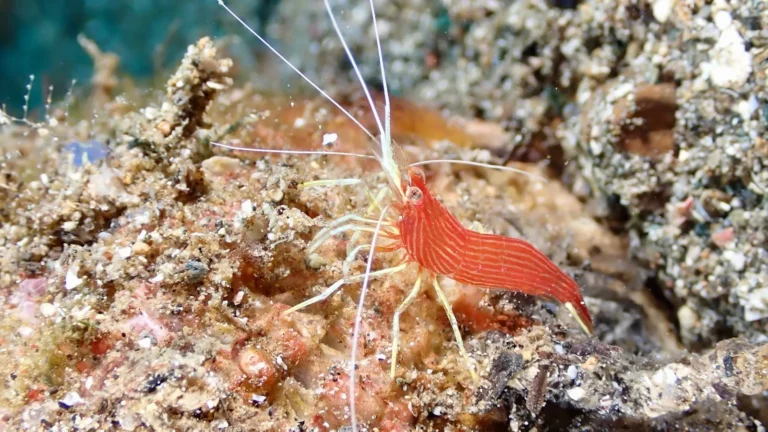
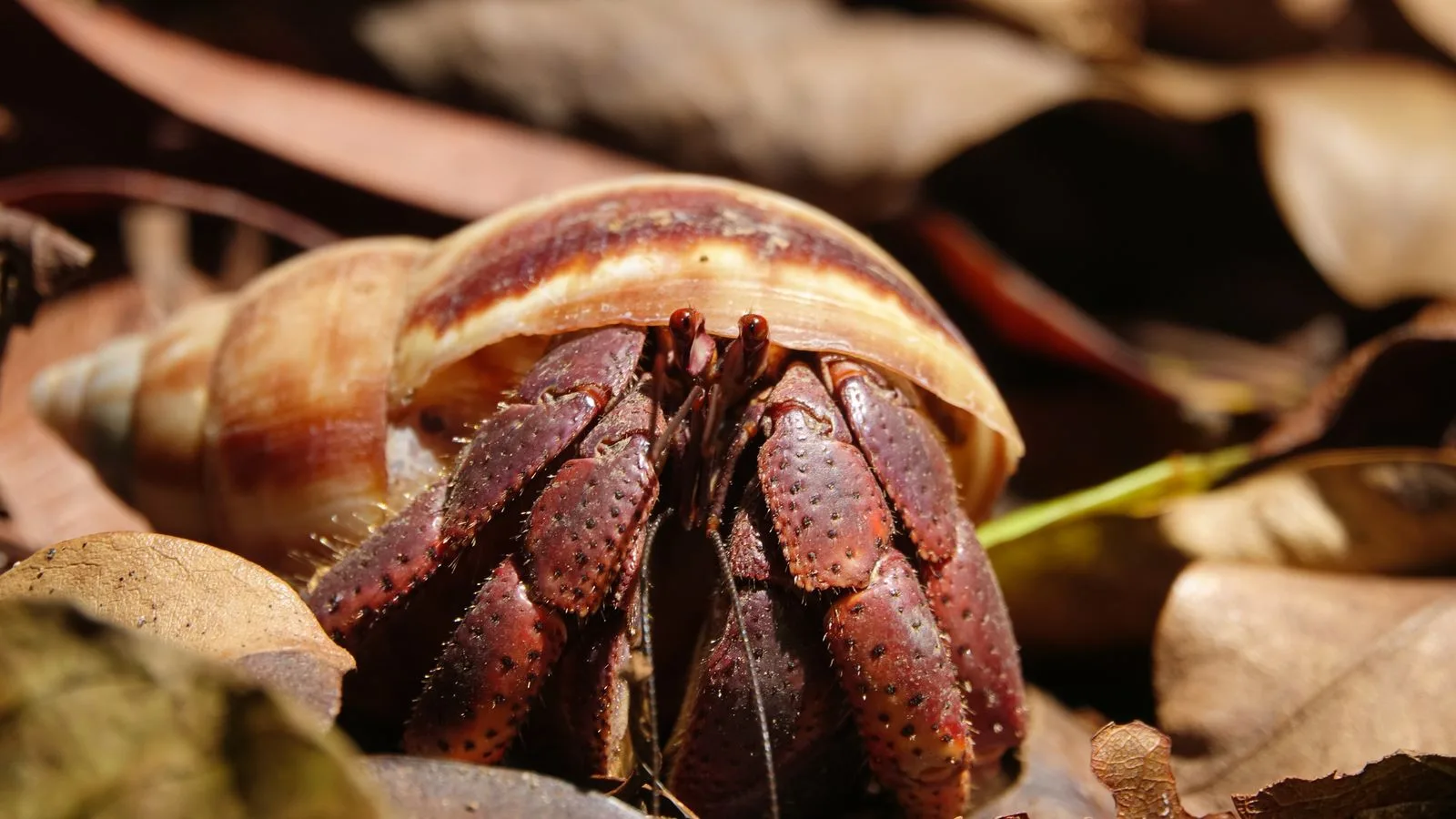
A balanced crew combines several roles. Snails are the backbone: trochus and astrea snails graze film algae on rock and glass, while nassarius snails burrow and scavenge in the sand, emerging to clean up food. Hermit crabs scavenge actively and reach tight spots, though they need empty shells available to grow into. Sand-sifting creatures and certain shrimp round out the team. Variety matters because each member targets a different job and a different part of the tank; a crew of only one type leaves gaps. Aim for a mix that covers glass, rock, and sand, scavenging and grazing alike.
Sizing the Crew
The most common mistakes are stocking too many or too few. Overstock and the crew strips the tank of algae and detritus, then starves, dying off and adding to the waste load. Understock and nuisances get ahead of them. A sensible approach is to start modest, roughly scaled to your tank size and the amount of algae present, and add more only if the existing crew cannot keep up. A young tank with lots of algae supports a larger crew than a mature, clean one. Watch how fast they clear surfaces and adjust, since the right crew size for your tank is the one that stays fed without falling behind.
Avoiding Troublemakers
Not every invertebrate sold for cleanup is harmless. Some hermit crabs will kill snails to steal their shells, especially if empty shells are scarce, and certain larger crabs that hitchhike in on rock can become predators of snails, corals, or even small fish. Choose smaller, reef-safe hermit species, always provide a supply of empty shells, and be wary of unidentified crabs that arrive on live rock. Research any crew member before adding it, and remove anything that shows predatory behavior. A little caution in selection keeps your cleanup crew a help rather than a hidden threat to the rest of your tank.
Feeding and Sustaining the Crew
A common misconception is that a cleanup crew takes care of itself indefinitely, but these animals need food like anything else, and a tank that is too clean can quietly starve them. Snails, crabs, and other grazers live on algae and detritus, so once they have mowed down an outbreak, their food supply shrinks. In a well-maintained mature reef there may not be enough natural growth to sustain a large crew, and members slowly decline from hunger rather than any disease.
Recognizing a starving crew helps you respond before losses mount. Snails that stop moving, spend long periods inactive, or fail to right themselves when they tumble may be running low on food. The simplest remedy is to offer supplemental feeding, such as a piece of dried seaweed clipped to the glass for grazers, or letting a little extra detritus accumulate before the next cleaning. Feeding the crew modestly keeps it healthy without fouling the water.
Water chemistry supports the crew in ways beginners overlook. Snails and other invertebrates build and maintain their shells from calcium, so keeping calcium and alkalinity in the normal reef range helps them stay healthy and prevents the pitting and thinning that signal mineral stress. Inverts are also sensitive to swings in salinity and to copper, so the same stable, copper-free water that benefits corals keeps the cleanup crew thriving.
Expect to replenish the crew over time. Even a well-kept cleanup crew has natural attrition as individuals age, get flipped and cannot right themselves, or are picked off by an opportunistic tankmate. Rather than restocking a huge batch at once, topping up with a few new members periodically keeps the crew sized to the tank’s current workload and avoids the boom-and-bust cycle of overstocking followed by mass starvation.
Approached this way, the cleanup crew becomes a sustainable, living part of the system rather than disposable labor. Size it to the algae and detritus actually present, feed it when the tank runs clean, support it with stable calcium and salinity, and refresh it gradually. A crew kept healthy and appropriately sized will quietly turn over waste and graze algae for years, doing exactly the unglamorous work that keeps a reef looking its best.
A Small Team With a Big Job
A well-built cleanup crew is quiet, cheap, around-the-clock maintenance for your reef. Combine grazing snails, sand scavengers, and reef-safe hermits to cover every surface, size the crew to your tank so it stays fed, and avoid the predatory species that masquerade as helpers. Get the mix right and your crew keeps rock, glass, and sand clean on its own, letting you spend less time fighting algae and more time enjoying the tank.
Related reading
- Reef Tank Lighting Explained: PAR, Spectrum, and Photoperiod for Coral Growth
- How to Feed Corals: Target Feeding, Broadcast Feeding, and Who Needs What
- Diagnosing a Sick Coral: Bleaching, STN, and RTN