Aiptasia and Majano: Removing Pest Anemones
Among the pests that plague reef tanks, few are as persistent as aiptasia and majano anemones. They arrive as tiny hitchhikers on live rock or coral frags, look almost harmless at first, and then multiply relentlessly, stinging corals and overrunning rock until they dominate the tank. The good news is that they are beatable if you act early and choose the right method for your situation. Letting them establish is the real danger, since a small problem becomes a major infestation quickly. This guide explains how to identify these pest anemones and the control methods that actually work.
- Act early; pest anemones multiply fast when ignored.
- Never cut or crush them, which spreads fragments.
- Combine biological predators with targeted removal for best results.
Identifying the Pests
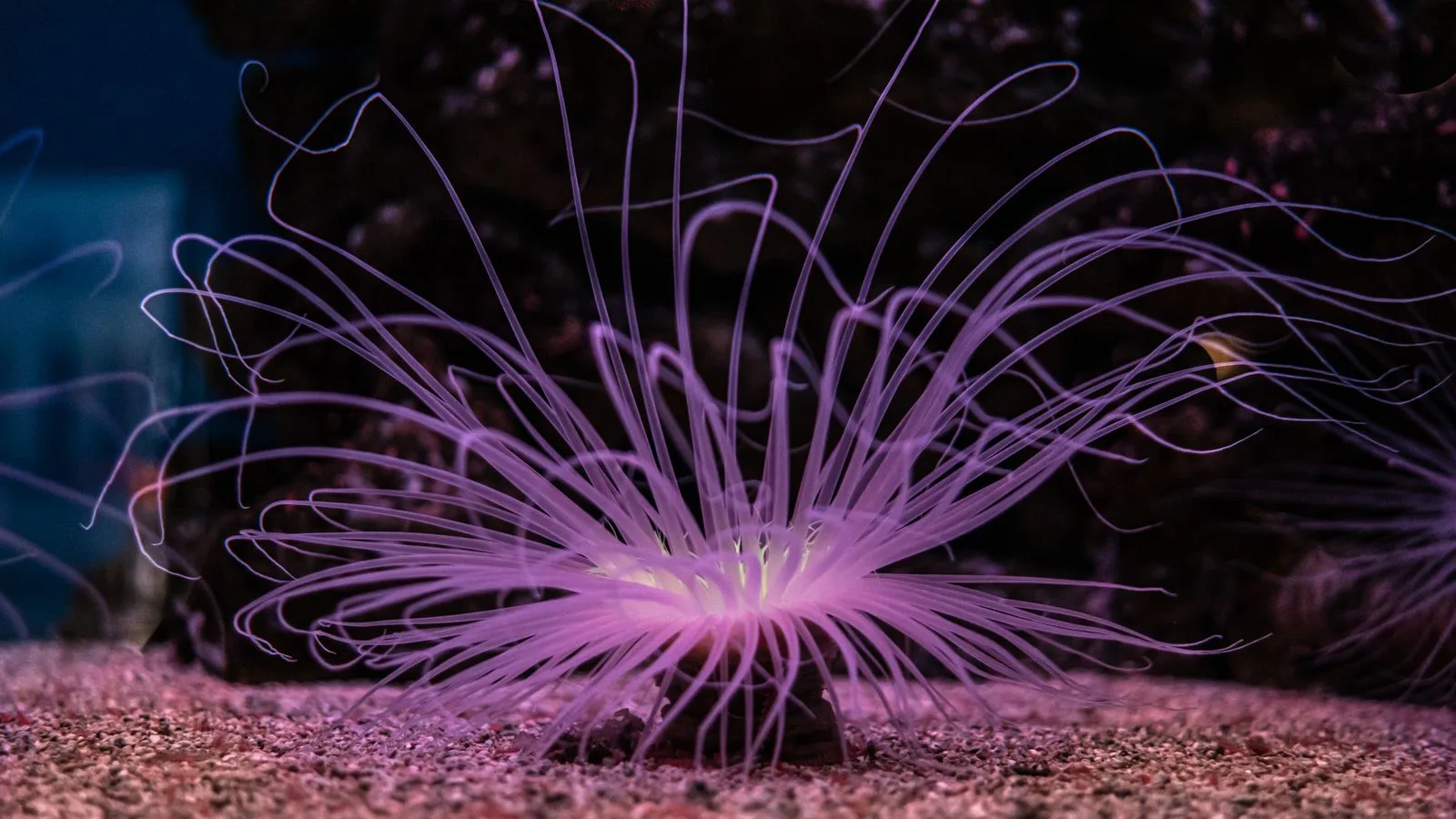
Aiptasia, often called glass anemones, are translucent brown anemones with a long stalk and a crown of slender tentacles, typically tucked into rock crevices and quick to retract when disturbed. Majano anemones are shorter and stockier, with a more bulbous body and shorter, often greenish or bubble-tipped tentacles. Both sting nearby corals and reproduce rapidly. The key identification point is that these are pest anemones, distinct from desirable anemones, and they spread on their own. Spotting one or two early, before they have multiplied across the rock, is what makes the difference between a quick fix and a long, frustrating eradication campaign.
Why They Are So Hard to Kill
Pest anemones are notoriously resilient because of how they reproduce and defend themselves. Disturbing them physically, by cutting, crushing, or scraping, often backfires spectacularly: fragments and released tissue can each grow into new anemones, turning one pest into many. They also retract deep into rock crevices at the first sign of threat, making them hard to reach. This is why brute-force removal usually multiplies the problem rather than solving it. Effective control works with their biology rather than against it, either killing them in place without disturbance or letting a natural predator do the patient work of eating them.
Biological Control
Some of the most reliable long-term control comes from natural predators. Certain species, such as peppermint shrimp, will eat aiptasia, and specialized predators like particular filefish and certain nudibranchs target them, though these come with their own caveats and may not suit every tank. Biological control is appealing because the predator hunts the anemones into the crevices you cannot reach and keeps working over time. The trade-off is unpredictability: results vary by individual animal and tank, and some predators have specific needs or risks. For a slow-burning infestation, introducing an appropriate predator alongside other methods is often the most durable solution.
Targeted Removal
For visible, accessible pests, targeted chemical removal works well when done patiently. Commercial aiptasia-control products and treatments are injected directly into the anemone’s mouth, killing it in place without the disturbance that causes spreading. Treat a few at a time, ideally with flow off so the solution stays put, and expect to repeat the process as new ones appear from the rock over the following weeks. Combining this direct removal with a biological predator covers both the anemones you can see and the ones hiding deep in the rock. Persistence is essential: stay on top of new sprouts and the infestation steadily recedes.
Keeping Pest Anemones Out in the First Place
The easiest aiptasia or majano outbreak to deal with is the one that never enters your tank, so prevention deserves as much attention as removal. These pests almost always arrive as hitchhikers on new corals, live rock, frag plugs, or even snail shells, often as tiny specimens hidden at the base of a frag where they are easy to overlook. Treating every incoming item as a potential carrier is the mindset that keeps a clean tank clean.
Careful inspection is the first line of defense. Before anything wet goes into the display, examine it closely under good light, paying special attention to the underside of frag plugs and the crevices of rock where a small pest anemone can tuck itself away. Anything suspicious can be scraped off, cut away, or rejected entirely. A few minutes with a flashlight at the point of introduction prevents months of frustration later.
Coral dipping and a quarantine period add powerful layers of protection. Dipping new corals helps dislodge many pests, and holding new arrivals in a separate observation tank for a couple of weeks lets any hidden anemones reveal themselves where they can be dealt with in isolation rather than in your main reef. Quarantining frags on their own plugs, away from your display rock, contains any surprises to a space you can easily reset.
Be cautious not to spread these pests while removing them. Aiptasia in particular can propagate from fragments, so scraping one off and letting bits drift into the tank can seed several new ones. When you remove a pest anemone, do it deliberately, ideally with a method that destroys it in place rather than tearing it apart, and avoid passing rock, tools, or water between an infested tank and a clean one without cleaning them first.
Prevention also means sourcing carefully. Buying from sellers who quarantine and inspect their stock, and avoiding rock or corals from visibly infested systems, reduces your exposure at the source. Combine careful sourcing, close inspection, dipping, and quarantine, and you dramatically cut the odds of ever facing a serious outbreak, which is a far easier path than battling established pest anemones across a fully stocked reef.
Make prevention a permanent habit rather than a one-time effort, because every new addition is a fresh opportunity for a hitchhiker to slip in. Inspect, dip, and quarantine consistently over the life of the tank, and the occasional pest that does appear will be a manageable single intruder rather than the leading edge of an outbreak that takes over your rockwork.
Catch Them Early, Stay Persistent
Aiptasia and majano are beatable, but only if you act before they take over and resist the urge to crush them, which spreads them further. Identify them early, deploy an appropriate natural predator for the hidden ones, and treat visible pests with direct injection, repeating as new ones appear. Combine the approaches and stay persistent, and even a worrying outbreak gives way over time to clean rock and corals free of their stinging neighbors.
Related reading
- Anemones in Reef Tanks: Are They Right for You?
- Reef Tank Lighting Explained: PAR, Spectrum, and Photoperiod for Coral Growth
- How to Feed Corals: Target Feeding, Broadcast Feeding, and Who Needs What