Power Outages and Reef Tanks: How to Prepare
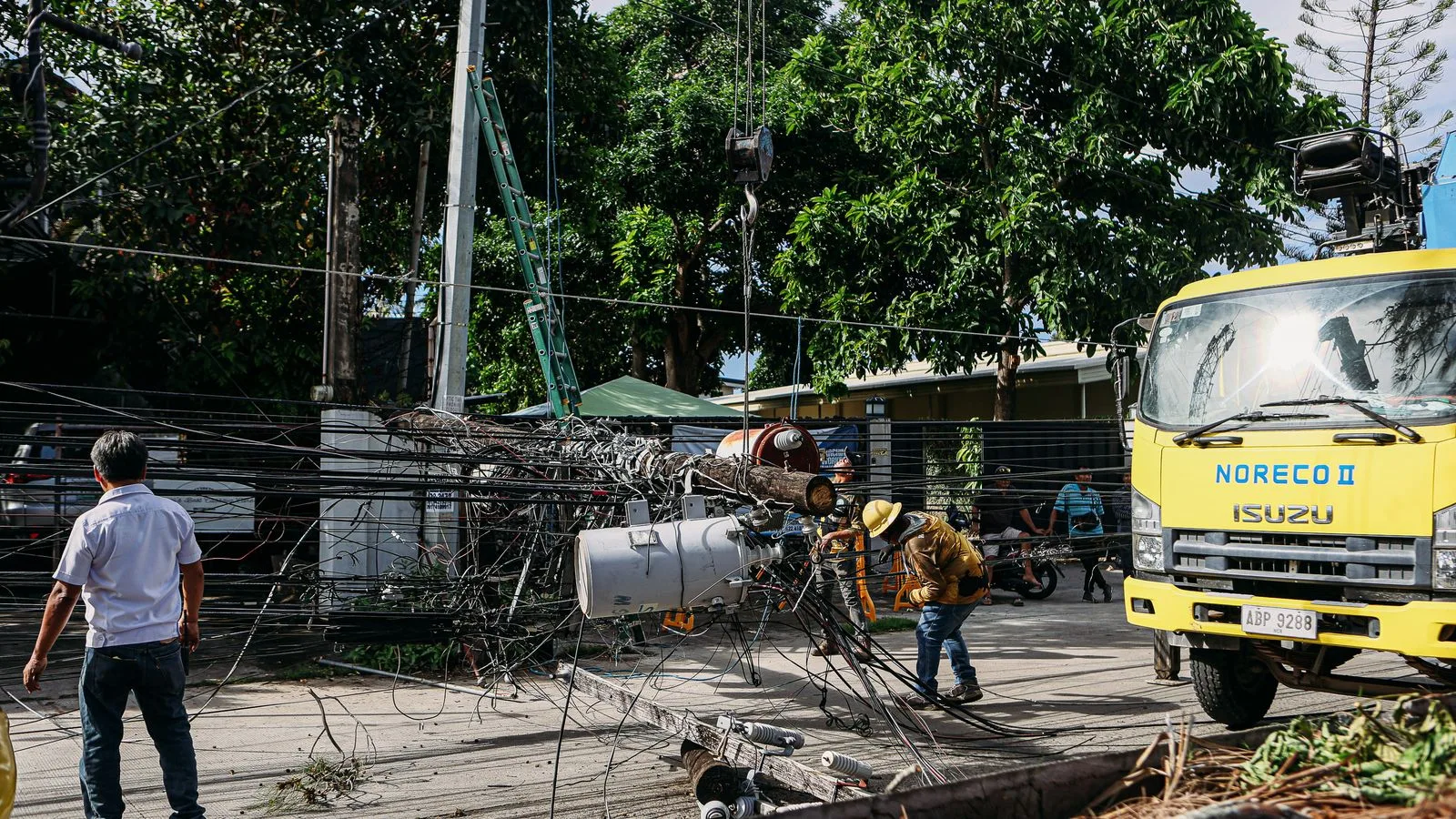
A power outage is one of the most stressful events a reefer can face, because nearly every life-support system, flow, heating, filtration, skimming, depends on electricity. The danger is real but manageable with preparation, and the reefers who weather outages calmly are the ones who planned ahead. Knowing what actually threatens your tank when the power goes out, and having a few inexpensive tools and a clear plan ready, can carry your livestock through hours or even days without power. This guide explains the real risks of a power outage and the practical preparations and actions that protect your reef when the lights go out.
- Oxygen and temperature are the first things to fail, not light.
- A battery air pump is the cheapest, highest-value backup.
- Prepare before an outage; have a plan and tools ready.
What Actually Threatens the Tank
When the power fails, it is easy to worry about the wrong things. Light is the least of your concerns; corals tolerate hours of darkness without harm. The real threats are oxygen depletion and temperature change. Without flow and surface agitation, oxygen in the water is consumed and not replenished, and the tank can suffocate its inhabitants, a risk that worsens as temperature rises. Temperature itself drifts toward the room, dropping in a cold house or, less often, climbing. Stagnant water also lets the biological filter falter over time. Understanding that oxygen and temperature, not darkness, are the priorities focuses your preparation where it counts.
Essential Backup Tools
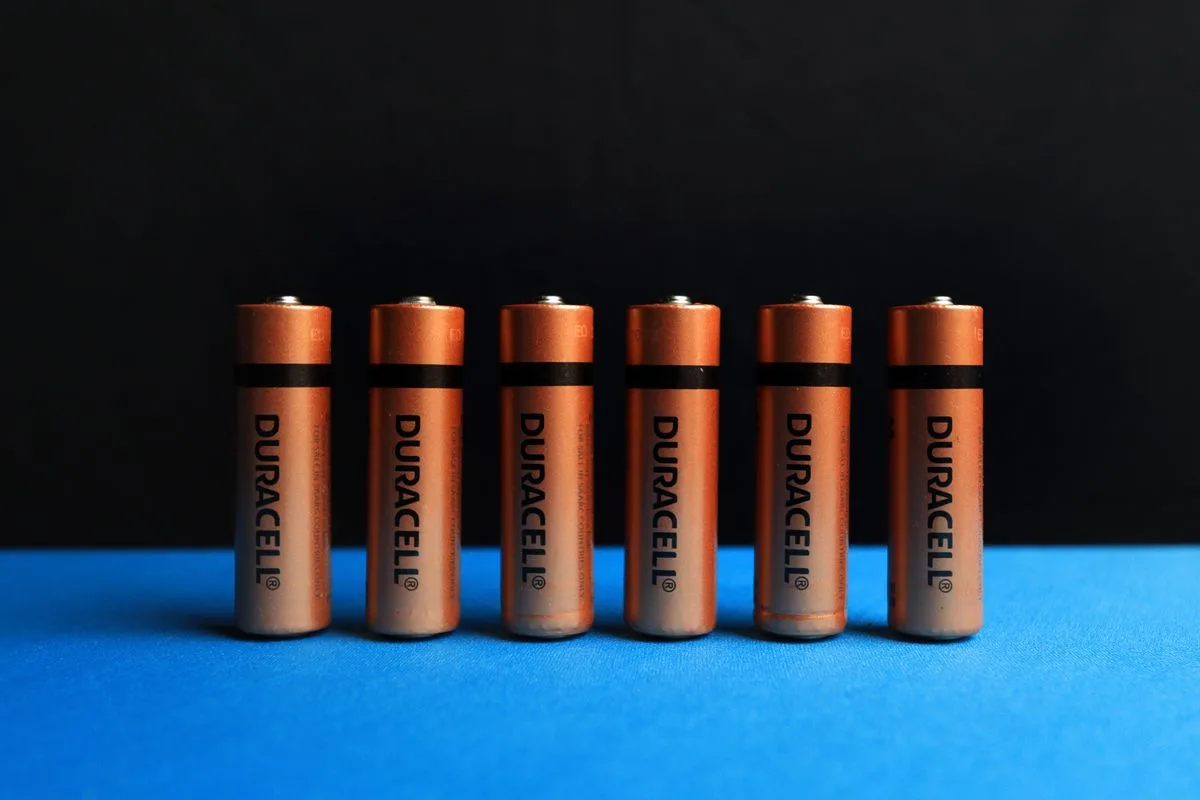
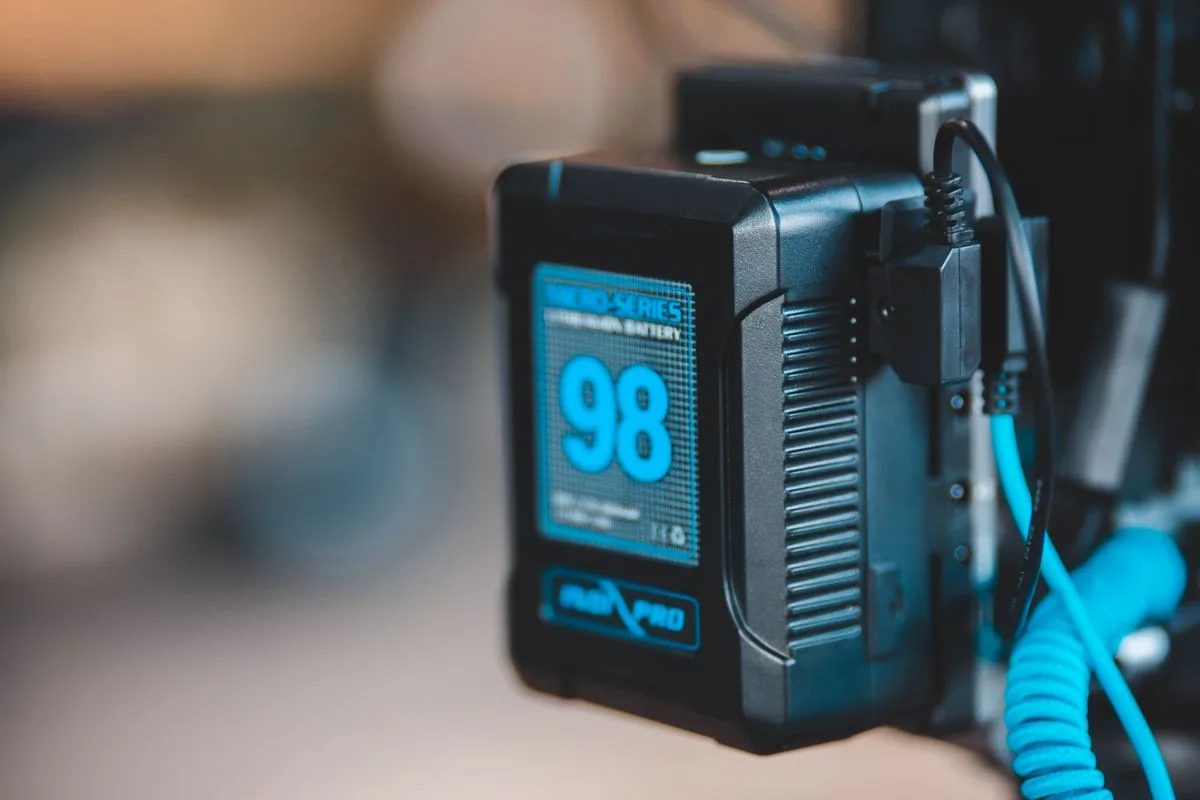
A handful of inexpensive tools dramatically improve your tank’s odds. The single highest-value item is a battery-powered air pump, which keeps oxygen exchanging at the surface and is cheap enough that every reefer should own one or two, ideally the kind that switches on automatically when power is lost. Beyond that, a battery backup or power station can run a small pump or heater for hours, and for those in outage-prone areas, a generator provides the most robust protection. The chart below ranks common backup options. Even just a battery air pump and some preparation transform a potential disaster into a manageable inconvenience.
Riding Out an Outage
When the power goes out, work the priorities in order. First, maintain oxygen by getting a battery air pump running or, if you have none, manually agitating the surface by scooping and pouring water periodically. Next, conserve heat: in a cold house, wrap the tank in blankets or towels to slow heat loss, and float sealed bottles of warm water if needed; in a hot environment, the opposite, opening the tank and using battery fans. Reduce feeding, since uneaten food fouls stagnant water and fish need less while cool. Keep the lights off. These measures stretch how long your livestock can safely wait for power to return.
Planning Ahead
The key to surviving outages is preparation before one happens. Keep battery air pumps and fresh batteries on hand and test them periodically. Have a written plan so you act calmly rather than scrambling, and know roughly how long your tank can hold before intervention. Keep some pre-mixed saltwater available in case you need a water change afterward. If you live where outages are common or long, consider a battery backup or generator sized to run essential equipment. Preparing in advance, rather than improvising in the dark, is what separates reefers who lose tanks to outages from those who shrug them off. Plan now, relax later.
Assembling a Power-Outage Kit in Advance
The worst time to figure out how to keep a reef alive without power is in the dark during an actual outage, which is exactly why a prepared kit, assembled and tested ahead of time, is so valuable. Gathering the right tools while the lights are on and stowing them in one accessible place means that when an outage hits, you can respond in minutes rather than scrambling. A little preparation transforms a potential disaster into a manageable inconvenience.
Battery-powered air pumps are the cornerstone of any reef outage kit. Oxygen depletion is the first and most serious threat when circulation stops, and a simple battery air pump bubbling away maintains gas exchange and keeps water moving enough to prevent a deadly oxygen crash. Keeping several of these, along with a generous supply of fresh batteries, ensures you can aerate the display, the sump, and any quarantine tank for an extended outage.
Heat retention tools belong in the kit alongside aeration. Since most tanks lose heat slowly, insulating the tank with blankets or towels and floating sealed containers of warm water can hold temperature for many hours, while a battery-powered or USB device can run a small powerhead in colder situations. For longer outages, knowing in advance how you will add heat, whether through warm water swaps or a generator, prevents a slow, dangerous chill.
A few supporting items round out a practical kit. A reliable battery thermometer lets you monitor temperature without power, a flashlight or headlamp frees your hands, and a manual approach such as cupping and pouring water to aerate works as a last resort. A larger USB power bank can run a small return or air pump for hours, and a portable generator, if you can budget for one, turns even a long outage into a non-event for the tank.
Just as important as owning the gear is knowing your plan and keeping the kit fresh. Writing down the priority order, oxygen first, then temperature, then everything else, and periodically checking that batteries are charged and pumps still work, keeps the kit ready when you actually need it. Reducing feeding during an outage to limit waste and oxygen demand is part of that plan too. A tested kit and a clear plan let you protect your reef calmly when the power goes out.
Prepared Tanks Survive
A power outage threatens a reef mainly through oxygen depletion and temperature change, not darkness, and both are manageable with preparation. Own a battery air pump, keep heat-conservation supplies and a plan ready, and consider a battery backup or generator if outages are common where you live. When the power fails, prioritize oxygen and temperature and stay calm. Reefers who prepare in advance carry their livestock safely through outages that would devastate an unprepared tank.
Related reading
- Anemones in Reef Tanks: Are They Right for You?
- Invertebrates for Reef Tanks: Shrimp, Stars, and Urchins
- Temperature Control for Reef Tanks: Ranges, Chillers, and Safety
- Sand Bed Options for Reef Tanks: Bare Bottom, Shallow, or Deep