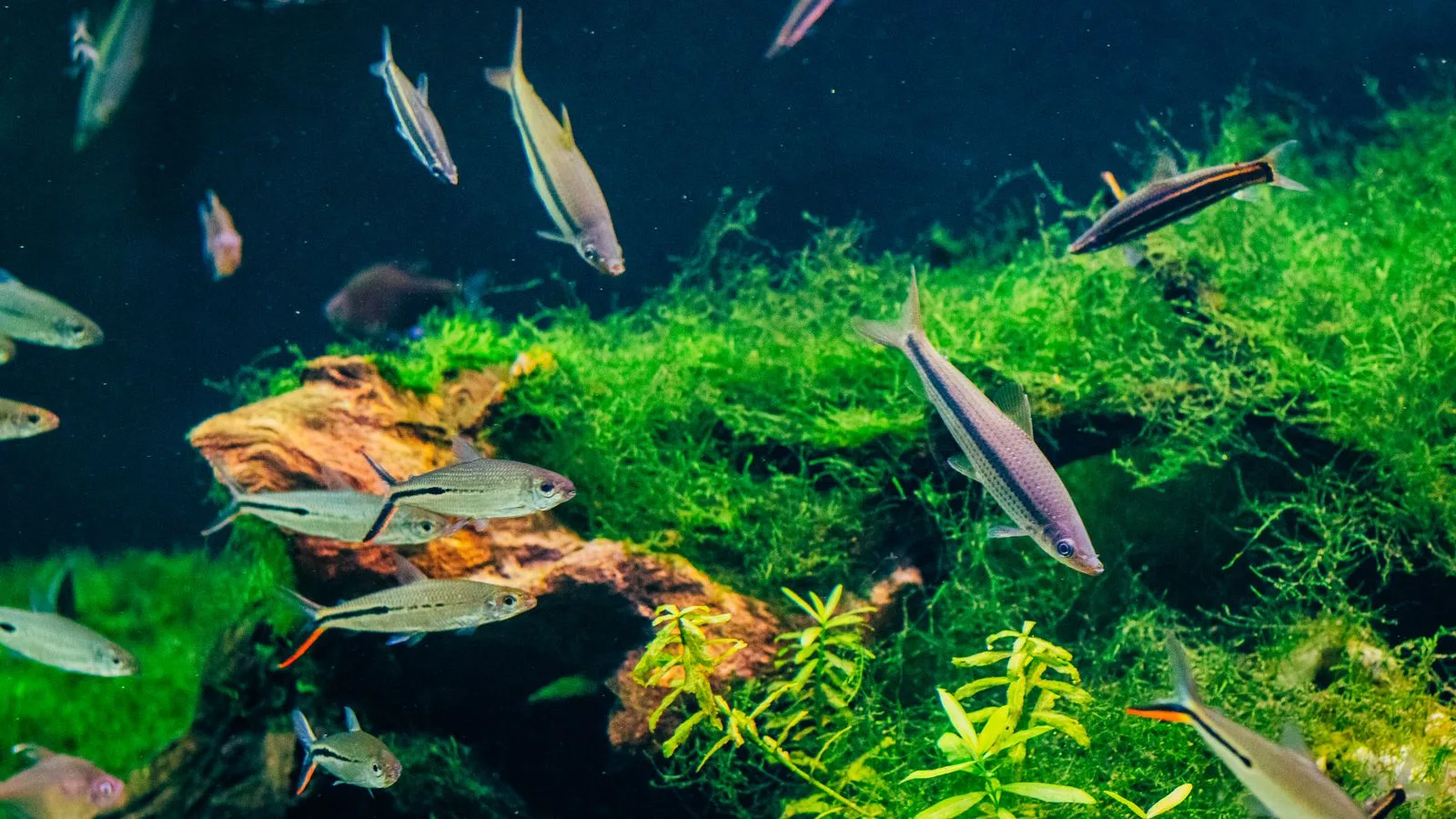
Battling Algae: Hair Algae, Bryopsis, and Cyano
Almost every reef tank fights an algae battle at some point, and the key to winning is correctly identifying what you are dealing with. Hair algae, bryopsis, and cyanobacteria look superficially similar but have different causes and different cures, and treating one as another wastes weeks. Behind nearly all of them lies the same root issue: an imbalance of nutrients and a gap in your cleanup or husbandry. This guide helps you tell the three common nuisances apart, explains what feeds each, and lays out a durable strategy that actually clears them rather than just knocking them back temporarily.
- Identify the nuisance correctly before treating it.
- Most algae outbreaks trace back to excess nutrients.
- Lasting control combines nutrient export with manual removal and cleanup crew.
Telling the Three Apart
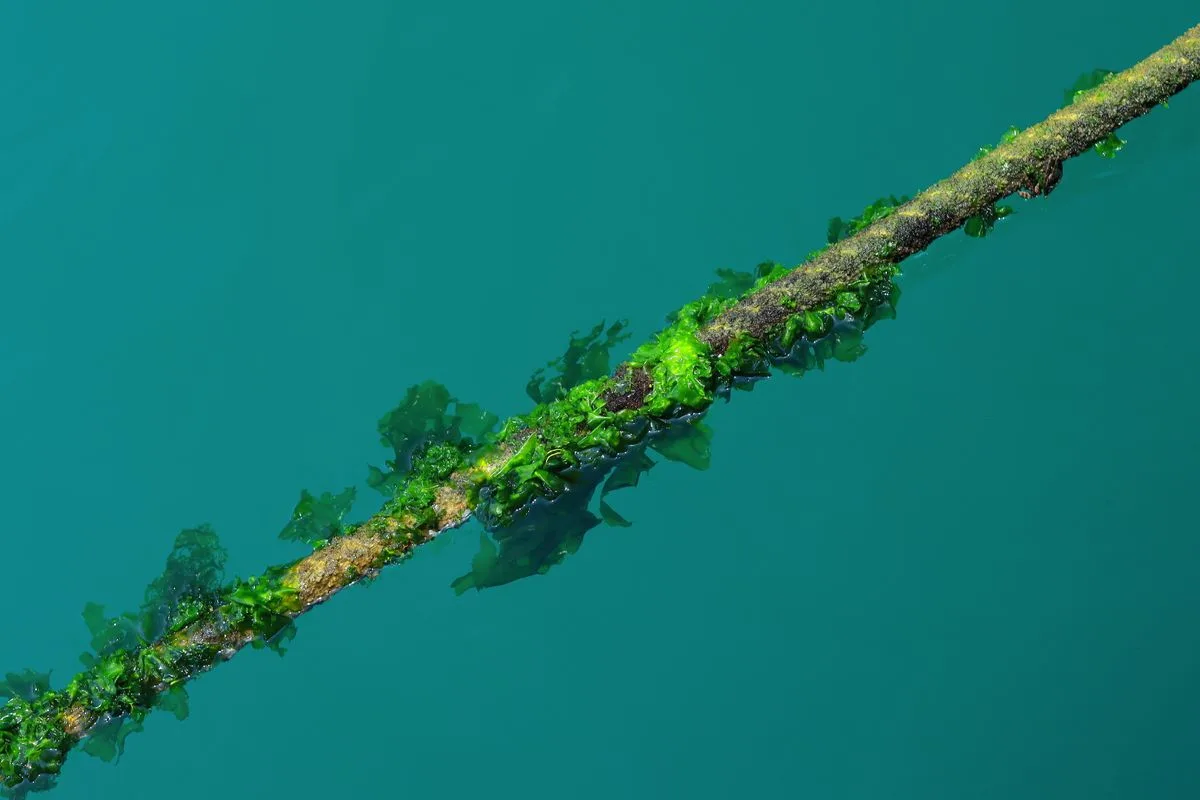
Hair algae is green, fine, and stringy, growing in soft tufts on rock and glass that lengthen over time. Bryopsis looks similar but grows in distinctive feathery, fern-like fronds and is far more stubborn, clinging tenaciously and resisting most cleanup crews. Cyanobacteria is not a true algae at all but a bacterial slime, appearing as red, maroon, or blue-green sheets that drape over surfaces and can be peeled away in films, often trapping bubbles. Correct identification matters because the cures diverge: what removes cyano does little against bryopsis. Look closely at texture and growth habit before deciding how to respond.
Why It Shows Up
Nuisance growth is almost always a symptom of available nutrients, excess nitrate and phosphate, combined with light and a gap in grazing pressure. Overfeeding, an overstocked tank, infrequent water changes, a dirty skimmer, or using impure tap water all push nutrients up and feed the bloom. New tanks are especially prone as they pass through their maturing phase. The encouraging news is that because these nuisances are symptoms, addressing the underlying nutrient imbalance starves them at the source. Chasing the visible growth without fixing what feeds it is why so many reefers feel they can never quite win the war.
A Durable Removal Strategy
Lasting control attacks on several fronts at once. Reduce nutrient input by feeding more carefully and not overstocking, and increase export through consistent water changes, a well-maintained skimmer, and media like GFO for phosphate when needed. Manually remove as much of the growth as you can, pulling hair algae and bryopsis by hand and siphoning cyano during water changes, since reducing the biomass speeds recovery. Build a balanced cleanup crew suited to the nuisance, though note bryopsis resists most grazers. Combine these and the bloom recedes for good, rather than rebounding as it does when you rely on any single tactic.

Stubborn Cases
Some nuisances need targeted help. Bryopsis often resists everything until magnesium is raised to the upper end of the safe range with a specific product, which weakens it where cleanup crews can finish the job. Persistent cyano usually retreats once flow is increased to eliminate dead spots and nutrients are brought into balance, since it thrives in stagnant, nutrient-rich pockets. Avoid the temptation to nuke the tank with chemicals as a first resort; they treat the symptom while the cause remains. Patience and consistency, applied to the root nutrient problem, beat even the most stubborn outbreaks in time.
Cutting Off the Fuel Supply
Manual removal clears the symptom, but nuisance algae always grows back unless you also starve it, and the fuel is almost always some combination of excess nutrients, too much light, and impure source water. Algae feeds on nitrate and phosphate, so a tank where those nutrients run high gives it an endless buffet. Reining them in through sensible feeding, consistent water changes, and good waste export removes the energy supply that lets an outbreak rebuild after every cleaning.
Light is the second lever. Algae is a photosynthetic organism, and a long or overly intense photoperiod fuels its growth just as it fuels coral. A tank battling algae often benefits from trimming the lighting schedule back to a moderate window and keeping intense midday levels in check, especially while the tank is young and corals are sparse. Keeping the tank out of direct sunlight matters here too, since a sunny window can undo an otherwise tight light schedule.
Source water is the lever beginners most often overlook. Tap water frequently carries phosphate, silicate, nitrate, and other compounds that feed algae the moment they enter the tank, which is why an RO/DI unit is such a powerful long-term tool. Mixing saltwater and topping off with purified water cuts off a steady supply of nutrients that no amount of scrubbing can otherwise overcome, and it often quietly resolves outbreaks that resisted every other effort.
Tie these together and the strategy becomes durable rather than temporary. Pull out what you can by hand, then deny the algae its three essentials of nutrients, excess light, and dirty water, and let a well-chosen cleanup crew graze the rest. An outbreak that returns within days of every scrubbing is a sign the fuel is still flowing; one that stays gone after cleaning tells you the underlying balance has finally tipped back in the reef’s favor.
Consistency is what finally wins the war. Algae outbreaks rarely vanish overnight, and the temptation to give up after a week of effort is exactly what lets them re-entrench. Keep removing growth by hand, keep nutrients and light in check, keep using clean water, and give the tank time. The reef that finally shrugs off algae is almost always the one whose keeper stuck with the unglamorous fundamentals long enough for them to take hold.
Win by Treating the Cause
Algae battles are won by identifying the nuisance, understanding that it feeds on excess nutrients, and attacking on multiple fronts: reduce input, increase export, remove biomass, and deploy the right cleanup crew. Treat the underlying imbalance rather than just the visible growth, and even bryopsis and cyano eventually lose their grip. Consistency is the deciding factor; stick with the strategy and your rock returns to clean, coral-friendly surfaces.
Related reading
- Diatoms, Algae, and the Ugly Stage of a New Reef Tank
- Reef Tank Lighting Explained: PAR, Spectrum, and Photoperiod for Coral Growth
- How to Feed Corals: Target Feeding, Broadcast Feeding, and Who Needs What