How to Feed Corals: Target Feeding, Broadcast Feeding, and Who Needs What
“Do I actually need to feed my corals?” It’s one of the most common questions in reefkeeping, and the honest answer — “it depends on the coral, and probably yes” — deserves a real explanation. Light does a lot of the work in a reef tank, but photosynthesis alone isn’t the whole story, and the difference between surviving corals and thriving ones often comes down to targeted feeding done right.
Light feeds corals — up to a point
Most reef corals host symbiotic algae (zooxanthellae) that convert light into sugars, covering a large share of the coral’s energy budget. But sugars aren’t a complete diet. Growth — building tissue and skeleton — demands nitrogen, phosphorus, amino acids, and fatty acids that photosynthesis can’t supply. In the ocean, corals get these by capturing plankton and organic particles. In your tank, they get them from fish waste, leftover fish food… and whatever you deliberately feed.
Who needs feeding most
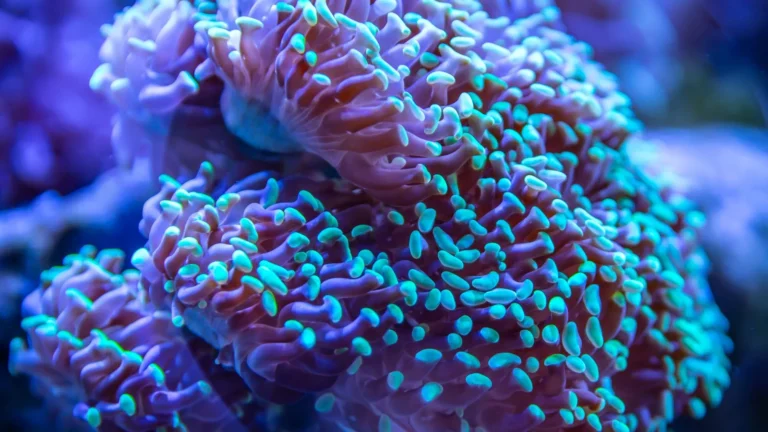
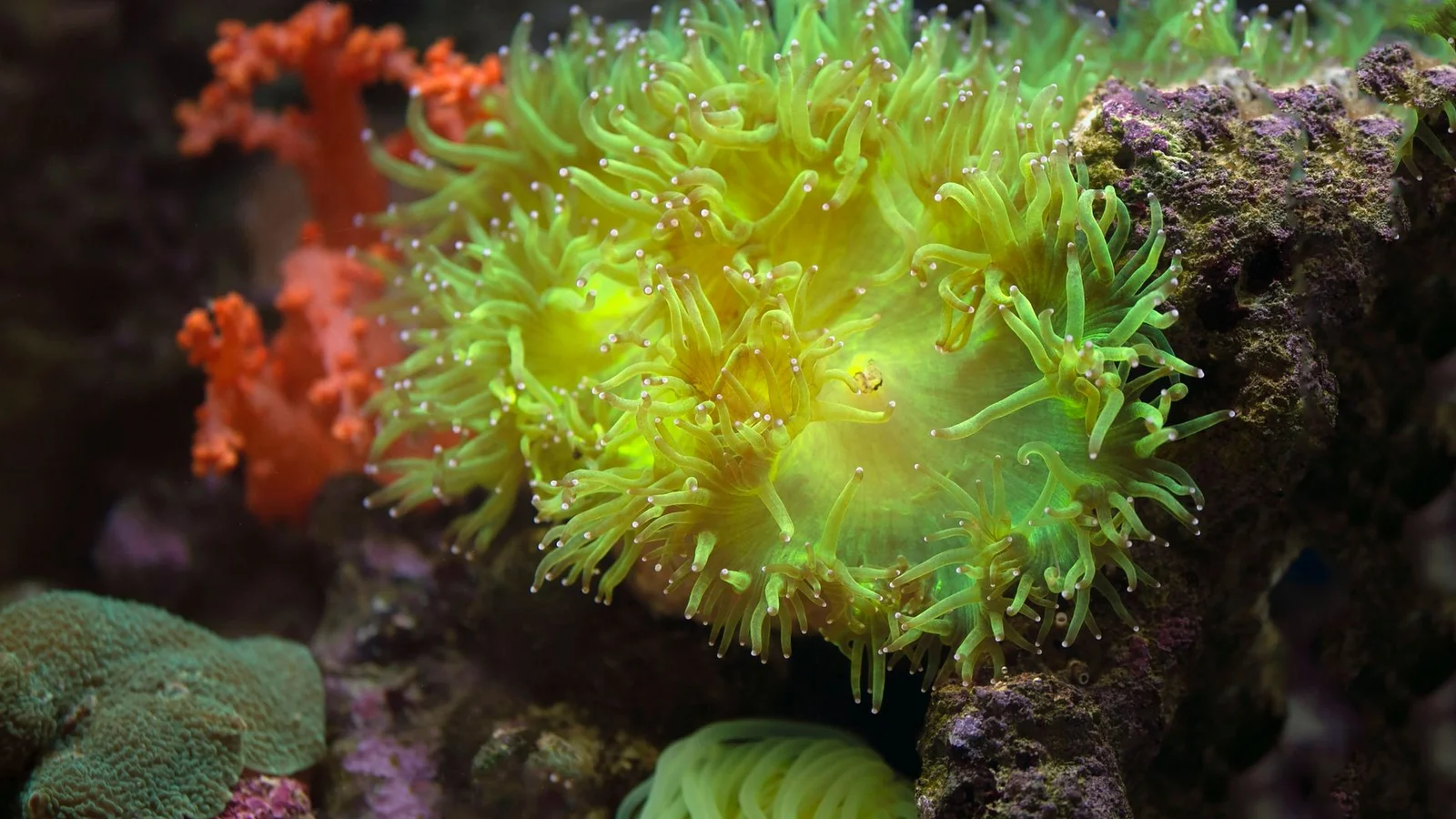
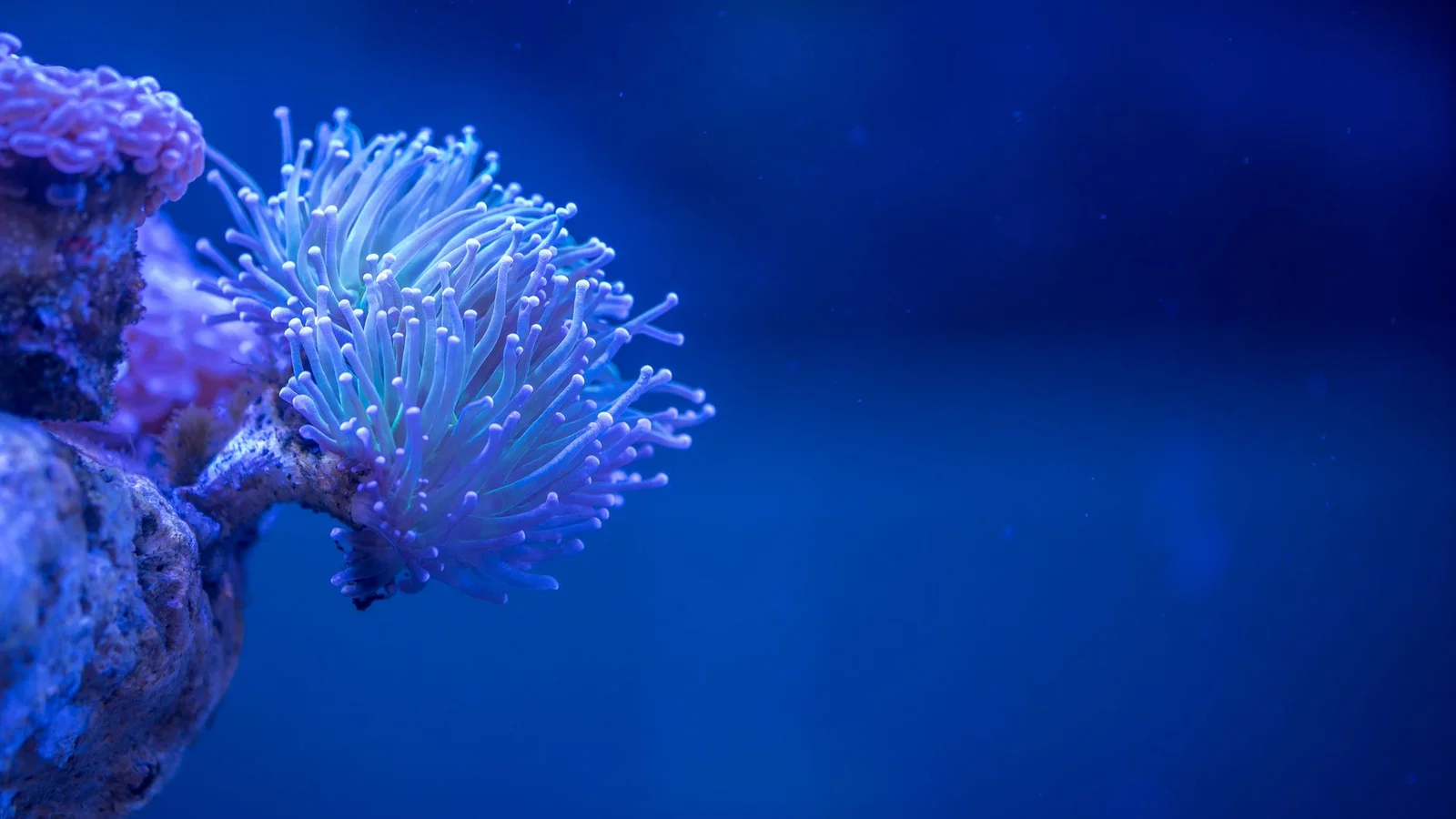
Heavy feeders: Non-photosynthetic corals (sun corals, most gorgonians with white/yellow polyps) have no zooxanthellae — feeding isn’t optional, it’s their entire diet. Large-polyp stony corals with big fleshy polyps (Acans, Blastos, chalices, Duncans, torches and hammers) respond dramatically to regular meaty feeding.
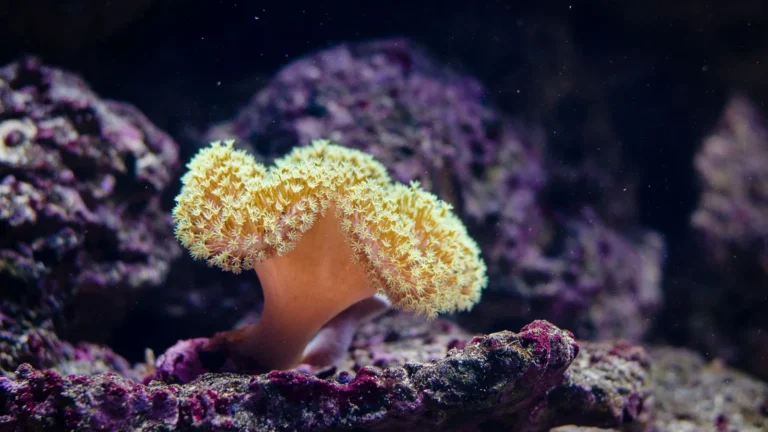
Moderate: Most LPS and many soft corals benefit from weekly feeding even though they’d survive without it.
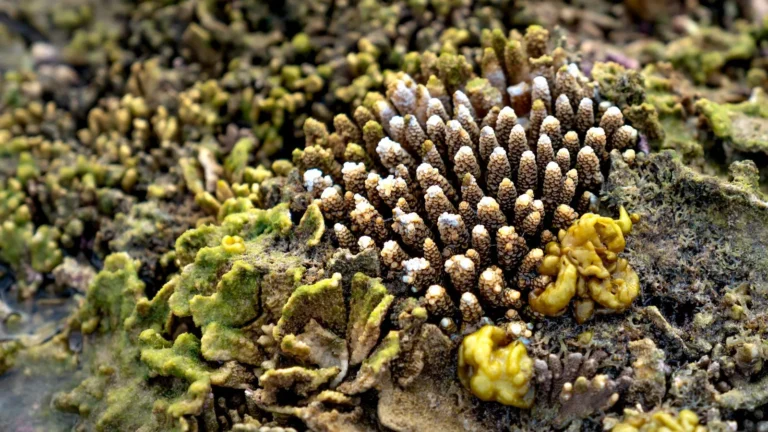
Light: Small-polyp stony corals (SPS) feed mostly on dissolved nutrients and fine particulates; they’re fed more by stable water chemistry and fish poop than by anything you squirt at them.
Target feeding vs. broadcast feeding
Broadcast feeding means adding food to the water column — powdered coral foods, phyto, rotifers — and letting flow deliver it. It’s easy and feeds everything a little, but much of it ends up feeding your filtration and your nutrient levels instead.
Target feeding means delivering food directly to each coral with a turkey baster or pipette: thawed mysis or brine for big-mouthed LPS, fine powdered food in a slurry for smaller polyps. Turn pumps off (or way down) for 10–15 minutes, gently puff food onto the polyps, and watch the feeding response — tentacles grab, mouths open, and the food actually goes where you intended. More effort, radically better food-to-coral conversion.
A sane feeding schedule
LPS: target feed meaty foods 1–2× per week, evenings when feeding tentacles are out. Softies and most others: broadcast a quality powdered food 1–2× weekly. NPS corals: small feedings several times a week, no way around it. Then watch your nitrates and phosphates — feeding is the main lever on nutrients, and overfeeding shows up as algae outbreaks before it shows up as coral growth. If numbers creep, cut portions before cutting frequency.
Signs you’re getting it right
Expanded polyps, visible feeding responses, improving color (well-fed corals often deepen in color — the full story is in our guide to coral coloration), and steady growth. Sunken tissue, receding flesh, or a coral that never extends feeders points the other way — start with our walkthrough on diagnosing a sick coral before assuming food is the fix.
Feed deliberately, measure honestly, and your corals stop merely photosynthesizing their way through life — they start growing like they mean it.
Related reading
- How to Frag Corals: A Beginner’s Guide to Propagation
- SPS Corals for Intermediate Reefers: Acropora Basics
- Mushroom Corals: The Bulletproof Beginner Coral
- Feeding Saltwater Fish: Frozen, Pellets, and Schedules
Sources & further reading
Gear Worth Having for This
Heads up: the links below are Amazon affiliate links, and qualifying purchases support this site at no extra cost to you.
- Find coral frag tools and dip on Amazon — Good frag tools and a proper coral dip protect the rest of your tank