Zoanthids and Palythoa: Care, Color, and Safety
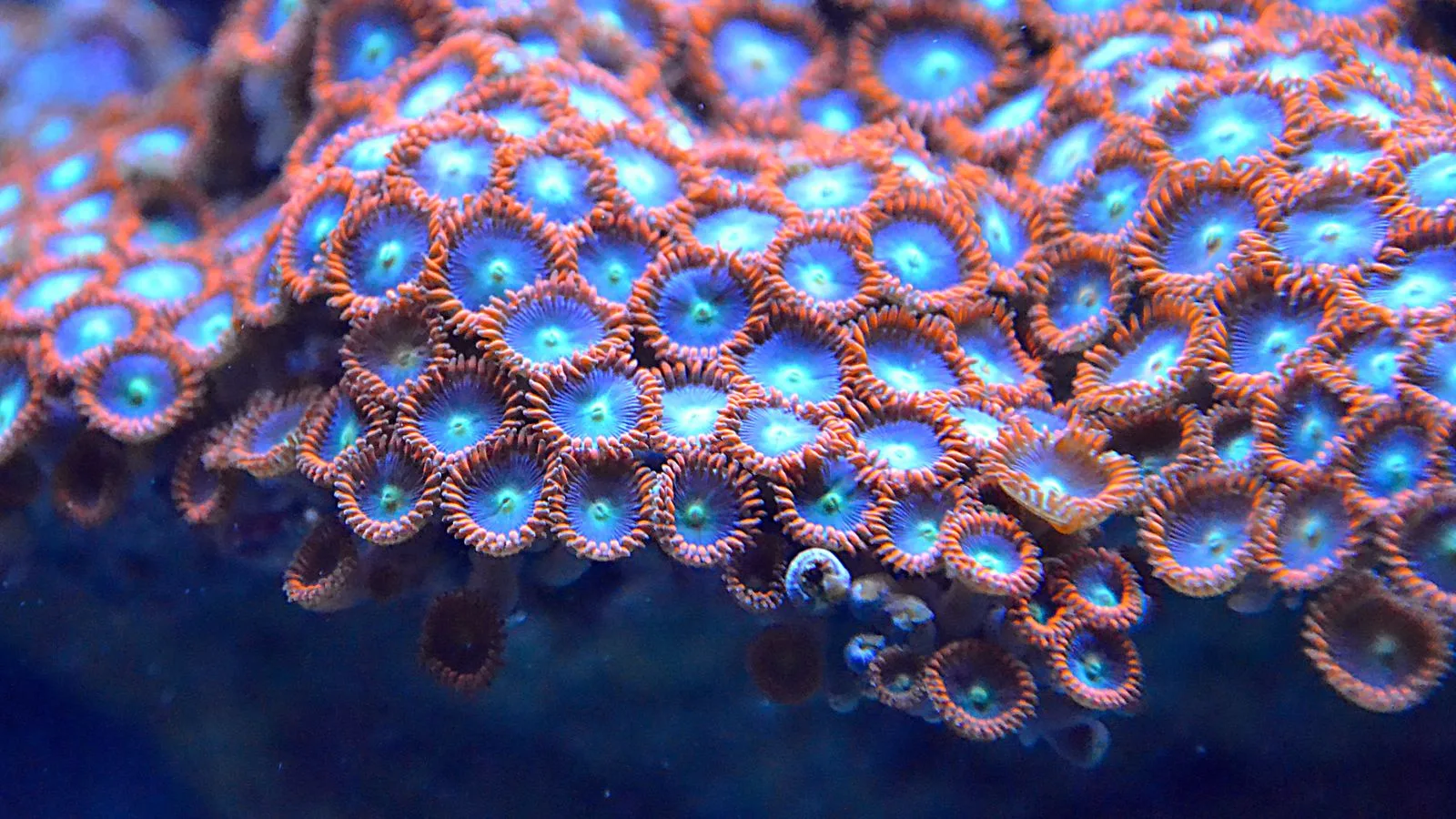
Few corals pack as much color into as little space as zoanthids and their close relatives palythoa. These colonial polyps come in a dazzling array of colors and patterns, grow readily, and tolerate the imperfect conditions of a young tank, making them favorites for beginners and collectors alike. They are also among the safest corals to start with, with one important exception: some carry a potent toxin that demands respectful handling. This guide covers everything you need to keep zoanthids thriving, lighting, flow, and feeding, along with the palytoxin safety every reefer who keeps them should understand.
- Zoanthids are hardy, colorful, and beginner-friendly.
- They prefer moderate light and gentle-to-moderate flow.
- Handle with care: some carry toxic palytoxin.
Why Zoanthids Are So Popular
Zoanthids earn their popularity on several fronts. They come in an enormous range of colors and patterns, with prized varieties bearing collector names, so a zoa garden can be endlessly varied and vivid. They are hardy, tolerating the nutrient swings and imperfect light of a maturing tank far better than most corals, which makes them an ideal early coral. And they grow and multiply readily, spreading across rock and frag plugs to form colorful mats that reward you with visible progress. For a beginner wanting impact and forgiveness, or a collector chasing rare morphs, zoanthids deliver both color and ease in a way few other corals match.
Lighting and Flow
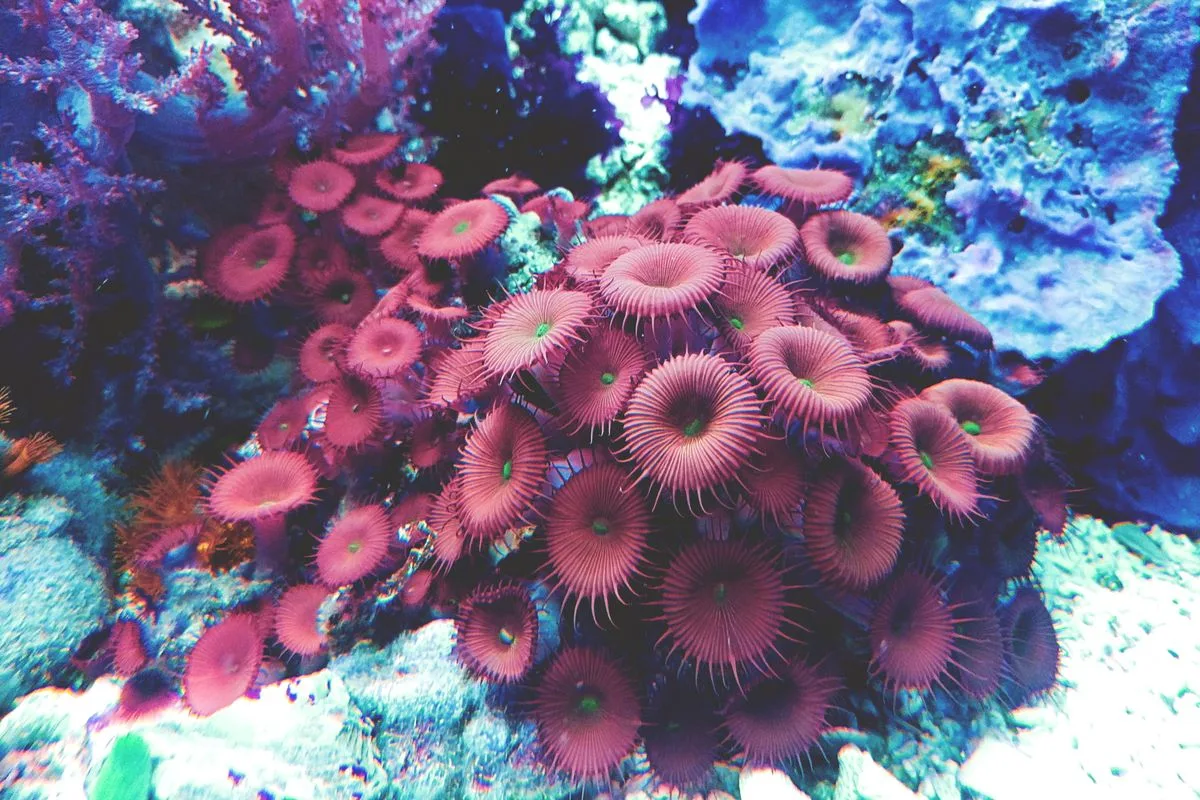
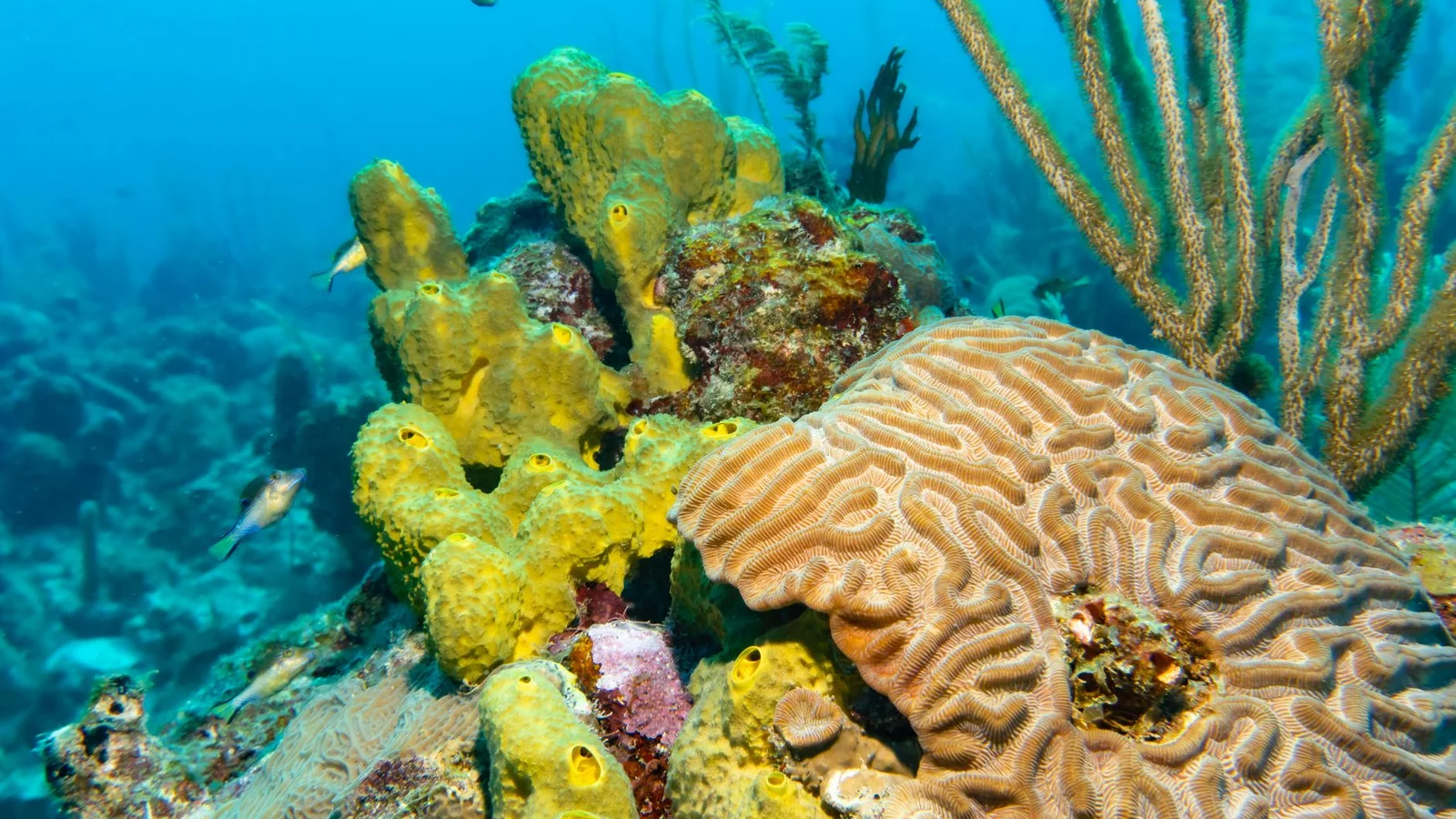
Zoanthids are adaptable but have preferences that bring out their best. They generally do well under low to moderate light; too little and they stretch and lose color, too much can bleach or close them. Many keepers find their colors pop best under moderate, blue-rich light. For flow, they like gentle to moderate, indirect movement that keeps detritus from settling on the polyps without blasting them closed. Place them on rock in the lower to middle regions to start, observe how they respond, and adjust. Because they tolerate a range, zoanthids are forgiving to position, but dialing in their preferred light and flow rewards you with fuller polyps and richer color.
Feeding and Growth
Zoanthids get much of their energy from light through their symbiotic algae, but they also benefit from feeding. They will accept small particulate foods, and target-feeding them occasionally can boost growth and color, especially in lower-nutrient tanks. Keep nutrients in a moderate, stable range rather than ultra-low, since extremely lean conditions can stall them. As they grow, zoanthids spread across available surfaces; give them open rock to colonize and they will form expanding mats. They can be fragged easily by cutting the rock or plug they grow on. With stable conditions and a little feeding, a few polyps become a thriving, spreading colony surprisingly quickly.
Palytoxin Safety
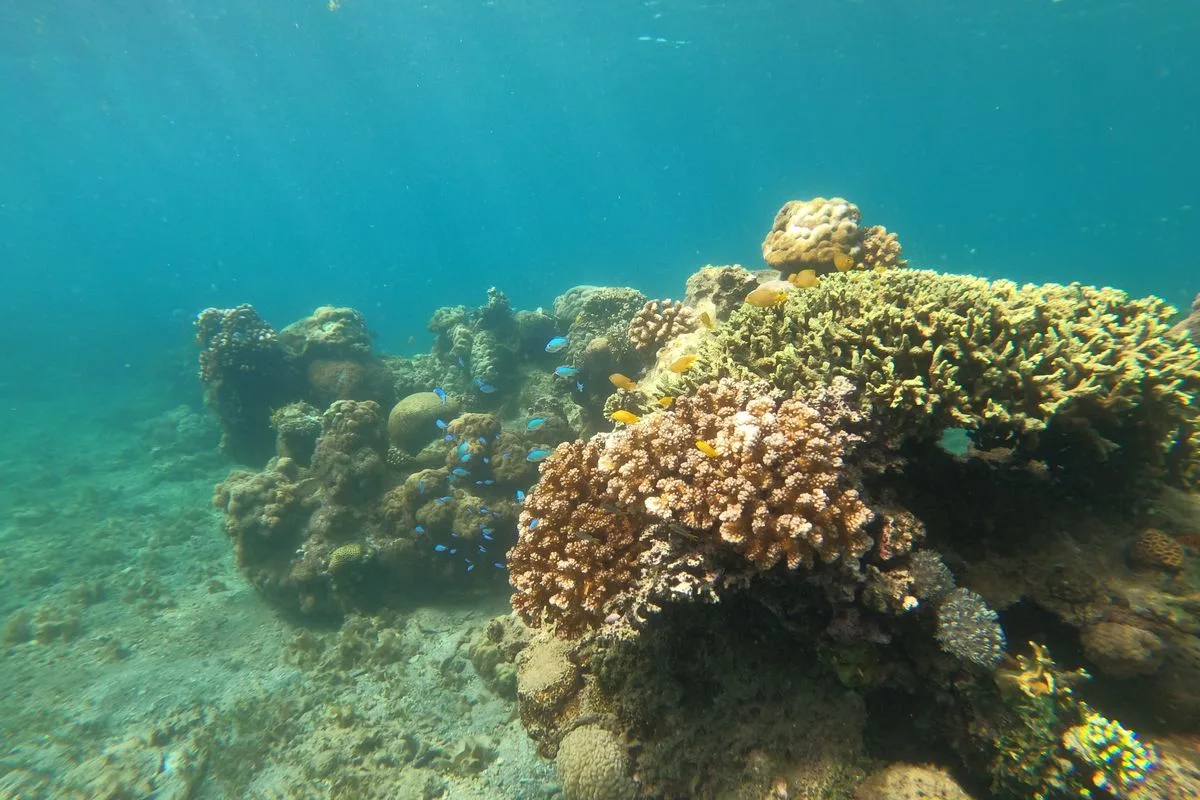
The one serious caution with zoanthids and palythoa is palytoxin, a potent toxin that some, though not all, of these corals carry. It poses a risk mainly when polyps are handled, cut, or scraped, and especially if hot water or steam aerosolizes it during equipment cleaning. The sensible precautions are simple: wear gloves and eye protection when handling or fragging these corals, never boil or steam rock that holds them, avoid touching your face, and keep them away from open cuts. Treat every zoanthid as if it could carry the toxin. With these basic precautions, you can enjoy these beautiful corals safely; the risk comes only from careless handling.
Pests, Closures, and Keeping Zoas Open
Zoanthids are hardy, but they attract a few specific pests and have a habit of closing up that can worry new keepers, so knowing both is part of keeping them looking their best. The most notorious pest is the zoa-eating nudibranch, a small, well-camouflaged predator that blends into the colony and slowly devours polyps. Sundial snails are another threat, feeding on zoas and laying eggs among them, and both are best caught early through close inspection.
Dipping and inspecting new zoa frags is the key defense. Because these pests and their eggs are easy to overlook on a colony, treating every incoming zoanthid frag with a coral dip and examining the plug and polyps carefully before adding it to the display prevents most infestations. A magnifying check under good light reveals the tiny nudibranchs and snail egg spirals that would otherwise establish unnoticed.
Closures are common and usually not an emergency. A zoanthid colony may close up for days in response to a change in light, flow, water chemistry, irritation from a neighbor, or being picked at by a fish or invert. Often the cause is minor and the polyps reopen once conditions stabilize. Persistent closure, though, is a signal worth investigating, since it can indicate pests, poor placement, or water quality the colony dislikes.
Dialing in placement helps zoas thrive and stay open. They generally do well in moderate light and gentle to moderate flow, and a spot that is too intense, too dim, or blasted by direct current can keep them sulking. Many keepers find their zoanthids color up and open fully once moved to a comfortable mid-tank position, and giving a struggling colony a better spot is often all it takes to revive it.
Patience rounds out zoa care. A newly added or recently disturbed colony may take time to settle and spread, and resisting the urge to keep moving or prodding it lets it establish. With pests kept out through dipping, a comfortable placement, and stable water, zoanthids reward their keeper with one of the easiest, most colorful, and fastest-spreading displays in the reef hobby, which is exactly why they remain a beginner favorite.
Color and Care in Equal Measure
Zoanthids and palythoa offer some of the best color-to-effort ratios in the hobby, hardy, fast-growing, and endlessly varied, making them ideal for beginners and collectors alike. Give them moderate light and gentle flow, a little feeding, and stable conditions, and they reward you with spreading, vivid colonies. Just respect the palytoxin risk by handling them with gloves and care. Manage both their needs and their one hazard, and zoanthids become a safe, spectacular cornerstone of your reef.
Related reading
- Temperature Control for Reef Tanks: Ranges, Chillers, and Safety
- Keeping Euphyllia: Hammer, Torch, and Frogspawn Care
- Clownfish Care: Hosting, Pairs, and Anemone Myths