Clownfish Care: Hosting, Pairs, and Anemone Myths
Clownfish are the fish that brings most people into saltwater, and for good reason: they are hardy, captive-bred in huge numbers, full of personality, and instantly recognizable. They are also the subject of more myths than almost any other reef fish, especially around anemones. Whether you want a single clown, a bonded pair, or the famous anemone partnership, understanding their behavior and needs makes them one of the most rewarding fish you can keep. Here is what clownfish actually require, how pairing and hosting work, and why you do not need an anemone to keep them happy.
- Captive-bred clownfish are hardier and reef-safer than wild-caught.
- Clownfish do not need an anemone to thrive.
- All clownfish start male, and pairs form a clear hierarchy.
Choosing and Settling a Clownfish
Whenever possible, choose captive-bred clownfish over wild-caught. They adapt to aquarium life with ease, accept prepared foods immediately, carry fewer parasites, and put no pressure on wild populations. The ocellaris and percula clowns are the classic beginner choices, hardy and forgiving in tanks as small as twenty gallons. When you bring one home, acclimate it gently and offer a varied diet of quality frozen and pellet foods. Clownfish are not shy; within days a settled clown will be patrolling its corner of the tank with the bold, waddling swim that makes the species so charming to watch.
How Pairs Form
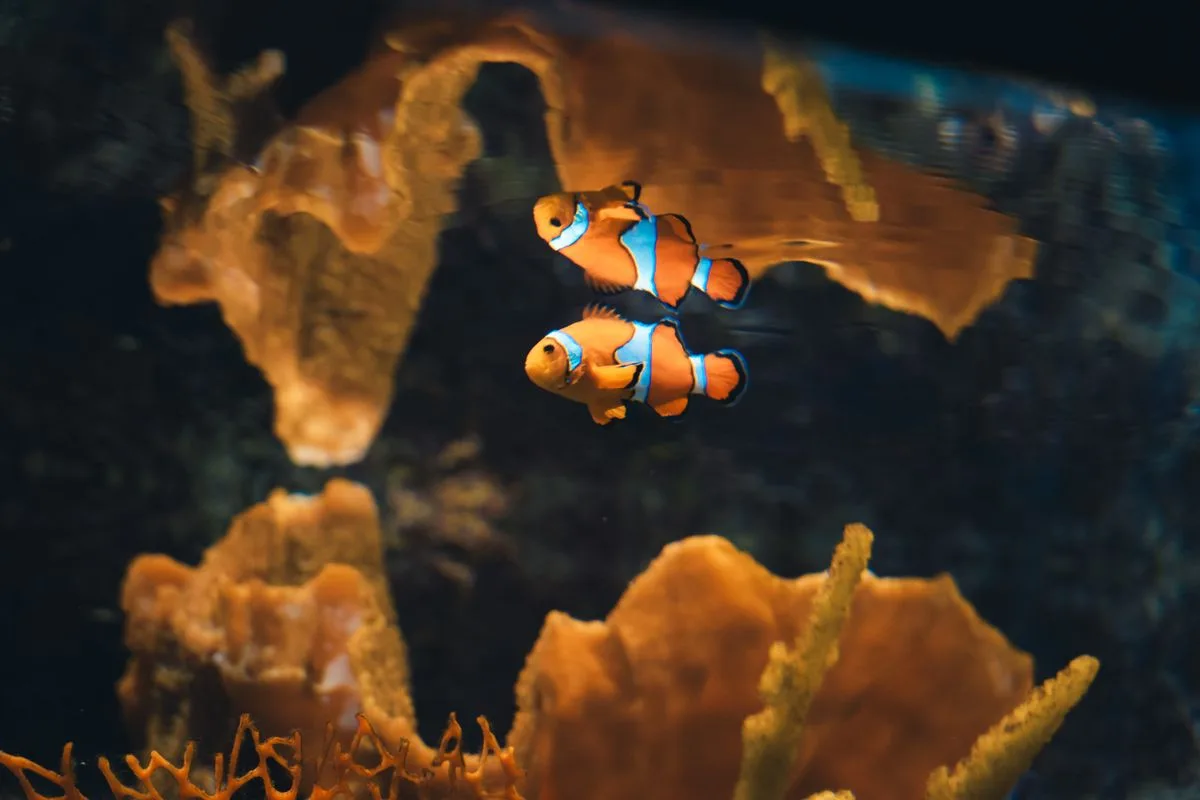
Clownfish have an unusual biology: every individual is born male, and the dominant fish in a group transitions to female. This means a bonded pair is simply the largest fish, now female, and a smaller male. To form a pair, the safest route is to add two small juveniles at the same time and let the hierarchy sort itself out, or to add a small juvenile to an established larger fish. Avoid putting two large adults together, as both may have already become female and will fight. Once paired, clowns are devoted partners, often staying within inches of each other and defending a shared territory.
The Anemone Myth
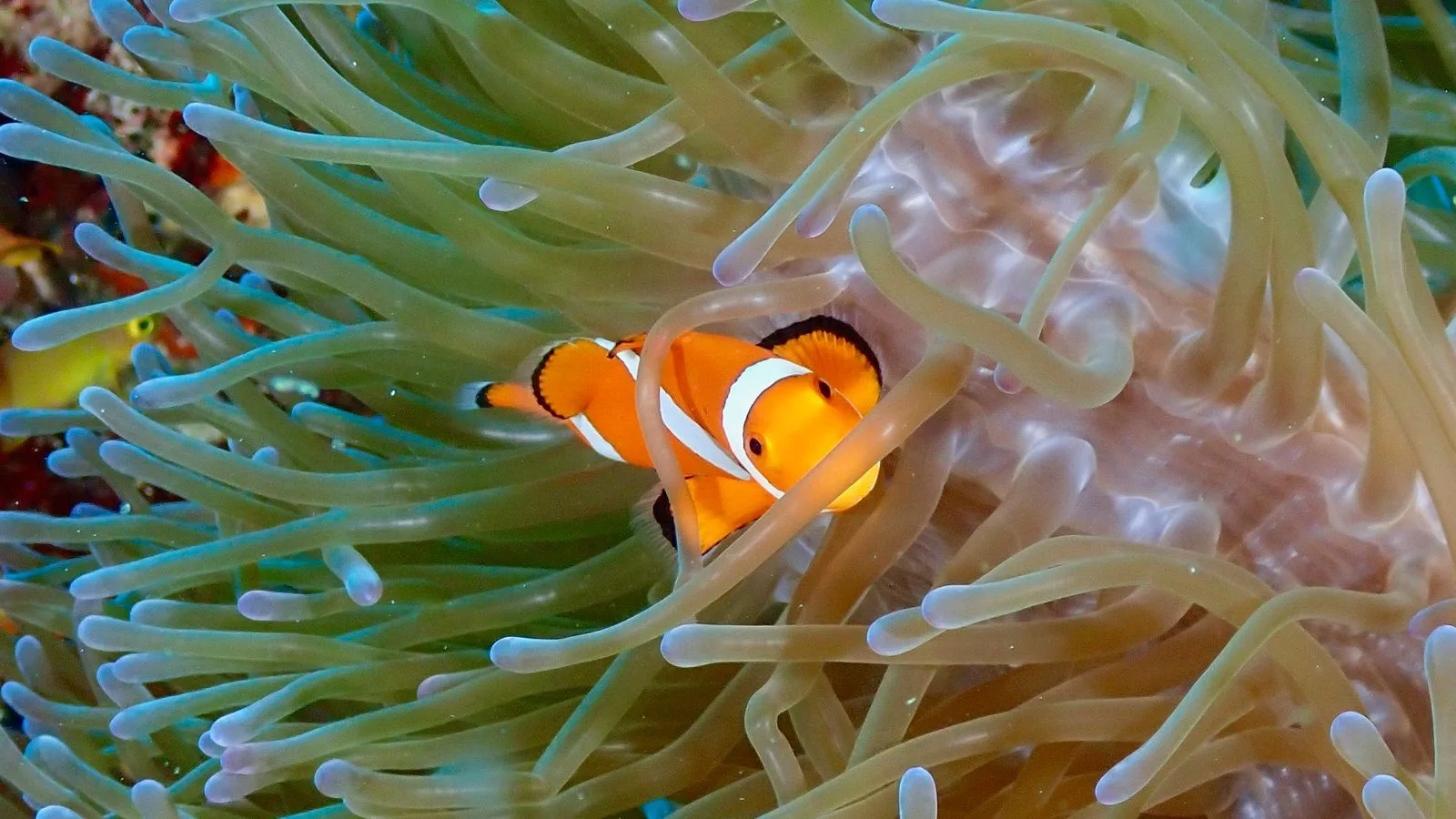
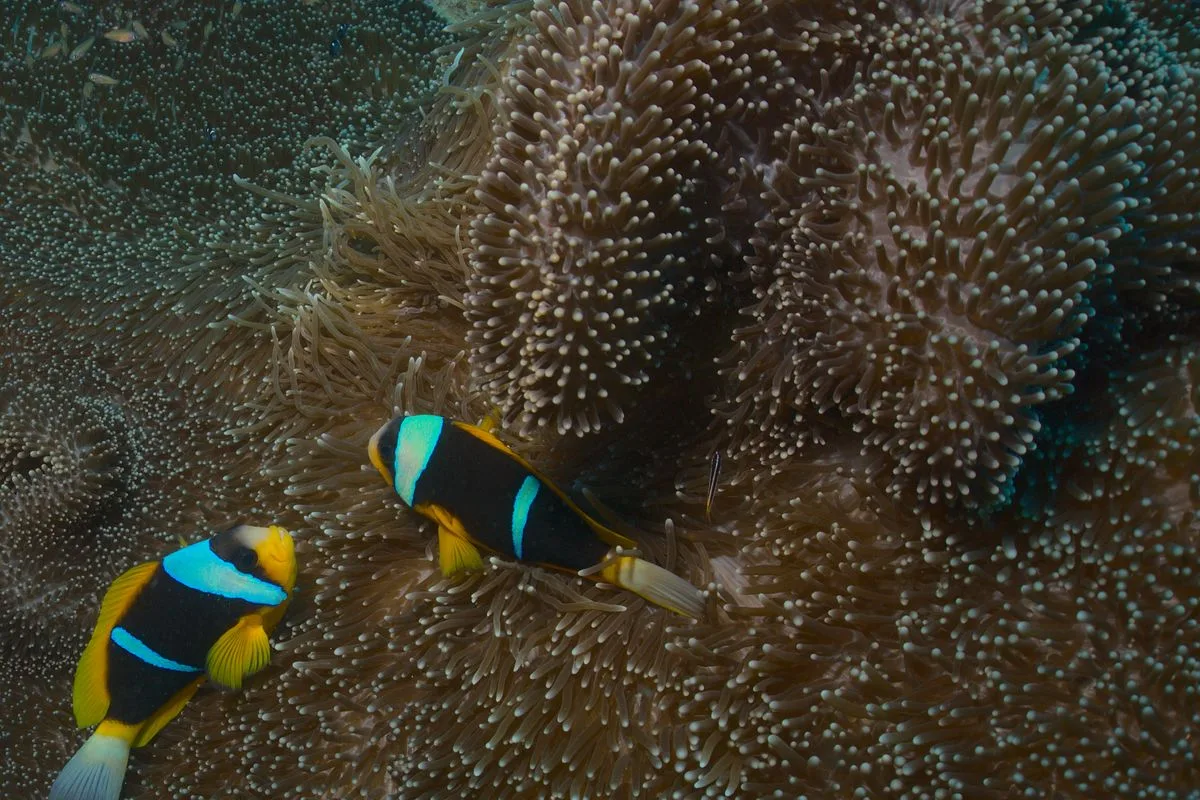
The famous partnership between clownfish and anemones is real in the wild, but it is not a requirement in the aquarium. Captive-bred clownfish often have never seen an anemone and live full, healthy lives without one. Anemones are also considerably harder to keep than the clownfish themselves, demanding intense light, pristine stable water, and a mature tank, and they wander, sometimes into powerheads. Many clowns will instead host in a coral, a powerhead, or nothing at all. If you simply want happy clownfish, skip the anemone; add one only later, as a deliberate project, once your tank is mature and stable.
Behavior and Tankmates
Clownfish are generally peaceful but can be feisty in defense of their territory, particularly a bonded pair guarding a host. In a reasonably sized tank they coexist well with other peaceful community fish, though you should keep only one clownfish or one bonded pair per tank, since unrelated clowns will fight. They are entirely reef-safe, never bothering corals or invertebrates. Provide a secure lid, as startled clowns can occasionally jump, feed a varied diet, and they will reward you with years of bold, engaging behavior that lives up to every bit of their popularity.
Feeding, Health, and Captive-Bred Advantages
Clownfish are hardy, but they still benefit from a thoughtful diet and a little health awareness. They are omnivores and do best on a varied menu of frozen meaty foods like mysis and a quality marine pellet or flake, with the occasional algae-based food rounding things out. Two or three small feedings a day that the fish finish quickly keep them in good condition without fouling the water. A well-fed clownfish shows rich color, a rounded belly, and the bold, bustling behavior the species is loved for.
On the health side, the species’ biggest risks tend to arrive with the fish rather than develop in a stable tank. Wild-caught clownfish are prone to a skin disease called brooklynella, sometimes nicknamed clownfish disease, as well as the usual marine ich, which is why a quarantine period before adding them to the display is so valuable. Watching a new clownfish in a separate tank for a couple of weeks lets you catch and treat trouble before it ever reaches your corals and other fish.
This is where captive-bred clownfish earn their reputation. Because they are raised in aquarium systems and weaned onto prepared foods, they arrive already eating pellets and frozen fare, carry far fewer parasites and diseases than wild specimens, and adapt to tank life with much less stress. They also tend to be more tolerant of tankmates and conditions. For a beginner especially, choosing a captive-bred pair removes a large share of the early risk and starts the relationship off with a fish that is already comfortable in a glass box.
With good food, a quarantine habit, and ideally a captive-bred pair, clownfish reward their keeper with years of bold, engaging behavior. They are among the few marine fish that will breed in a home aquarium, and a settled, well-fed pair will often pair off, defend a patch of the tank, and even spawn given time. That combination of hardiness, personality, and the possibility of watching a natural pair bond form is exactly why the clownfish remains the fish that introduces so many people to the reef hobby.
If you do hope to breed them, feed a little more richly and keep conditions rock-steady, since spawning fish invest heavily in eggs. Even without any intention to raise fry, watching a bonded pair clean a patch of rock and tend a clutch of eggs is one of the small, repeatable joys that keeps long-time reefers attached to these fish.
Simple to Keep, Endlessly Watchable
Clownfish earn their popularity by being hardy, characterful, and genuinely easy to keep. Choose captive-bred stock, form pairs from juveniles, feed well, and provide a lid, and they will flourish with no anemone required. Understand their quirky biology and territorial streak, and you will have a centerpiece fish that thrives for years, often becoming the first reef animal you truly bond with.
Related reading
- Keeping Euphyllia: Hammer, Torch, and Frogspawn Care
- Zoanthids and Palythoa: Care, Color, and Safety
- Reef Tank Lighting Explained: PAR, Spectrum, and Photoperiod for Coral Growth