Tangs in Reef Tanks: Tank Size, Diet, and Aggression
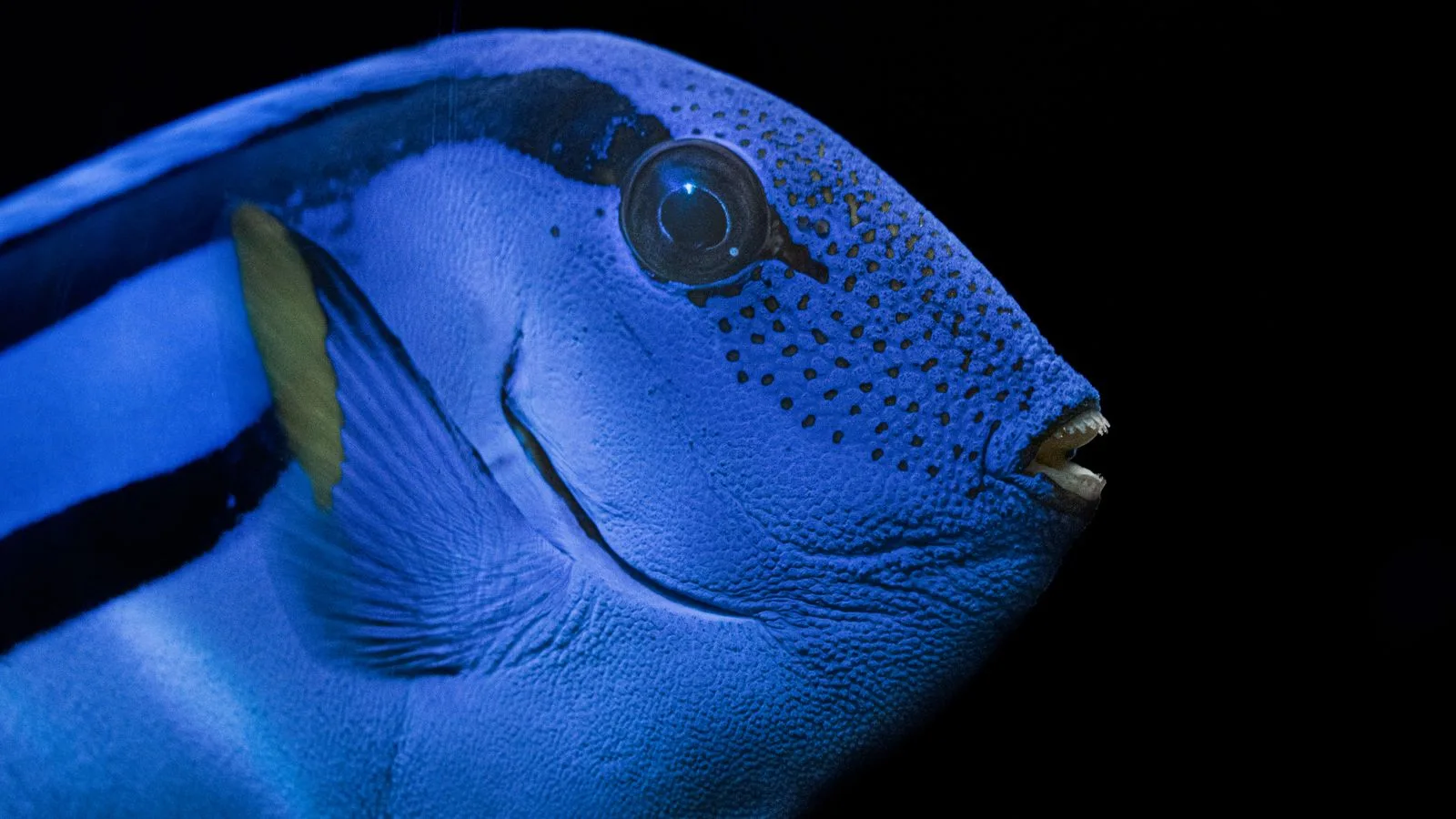
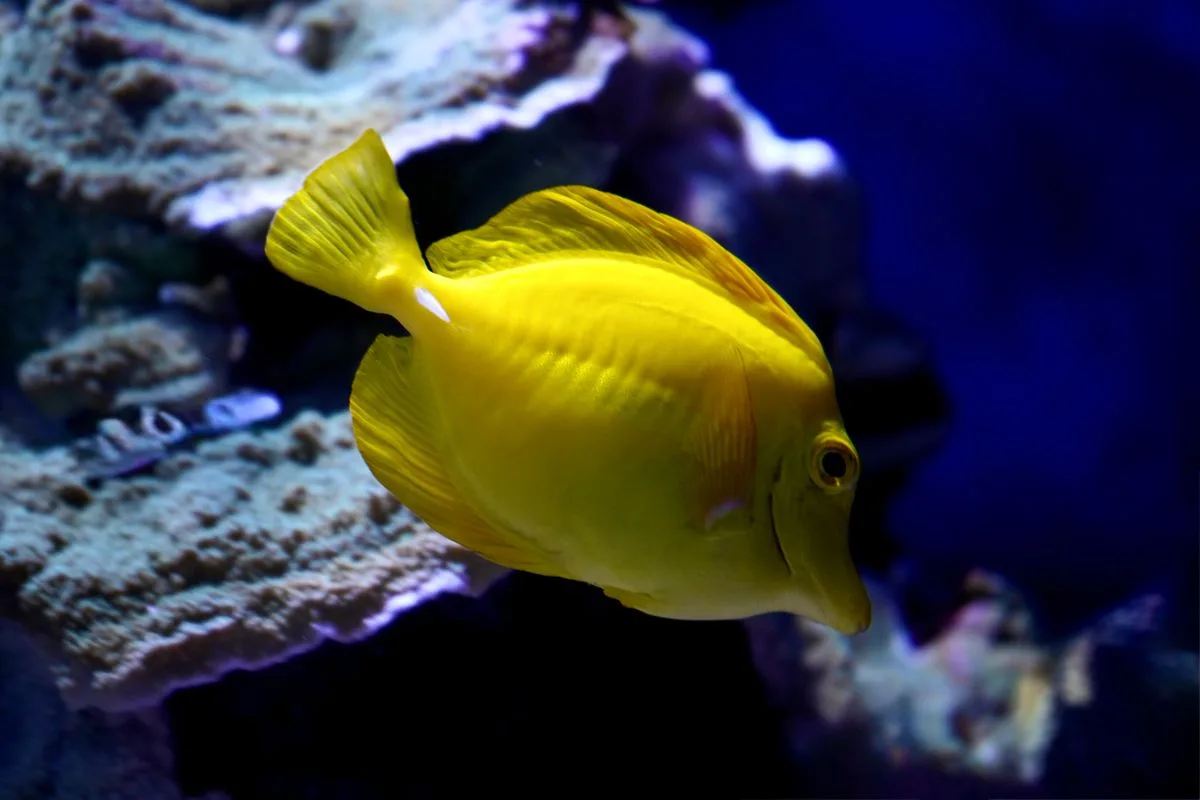
Few fish are as iconic, or as commonly mis-stocked, as tangs. Their bold colors, active swimming, and appetite for algae make them hugely popular, but they also grow large, need serious swimming room, and can be aggressive, which leads to constant heartbreak when they are kept in tanks far too small. Keeping tangs successfully is entirely possible and rewarding, but only when you respect what they genuinely require. This guide covers realistic tank sizes, the herbivore diet tangs need, and how to manage their well-earned reputation for aggression so you can keep these stunning fish the right way.
- Tangs need far more swimming room than their size suggests.
- They are herbivores that require plenty of algae and greens.
- Manage aggression with tank size, stocking order, and rockwork.
Realistic Tank Sizes
The most common and most damaging mistake with tangs is keeping them in tanks far too small. Tangs are active, open-water swimmers that cruise constantly in the wild, and they need length to swim, not just water volume. A small tang in a nano tank becomes stressed, stunted, aggressive, and disease-prone. Different tang species have different minimums, but all need more room than their store size suggests, and the smaller, more active species still require a sizable footprint. The chart below gives rough guidance. Be honest about whether your tank provides the swimming length a given tang needs for life, not just while it is small.
Feeding a Herbivore
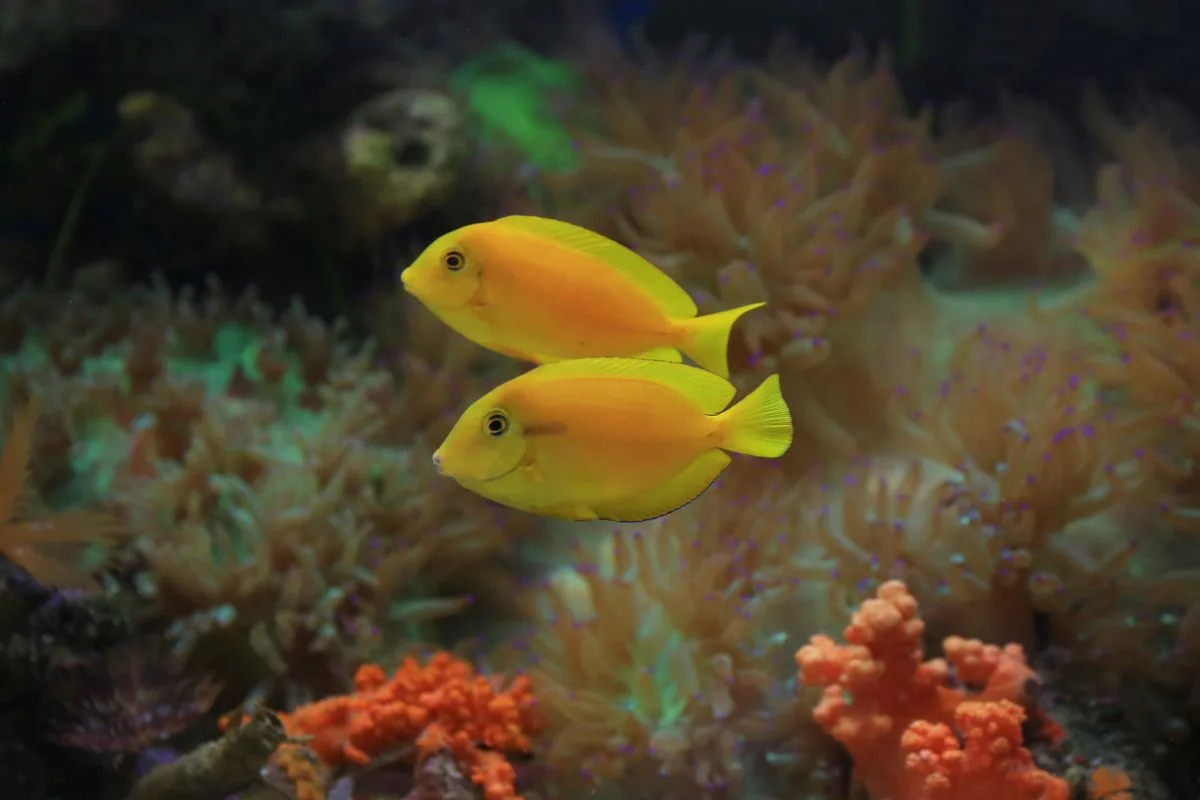
Tangs are herbivores built to graze algae throughout the day, and feeding them like a typical carnivorous fish leads to poor health. They need a diet rich in marine algae and vegetable matter, commonly provided as dried marine algae sheets clipped in the tank for constant grazing, supplemented with quality herbivore preparations. This grazing also helps control nuisance algae, one reason tangs are popular, but you should never rely on tank algae alone to feed them. A well-fed tang with constant access to greens is more colorful, more resistant to disease, and noticeably less aggressive than a hungry one. Consistent herbivore feeding is central to keeping them well.
Managing Aggression
Tangs can be territorial, especially toward other tangs and particularly those of similar shape or color. Keeping multiple tangs in a modest tank usually ends in relentless bullying. If you want more than one, a large tank, adding them simultaneously, and choosing differently shaped species improves the odds, but it remains a challenge best left to bigger systems. Add tangs late in your stocking order so they do not dominate the tank from the start, provide ample rockwork and sight breaks, and keep them well fed to reduce aggression. Respect their territorial nature and you can house them peacefully; ignore it and conflict is almost guaranteed.
Health Considerations
Tangs are somewhat prone to disease, especially marine ich, partly because stress from inadequate space and aggression weakens them. This makes quarantine especially important for tangs, and it makes providing proper conditions, ample swimming room, good diet, and low stress, doubly valuable as preventive care. Their thin bodies and active lifestyle mean a stressed, cramped tang shows problems quickly. Keep them in appropriately large tanks, feed them the herbivore diet they need, manage aggression, and quarantine new arrivals, and tangs reward you as hardy, long-lived, spectacular centerpiece fish. Cut corners on their requirements, and they become a recurring source of disease and loss.
Swimming Room and Why Tank Shape Matters
Tangs are active, open-water swimmers, and that single fact drives much of what makes them demanding, separate from their size or diet. In the wild they cruise constantly over the reef, covering ground all day, and a tank that does not let them swim leaves them frustrated and stressed. This is why swimming length, not just gallons, is the figure that matters most when deciding whether a tang belongs in a given tank.
Two tanks of equal volume can be utterly different homes for a tang. A long, low tank gives a tang the horizontal runway it craves, while a tall tank of the same gallon count offers little useful swimming distance and forces the fish into cramped back-and-forth turns. When evaluating a tank for a tang, look at its longest dimension and front-to-back depth rather than the headline volume, because that is the space the fish actually uses.
Cramped, restless tangs pay a health price. A fish that cannot swim freely tends to be more stressed, and stress is closely tied to outbreaks of marine ich and other diseases that tangs are already prone to. Giving a tang room to move is therefore not just about comfort or behavior; it directly supports the fish’s immune resilience and long-term survival, which is part of why tangs kept in undersized tanks so often struggle.
Aquascaping interacts with swimming room as well. Rockwork that creates long, open swimming lanes along the front or across the length of the tank lets a tang patrol naturally, while a tank packed wall to wall with rock leaves no clear path even if the footprint is large. Designing the aquascape with open swimming corridors in mind makes a given tank far more suitable for an active fish.
The honest conclusion is that tangs reward keepers who can provide genuine space and punish those who cannot. If your tank offers the length and open swimming room a particular tang needs, it can be a magnificent, long-lived centerpiece. If it does not, choosing a smaller, less mobile fish is far kinder than forcing an open-water swimmer into a box too small for it to ever feel at home.
Keep Them Right or Not at All
Tangs are spectacular fish that thrive only when their real needs are met: generous swimming room, a herbivore diet rich in marine algae, careful aggression management, and quarantine to guard their health. Give them a tank that fits their adult size and active nature, feed them properly, and stock them thoughtfully, and they become hardy, brilliant centerpieces. The kindest and most successful choice is to keep tangs the right way or to admire them in someone else’s larger tank.
Related reading
- Choosing the Right Tank Size for a Beginner Reef Aquarium
- Reef Tank Lighting Explained: PAR, Spectrum, and Photoperiod for Coral Growth
- Anemones in Reef Tanks: Are They Right for You?
- Invertebrates for Reef Tanks: Shrimp, Stars, and Urchins