Invertebrates for Reef Tanks: Shrimp, Stars, and Urchins
Fish and corals get most of the attention, but a reef tank’s invertebrates add some of its most fascinating life and useful function. Beyond the basic cleanup crew of snails and hermits lies a world of ornamental shrimp, sea stars, urchins, and more, animals that bring color, behavior, and often a working role to the tank. Many are reef-safe and rewarding, though some have specific needs or risks worth knowing. This guide explores the invertebrates that go beyond the standard cleanup crew, shrimp, stars, and urchins, what they offer, and how to keep them successfully in a reef.
- Many invertebrates add color, behavior, and useful function.
- Invertebrates are sensitive to salinity swings and copper.
- Research each species; some have specific diets or risks.
Ornamental Shrimp
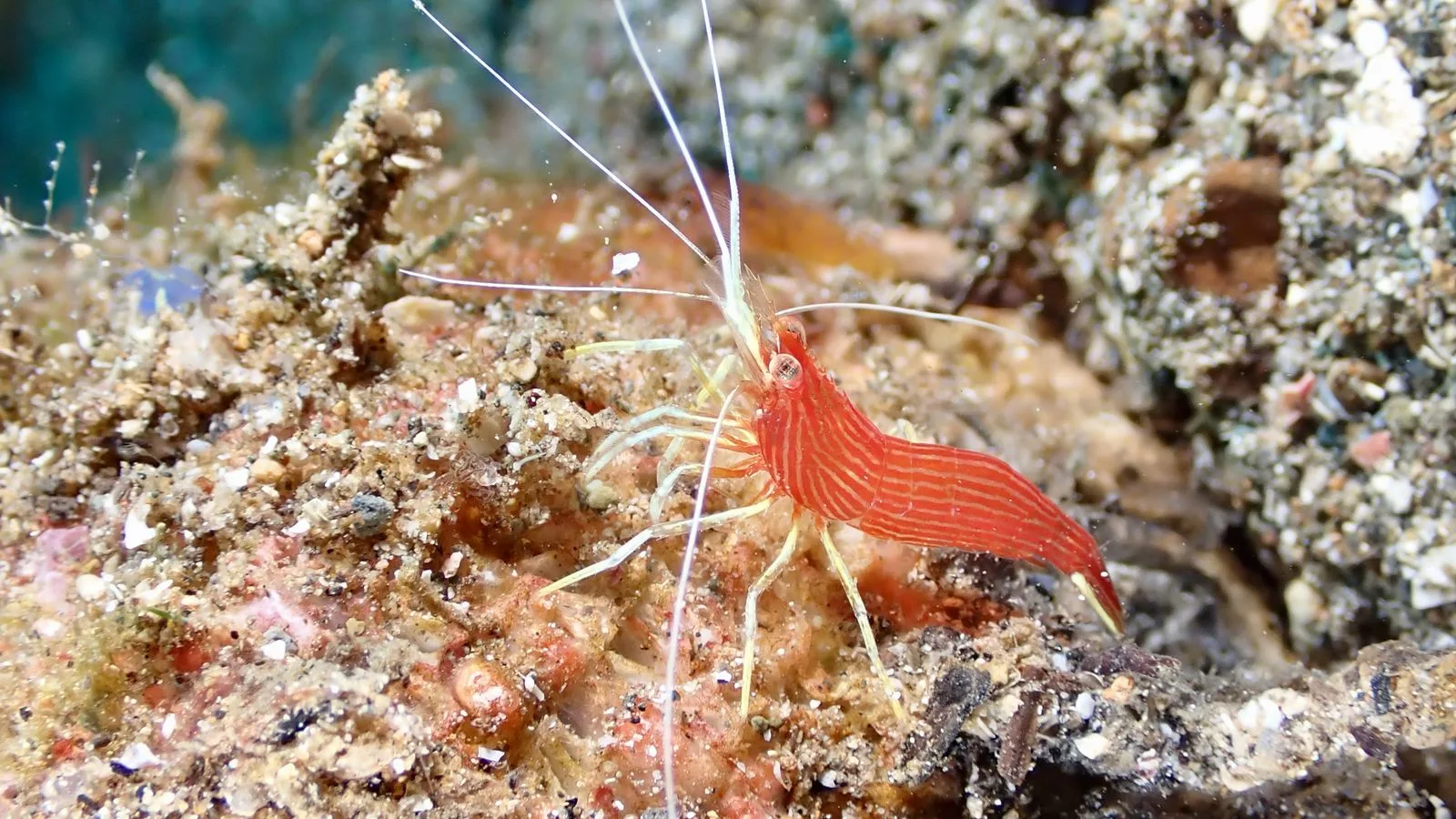
Shrimp are among the most rewarding reef invertebrates, combining color, behavior, and sometimes function. Cleaner shrimp set up stations where they pick parasites and debris off fish, a fascinating and beneficial behavior, and they are hardy and reef-safe. Peppermint shrimp can help control pest aiptasia anemones. Other species, like the striking but more demanding harlequin shrimp, have specialized diets and are best left to experienced keepers. Most ornamental shrimp are peaceful and entertaining, though they are sensitive to water quality and can fall prey to certain fish. Acclimate them slowly, since shrimp are particularly sensitive to changes, and they reward you with active, characterful additions to the reef.
Sea Stars
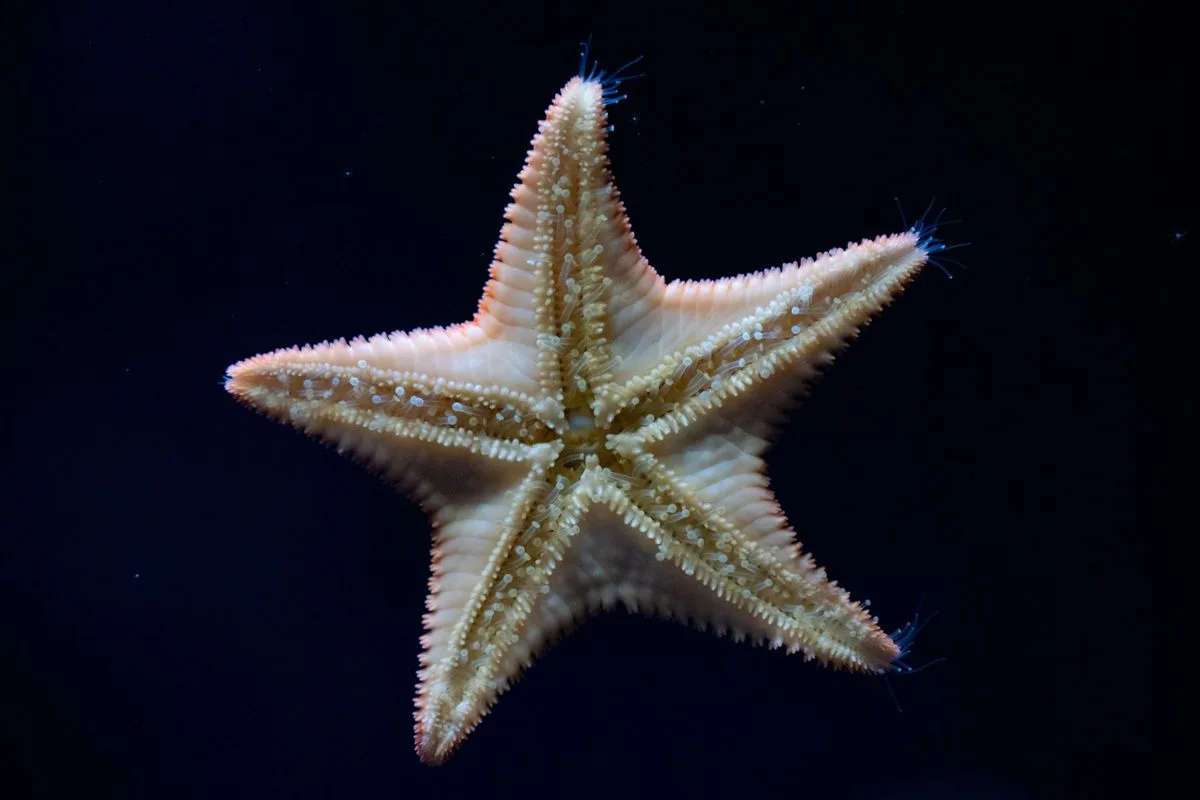
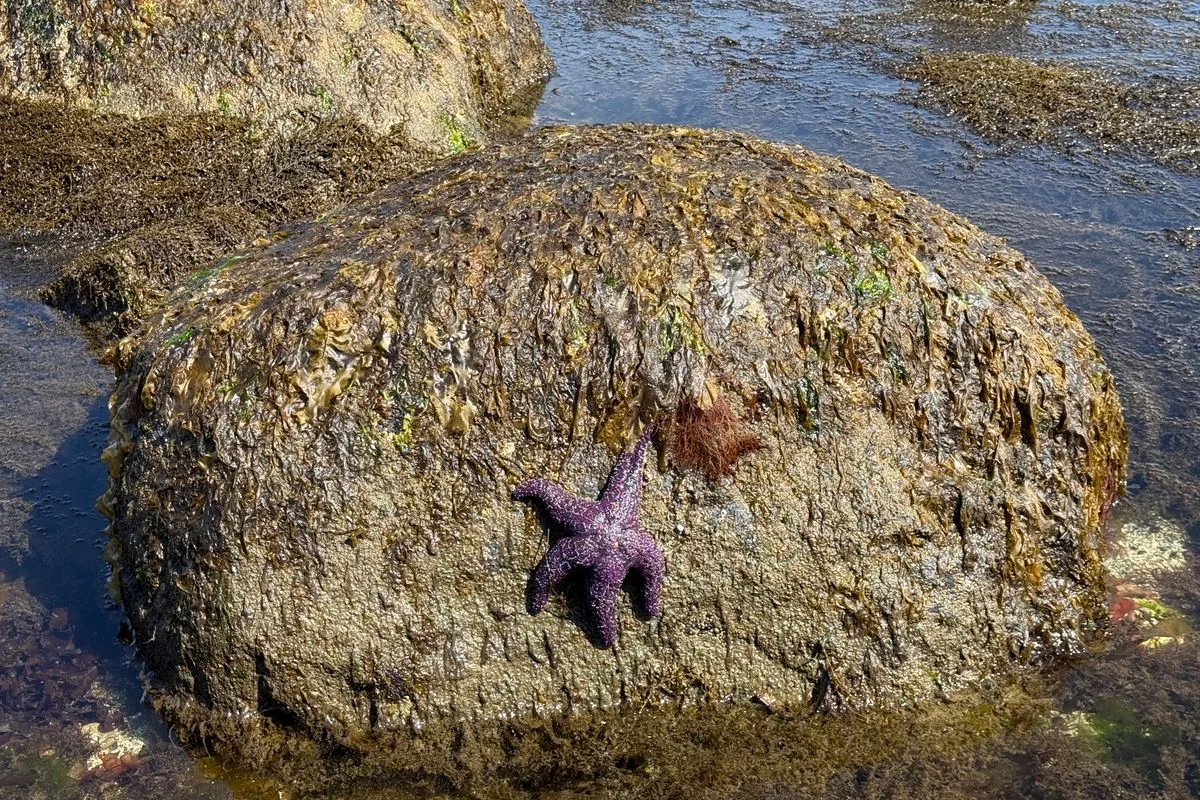
Sea stars range from easy and useful to notoriously difficult, so selection matters greatly. Certain small, hardy varieties are good scavengers that help clean the sand and rock. Brittle stars, with their snaking arms, are excellent, hardy detritivores that hide by day and scavenge effectively, making them a great functional choice. However, many of the large, showy sea stars often sold are difficult to keep, with specialized diets and high sensitivity, and frequently starve slowly in captivity. Some can also prey on other invertebrates. Research any sea star thoroughly before buying, favor the hardy scavenging types, and acclimate them very slowly, as stars are extremely sensitive to changes in water conditions.
Urchins and Others
Sea urchins can be useful algae grazers, mowing down nuisance growth as they trundle across the rock, and some species are quite effective at controlling algae. The trade-offs are that urchins may knock over loose corals and frags as they move, and some carry spines that demand careful handling. Beyond shrimp, stars, and urchins, the invertebrate world includes sea cucumbers that sift sand, fascinating but sometimes risky species, and many others. Each has its own needs and quirks. The common thread is that these animals add diversity and often function, but require you to understand their specific behavior, diet, and compatibility before adding them to ensure they thrive and do not cause problems.
Keeping Invertebrates Healthy
Invertebrates share some important sensitivities that every keeper must respect. They are far more sensitive than fish to swings in salinity and to copper, which is toxic to them, so a reef with inverts cannot be treated with copper medications, reinforcing the need for quarantine of fish elsewhere. Most inverts also need very slow, careful acclimation, often by drip, because abrupt changes in water conditions can kill them. Stable, high-quality water is essential, and many have specific dietary needs, so confirm a species will find enough to eat in your tank. Provide stable conditions, acclimate slowly, avoid copper, and research each animal, and reef invertebrates become a thriving, captivating part of the system.
Acclimating Inverts and Why They Are So Sensitive
Invertebrates are noticeably less forgiving than fish when it comes to changes in their environment, and understanding why shapes how you introduce and keep them. Unlike fish, most reef inverts cannot tolerate even small amounts of copper, are highly sensitive to swings in salinity, and react badly to abrupt changes in water chemistry. This heightened sensitivity means that the casual acclimation that a hardy fish might shrug off can kill a shrimp or a starfish outright.
Slow drip acclimation is therefore essential for inverts. Rather than a quick temperature float and release, inverts benefit from a gradual drip of tank water into their bag or container over an extended period, often an hour or more, so that the salinity and chemistry change around them in tiny increments. Sea stars in particular are notorious for failing when acclimated too quickly, and patience at this stage dramatically improves their odds of survival.
Copper is a hidden hazard worth special attention. Because invertebrates are so vulnerable to it, any tank that has ever been treated with copper-based fish medication can retain enough in its rock and substrate to harm them, even long after treatment. This is one more reason to treat fish for disease in a separate hospital tank rather than the display, and to be cautious about adding inverts to a system with an unknown copper history.
Salinity stability matters every day, not just at introduction. A drifting salinity from neglected top-off stresses inverts more than it does most fish, so keeping salinity rock-steady with an auto top-off or diligent manual replacement is part of keeping them healthy. Shrimp also molt as they grow, shedding their exoskeleton periodically, and stable calcium and salinity support successful molts, while the discarded shell that appears afterward is normal and not a dead shrimp.
Given these sensitivities, the reward for careful keeping is a group of fascinating, long-lived animals. Acclimate them slowly, keep them away from copper, hold salinity and chemistry steady, and feed them appropriately, and ornamental shrimp, sea stars, urchins, and other inverts become hardy, engaging members of the reef. Their fragility is almost entirely front-loaded into the transition and the stability of their environment, so a keeper who respects those needs finds them no harder to maintain than the fish they live among.
A World Beyond the Cleanup Crew
Reef invertebrates beyond the basic cleanup crew, ornamental shrimp, sea stars, urchins, and more, bring color, behavior, and often useful function to a tank. Many are rewarding and reef-safe, but they share sensitivities to salinity swings and copper and often need slow acclimation and specific diets. Choose hardy, well-understood species, research before buying, and provide the stable water inverts require. Explore this world thoughtfully and these animals add a fascinating dimension that fish and corals alone cannot provide.
Related reading
- Anemones in Reef Tanks: Are They Right for You?
- Temperature Control for Reef Tanks: Ranges, Chillers, and Safety
- Sand Bed Options for Reef Tanks: Bare Bottom, Shallow, or Deep
- Trace Elements in Reef Tanks: Do You Need to Dose Them?
Sources & further reading
What You’ll Want on Hand
This site is an Amazon Associate and may earn a commission from qualifying purchases via these links.
- Check out fish nets and quarantine gear — A dedicated quarantine setup and the right net make stocking safer