Coral Aggression: Sweeper Tentacles and Chemical Warfare
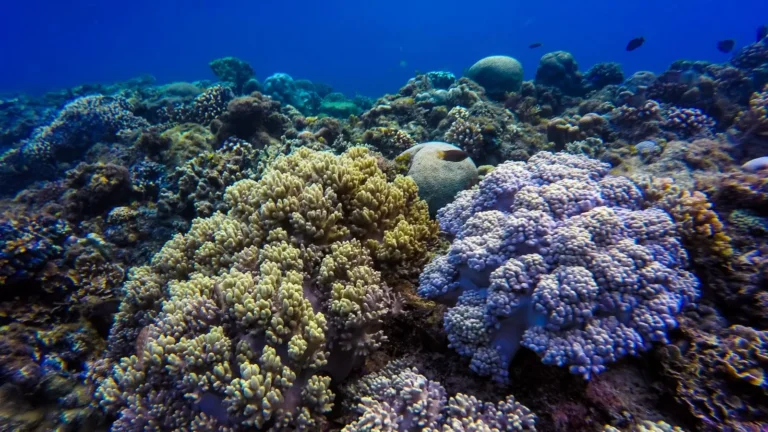
It is easy to think of corals as passive, but beneath their beauty lies a constant, slow-motion war. Corals compete fiercely for space and light, and they have evolved an arsenal of weapons to attack their neighbors: stinging sweeper tentacles that reach out at night, and chemical warfare waged through the water. A reefer who does not account for this aggression can wake up to find prized corals damaged or killed by a neighbor. Understanding how corals fight, and how to space and manage them, is essential to a peaceful reef. This guide explains coral aggression and how to prevent it from costing you colonies.
- Corals attack neighbors with stinging sweepers and chemicals.
- Space corals according to their full reach, not their footprint.
- Run carbon and good flow to dilute chemical warfare.
How Corals Fight
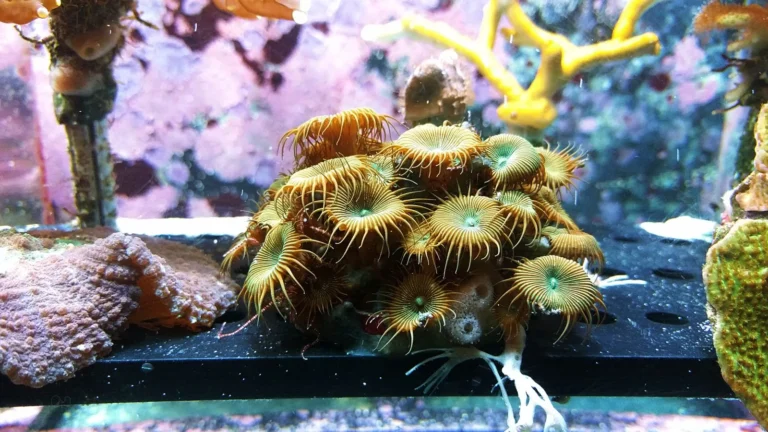
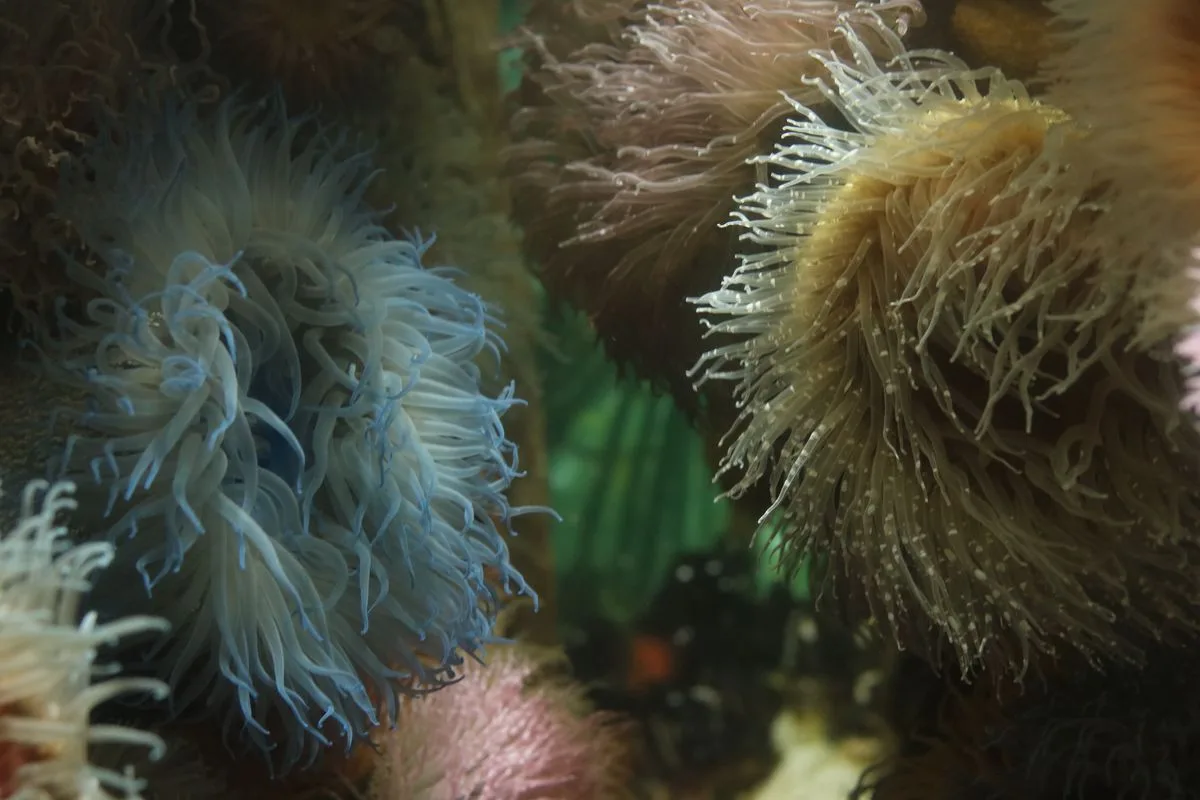
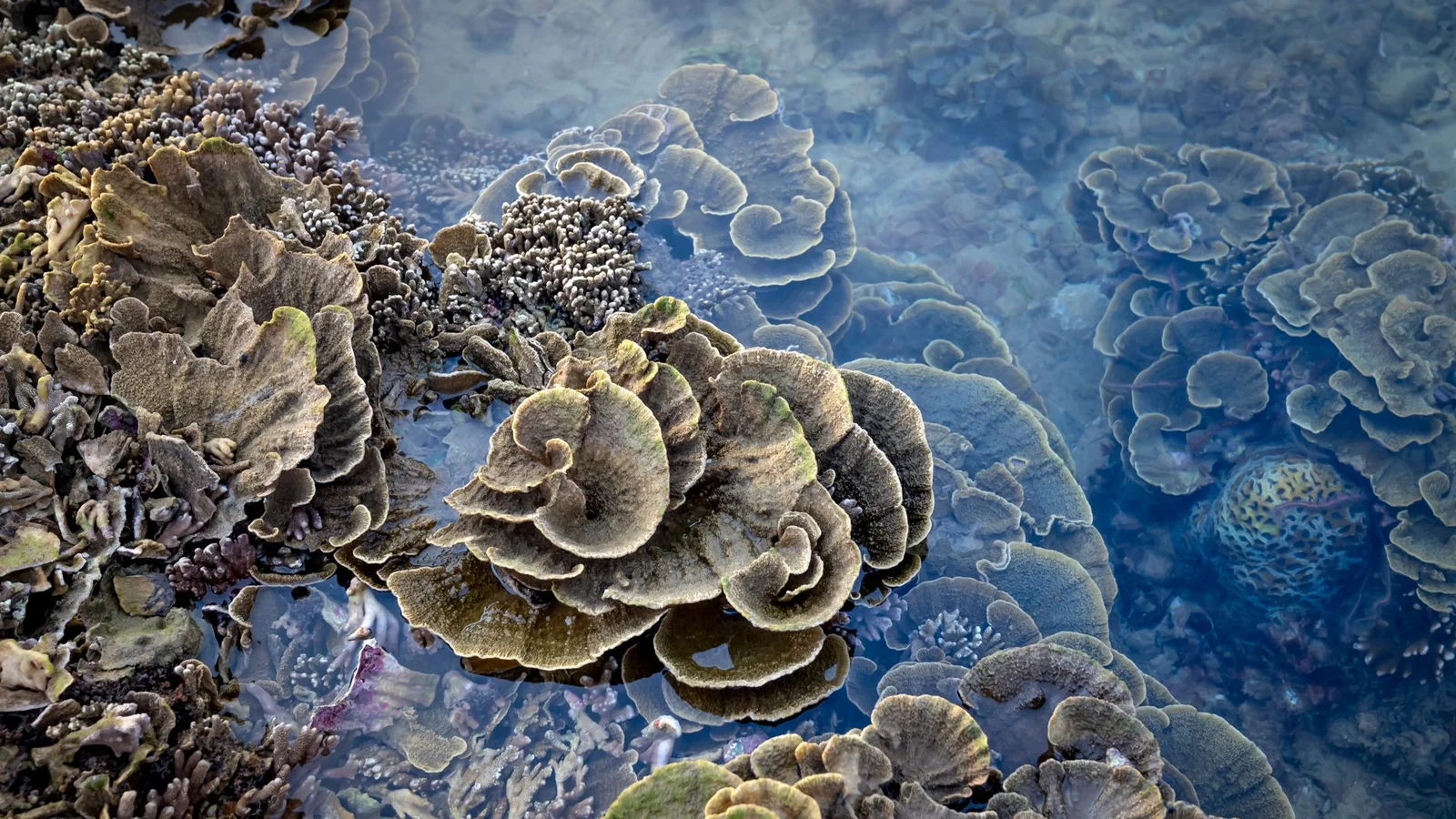
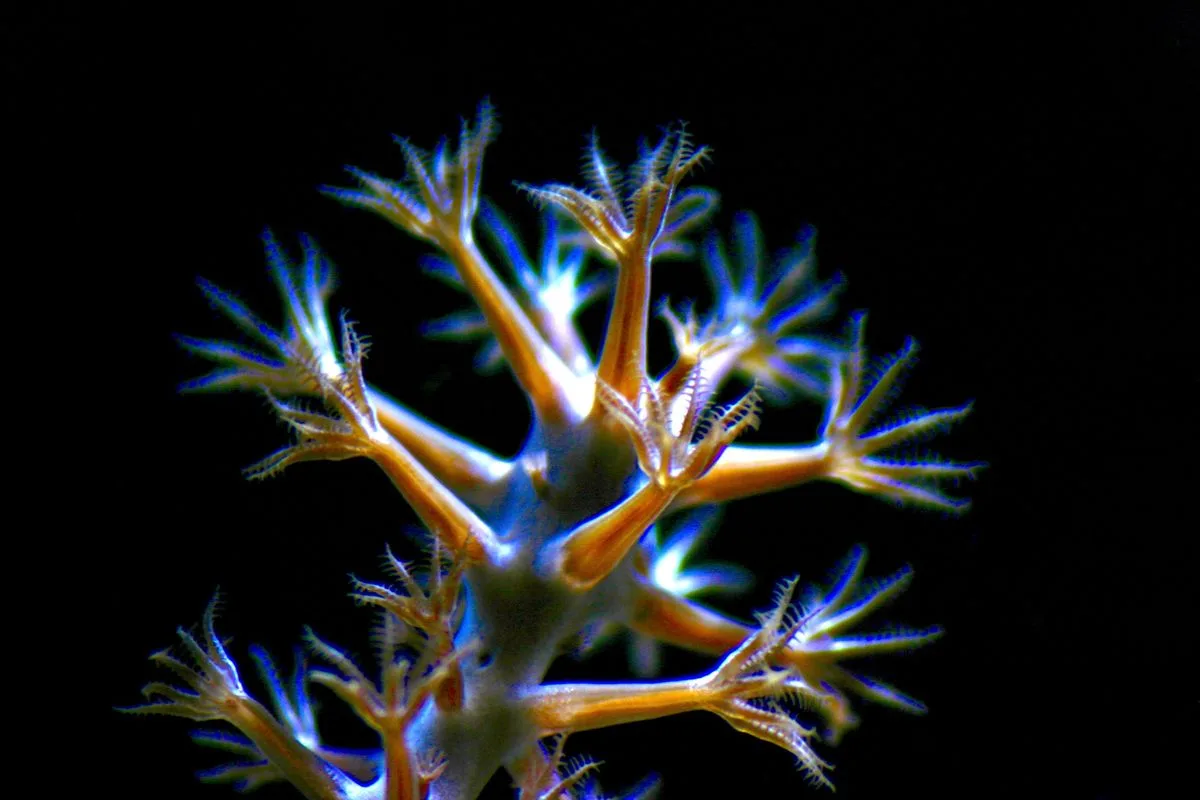
Corals compete for the limited real estate and light of a reef, and they fight to defend and expand their territory. Their primary weapon is the stinging cell, the same mechanism that captures food, deployed against rival corals. Many corals extend specialized sweeper tentacles, long, stinging tentacles that reach well beyond the coral’s normal outline, often emerging at night to attack anything within range. When these sweepers touch a neighboring coral, they sting and damage its tissue, and the victim, if it cannot fight back or is given no room, recedes or dies along the contested border. This physical aggression is silent, often nocturnal, and easy to miss until the damage appears.
Chemical Warfare
Beyond physical stinging, many corals wage chemical warfare, releasing compounds into the water that inhibit or harm rival corals at a distance. Soft corals in particular are known for this, exuding chemicals that can stunt or stress nearby stony corals even without direct contact. In the closed system of an aquarium, these compounds accumulate in ways they would not on an open reef, making chemical aggression a real concern in mixed tanks. This is one reason reefers run activated carbon and maintain good water flow and export, to dilute and remove these waterborne chemicals. Recognizing that corals fight chemically as well as physically explains why spacing alone is sometimes not enough.
Spacing for Peace
The primary defense against physical coral aggression is spacing, and the key is to account for a coral’s full reach rather than its resting size. Aggressive corals with long sweepers, such as certain LPS, can reach several inches beyond their visible outline, so they need a generous buffer from neighbors. When placing corals, picture the extended reach of each one at night and leave room accordingly, and remember that corals grow, closing gaps over time. Place known aggressors away from gentler corals, and position more peaceful or tougher species as buffers. Thoughtful spacing that anticipates both reach and growth prevents the border battles that otherwise unfold slowly and invisibly.
Managing a Mixed Reef
Keeping diverse corals together peacefully takes a combination of measures. Beyond spacing, run activated carbon and maintain strong water flow and export to dilute chemical aggression. Observe your corals at night, when sweepers extend, to catch conflicts you would never see by day. If two corals are warring, move one to give them room. Group corals thoughtfully, keeping aggressive species together or well isolated and giving sensitive ones a clear zone. Accept that some combinations simply do not coexist closely. With attentive spacing, good water management, and a willingness to rearrange, you can keep a richly mixed reef in which corals thrive side by side rather than slowly destroying one another.
Responding When Corals Are Already at War
Sometimes you discover the conflict after it has begun, with one coral visibly damaging another, and knowing how to respond limits the harm. The signs of an active sting war are usually clear: a coral showing torn or receding tissue on the side facing a neighbor, a colony that stays closed only where it abuts another, or sweeper tentacles visibly reaching toward and contacting a nearby coral, especially at night when many aggressive species extend their longest weapons.
The first move is almost always to create separation. Relocating the losing coral, the one taking damage, to a spot well away from its aggressor stops further injury and gives it room to recover. Because moving the aggressor often just shifts the battle to a new neighbor, repositioning the victim is frequently the cleaner solution, ideally to a zone where its light and flow needs are still met but no combatant is within striking range.
Assess and tend the damage once the corals are apart. A coral with minor tissue loss often heals on its own given stable conditions and time, regrowing over the affected area. More serious injury may benefit from a gentle coral dip to ward off secondary infection at the wound, and keeping the recovering coral in clean, steady water supports its healing. Watching the injured area over the following days tells you whether it is stabilizing or continuing to recede.
In severe cases, fragging ahead of the damage saves the colony. If aggression or the resulting infection is steadily killing a coral, cutting off the healthy portion well above the damaged tissue and remounting it elsewhere preserves the living part before the necrosis reaches it. This is a more drastic step, but for a valued coral losing ground, rescuing healthy tissue is far better than watching the whole piece succumb.
Every active conflict is also a lesson for future placement. Once you have separated the combatants and tended the wounds, note which coral overpowered which and use that knowledge to space and arrange your reef so the same pairing does not clash again. Reacting promptly to an ongoing war minimizes losses, and learning from each incident gradually teaches you the temperament of your particular corals, making a peaceful mixed reef easier to maintain over time.
Respect the Quiet War
Corals are quietly aggressive, fighting for space with stinging sweeper tentacles and chemical warfare that can damage neighbors before you notice. Defend against it by spacing corals for their full nighttime reach and future growth, keeping aggressors clear of gentle species, and running carbon and good flow to dilute waterborne chemicals. Watch your tank at night and rearrange when needed. Respect this hidden war and manage it deliberately, and your corals coexist and flourish rather than slowly waging battle across your rockwork.
Related reading
- Reef Tank Lighting Explained: PAR, Spectrum, and Photoperiod for Coral Growth
- Diagnosing a Sick Coral: Bleaching, STN, and RTN
- Adding Fish Without Aggression: Stocking Strategy
- Aquascaping a Reef Tank: Stability, Flow, and Coral Real Estate
Sources & further reading
Gear Worth Having for This
Heads up: the links below are Amazon affiliate links, and qualifying purchases support this site at no extra cost to you.
- Compare coral frag tools and dip on Amazon — Good frag tools and a proper coral dip protect the rest of your tank