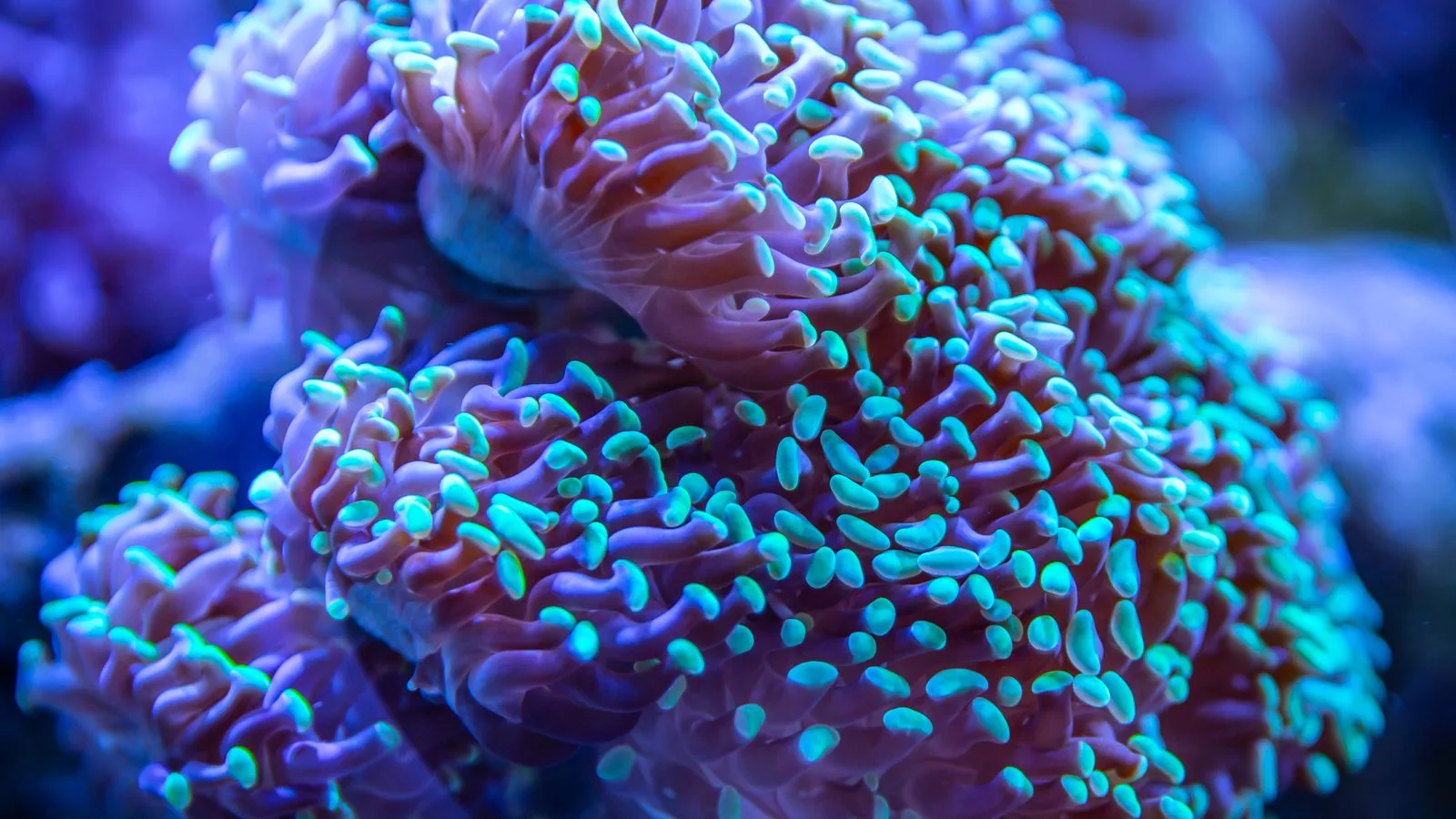
Keeping Euphyllia: Hammer, Torch, and Frogspawn Care
Among large-polyp stony corals, the Euphyllia family, hammer, torch, and frogspawn corals, stands out as some of the most beautiful and beginner-accessible showpieces in the hobby. Their long, flowing tentacles sway hypnotically in the current, they come in striking colors, and they are forgiving enough for a reefer stepping up from soft corals. They do have specific needs and a notably aggressive streak that demands respect in placement. This guide covers how to keep Euphyllia thriving, their light and flow preferences, feeding, and the spacing rules that keep their long sweeper tentacles from harming neighbors.
- Euphyllia are forgiving LPS ideal for stepping up from softies.
- They want moderate light and gentle-to-moderate flow.
- Give them wide spacing; their sweeper tentacles sting neighbors.
Meet the Euphyllia Family
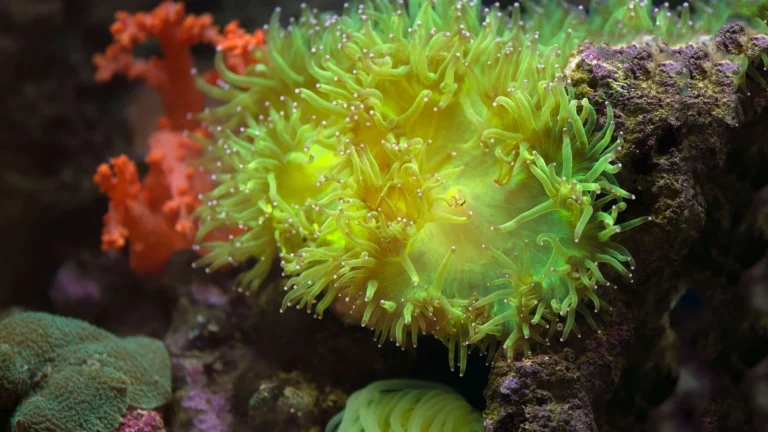
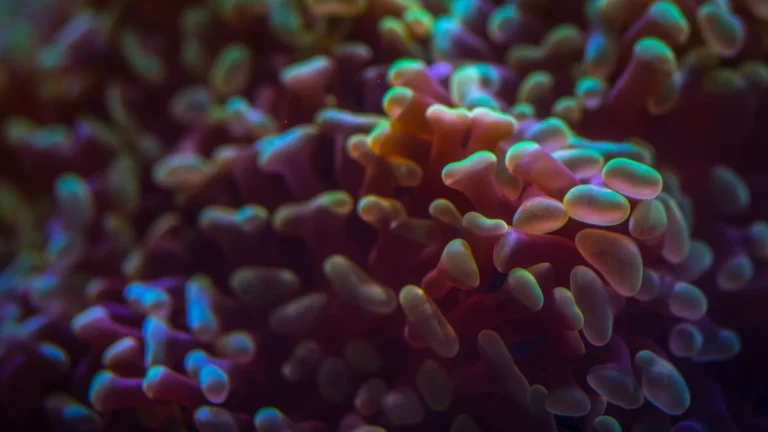
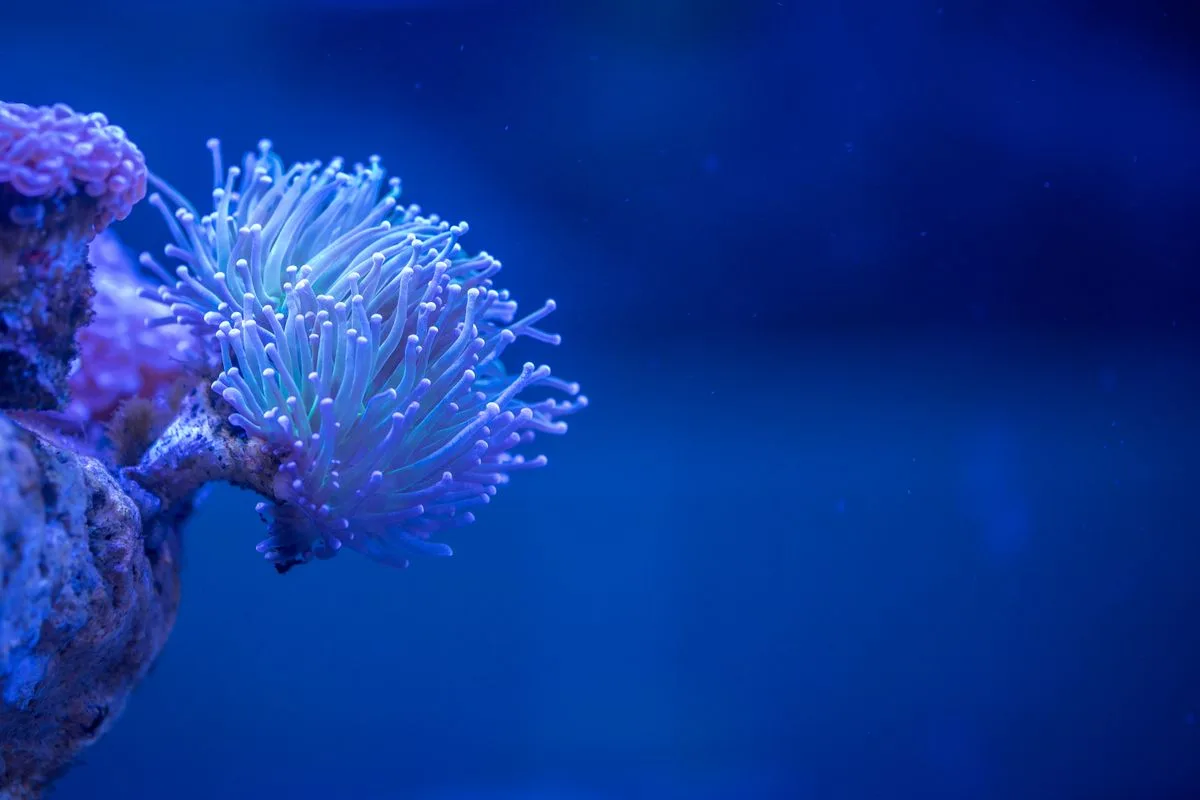
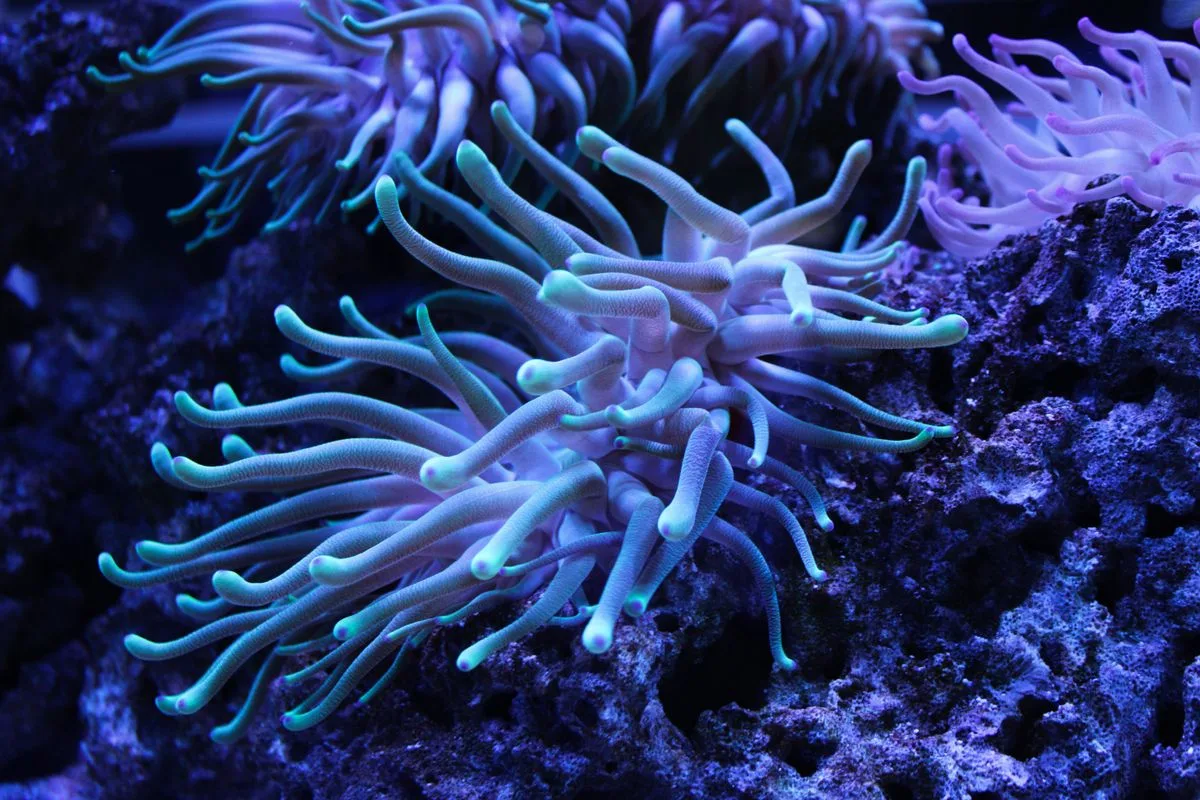
The Euphyllia genus includes several closely related corals named for the shape of their polyp tips: hammer corals end in hammer- or anchor-shaped tips, torch corals have long tubular tentacles tipped with a contrasting knob, and frogspawn corals branch into clusters resembling clumps of eggs. All share long, fleshy tentacles that flow dramatically in the current, creating constant movement that makes them centerpiece corals. They are large-polyp stony corals, so they build a skeleton and draw on calcium and alkalinity, but they are among the hardier and more forgiving LPS, which is why they are so often recommended as a first stony coral once a reefer has kept soft corals successfully.
Light and Flow
Euphyllia do best in moderate conditions. They want moderate light, neither the dim corners that suit some softies nor the intense upper-tank light that SPS demand, making the middle regions of the tank a natural home. For flow, they prefer gentle to moderate, indirect movement that makes their tentacles sway fully without being blasted; too much flow keeps them retracted and can tear their tissue, while too little leaves detritus settling on them. The sign you have it right is full, flowing tentacle extension. Place a new Euphyllia in a moderate spot, watch how it opens, and adjust position until it billows out contentedly in the current.
Feeding and Chemistry
Euphyllia get much of their energy from light through their symbiotic algae, but they respond well to feeding, which can boost growth and color. They will accept meaty foods like small pieces of marine fare target-fed to their tentacles, though they do not require frequent feeding to survive. As stony corals, they consume calcium and alkalinity to build skeleton, so keeping those parameters stable, particularly steady alkalinity, is important as your Euphyllia collection grows. They are forgiving of minor imperfections compared to SPS, but they still reward stability. A combination of moderate light, occasional feeding, and steady chemistry keeps Euphyllia healthy and encourages them to expand into impressive colonies.
Respecting Their Aggression
The one thing every Euphyllia keeper must respect is their aggression. These corals extend long sweeper tentacles, especially at night, that pack a powerful sting capable of damaging or killing neighboring corals they reach. This makes spacing critical: give Euphyllia generous room from other corals, accounting for the full reach of their extended sweepers, not just their daytime footprint. Interestingly, different Euphyllia species can sometimes be placed closer to one another than to unrelated corals, though caution still applies. When arranging your tank, treat Euphyllia as corals with a long defensive reach, leave them a buffer zone, and you avoid the slow-motion stinging battles that otherwise cost you neighboring colonies.
Watching for Brown Jelly and Tissue Recession
Euphyllia corals are rewarding but carry a particular vulnerability that every keeper should recognize early: they are prone to a fast-moving affliction commonly called brown jelly. It appears as a slimy, brownish film that spreads across the coral’s flesh, dissolving tissue as it goes, and it can consume a healthy-looking head within days if ignored. Knowing what it looks like, and acting at the first sign, is often the difference between losing a single head and losing the whole colony.
Brown jelly tends to take hold after the coral has been stressed or injured. Rough handling, a fragging cut, a sting from a neighbor, a sudden parameter swing, or a piece of debris lodging in the tissue can all open the door. Because physical damage is such a common trigger, handling euphyllia gently, securing them so they do not get knocked around in flow, and giving them space from aggressive neighbors are the best forms of prevention.
When brown jelly appears, prompt isolation and cleaning give the coral its best chance. Removing the affected piece, gently blowing or siphoning away the jelly, and in some cases doing a coral dip can halt the spread, especially if you separate the affected head before the infection reaches the rest of the colony. Acting quickly and decisively matters far more than any single technique, because the condition advances rapidly.
Tissue recession is a slower but related warning. A euphyllia that gradually pulls back from the tips of its skeleton, exposing bare white branches, is telling you something in its environment is wrong, whether unstable chemistry, poor placement, irritation, or inadequate feeding. Catching recession early and correcting the underlying cause, rather than waiting to see if it stops on its own, often lets the coral stabilize before it loses too much flesh.
The reassuring news is that a healthy, well-placed euphyllia in stable water is generally robust and not constantly at risk. These problems cluster around stress and injury, so the keeper who handles them gently, gives them room, keeps the chemistry steady, and watches for the first hint of trouble will usually enjoy these flowing, vibrant corals for years. Vigilance, not anxiety, is what keeps a euphyllia collection thriving.
Flowing Beauty With Boundaries
Euphyllia corals, hammer, torch, and frogspawn, offer flowing, colorful beauty and a forgiving nature that makes them ideal first stony corals. Give them moderate light and gentle flow, stable alkalinity and the occasional feeding, and they thrive and expand. Just respect their long, stinging sweeper tentacles by spacing them generously from other corals. Meet their modest needs and their one boundary, and Euphyllia reward you with some of the most mesmerizing movement and color a reef can offer.
Related reading
- Auto Top-Off Systems: Keeping Salinity Stable Automatically
- Zoanthids and Palythoa: Care, Color, and Safety
- Clownfish Care: Hosting, Pairs, and Anemone Myths