Coral Placement: Light and Flow Zones in Your Tank
Where you place a coral in your tank matters almost as much as which coral you choose. Every reef has zones, brighter near the top and dimmer below, stronger flow in some areas and calmer in others, and each coral evolved to thrive in a particular combination of the two. Put a low-light soft coral under blazing SPS lighting, or a flow-loving coral in a dead spot, and it will struggle no matter how good your water is. Learning to read the light and flow zones in your own tank and matching each coral to the right spot is one of the most rewarding skills in reefkeeping.
- Place corals by their light and flow needs, not just looks.
- High light and flow belong up top, gentler conditions below.
- Give corals room to grow and avoid stinging neighbors.
Reading Your Tank’s Zones
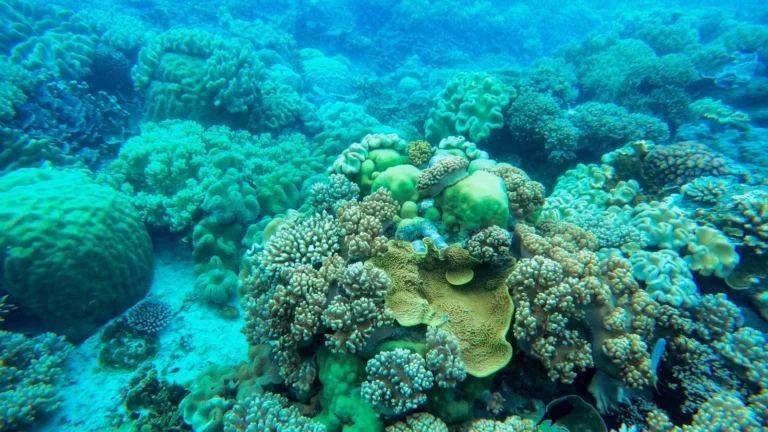
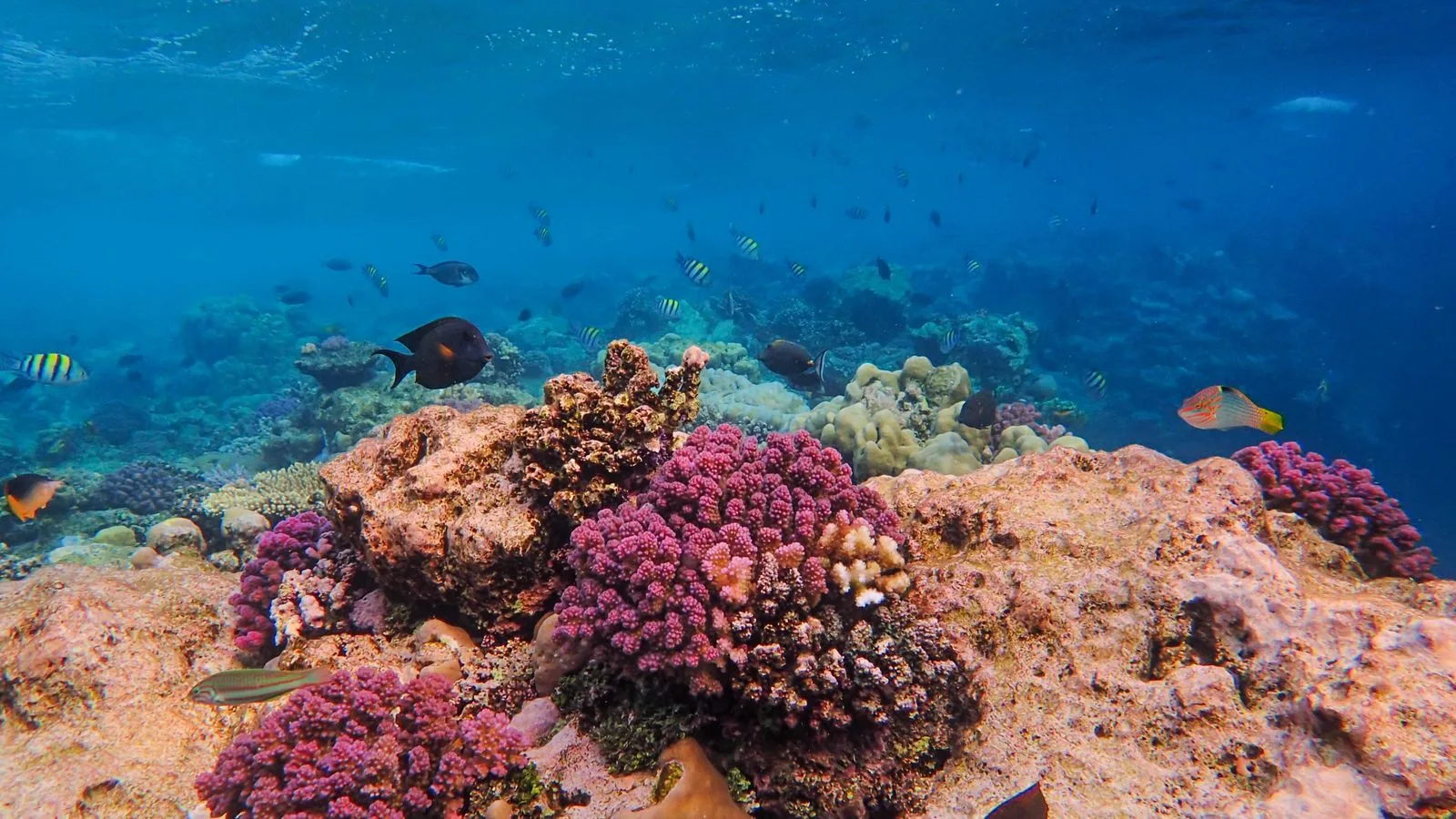
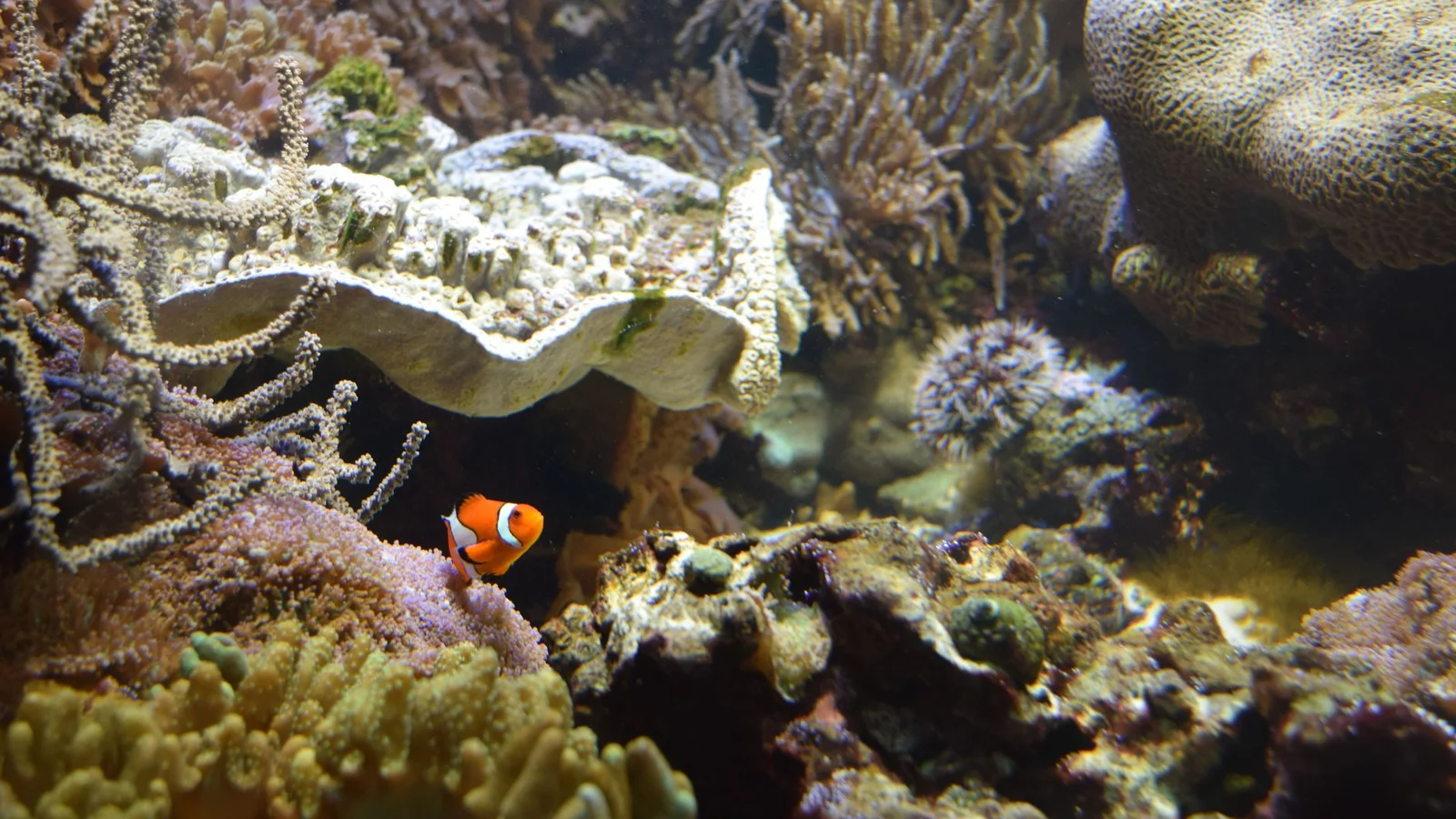
Before placing anything, get to know the conditions in different parts of your tank. Light is most intense directly under the fixture and near the surface, fading as you move down and toward the shaded edges and overhangs. Flow varies with the position of your powerheads, strong in their direct path, turbulent where streams collide, and weak in corners and behind rock. Spend time watching how detritus moves to find the dead spots and the high-flow lanes. Once you understand this map of brightness and current, you can place each coral where its natural preferences are met, which is the foundation of healthy placement.
Matching Corals to Light
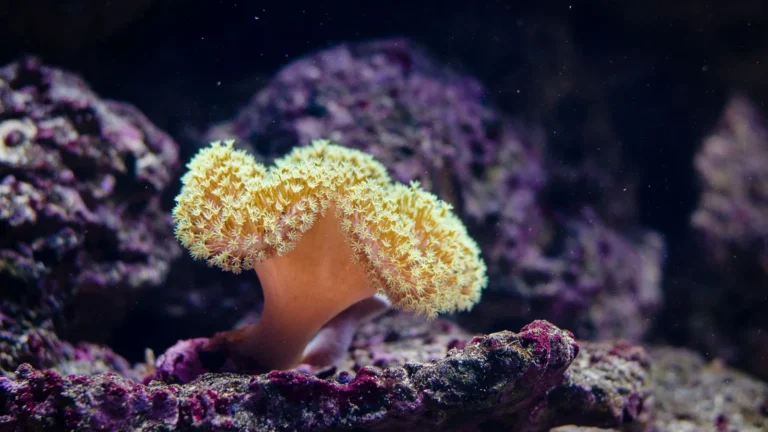
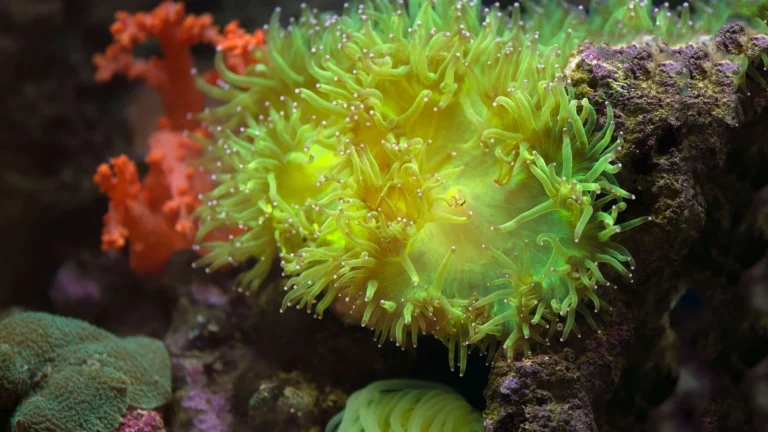
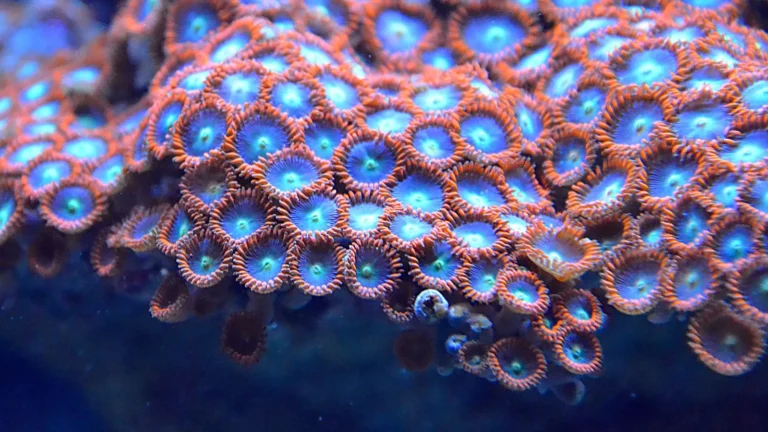
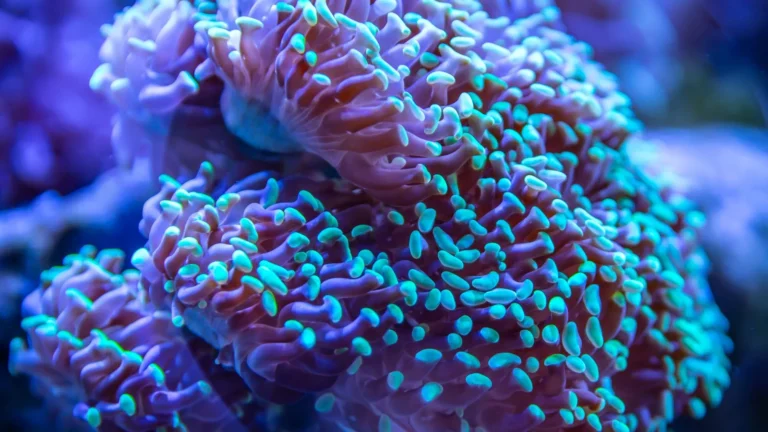
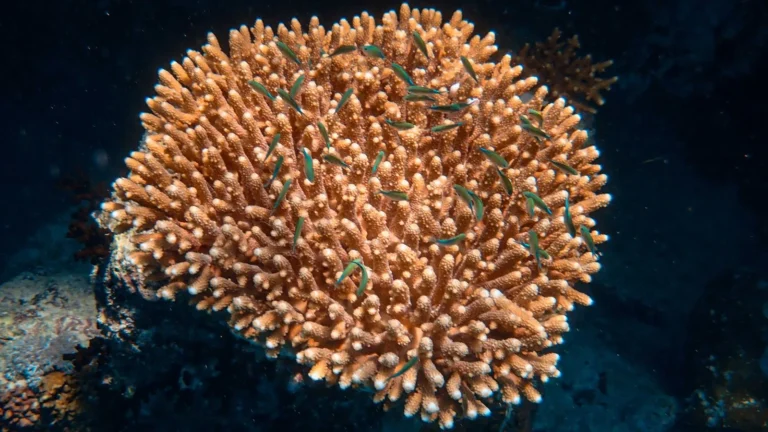
Different corals want very different light levels. Soft corals like mushrooms and many zoanthids prefer lower to moderate light and do well in the middle and lower regions or shaded spots. LPS corals generally want moderate light, sitting comfortably in the mid regions. SPS corals demand the most intense light and belong high in the tank, directly under the fixture. The chart below maps coral groups to light and flow zones. When in doubt, start a coral lower and move it up gradually if it looks like it wants more, since acclimating a coral upward into brighter light is safer than shocking it with too much at once.
Matching Corals to Flow
Flow delivers food and oxygen and carries away waste, but the right amount varies by coral. LPS corals with fleshy polyps prefer moderate, indirect flow; too much current shreds their tissue or prevents full extension. SPS corals thrive in strong, turbulent flow that keeps their dense branches clean. Soft corals are generally flexible but dislike being blasted directly. Aim for flow that gently sways the coral and keeps detritus from settling on it, without pinning its tissue back. Observe each coral after placement: good flow shows as natural movement and full polyp extension, while wrong flow shows as closed polyps or irritated tissue.
Spacing and Growth
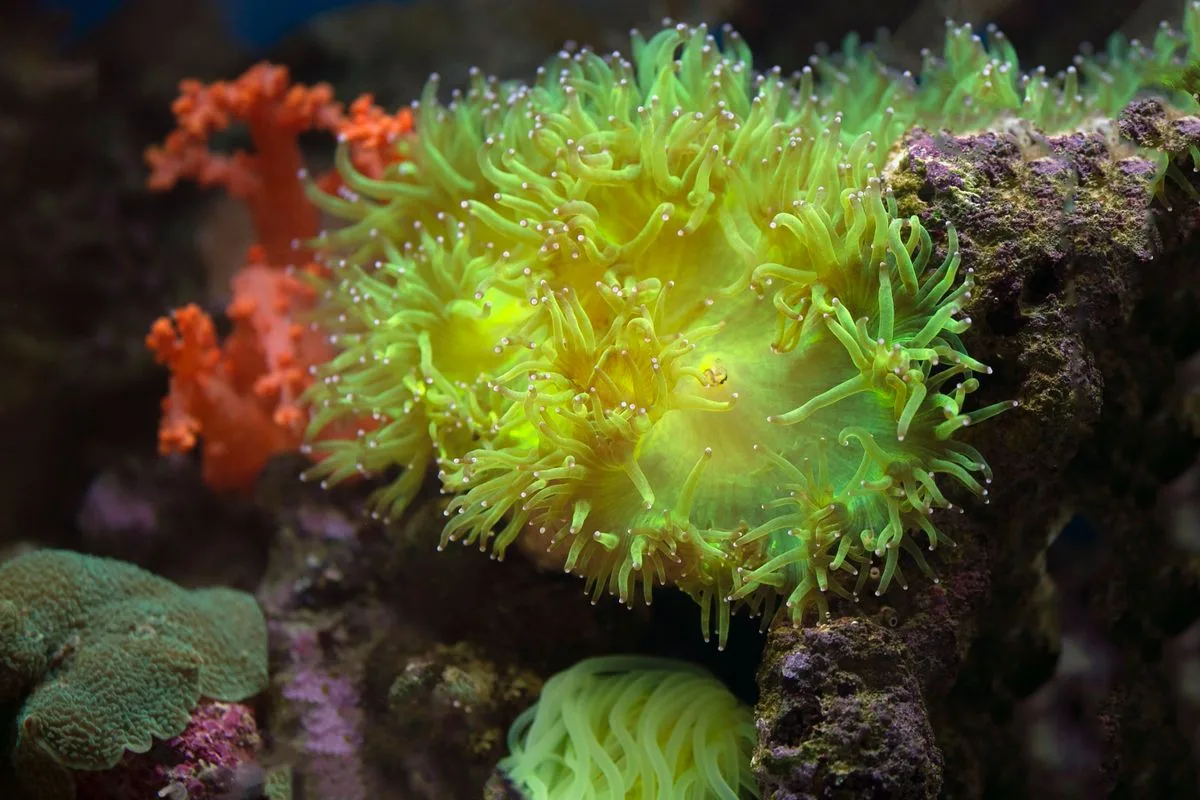
Placement is not just about light and flow but about the future. Corals grow, and many wage chemical and physical warfare on neighbors that crowd them, extending stinging sweeper tentacles at night. Leave generous space between colonies, especially between aggressive corals and gentler ones, so they have room to expand without touching. Consider the mature size of each coral, not its current frag size, and avoid placing a fast grower where it will soon overshadow a slower neighbor. Thoughtful spacing prevents the slow-motion battles that otherwise cost you corals months after everything looked perfectly arranged.
Adjusting Placement as the Tank Changes
Coral placement is not a one-time decision but an ongoing relationship, because both the corals and the tank around them keep changing. A frag that fits perfectly today will grow, and as it does it can shade the corals behind it, block flow, or expand into a neighbor’s space. Thinking of your aquascape as a living arrangement rather than a finished display helps you anticipate these shifts and move pieces before crowding turns into open conflict.
Growth is the most predictable change. A small frag placed in a gap will, over months, fill that gap and then keep going. Corals that branch or encrust can overtake slower neighbors, and a fast grower near the top of the rockwork can cast a widening shadow over everything below it. Periodically stepping back to assess which corals are starting to shade or crowd others, and relocating or fragging as needed, keeps the whole reef well lit and well fed.
Equipment and tank changes shift the zones too. Swapping a light fixture, repositioning a powerhead, or even cleaning a pump that had gradually clogged can change the light and flow a given spot receives. A coral that thrived in one set of conditions may suddenly find itself in brighter light or stronger current. After any such change, watch your corals for a week or two and be ready to nudge placements to keep each one in its comfortable zone.
When you do move a coral, do it gradually rather than dramatically. Shifting a light-loving coral from deep shade straight into the brightest spot can shock it, so step it up over days. The same patience applies to flow. Corals adapt readily to slow changes and poorly to sudden ones, so treat repositioning as a series of small adjustments. Managed this way, ongoing placement becomes a routine part of reef-keeping rather than a disruptive overhaul, and it keeps a maturing tank looking intentional instead of overgrown.
Keeping a loose map of what is planted where, and how each piece is doing, makes these ongoing adjustments far easier. When you can see at a glance which corals are growing fast, which are getting shaded, and which have outgrown their spot, repositioning becomes a deliberate gardening task rather than a reactive scramble. A reef tended this way matures gracefully, with each coral holding the light and flow it needs as the whole system fills in.
Right Coral, Right Spot
Great-looking reefs are built by placing each coral where its light and flow needs are met, then leaving room to grow. Learn your tank’s bright and dim regions and its strong and weak currents, match corals to those zones, and space aggressive species apart. Get placement right and corals reward you with full extension, vivid color, and steady growth, turning a collection of frags into a thriving, harmonious reef.
Related reading
- Aquascaping a Reef Tank: Stability, Flow, and Coral Real Estate
- Reef Tank Lighting Explained: PAR, Spectrum, and Photoperiod for Coral Growth
- Coral Coloration: Light, Nutrients, and the Science of Pop
- Powerheads and Flow: Designing Water Movement in a Reef Tank