Gobies and Blennies: Small Fish With Big Personalities
Not every reef needs big, flashy fish to be full of life. Some of the most engaging inhabitants are the small gobies and blennies that perch on rocks, dart between crevices, and bring outsized personality to even the tiniest tanks. They stay small, are largely peaceful and reef-safe, and many earn their keep by sifting sand or grazing algae. For nano keepers especially, these little fish are perfect, packing charm and function into a small footprint. This guide explores what makes gobies and blennies such great reef fish, how to choose among them, and how to keep them happy.
- Gobies and blennies stay small and suit nano tanks.
- Many are peaceful, reef-safe, and full of character.
- Provide hiding spots and a secure lid to keep them happy.
Why Small Fish Shine
Gobies and blennies prove that personality has nothing to do with size. These fish perch openly on rocks and sand, watching the tank with expressive faces, and many display fascinating behaviors, hovering, darting, sand-sifting, or comically guarding a chosen spot. Because they stay small and are generally peaceful and reef-safe, they fit tanks of nearly any size, including nanos where larger fish would be inappropriate. They also tend to be hardy and readily eat prepared foods. For reefers who want active, characterful fish without the space demands and aggression of bigger species, gobies and blennies are an ideal choice that never feels like a compromise.
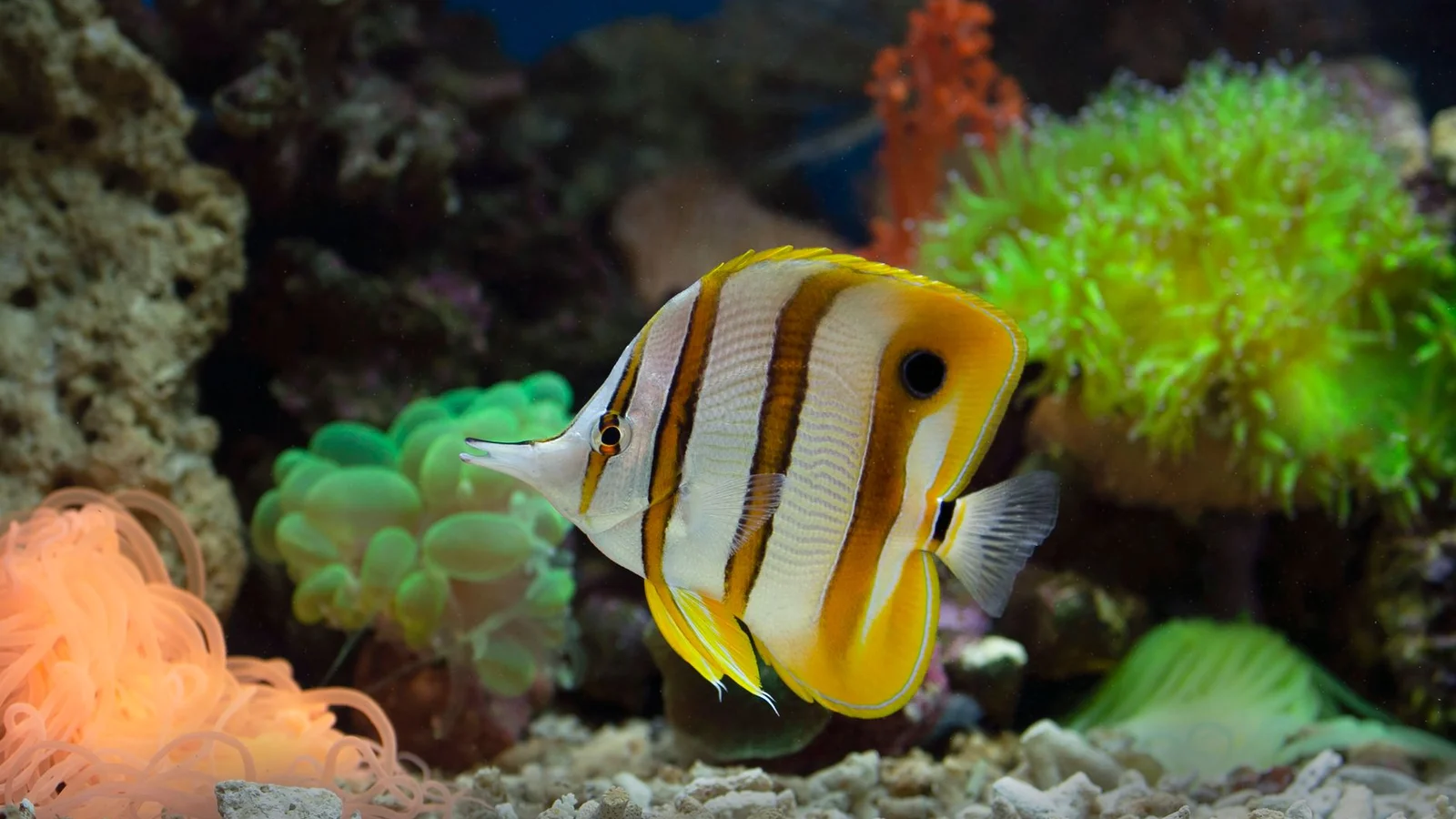
Popular Gobies
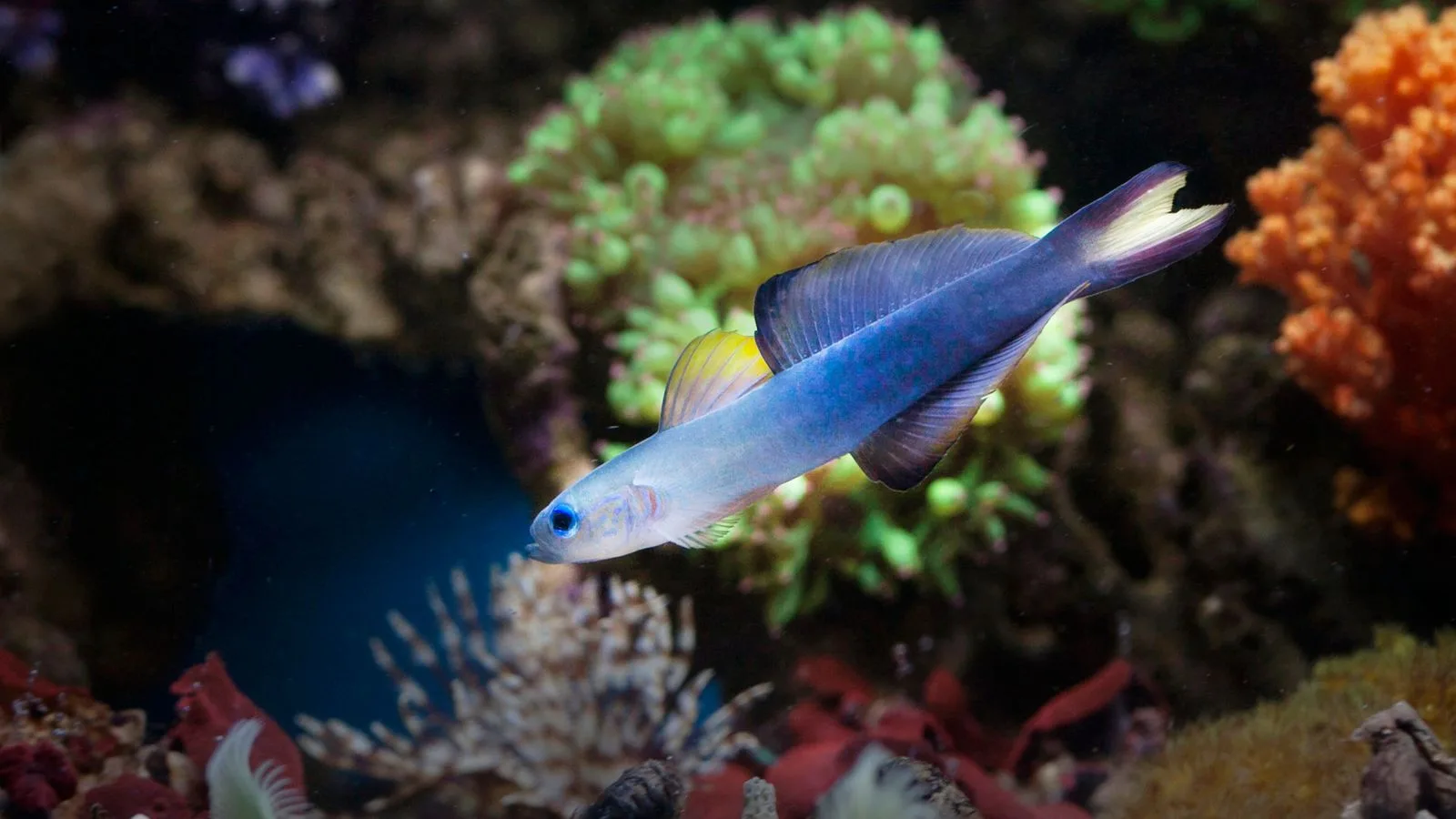
Gobies span a wonderful range of forms and functions. Watchman gobies pair famously with pistol shrimp, sharing a burrow in one of the reef’s best symbioses, and they help sift the sand. Clown gobies are tiny and perch among coral branches with bold charm. Sand-sifting gobies keep the substrate clean by constantly processing mouthfuls of sand, though they need an established tank with enough sand fauna to sustain them. Many gobies are bottom-dwellers that claim a small territory and rarely bother tankmates. Choosing a goby often means choosing a behavior you want to watch, whether it is a shrimp partnership, coral perching, or busy sand sifting.
Popular Blennies
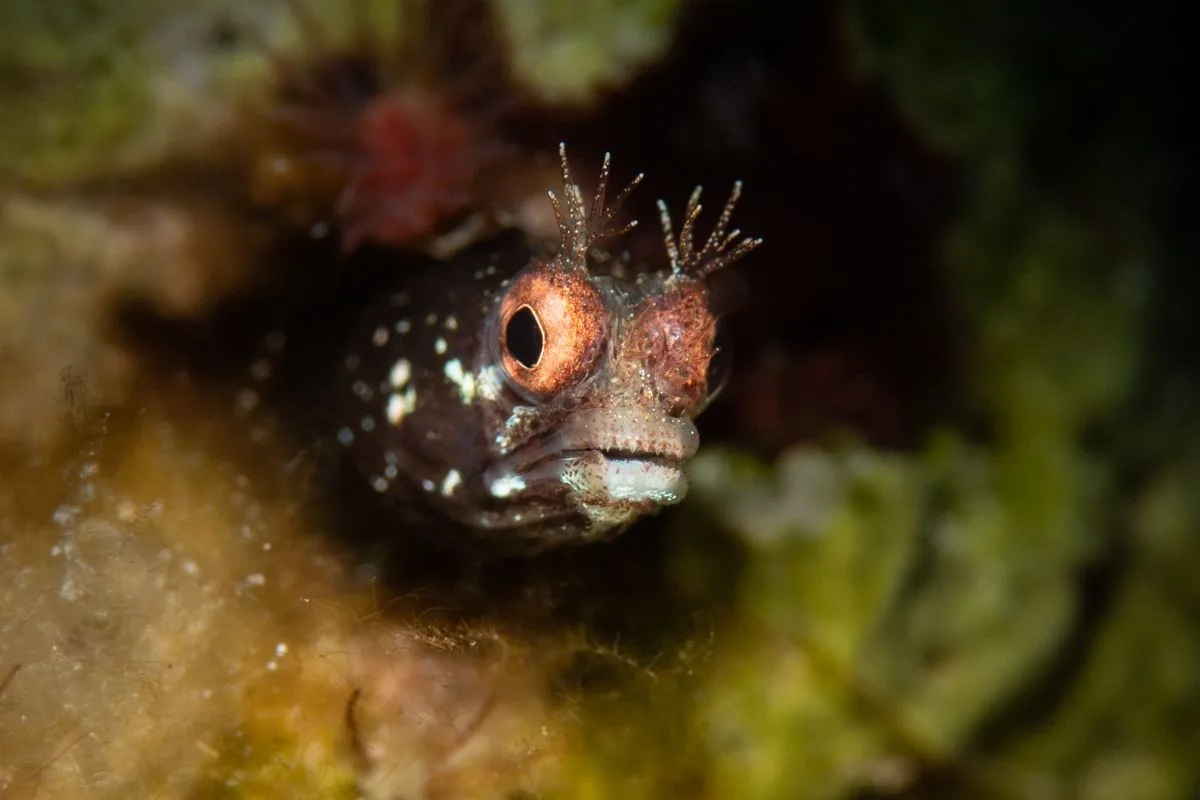
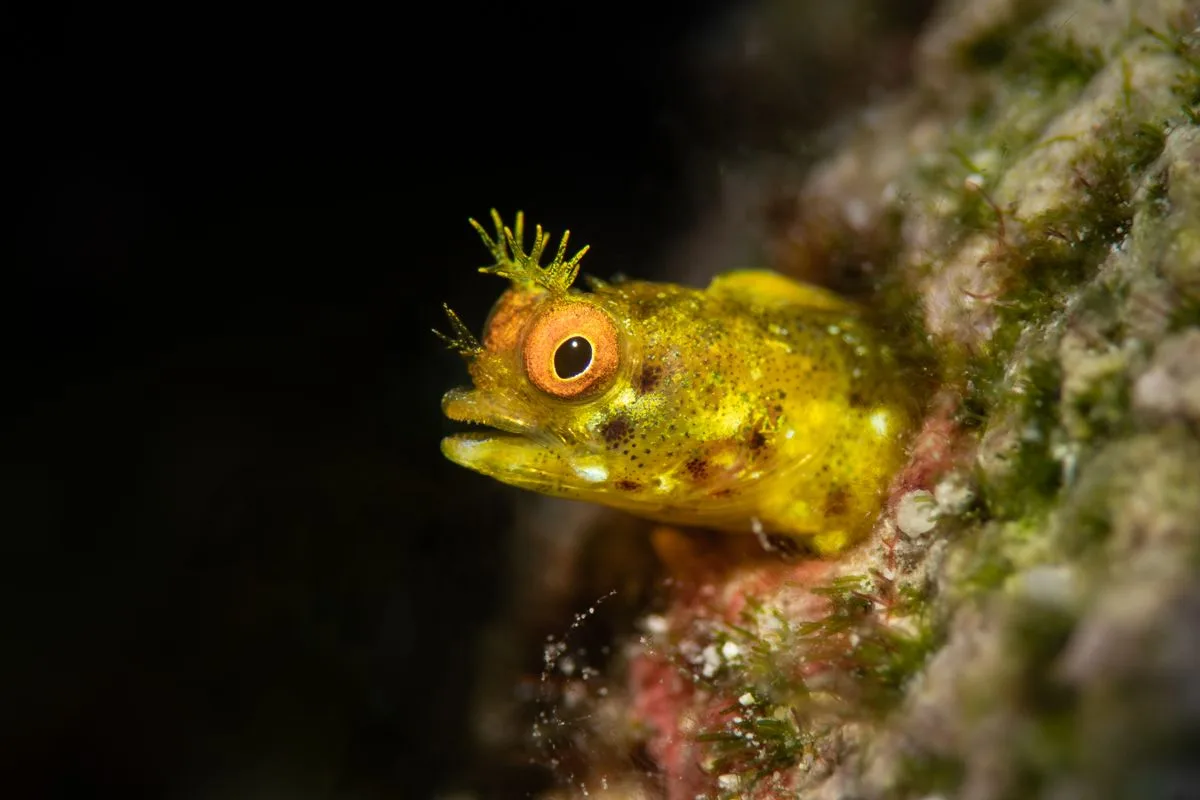
Blennies bring their own brand of character, often with comical, big-eyed faces and a habit of wedging into holes with just their heads poking out. Many blennies are algae grazers, picking at film algae on rock and glass, which makes them functional as well as fun, though they should not be relied on as the sole algae control and need supplemental feeding. Some species can be a little territorial toward similar-looking fish but are generally peaceful in a community. Their perching, peering, and grazing make blennies endlessly watchable. As with gobies, picking a blenny is often about the personality and the job, algae grazing or simply comic relief, you want in the tank.
Keeping Them Happy
Gobies and blennies have a few simple needs. Most importantly, provide plenty of rockwork with crevices and hiding spots, since these fish feel secure with a retreat and many claim a specific perch or hole. A secure lid is essential, as gobies in particular are prone to jumping when startled, a common and avoidable cause of loss. Feed a varied diet appropriate to the species, remembering that grazers still need supplemental food and sand-sifters need an established system. Keep only one of similar-looking species unless the tank is large, to avoid territorial squabbles. Meet these modest needs and these small fish thrive for years.
Jumping, Lids, and Keeping Small Fish Secure
For all their charm, gobies and many blennies share one dangerous habit that catches new keepers off guard: they jump. Startled by a sudden movement, harassed by a tankmate, or simply exploring, these small fish can launch themselves clear out of an open tank, and a goby found dried on the floor is a sadly common and entirely preventable loss. Recognizing this tendency is the first step to keeping them safe.
A secure lid or screen top is the simple, essential solution. Covering the tank with a mesh screen or a glass lid removes the risk almost entirely while still allowing light and gas exchange, and a mesh top in particular lets you run open-top lighting without sacrificing safety. Closing off the gaps around overflows, returns, and cords matters too, since a determined small fish can slip through a surprisingly small opening.
Jumping is often a symptom of stress, so reducing stress reduces jumping. A goby or blenny that is being chased by an aggressive tankmate, kept in a tank without enough hiding spots, or startled by activity around the tank is far more likely to bolt. Providing plenty of rockwork crevices, choosing peaceful tankmates, and keeping the surrounding environment calm all help these fish feel secure enough to stay put.
Some of these fish have specific needs that affect how you keep them. Certain gobies pair naturally with pistol shrimp in a fascinating symbiosis, others are dedicated sand sifters that need a sand bed to be happy, and many blennies graze algae and need enough of it or supplemental feeding. Matching the species to your tank’s setup, and to its tankmates, ensures the fish settles in rather than feeling out of place and stressed.
Get the basics right and small fish become some of the most rewarding residents in the hobby. With a secure top to prevent jumps, a calm tank with ample hiding spots, and conditions suited to the particular species, gobies and blennies show off the bold personalities and constant activity that make them such favorites. Their small size belies how much character they add, provided you keep them safely in the water where they belong.
Big Personality, Small Package
Gobies and blennies deliver some of the most personality per inch in the reef hobby, perfect for nano tanks and beloved in larger ones. Peaceful, reef-safe, and often functional as sand-sifters or algae grazers, they ask only for hiding spots, a secure lid, and proper feeding. Choose the species whose behavior delights you, meet its simple needs, and you gain a charming, characterful little fish that proves a reef does not need big inhabitants to be endlessly entertaining.
Related reading
- Adding Fish Without Aggression: Stocking Strategy
- Feeding Saltwater Fish: Frozen, Pellets, and Schedules
- Adding Your First Fish: Stocking Order for a New Reef Tank
- Reef-Safe Fish: What “Reef Safe” Really Means