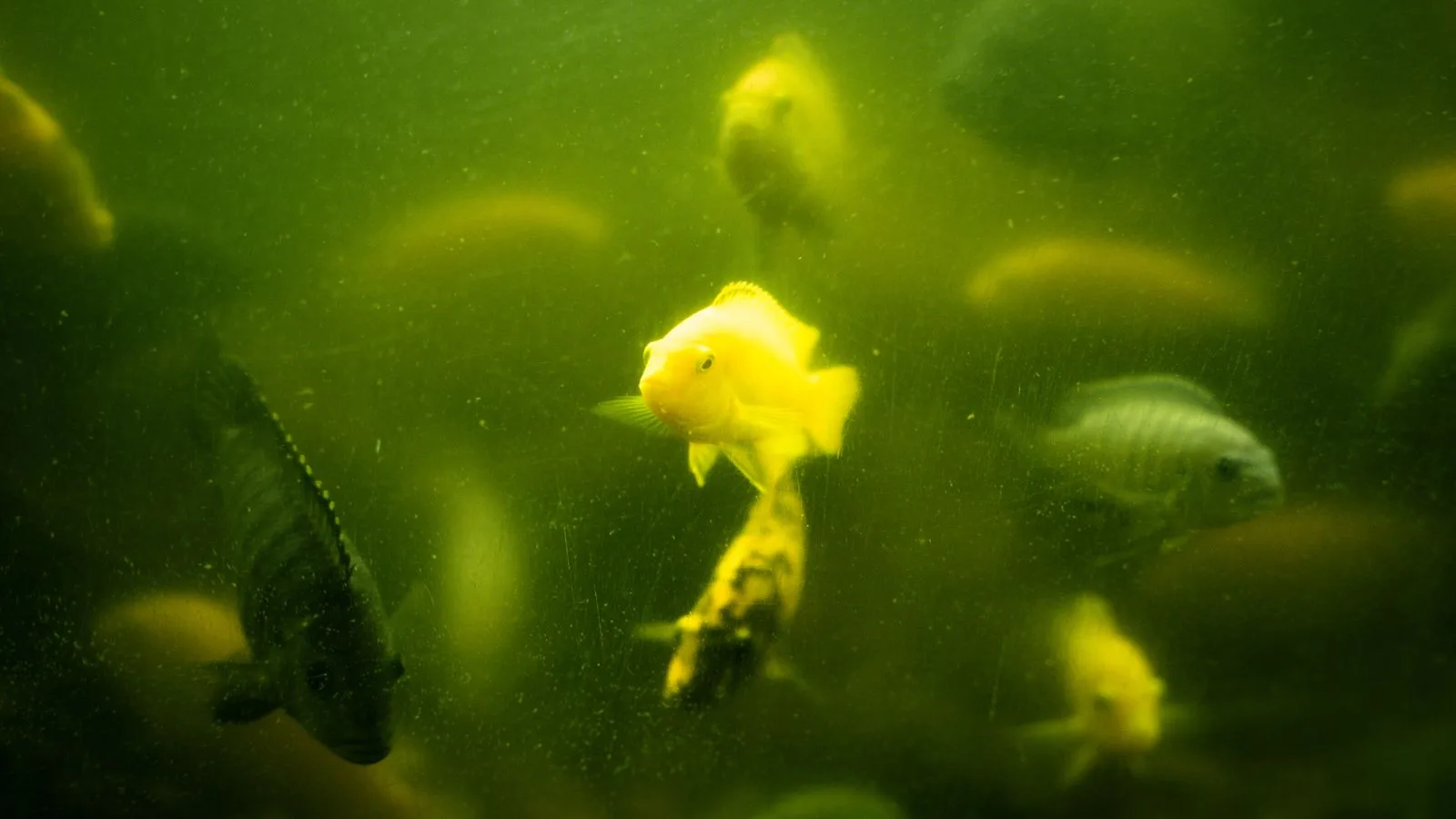
Why Is My Reef Tank Water Cloudy? Causes and Cures
Few things rattle a new reefer like waking up to a tank that has turned hazy or milky overnight. Cloudy water looks alarming, but it is usually a symptom with a handful of identifiable causes, most of them harmless and self-correcting once you understand what is happening. The trick is to diagnose the type of cloudiness, since a bacterial bloom, stirred-up sand, and a chemical precipitation each look a little different and call for a different response. This guide walks through the common causes of cloudy reef water, how to tell them apart, and what to do, and not do, about each.
- Most cloudiness is a harmless, temporary bacterial bloom.
- Identify the cause before reacting, and avoid overcorrecting.
- Patience and steady husbandry clear most cases.
Bacterial Blooms
The most common cause of sudden cloudiness, especially in newer tanks, is a bacterial bloom: a population explosion of free-floating bacteria that gives the water a whitish, milky haze. It typically follows a spike in available nutrients, after adding livestock, overfeeding, or disturbing the substrate, and it is essentially harmless. The bloom clears on its own within a few days to a week as the bacteria consume the available food and their numbers crash back down. The worst thing you can do is panic and start changing everything; the bloom is a temporary imbalance that resolves itself with patience and normal, steady husbandry.

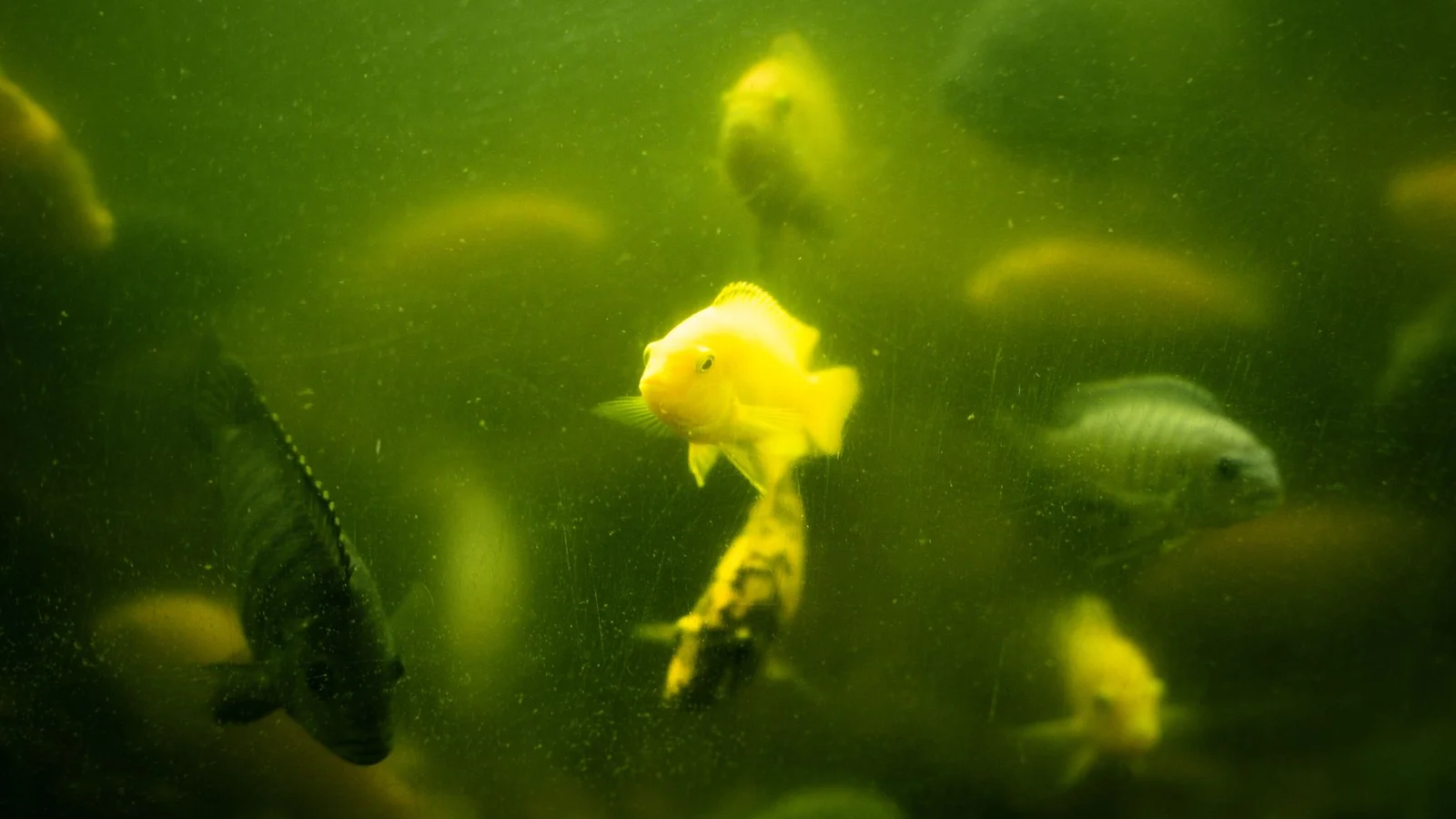
Physical Cloudiness
Sometimes the haze is simply suspended particles rather than bacteria. Fine sand stirred up by adding rock, moving a powerhead, or a digging fish can cloud the water until it settles. Newly added dry sand or aragonite is a frequent culprit, releasing dust that takes time to clear. This kind of cloudiness usually looks more like fine sediment than a milky bloom, and it settles or gets removed by your filtration within hours to a day. Improving mechanical filtration temporarily, such as running a filter sock or floss, speeds the clearing. Unlike a bloom, physical cloudiness clears as particles settle rather than as a population dies back.
Chemical Cloudiness
Less commonly, cloudiness comes from a chemical reaction. Dosing too much of a supplement too quickly, particularly calcium or alkalinity, can cause a precipitation that whitens the water as fine particles form. Adding certain additives or mixing incompatible doses can do the same. The fix is prevention: dose slowly, never add large amounts of two-part supplements at the same time or in the same spot, and follow recommended rates. If a precipitation does occur, it usually clears as the particles settle or get filtered out, but it is a sign to review your dosing routine, since the underlying overcorrection can also throw your parameters off.

Diagnosing and Responding
To respond well, first identify the type. A milky, uniform haze in a newer tank that appeared after feeding or stocking is almost certainly a harmless bacterial bloom, so wait it out. A sediment-like cloud after disturbing the substrate is physical and will settle. A sudden whitening right after heavy dosing points to chemical precipitation. In nearly every case, the right response is patience plus steady, normal husbandry: keep up modest water changes, ensure good flow and filtration, and avoid the urge to overcorrect. Resist dumping in clarifiers or making drastic changes, which usually cause more instability than the cloudiness itself ever would.
Preventing Cloudiness Before It Starts
Most episodes of cloudy water are easier to prevent than to cure, and a handful of habits keep the tank clear from the outset. The first is rinsing your sand thoroughly before it ever goes in. New aquarium sand carries fine dust that will hang in the water column for hours or days if added dry, so rinsing it until the runoff is clear spares you a frustrating haze right at setup. The same care applies to anything dusty you add later.
Letting filtration mature before you stock heavily is the next safeguard. A bacterial bloom, the milky cloudiness that often appears in young tanks, happens when there is more dissolved organic food than the established bacteria can process, so they multiply explosively in the water column. Cycling fully, stocking gradually, and feeding lightly while the tank is young all keep the bioload within what the biological filter can handle, which denies blooms the surplus they feed on.
Gradual change in general prevents the chemical and biological upsets that cloud water. Swapping out too much water at once, overdosing additives, disturbing a deep sand bed, or making big swings in any parameter can all trigger a haze. Doing things in measured steps, dosing only what testing tells you the tank needs, and avoiding the urge to fix everything at once keeps conditions stable enough that the water stays clear.
Good mechanical filtration and flow round out prevention by catching fine particles before they accumulate. A filter sock, floss, or a fine sponge polishes out suspended detritus, while strong, well-distributed flow keeps debris in suspension long enough to be captured rather than settling into clouds when disturbed. Combine clean source water, a mature filter, gradual changes, and decent mechanical polishing, and cloudy water becomes a rare event rather than a recurring frustration, usually signaling a specific disturbance you can quickly trace and correct.
When cloudiness does appear despite your best efforts, treat it as information rather than an emergency. The color and timing usually point straight to the cause: a milky haze suggests a bacterial bloom, a fine even cloud suggests stirred-up particulate, and a sudden change after dosing suggests a chemical reaction. Reading those clues lets you respond to the actual problem, and in most cases simply maintaining stability while the tank rebalances clears the water within a few days.
Diagnose First, Then Be Patient
Cloudy reef water looks worse than it usually is. Identify whether you are seeing a bacterial bloom, settling particles, or chemical precipitation, and match your response to the cause, which most often means simply waiting while maintaining steady husbandry. Avoid overreacting, review your dosing if a precipitation occurred, and let your filtration and patience do the work. In the large majority of cases the water clears on its own and the tank is none the worse for it.
Related reading
- Powerheads and Flow: Designing Water Movement in a Reef Tank
- Reef Tank Water Parameters: The Complete Target Range Guide
- Reef Tank Lighting Explained: PAR, Spectrum, and Photoperiod for Coral Growth
- Aquascaping a Reef Tank: Stability, Flow, and Coral Real Estate