Cleaning Reef Equipment: Skimmers, Pumps, and Probes
Reef equipment works hardest when you notice it least, but that invisibility is also its danger: a skimmer, pump, or probe slowly clogged with buildup keeps appearing to run while actually performing worse and worse. Regular cleaning keeps your gear accurate and effective and extends its life, preventing the gradual decline that quietly lets nutrients climb and parameters drift. None of it is difficult, but it does need to happen on a schedule rather than only when something fails. This guide covers how and how often to clean the key pieces of reef equipment so your system keeps running the way you think it is.
- Dirty equipment keeps running while performing worse.
- Clean skimmers, pumps, and probes on a regular schedule.
- Use purified water or vinegar for buildup, never harsh chemicals.
Why Cleaning Matters
Equipment performance degrades invisibly as buildup accumulates. A protein skimmer with a gunked-up neck and cup skims a fraction of what a clean one does, even though it looks like it is working. A pump or powerhead clogged with detritus and coralline pushes less flow, creating dead spots. A salt-creep-covered probe reads inaccurately, sending you false data. Because these declines are gradual and the equipment keeps running, the problems they cause, rising nutrients, weakening flow, bad readings, are easy to misattribute to other causes. Regular cleaning is what keeps your gear actually doing its job, and it is one of the most overlooked pillars of a stable, well-running reef.
Cleaning the Skimmer
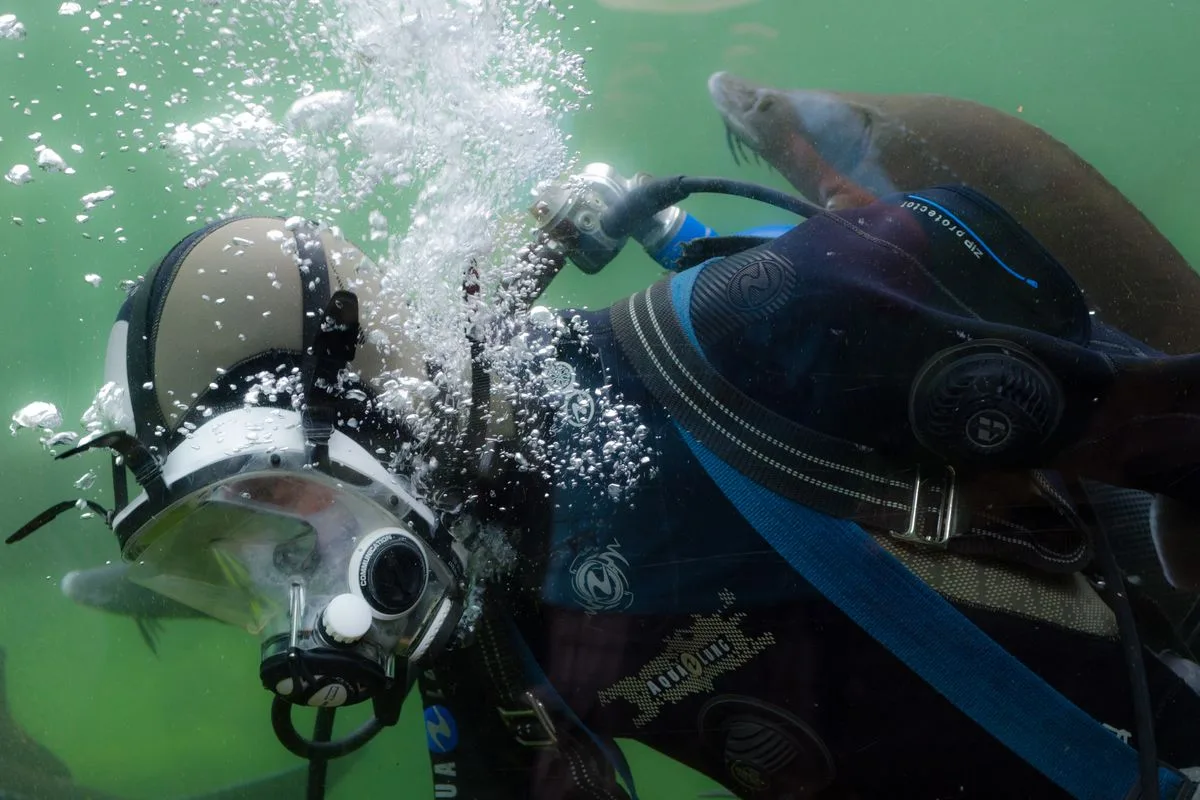
The protein skimmer is the piece that most rewards regular cleaning. Its collection cup and neck accumulate organic gunk that quickly degrades skimming efficiency, so wiping them out regularly, often every week or two, keeps the skimmer pulling waste effectively. Periodically, give the whole skimmer a deeper clean, disassembling it to clear the body, the air intake, and the pump of buildup. A vinegar soak dissolves stubborn coralline and mineral deposits without harsh chemicals. After a deep clean, expect a short break-in before the skimmer returns to full production. A consistently clean skimmer is the difference between effective nutrient export and a device that merely looks busy.
Pumps, Powerheads, and Probes
Pumps and powerheads need periodic attention to maintain flow. Buildup of detritus, algae, and coralline on impellers and intakes reduces output and strains the motor, so cleaning them every month or so, removing the impeller and clearing the housing, keeps flow strong. A vinegar soak handles mineral and coralline crust. Probes, such as pH and temperature sensors, drift as they age and foul, so they should be cleaned gently and calibrated periodically against reference solutions to keep their readings trustworthy. The chart below summarizes cleaning intervals. Keeping pumps clear and probes accurate ensures your flow stays strong and your monitoring stays honest.
Building a Cleaning Routine
The key to equipment care is folding it into a schedule so it actually happens. Tie quick tasks like wiping the skimmer cup to your weekly maintenance, and put deeper cleanings, pump teardowns, probe calibration, on a monthly or quarterly rotation. Keep a stock of spare parts like impellers and o-rings so a cleaning does not become a forced shutdown. Use only reef-safe methods, purified water and vinegar for buildup, and never harsh detergents that could contaminate the tank. A modest, regular cleaning routine prevents the slow performance decline that catches reefers off guard and keeps every piece of equipment running accurately for years.
Salt Creep, Lenses, and the Forgotten Spots
Beyond the pumps and probes most reefers remember to service, a tank accumulates grime in places that are easy to overlook, and tending to these forgotten spots keeps the whole system looking and working its best. Salt creep, the crusty white buildup that forms wherever splashing water evaporates, is the most pervasive of these. It collects on rims, lids, light mounts, and around the top of the tank, and left alone it spreads, corrodes fittings, and looks unsightly.
Wiping away salt creep regularly with a damp cloth, using fresh water rather than just letting it accumulate, keeps it from hardening into a stubborn crust. Paying attention to the areas around overflow boxes, return nozzles, and anywhere water trickles or splashes catches it early. This simple habit protects metal clips and electrical connections near the waterline, which salt creep can quietly degrade over months if it is never cleaned off.
Light fixtures deserve cleaning that many reefers forget. Salt spray and grime gradually coat the lenses or glass of a light, dimming its output and shifting the effective intensity reaching the corals below. Wiping the fixture’s lenses periodically, with the light off and cool, restores brightness and ensures your corals receive the light you think you are providing, a maintenance step that can quietly make a real difference in coral health.
Other hidden spots collect debris and biofilm. Return nozzles and flow outlets accumulate buildup that throws off their spray pattern, overflow teeth and strainers clog with detritus and snails, and the inside of plumbing develops films that can shed into the water. Periodically clearing these keeps flow consistent and prevents the slow, unnoticed decline in circulation that comes from gradual clogging.
A vinegar soak is the reefer’s universal cleaning ally for the mineral deposits behind much of this buildup. Soaking removable parts such as nozzles, strainers, and small fittings in a mild vinegar solution dissolves calcium and salt scale that scrubbing cannot easily remove, after which a thorough rinse readies them to go back in. Folding these forgotten spots into your cleaning routine, alongside the obvious equipment, keeps the entire tank running cleanly and looking sharp.
Keep It Running True
Reef equipment fails quietly, performing worse while still appearing to run, which makes regular cleaning essential rather than optional. Keep the skimmer’s cup and neck clean weekly and deep-clean it periodically, clear pumps and powerheads monthly, and clean and recalibrate probes regularly, using only reef-safe methods. Build these tasks into a schedule so they actually happen. Maintain your gear this way and it keeps doing its job accurately, sparing you the mysterious problems that neglected equipment quietly causes.
Related reading
- Reef Tank Lighting Explained: PAR, Spectrum, and Photoperiod for Coral Growth
- Anemones in Reef Tanks: Are They Right for You?
- Invertebrates for Reef Tanks: Shrimp, Stars, and Urchins
- Temperature Control for Reef Tanks: Ranges, Chillers, and Safety
Sources & further reading
Gear Worth Having for This
Heads up: the links below are Amazon affiliate links, and qualifying purchases support this site at no extra cost to you.
- See current protein skimmers options — A properly sized skimmer does a lot of the nutrient-export work for you