Salinity and Specific Gravity: Mixing Saltwater Correctly
Salinity is the most fundamental parameter in a saltwater tank, the literal saltiness of the water your animals evolved in, and getting it right and steady is non-negotiable. Yet new reefers often confuse salinity with specific gravity, mix saltwater carelessly, or trust inaccurate tools, leading to slow swings that stress livestock. The concepts are simple once explained, and the tools to measure them are inexpensive. This guide clears up the difference between salinity and specific gravity, shows how to mix saltwater correctly, and covers the measuring tools that will actually keep your reef in the right range.
- Target 1.025 specific gravity, or about 35 parts per thousand.
- A refractometer is far more accurate than a swing-arm hydrometer.
- Always mix salt into purified RO/DI water, never the reverse into tap.
Salinity vs. Specific Gravity
Salinity is the actual concentration of dissolved salts in water, usually expressed in parts per thousand, with natural reef seawater around 35 ppt. Specific gravity is a related but different measure: the density of saltwater compared to pure water, which depends on both salinity and temperature. The two track together, which is why reefers use them interchangeably, targeting roughly 1.025 specific gravity or 35 ppt. The key practical point is that specific gravity readings shift with temperature, so a reliable measurement requires either temperature compensation or measuring at a standard temperature. Understanding that these are two windows onto the same thing prevents confusion when different tools report different units.
Choosing a Measuring Tool
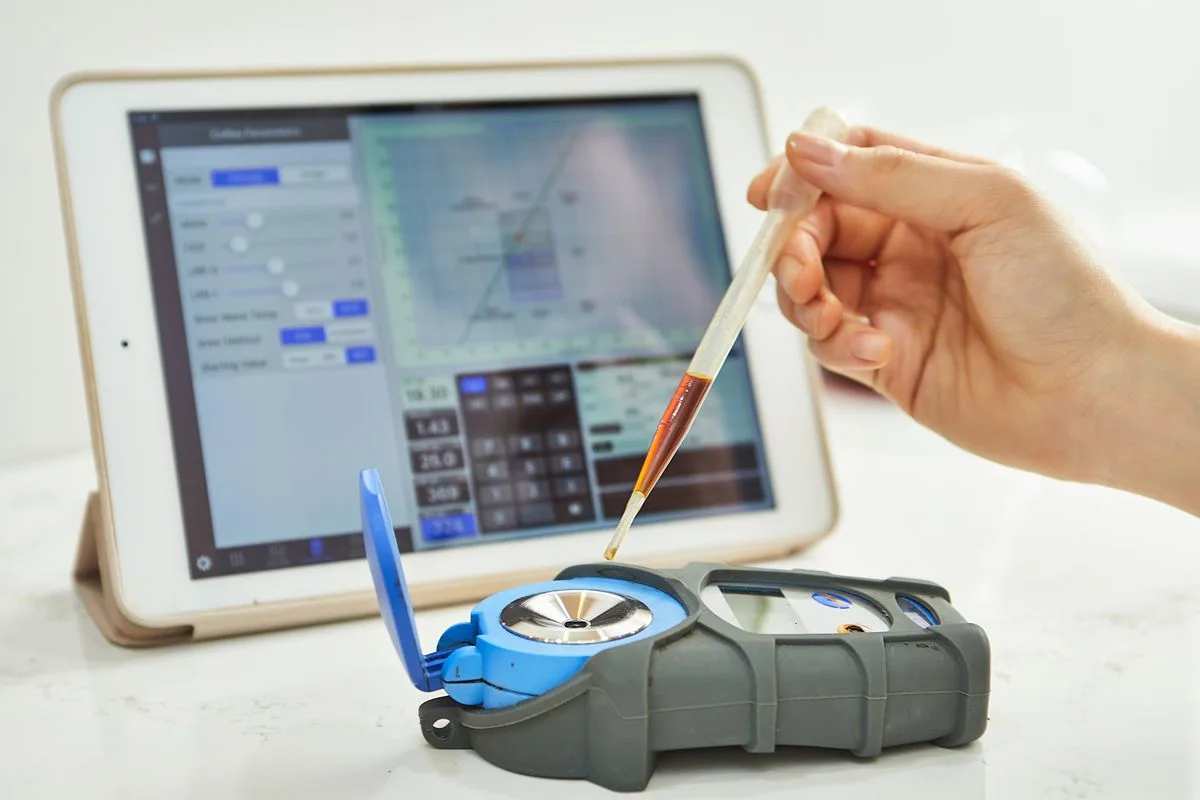
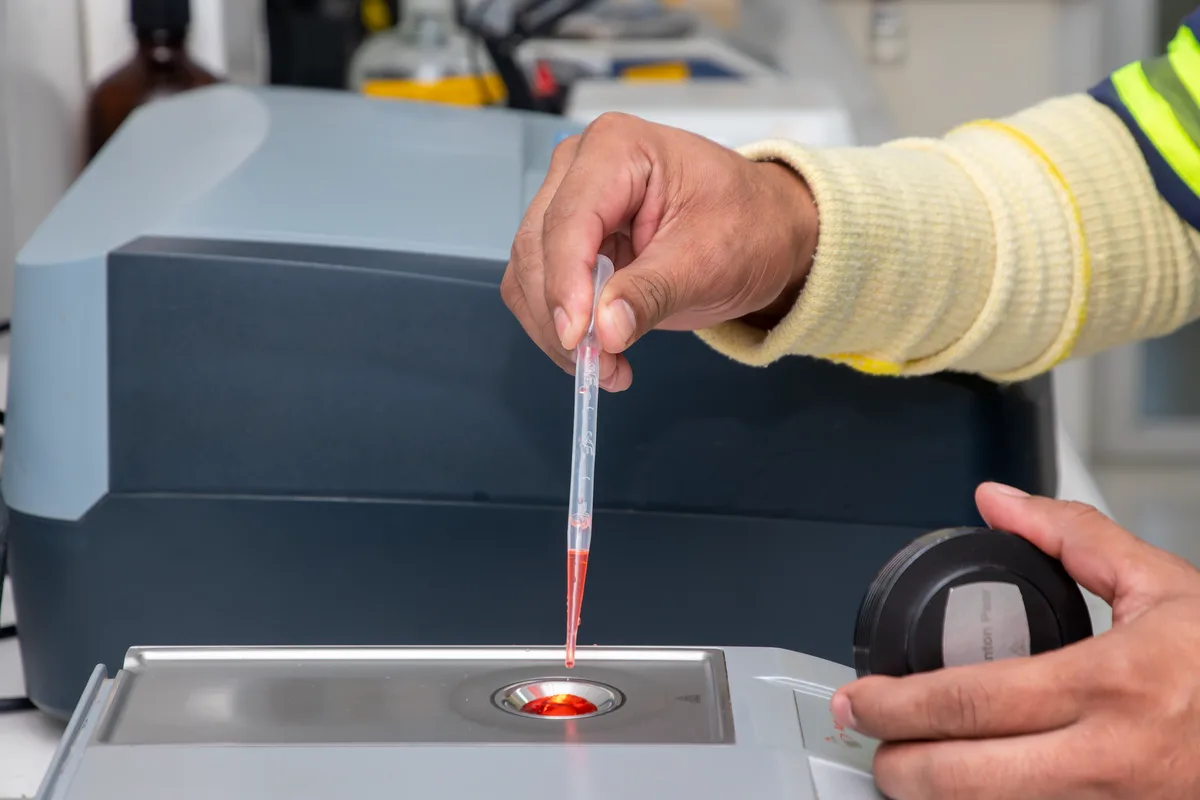
Your reading is only as good as your tool. The cheap swing-arm hydrometers bundled with many kits are notoriously inaccurate and drift with bubbles and salt creep. A refractometer, which reads salinity from how seawater bends light, is far more accurate and inexpensive, and it is the standard recommendation. For the best precision, a calibrated digital salinity meter goes further still. Whatever you choose, calibrate it periodically against a reference solution of known salinity, since even a good refractometer drifts over time. The chart below compares common tools. Investing in an accurate instrument is one of the cheapest upgrades you can make to your tank’s stability.
Mixing Saltwater Correctly
Mix salt only into purified RO/DI water, never tap water, which carries chlorine, metals, and nutrients that harm a reef. Add the salt gradually to the water with a powerhead circulating, rather than dumping it all at once, and let the batch mix and aerate for several hours or overnight until fully dissolved and clear. Heat it to match your display temperature before measuring, since temperature affects the reading. Only then check salinity and adjust with a little more salt or water to hit 1.025. Properly mixed, aerated, and temperature-matched water is the foundation of every safe water change and top-off.
Keeping Salinity Stable
Once you have set salinity correctly, the challenge is holding it there. As water evaporates, salt stays behind and salinity creeps up, so you must replace evaporated water with fresh RO/DI, not saltwater. This is exactly what an auto top-off system automates, dosing pure water to hold the level, and therefore the salinity, constant. Check your salinity regularly as part of weekly testing, and recalibrate your measuring tool periodically. With accurate measurement, careful mixing, and consistent top-off, salinity becomes one of the easiest parameters to keep rock steady, which is exactly what your livestock needs.
Calibrating and Caring for Your Measuring Tool
Whatever tool you use to measure salinity, it is only trustworthy if it is calibrated and maintained, and this is where many salinity problems actually begin. A refractometer, the tool most reefers settle on, must be calibrated against a known reference. Pure RO/DI water or, better, a dedicated calibration fluid sets the zero or reference point, and this should be checked periodically because refractometers drift over time and with temperature changes. A reading taken on an uncalibrated instrument can be off by enough to stress livestock.
Temperature deserves special attention with refractometers. Many inexpensive units are temperature-compensated only around a specific range, so taking a reading on a sample that is much warmer or cooler than that range introduces error. Letting the sample sit on the prism for a few seconds to reach the instrument’s temperature, and calibrating at roughly the temperature you measure at, both improve accuracy. A quick wipe of the prism between readings keeps salt crust from skewing the next measurement.
Swing-arm and floating hydrometers, the budget alternatives, have their own quirks. They are sensitive to temperature, to bubbles clinging to the swing arm, and to salt deposits that build up and throw the reading off. Rinsing them in fresh water after use and tapping off bubbles before reading helps, but many reefers eventually upgrade to a refractometer for the consistency it provides. Whatever you choose, using the same tool the same way every time matters more than the tool’s theoretical precision.
The payoff for this small discipline is large, because salinity quietly underlies every other parameter you measure. Test kits assume a normal specific gravity, evaporation steadily concentrates the salt, and corals and inverts are particularly sensitive to swings. A calibrated instrument, checked now and then and kept clean, ensures that when you read a salinity number you can actually believe it, which keeps both your top-off routine and your chemistry tests honest.
Build a quick salinity check into your routine and it becomes second nature. A glance at the reading whenever you mix new water or top off catches drift before it becomes a problem, and pairing that with an auto top-off to replace evaporation keeps the day-to-day salinity remarkably steady. Small, consistent attention to this one number prevents a surprising share of the stress that swings in salinity would otherwise cause.
Measure Well, Mix Carefully, Stay Steady
Salinity and specific gravity are two views of the same essential parameter, and keeping it at 1.025 and stable is foundational to a healthy reef. Use an accurate refractometer or meter rather than a cheap hydrometer, mix salt into purified water with proper aeration and temperature matching, and replace evaporation with fresh water to hold salinity constant. Get these basics right and you remove one of the most common sources of slow, livestock-stressing instability.
Related reading
- Auto Top-Off Systems: Keeping Salinity Stable Automatically
- Feeding Saltwater Fish: Frozen, Pellets, and Schedules
- Signs Your Saltwater Tank Has Finished Cycling
- Choosing a Saltwater Aquarium Heater (and Preventing Failures)