Reef Aquarium Lighting 101: PAR, Spectrum, and Coral Growth
Lighting confuses more new reefers than almost any other topic, buried as it is in jargon like PAR, Kelvin, and spectrum. Strip away the terminology, though, and reef lighting comes down to a few clear ideas: corals need enough usable light, of the right color, for the right number of hours each day. Get those three right and corals grow and color up; get them wrong and corals brown out, bleach, or fade. This primer explains what PAR and spectrum actually mean in plain terms, how much light different corals want, and how to set a lighting routine that grows healthy, vivid coral.
- PAR measures the usable light reaching your corals.
- Reef corals thrive under a blue-heavy spectrum.
- Acclimate corals to new light gradually to avoid bleaching.
PAR: How Much Light
PAR, photosynthetically active radiation, is simply a measure of how much usable light is actually reaching a given spot in your tank. It matters because corals host symbiotic algae that photosynthesize, and that process drives their growth and energy. Different corals want different PAR levels: low-light soft corals are happy with modest PAR, while SPS corals demand a lot. Crucially, PAR falls off rapidly with depth and distance, so the reading at the sand bed is far lower than just under the surface. The chart below gives rough PAR ranges by coral group. A PAR meter, borrowed or owned, takes the guesswork out of placement.
Spectrum: What Color Light
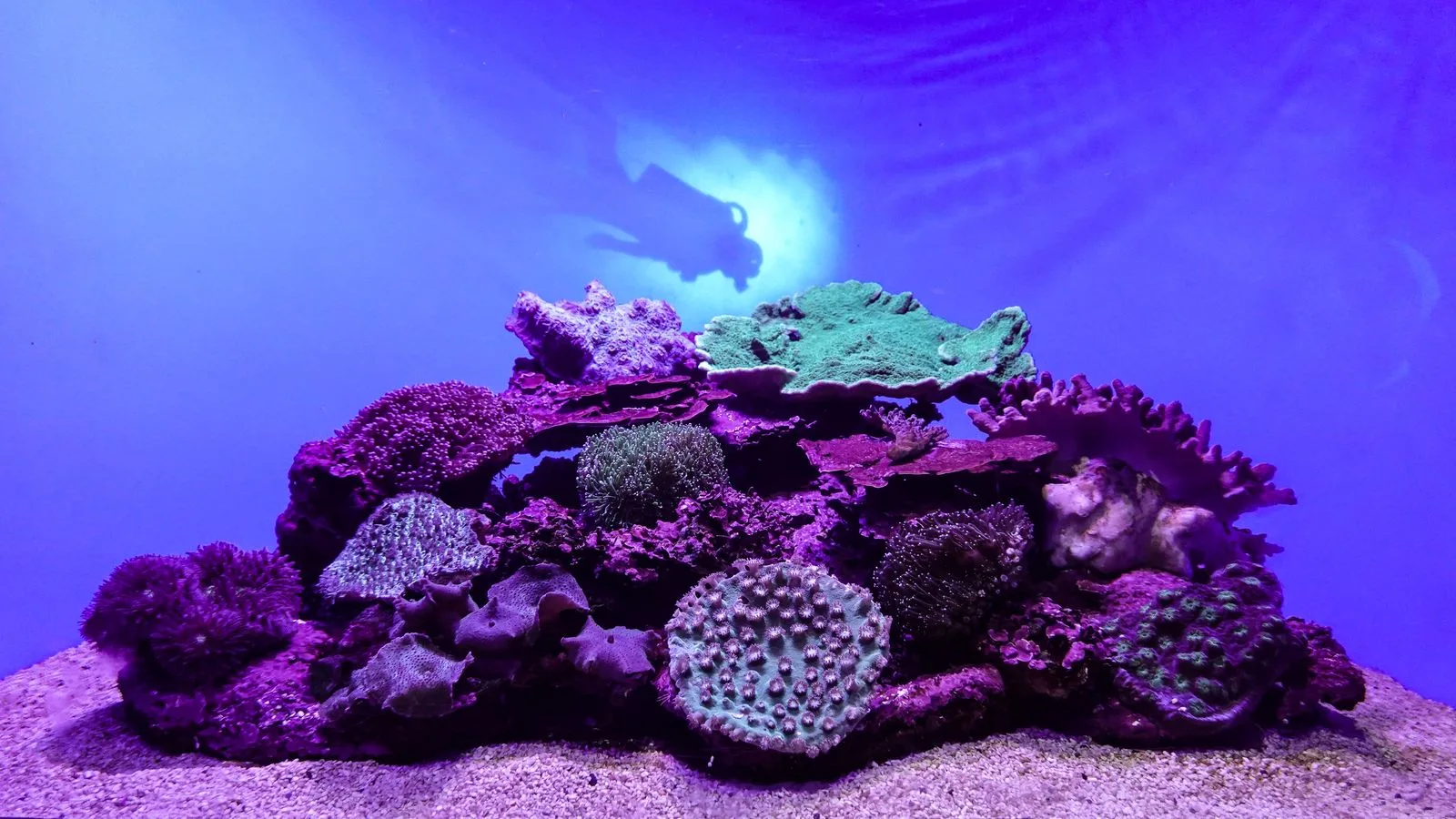
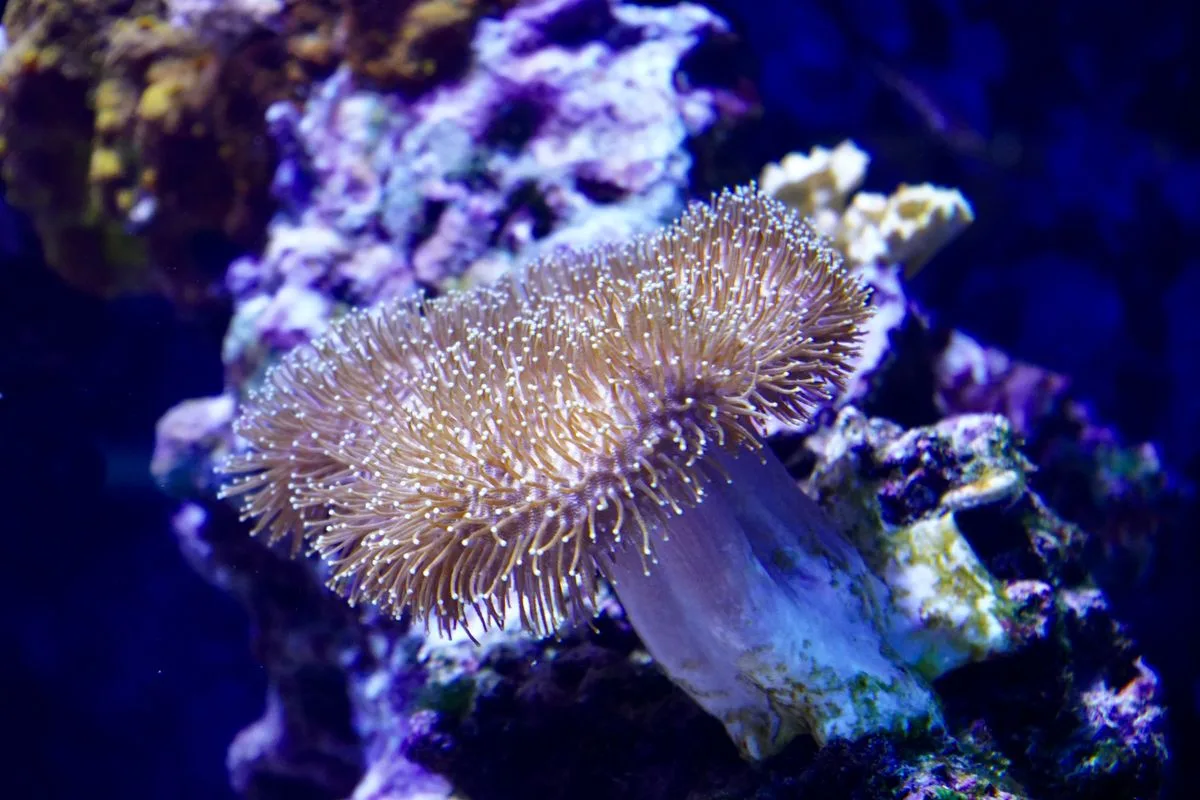
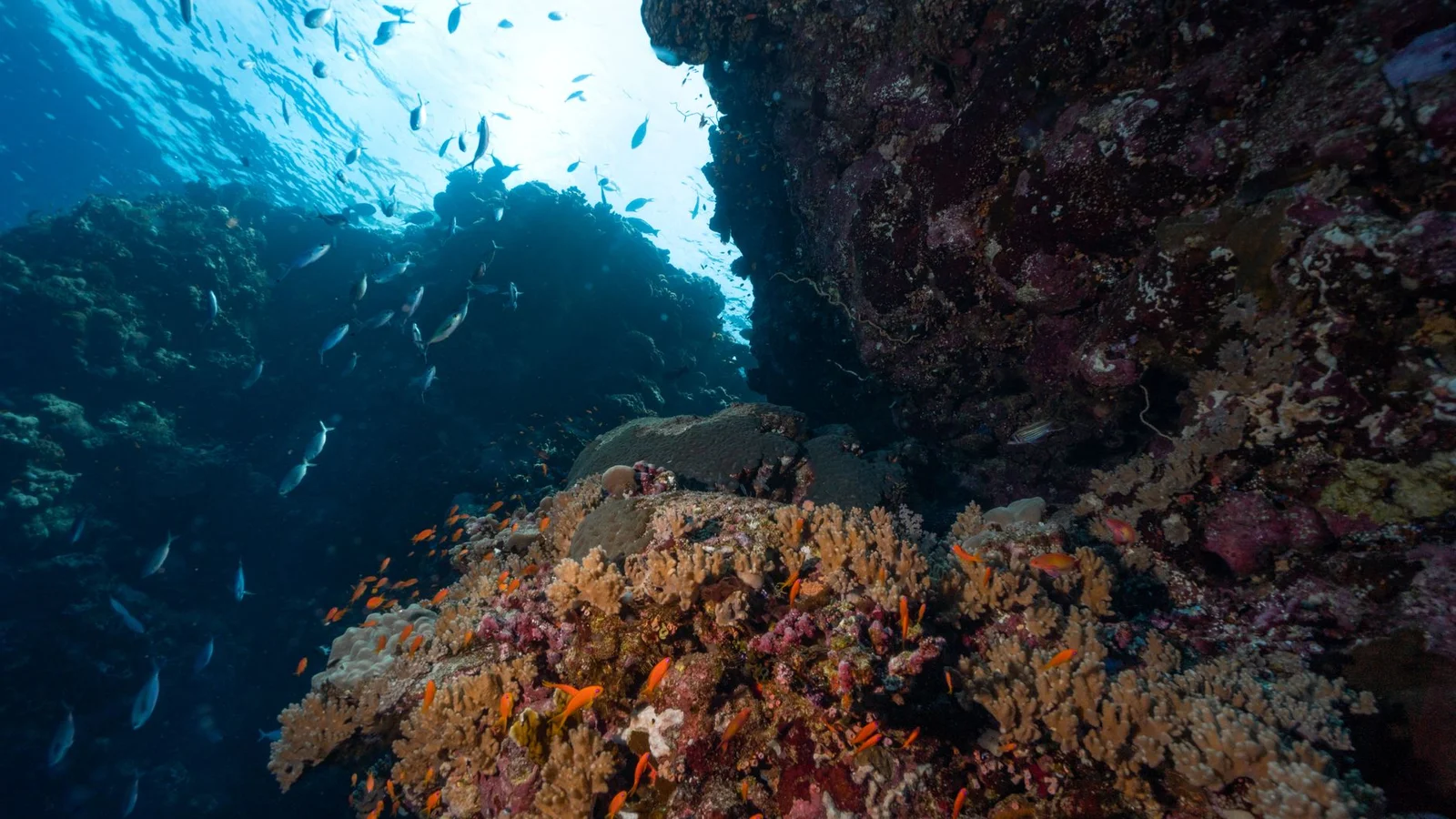
Spectrum is the mix of colors your light produces, and reef corals have clear preferences. They thrive under a blue-heavy spectrum, partly because blue wavelengths penetrate water well and partly because blue light drives the fluorescent pigments that make corals glow with color. Most reef fixtures lean heavily into blue with some white for a pleasing look. A spectrum too heavy in warm white or yellow not only looks off but tends to fuel algae and mute coral color. You do not need to obsess over exact ratios; a quality reef fixture is already tuned to a coral-friendly, blue-dominant spectrum out of the box.
Photoperiod: How Long
The third piece is photoperiod, how many hours your lights run. Corals do not benefit from light around the clock; a typical reef runs its main lights for roughly eight to ten hours a day, often with gentler ramp-up and ramp-down periods at the start and end to mimic dawn and dusk. Longer is not better and can feed algae while stressing corals. Consistency matters more than length: a stable daily schedule on a timer keeps corals in a steady rhythm. Resist the temptation to run lights long and bright in hopes of faster growth, which more often produces algae and bleaching than benefit.
Acclimating Corals to Light
One of the most common ways to harm a coral is to expose it suddenly to intense light it has not adjusted to, which causes bleaching even when everything else is perfect. New corals, and corals being moved higher in the tank, need to acclimate gradually. Start them lower in the tank or run your lights at reduced intensity, then increase exposure over a couple of weeks. Many fixtures have an acclimation mode that does this automatically. Watch the coral for signs of stress, paling or closing up, and back off if you see them. Patience with light acclimation prevents a great deal of avoidable loss.
Measuring and Comparing Light in Your Tank
Numbers like PAR are only useful if you know what your own tank is actually receiving, and the light a coral gets depends heavily on where it sits. Light falls off rapidly with depth and spreads unevenly across a tank, so a reading near the surface can be several times higher than one near the sand, and a spot directly under the fixture far brighter than a shaded corner. Understanding this distribution is what lets you place corals intelligently rather than by guesswork.
A PAR meter is the tool that turns this from intuition into measurement. Because a meter is an expensive instrument used only occasionally, many reefers borrow one, rent one, or take advantage of a local club’s shared meter to map their tank a few times a year. Taking readings at several depths and positions builds a simple light map showing where the high-light, medium-light, and low-light zones fall, which directly informs where each type of coral belongs.
If a meter is not available, the corals themselves are a surprisingly good gauge. A coral receiving too much light often pales or bleaches, while one receiving too little stretches, browns out, or fails to grow. Reading these responses over weeks lets you adjust placement and intensity by observation, moving a struggling coral up or down until it settles into rich color and steady growth.
Comparing fixtures is another place real measurement helps. Manufacturer claims and the apparent brightness to your eye can be misleading, since a bluer light may look dim while actually delivering plenty of usable energy to corals, and vice versa. Judging a light by the PAR it puts into your specific tank, at the depth your corals occupy, is far more meaningful than comparing wattage or brightness on paper.
The practical upshot is to think of light as a three-dimensional map rather than a single setting. Once you know your tank’s bright and dim zones, you can match each coral to the right spot, acclimate new pieces by moving them up gradually, and dial overall intensity to what your corals demonstrably thrive under. That mapped, observation-driven approach is what consistent coral lighting really comes down to.
Enough Light, Right Color, Steady Hours
Reef lighting becomes simple once you see past the jargon: provide enough usable light for the corals you keep, in a coral-friendly blue spectrum, on a steady daily schedule of eight to ten hours. Match PAR to each coral’s needs through placement, acclimate new corals gradually, and keep the routine consistent. Do that and your lighting will grow healthy coral with rich color, without the browning, bleaching, and algae that mismatched light so often causes.
Related reading
- Reef Tank Lighting Explained: PAR, Spectrum, and Photoperiod for Coral Growth
- Aquascaping a Reef Tank: Stability, Flow, and Coral Real Estate
- How to Test Your Reef Aquarium Water (and How Often)
- How Long Before You Can Add Coral to a New Reef?