Live Rock vs. Dry Rock: Building Your Reef’s Foundation
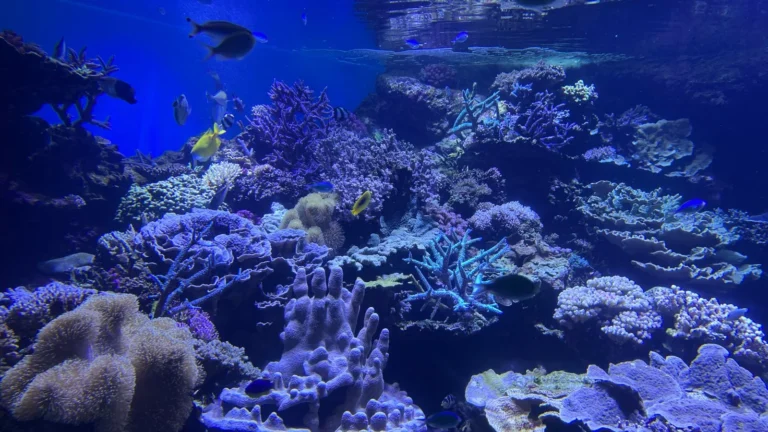
The rock in your reef tank is far more than decoration; it is the primary biological filter, the foundation of your aquascape, and the home for much of the tank’s life. One of the first big choices a reefer faces is whether to build that foundation from live rock, harvested from established systems or the ocean and teeming with life, or dry rock, clean and lifeless to start. Both make excellent reefs, but they differ in cost, biodiversity, pest risk, and how quickly the tank matures. Understanding the trade-offs helps you choose the foundation that fits your goals and budget.
- Live rock seeds biodiversity and bacteria but can carry pests.
- Dry rock is cheaper, pest-free, and easier to aquascape.
- Many reefers blend both for the best of each.
What the Rock Does
Reef rock is the workhorse of biological filtration. Its porous structure houses the bacteria that drive the nitrogen cycle, converting waste into less harmful compounds throughout the tank. It also forms the physical scape that corals are mounted on and that fish use for territory and shelter, and in a mature tank it hosts a web of microfauna. Because the rock plays all these roles, its starting condition, alive and seeded or clean and barren, sets the tone for how your tank establishes. Both live and dry rock end up serving these functions; they simply begin from very different biological starting points, which is the heart of the choice.
The Case for Live Rock
Live rock brings a reef to life quickly. Harvested from established systems or the ocean, it arrives carrying beneficial bacteria, coralline algae, and a diversity of microfauna, copepods, worms, sponges, and more, that give the tank a mature, resilient biological web from the start and can speed cycling. This biodiversity is hard to replicate and makes for a more natural, stable system. The downsides are cost, unpredictability, and risk: live rock is more expensive, its shapes are fixed so aquascaping is harder, and it can smuggle in pests like aiptasia, unwanted crabs, or predatory worms. For reefers who value an instantly living, biodiverse foundation and accept the risks, live rock delivers.
The Case for Dry Rock
Dry rock trades biodiversity for control and economy. It is inexpensive, completely free of pests and hitchhikers, and, because it is not alive, you can handle and arrange it freely to build exactly the aquascape you want before it goes underwater, even gluing structures together. The trade-off is that it starts biologically barren, so the tank takes longer to develop microfauna and coralline, and it must be seeded with bacteria to cycle. The chart below summarizes the comparison. For reefers who prioritize a clean, pest-free start, a custom aquascape, and a lower cost, and who are patient about biodiversity developing over time, dry rock is an excellent foundation.
Blending the Two
You do not have to choose one exclusively, and many reefers deliberately blend them. A common strategy is to build most of the structure from dry rock for control, cleanliness, and cost, then add a piece or two of quality live rock to seed beneficial bacteria and introduce microfauna. This hybrid captures much of live rock’s biodiversity benefit while keeping pest risk low and aquascaping flexible. Whichever route you take, inspect and ideally quarantine any live rock for pests before adding it, and seed dry rock with bacteria to cycle. Matching the approach to how much you value a living foundation against control is what makes the choice yours.
Curing and Preparing Rock Before It Goes In
Whichever rock you choose, a preparation step before it enters the display saves a great deal of trouble, and the right step depends on the type. Live rock harvested or shipped from another system almost always carries some die-off, the decay of organisms that did not survive transport, which releases ammonia. Curing it in a separate container with flow and heat, doing water changes until ammonia and nitrite read zero, lets that die-off pass without polluting your display.
Dry rock has the opposite concern. It carries no die-off, but quarry or man-made dry rock often holds phosphate and other compounds bound up in its surface that can leach into the tank for months, fueling stubborn algae. Many reefers cure dry rock by soaking it in saltwater for a period to let it release these compounds, changing the water periodically and testing until the leaching subsides before committing the rock to the display.
Some dry rock benefits from a more aggressive cleanup. Rock suspected of carrying heavy phosphate or organic residue can be given an acid bath or a bleach soak followed by thorough rinsing and neutralizing, which strips contaminants from the surface. This is more effort and requires care with the chemicals involved, but it can prevent a frustrating phosphate-driven algae battle later, particularly with reclaimed or unknown rock.
Preparation is also the moment to shape your aquascape. Dry rock especially can be drilled, glued, and stacked into a stable, open structure before it ever goes in the tank, while everything is easy to handle and you can see what you are building. Designing the rockwork outside the tank, then transferring a cured, secure scape, is far easier than wrestling with rock underwater after livestock has arrived.
The payoff for this patience is a tank that starts clean and stable. Rock that has been cured of die-off or leached of phosphate does not sabotage your early months with ammonia spikes or algae blooms, and a pre-built scape gives your corals and fish a solid foundation from the start. Treating rock preparation as a deliberate stage, rather than rushing rock straight into the display, sets the whole system up for an easier beginning.
Choose Your Foundation
Live rock and dry rock both build great reefs from different starting points: live rock for instant biodiversity at higher cost and pest risk, dry rock for a clean, custom, economical foundation that matures more slowly. Many reefers blend the two to balance the benefits. Decide how much you value a living, biodiverse start against control and cost, seed and inspect appropriately, and your rock will serve as the solid biological backbone every healthy reef depends on.
Related reading
- Fishless Cycling vs. Live Rock Cycling: Which Is Better?
- Reef Tank Lighting Explained: PAR, Spectrum, and Photoperiod for Coral Growth
- Anemones in Reef Tanks: Are They Right for You?
- Invertebrates for Reef Tanks: Shrimp, Stars, and Urchins