How Long Before You Can Add Coral to a New Reef?
One of the hardest parts of starting a reef is the waiting, and no question comes up more than how soon you can add coral. The honest answer is that it depends less on a fixed number of days and more on whether your tank has reached the stability that corals require. Adding coral too early, into a tank still working through its cycle and ugly stage, is a common and expensive mistake. Understanding what corals actually need from a system, and the signs that your tank is finally ready, lets you time that first frag for success rather than disappointment.
- Wait until the tank is cycled and parameters are stable.
- Most tanks are ready for hardy coral after a couple of months.
- Start with hardy corals even once the tank is ready.
Why Patience Pays
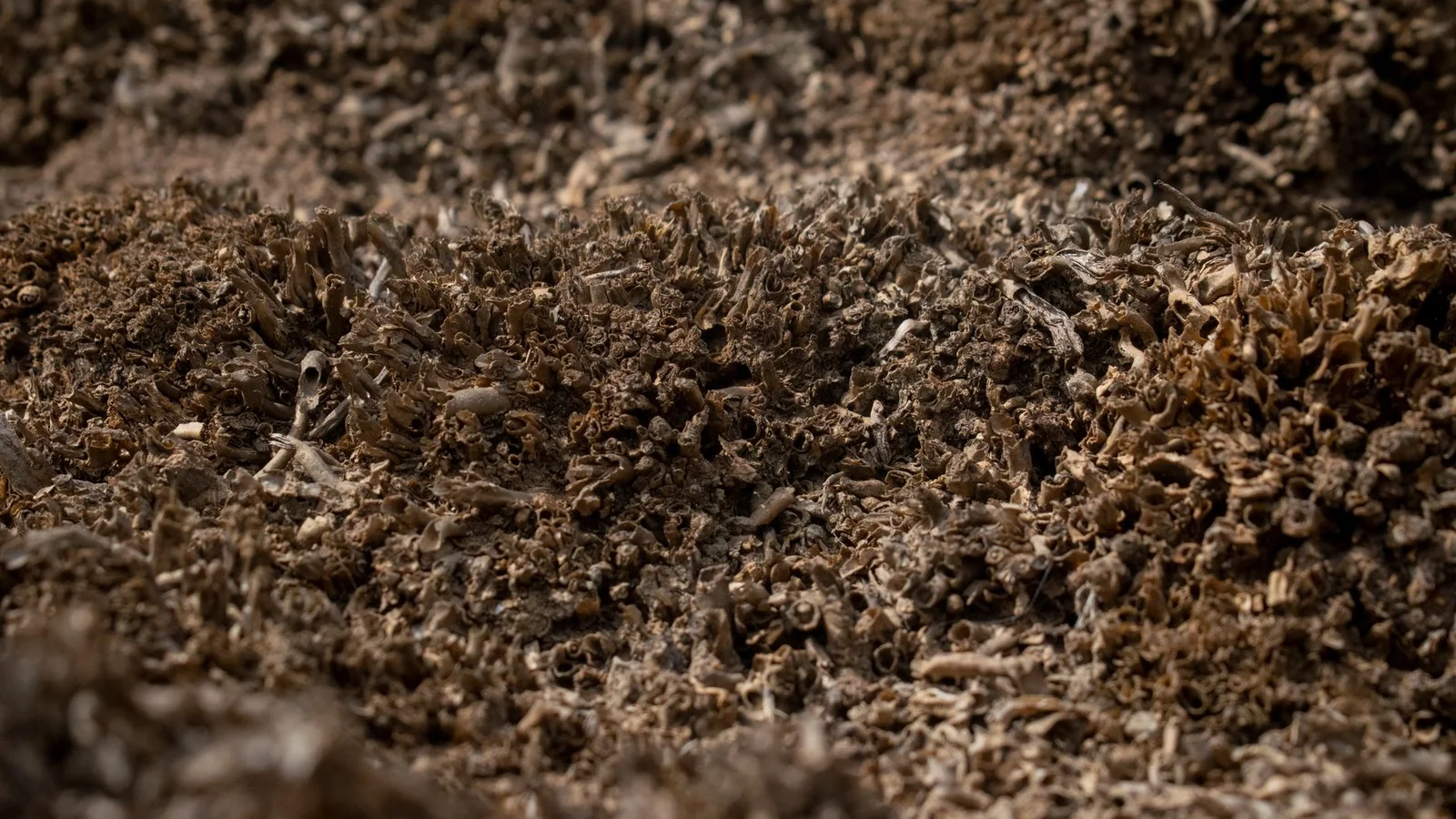
Corals are far less tolerant of instability than fish, and a brand-new tank is inherently unstable. In its first weeks a tank is cycling, then it passes through the ugly stage of nutrient swings and algae blooms while its biological balance establishes. Dropping corals into that environment subjects them to fluctuating nutrients, shifting parameters, and competition from algae, and many simply waste away. Waiting until the tank settles gives corals the steady conditions they need to attach, grow, and color up. The patience feels endless at the time, but it is the difference between corals that thrive and a string of melted frags that sour the early hobby.
What Corals Actually Need
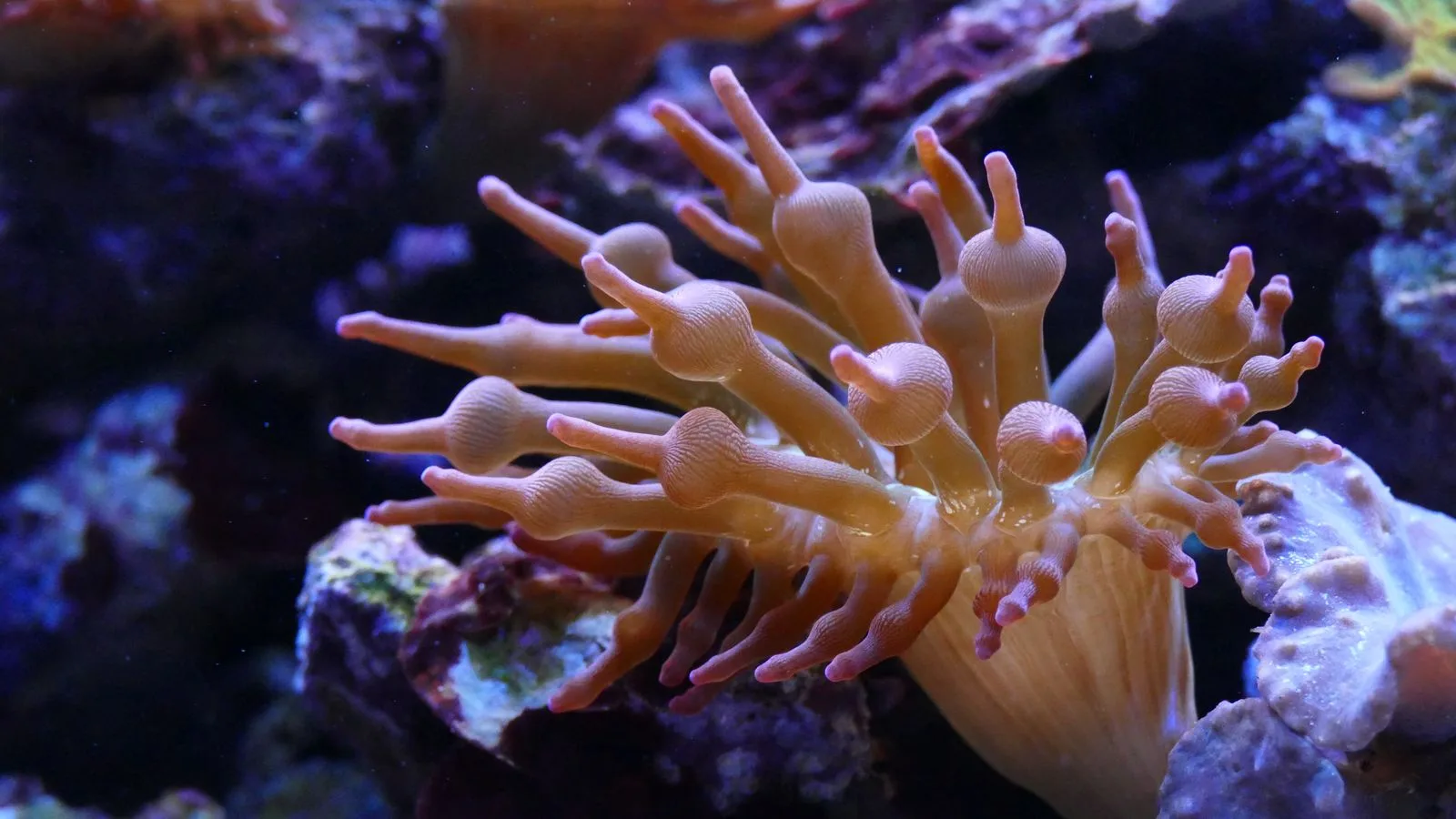
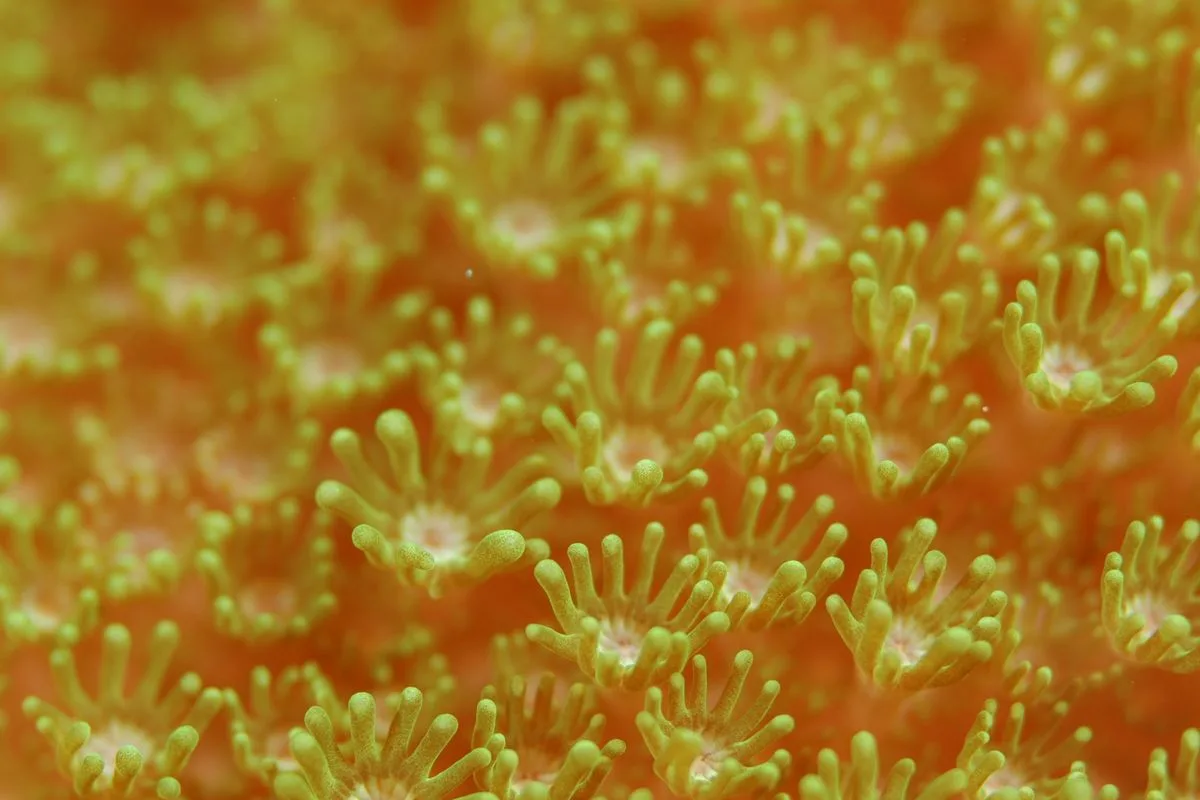
Rather than counting days, look at whether your tank provides what corals require. The cycle must be fully complete, with ammonia and nitrite reading zero. Your key parameters, salinity, temperature, alkalinity, calcium, and magnesium, must be in range and, more importantly, holding steady from test to test. Nutrients should have settled into a moderate, stable band rather than spiking and crashing. And the worst of the ugly-stage algae should be receding, ideally with coralline algae beginning to appear. When these conditions are met, the tank is biologically ready to support coral, regardless of exactly how many weeks have passed.
A Realistic Timeline
For most tanks, these conditions come together somewhere around the two-month mark, though it varies. A tank cycled on quality live rock may stabilize faster, while a dry-rock fishless setup often takes longer to mature. The chart below gives a rough timeline of readiness milestones. Use it as a guide, not a guarantee, and always confirm with your test kit and your eyes rather than the calendar. Resist the pressure, including your own impatience, to stock corals the moment the cycle finishes; giving the tank a few extra weeks to truly settle dramatically improves your odds with that first coral.
Easing Into Coral
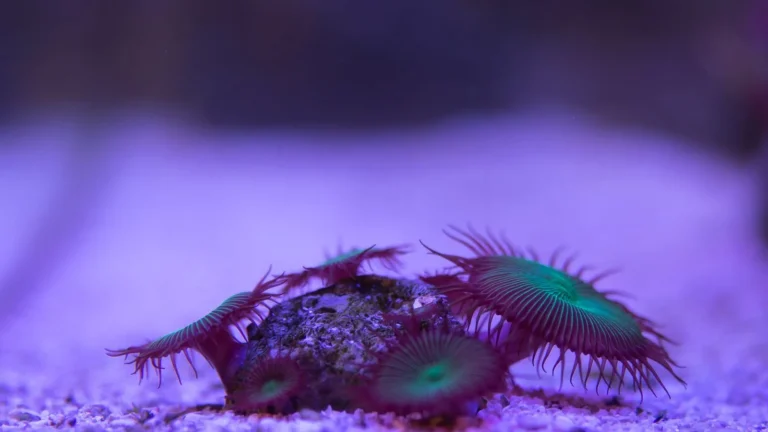
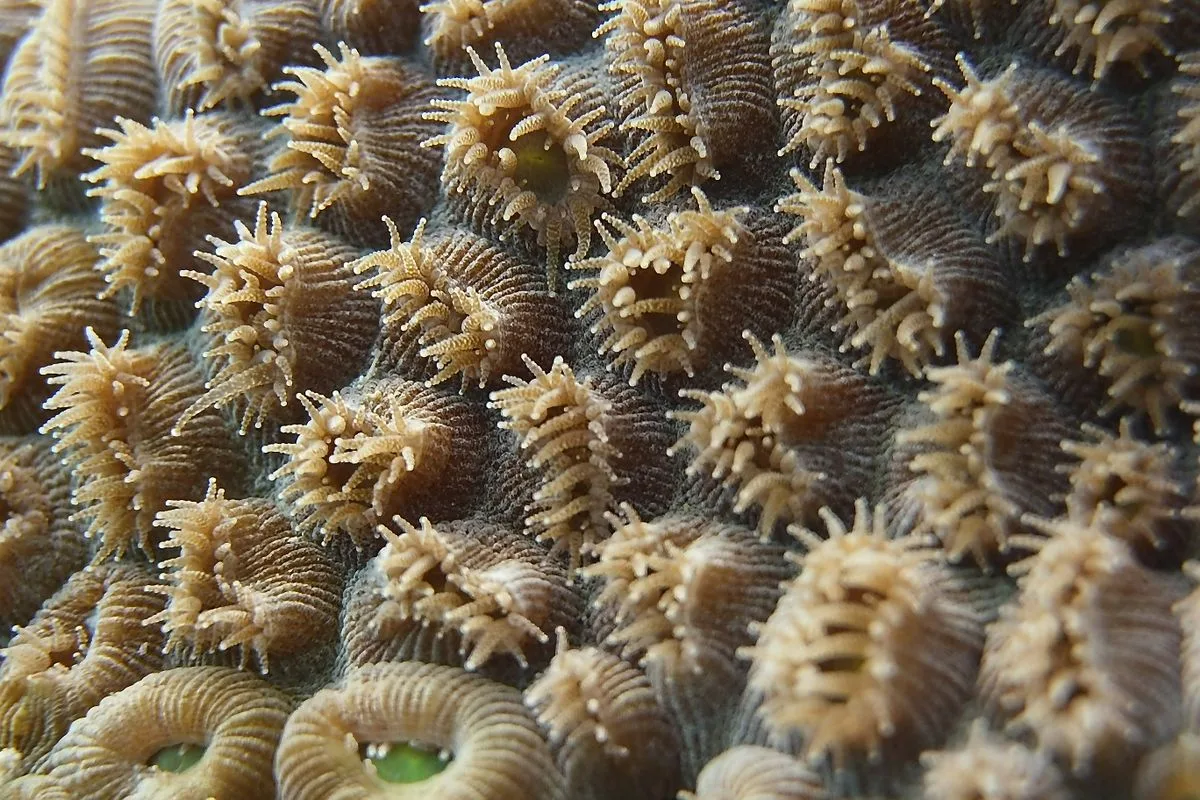
Even once your tank is ready, ease in rather than rushing. Start with one or two hardy, inexpensive corals, mushrooms, zoanthids, or a hardy LPS, placed where you can watch them, and observe how they respond over a week or two. If they open up, attach, and look happy, your conditions are confirmed and you can add more gradually. If they struggle, you have risked little and learned something about your tank. This measured approach protects your investment and builds your confidence, letting you expand into a full reef on a foundation you know is solid.
Reading the Signs That Your Tank Is Ready
Rather than relying on a date on the calendar, it is better to let the tank itself tell you when it is ready for coral, and a mature system gives several clear signals. The first and most important is stability in your test results. When salinity, temperature, alkalinity, calcium, and magnesium hold steady across several weeks of testing with only minor, predictable drift, the tank has developed the chemical consistency that corals depend on.
A second sign is that the early algae phases have run their course. New tanks pass through a sequence of diatom films and nuisance algae blooms as they balance their nutrients, and a system still deep in that ugly stage is not yet settled enough for sensitive corals. Once the brown films fade, the glass stays cleaner between wipes, and nuisance growth recedes, the tank is signaling that its biology has matured.
The appearance of coralline algae is one of the most encouraging milestones. Those purple and pink encrusting patches that begin to spread across rock and equipment indicate a tank with stable parameters and healthy water, the same conditions corals want. While not strictly required before adding coral, the spread of coralline is a reassuring sign that the environment has matured into something coral-friendly.
A working cleanup crew and a small, established fish population add to the picture. If your snails and crabs are thriving and a hardy fish or two has settled in and feeds well, the tank is demonstrably supporting life and processing waste reliably. That track record of keeping simpler animals healthy is exactly the foundation you want before introducing corals, which are less forgiving of instability.
When these signs line up, start with a hardy beginner coral or two rather than a full coral order. Easing in lets you confirm that the tank truly supports coral life before you commit further, and it gives you a chance to observe how a coral responds to your light and flow. Letting the tank earn each step this way is far more reliable than adding coral simply because a certain number of weeks have passed.
Patience through this waiting period is rewarded many times over. A coral added to a genuinely ready tank settles quickly, colors up, and begins to grow, while one rushed into an immature system struggles against shifting conditions. Letting your tank demonstrate its readiness through stability, clean rock, and thriving simpler life is the surest path to coral success.
Let the Tank, Not the Calendar, Decide
The right time to add coral is when your tank has earned it: cycle complete, parameters steady, nutrients settled, and the ugly stage fading. For most tanks that arrives around two months in, but your test kit and your eyes are the real judges. Start with one or two hardy frags, watch them, and expand only as they prove your conditions are stable. Time that first coral well and you set the whole reef up to flourish.
Related reading
- Reef Tank Lighting Explained: PAR, Spectrum, and Photoperiod for Coral Growth
- Aquascaping a Reef Tank: Stability, Flow, and Coral Real Estate
- Reef Aquarium Lighting 101: PAR, Spectrum, and Coral Growth
- Diagnosing a Sick Coral: Bleaching, STN, and RTN