Powerheads and Flow: Designing Water Movement in a Reef Tank
Water flow is one of the most underappreciated factors in a healthy reef, every bit as important as light or chemistry. In the ocean, corals are bathed in constant, varied current that brings them food and oxygen and carries away waste, and a reef tank has to recreate that movement with powerheads and pumps. Too little flow lets detritus settle and corals suffocate in their own waste; too much blasts them into retreat. Designing good water movement, the right amount, in the right pattern, transforms a stagnant tank into a thriving one. Here is how to think about and set up flow in a reef.
- Corals need varied, turbulent flow, not a single strong jet.
- Aim flow to eliminate dead spots where detritus settles.
- Match flow strength to the corals you keep.
Why Flow Matters So Much
Flow does several jobs at once in a reef. It delivers food and oxygen directly to corals, which cannot move to find them, and it sweeps away the waste and mucus they shed. It keeps detritus suspended so your filtration can remove it rather than letting it rot on the rock. It also helps gas exchange at the surface, supporting stable pH and oxygen levels. Corals in good flow extend fully, color up, and grow; corals in poor flow languish and accumulate debris. Far from a minor detail, water movement is a core life-support system, and getting it right underpins nearly everything else in the tank.
The Right Kind of Flow
It is not just the amount of flow that matters but the pattern. Corals dislike a single, constant, laminar jet aimed straight at them, which can strip tissue and irritate them. What they thrive on is turbulent, varied flow that comes from multiple directions and changes over time, much like the surge of a natural reef. You create this by positioning powerheads so their streams collide and swirl rather than pointing one straight across the tank, and by using controllable pumps that vary their output to mimic waves and pulses. The goal is gentle, shifting motion everywhere, not a wind tunnel in one direction.
Eliminating Dead Spots
One of the clearest signs of flow problems is detritus settling in certain areas, the dead spots where current does not reach. These pockets become nutrient sinks that fuel algae and cyano and rob nearby corals. Watch how debris moves in your tank, or briefly turn off mechanical filtration and observe where particles collect, to map your dead spots. Then adjust powerhead placement and aim to push flow into those stagnant corners and behind rockwork. A well-flowed tank keeps detritus suspended and moving toward your overflow or filter, so it gets exported rather than accumulating where it causes trouble.
Matching Flow to Corals
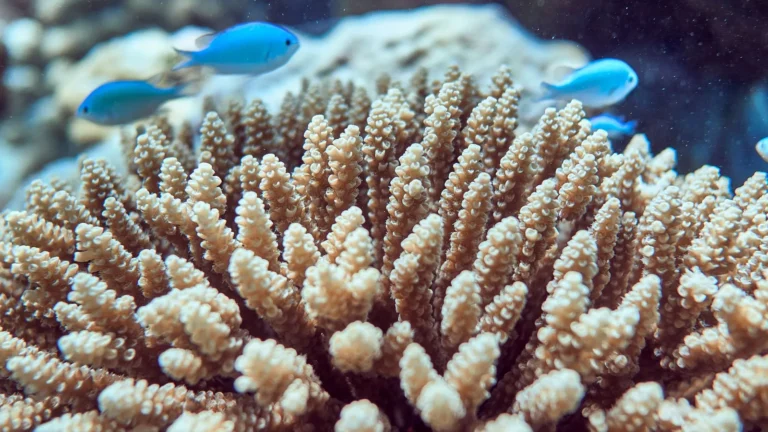
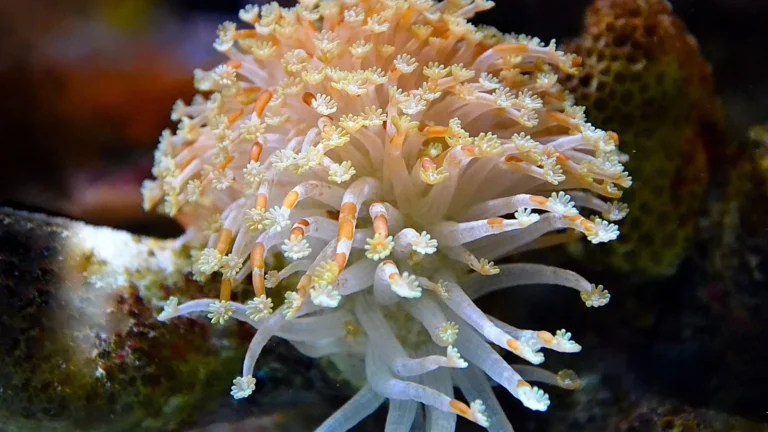
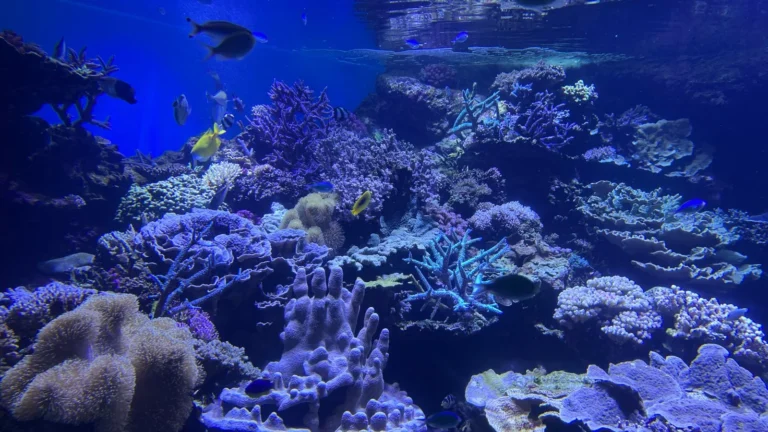
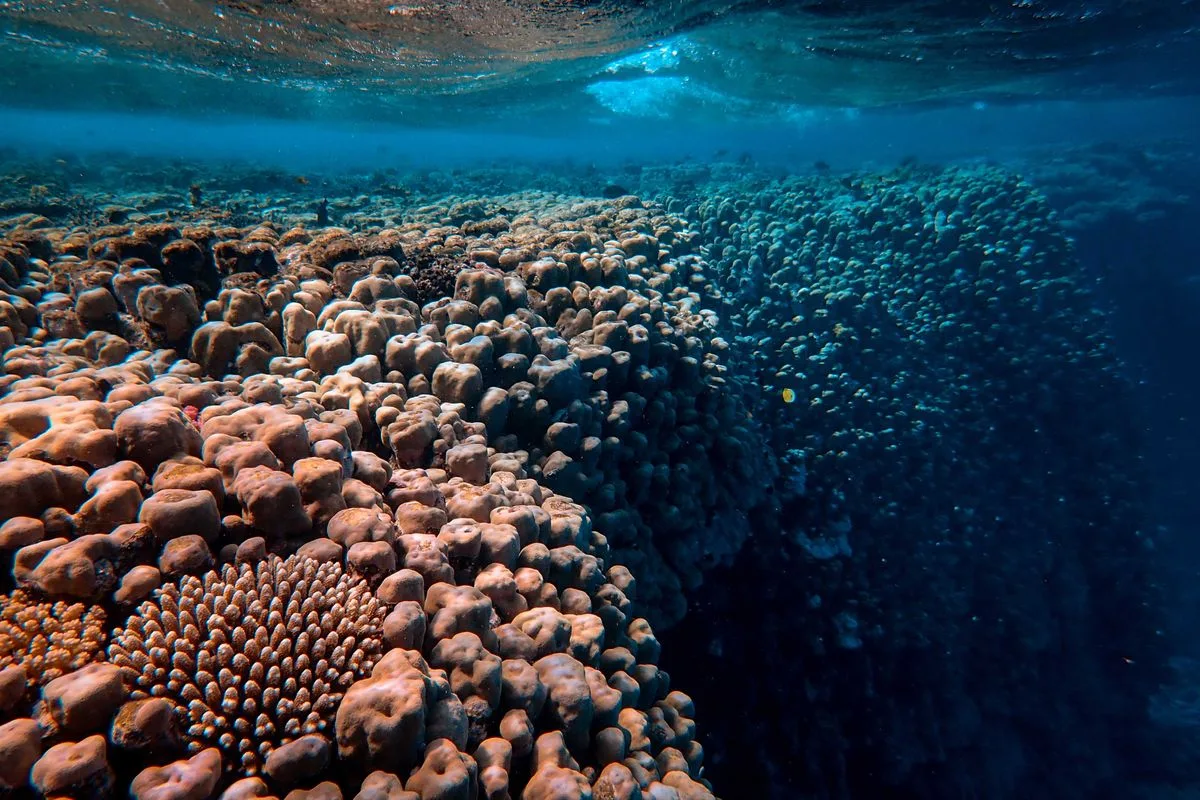
Different corals want different flow, so a mixed reef needs zones. SPS corals crave strong, turbulent flow that keeps their dense branches clean. LPS corals prefer moderate, indirect flow; too much shreds their fleshy polyps or prevents extension. Soft corals are generally adaptable but dislike being blasted directly. Arrange your aquascape and powerheads to create stronger flow up high where SPS live and gentler movement in the lower and sheltered areas for LPS and softies. Observe each coral: full extension and natural sway mean the flow is right, while constantly retracted polyps signal too much current in that spot.
Placement Strategies and Avoiding Sandstorms
Getting good flow is as much about how you aim your pumps as which pumps you buy, and thoughtful placement is what turns raw water movement into useful circulation. The aim is broad, turbulent, randomized flow that reaches every part of the tank, not a single fire-hose jet. Positioning pumps so their streams cross, bounce off the glass, or oppose one another creates the chaotic, shifting movement that keeps detritus suspended and bathes corals from multiple directions.
A popular approach is to set up a gyre, where pumps on one end push water across the tank to create a broad circular flow that sweeps the whole length of the aquarium. Others aim pumps toward the surface to maximize gas exchange and ripple, or alternate flow with a controller so the pattern changes through the day. The right scheme depends on your tank’s shape, but the goal is always coverage without harsh, static dead-straight blasting.
Dead spots are the enemy, and they reveal themselves as places where detritus settles and nuisance algae or cyanobacteria take hold. Watching where debris accumulates tells you exactly where flow is missing, and a small adjustment in pump angle or the addition of a modest powerhead usually clears it. The behavior of suspended particles in the water is a free, continuous map of how well your circulation is working.
Avoiding sandstorms is the counterbalance to all this movement. A pump aimed too low or placed too close to the substrate will excavate the sand bed, blow it into drifts, and bury or sandblast nearby corals. Mounting pumps higher, angling them away from the sand, and keeping strong outlets away from the bottom prevents this, letting you run vigorous flow up in the water column while the sand bed stays put.
The reward for getting placement right is a tank that practically cleans itself and corals that thrive. Detritus stays suspended for the filter and skimmer to capture instead of rotting on the rocks, corals receive food and shed waste efficiently, and oxygen levels stay high. Spending time observing and fine-tuning the direction of your existing pumps often improves a reef more than simply adding more flow ever would.
Movement Is Life
Good flow is one of the highest-impact things you can dial in for a reef, supplying food and oxygen, exporting waste, and keeping corals healthy. Aim for turbulent, varied movement from multiple directions, hunt down and eliminate dead spots, and create flow zones that match the corals in each part of the tank. Get water movement right and corals respond with full extension, vivid color, and strong growth, proof that in a reef, movement truly is life.
Related reading
- Aquascaping a Reef Tank: Stability, Flow, and Coral Real Estate
- Best Wavemakers and Powerheads for Reef Flow
- Why Is My Reef Tank Water Cloudy? Causes and Cures
- Reef Tank Water Parameters: The Complete Target Range Guide