Choosing the Right Tank Size for a Beginner Reef Aquarium
Ask experienced reefers the most common beginner mistake and many will say the same thing: starting too small. It seems backwards, since a tiny tank looks cheaper and easier, but small water volumes are actually the hardest to keep stable. The right tank size balances your space and budget against the forgiving nature of larger water bodies. This guide explains why bigger is usually more beginner-friendly, where the practical sweet spot sits, and how to choose a size you will be happy with a year from now rather than one you immediately wish you had sized up.
- Larger water volumes resist swings and forgive mistakes.
- The 30–75 gallon range is the beginner sweet spot.
- Pick a size for your space, budget, and stocking goals together.
Why Bigger Water Is More Stable
The core principle is dilution. In a large tank, any change, a temperature shift, an overdose, a dead snail, a missed water change, is spread across more water and so has a smaller effect on the overall chemistry. In a tiny tank, that same event hits hard and fast, swinging parameters before you can react. This is why nano tanks, despite looking simple, demand more diligence, not less. For a beginner still learning to read a test kit and build a routine, the buffer that extra water provides is genuinely protective. It turns potential disasters into minor blips you have time to correct.
The Beginner Sweet Spot
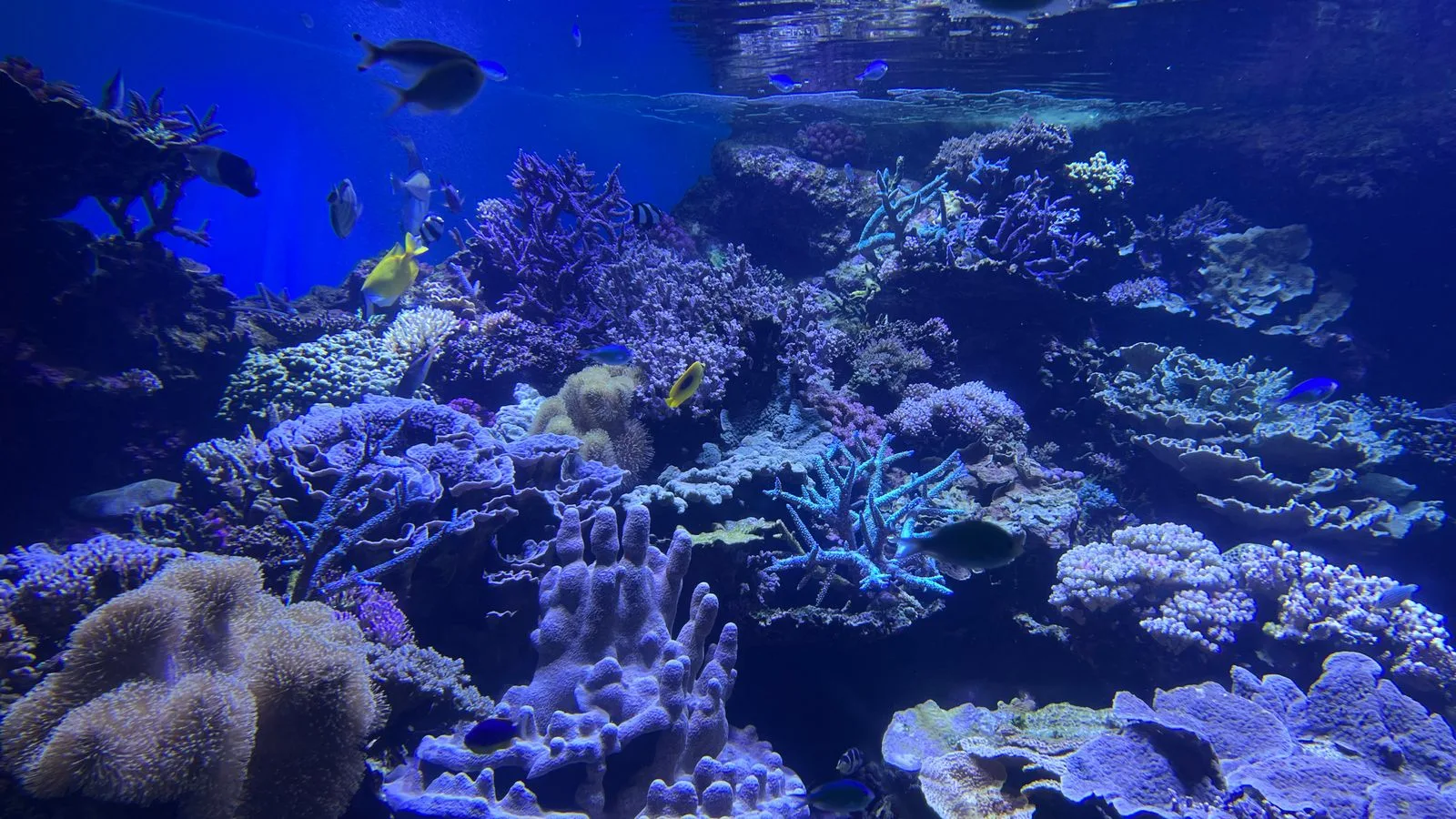
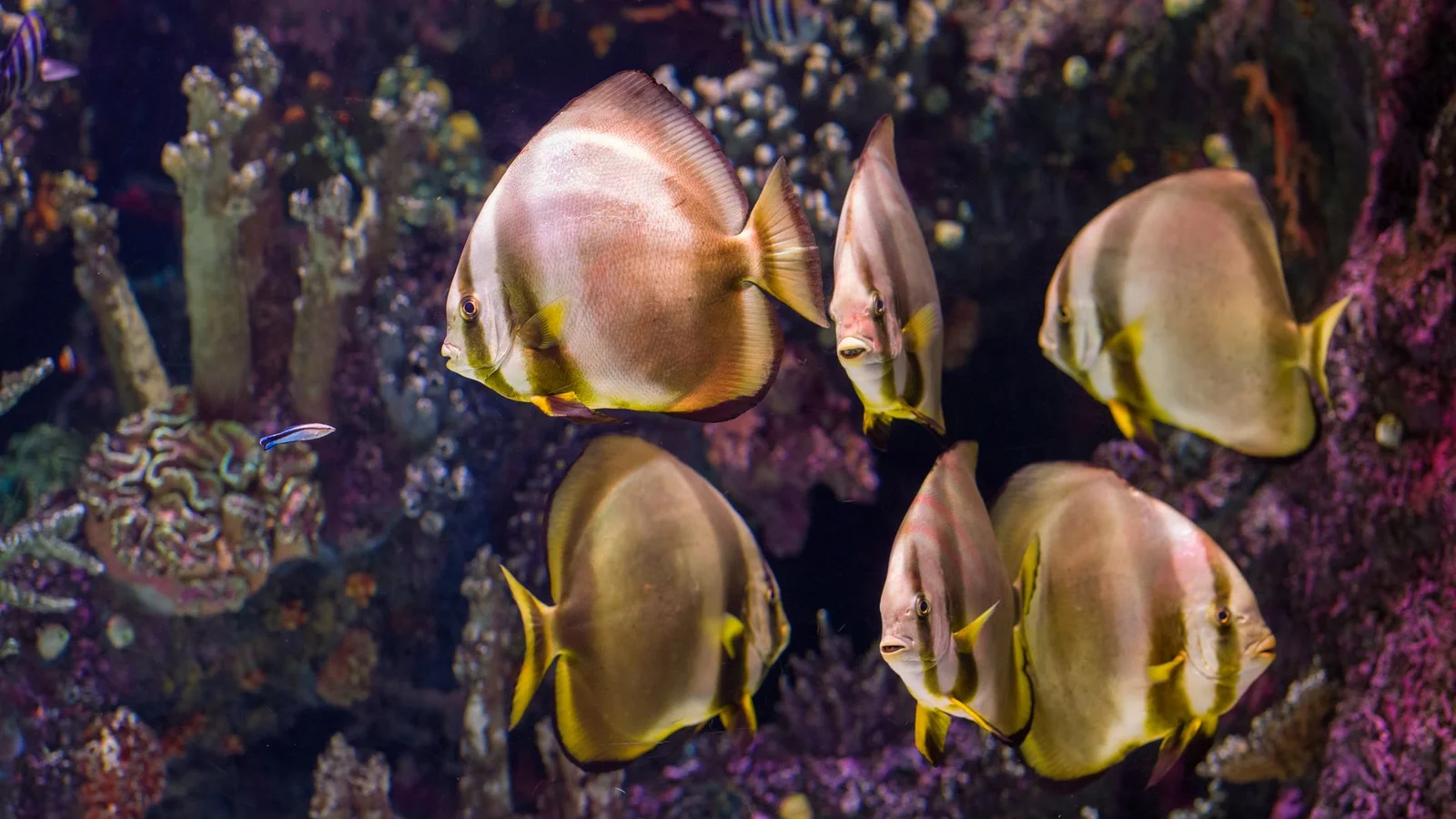
For most newcomers, a tank in the 30 to 75 gallon range offers the best balance. It holds enough water to be stable and forgiving, accommodates a satisfying community of fish and corals, and still fits in a typical home without specialized plumbing or enormous running costs. Tanks in this range are widely available as all-in-one units or with simple sumps, and there is abundant community knowledge about keeping them. Going much smaller sacrifices stability; going much larger raises costs and complexity faster than a beginner usually wants. The chart below weighs the trade-offs across common size classes.
Matching Size to Your Goals
Tank size should follow your stocking ambitions, not the other way around. If you dream of a tang or a small school of fish, you need the volume and swimming length to house them humanely, which rules out nano tanks. If you want a tidy desktop coral garden with a couple of small gobies, a well-run nano can be lovely, provided you accept the higher diligence it requires. Decide what you ultimately want to keep, look up the minimum tank those animals need, and let that set your floor. Buying a tank too small for your goals only leads to an expensive upgrade later.
Counting the Real Costs
Larger tanks cost more to buy and to run: more salt per water change, bigger heaters and pumps, stronger lighting, and higher electricity use. These ongoing costs are easy to underestimate. That said, the cost difference between a too-small tank you replace in a year and a right-sized tank you keep is often a wash, since upgrading means buying twice. Be honest about your budget for both the initial setup and the monthly running costs, then choose the largest tank within the sweet spot that you can comfortably sustain. Sustainability matters more than maximum size.
Weight, Footprint, and Where It Will Actually Fit
Tank size is not only a question of water volume; it is a question of weight and physical footprint, and beginners often underestimate both. A filled reef weighs roughly ten to eleven pounds per gallon once rock and sand are included, which means even a modest fifty-gallon system can press well over five hundred pounds onto a single spot. That load needs a stand rated for the tank and, ideally, placement over a load-bearing wall or across floor joists rather than parallel to them. Upper floors and older homes warrant extra caution.
Footprint matters as much as gallons. Two tanks of the same volume can have very different shapes: a long, low tank offers more surface area for gas exchange and more usable aquascaping length, while a tall tank of equal volume gives corals less floor space and makes the bottom harder to light and reach. For a reef, surface area and front-to-back depth are often more valuable than height, so compare the actual dimensions rather than just the headline gallon number.
Think through the practical space around the tank too. You need clearance above for lighting and for getting your arms in, room behind for equipment, and a nearby outlet and water source. A tank that technically fits a wall but leaves no room to work becomes a maintenance headache that discourages the very upkeep a reef needs. Measuring the full setup, including stand, light, and working space, before committing to a size prevents the common mistake of buying a tank that fits the room on paper but not in practice.
One last consideration is how the size you choose shapes your daily experience. A tank that is too small for your ambitions leads to frustration and frequent rescaping as livestock outgrows it, while one that is too large for your budget or schedule becomes a chore. The right size is the one you can afford to equip properly, find time to maintain, and physically fit into your space with room to work. Matching the tank to your real circumstances, not just your wish list, is what keeps the hobby enjoyable.
Size Up Within Reason
When in doubt, choose the larger tank your space and budget can sustain, staying within the 30 to 75 gallon sweet spot. The extra water buys you stability and forgiveness exactly when you need them most, during your first year of learning. A right-sized tank makes nearly every other part of the hobby easier, and spares you the cost and hassle of upgrading once you realize, as nearly everyone does, that you wish you had gone bigger.
Related reading
- Tangs in Reef Tanks: Tank Size, Diet, and Aggression
- Best Beginner Saltwater Fish for a New Reef Tank
- Beginner Corals: The Best First Corals for a New Reef Tank
- Reef Tank Lighting Explained: PAR, Spectrum, and Photoperiod for Coral Growth