Diatoms, Algae, and the Ugly Stage of a New Reef Tank
Every new reef tank goes through an awkward adolescence, a few weeks or months where the rock turns brown, the glass needs constant cleaning, and patches of algae appear and vanish. Reefers call this the ugly stage, and to a newcomer watching their pristine setup turn murky it can be alarming enough to make them give up. In reality, the ugly stage is a normal, even healthy, part of a tank maturing, as it works through an excess of nutrients and establishes biological balance. Understanding what is happening and how to ride it out patiently is the key to coming out the other side with a stable, clean reef.
- The ugly stage is a normal phase of a maturing tank.
- Patience and consistency beat overreacting with chemicals.
- It typically passes within a few weeks to a few months.
What the Ugly Stage Is
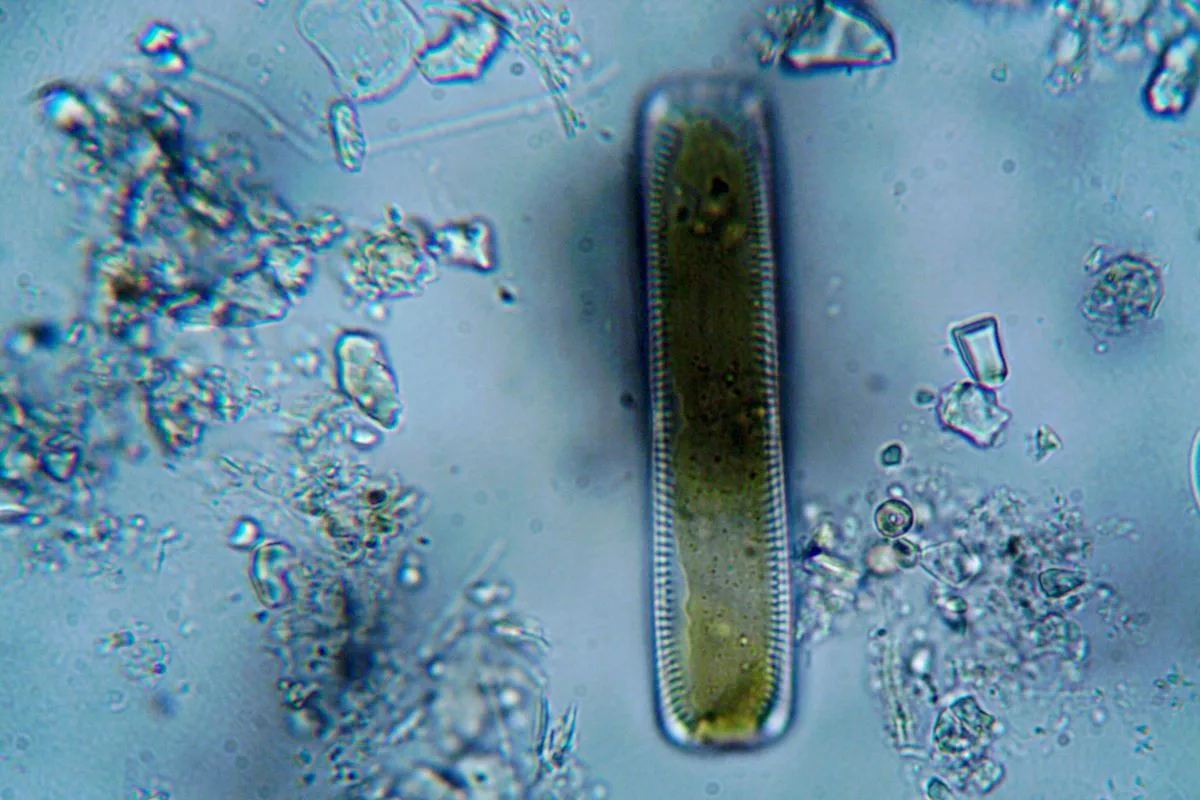
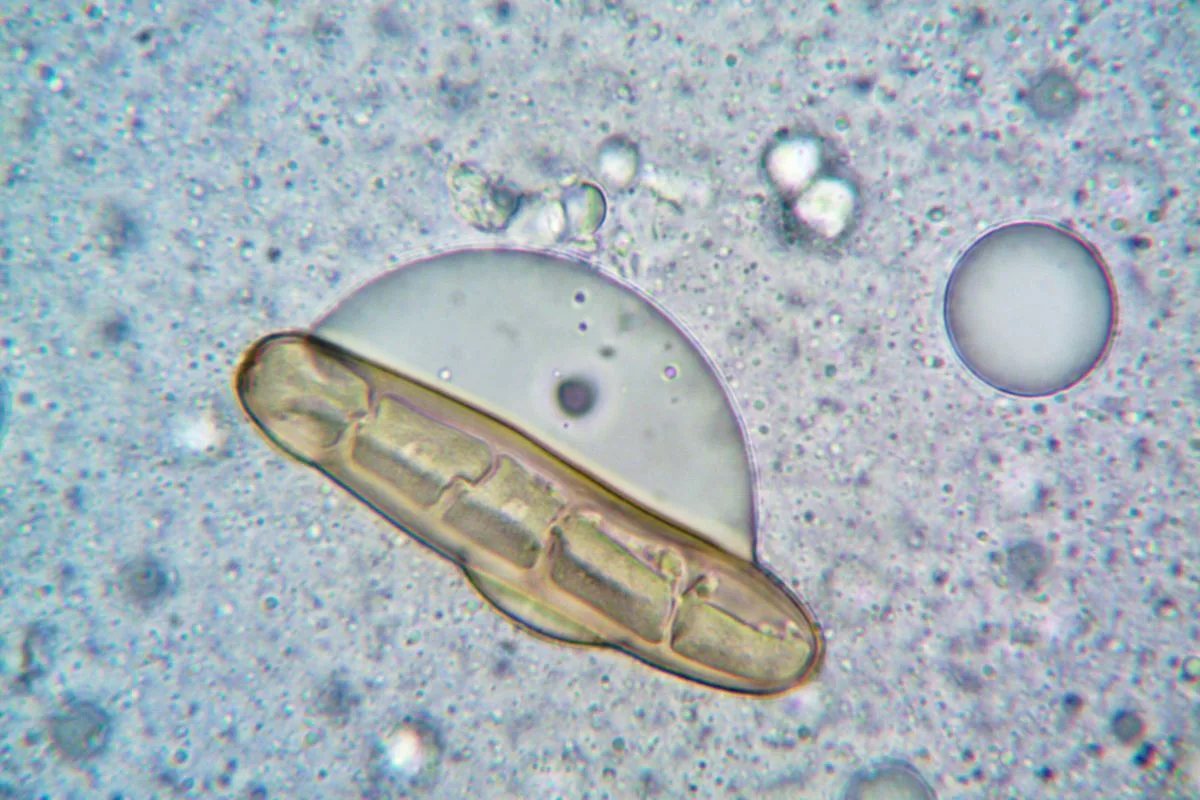
When a tank finishes cycling, it has plenty of available nutrients but has not yet developed the full web of organisms and balance that consume and regulate them. Into that gap step the opportunists: diatoms, a brown dusty film that coats sand and glass, followed often by patches of green algae, and sometimes cyanobacteria or dinoflagellates. They bloom because conditions briefly favor them, feeding on the leftover silicates and nutrients in a young system. This succession of nuisances is not a sign you have done something wrong; it is the predictable, temporary result of a tank that is biologically young and still finding its equilibrium.
Why It Happens
Several factors converge in a new tank to feed the ugly stage. Fresh rock and sand often leach silicates and nutrients, new systems lack the mature microfauna and coralline algae that compete for those resources, and the cleanup crew and corals that will eventually graze and consume nutrients are not yet established. Light over a sparse tank with available nutrients is an open invitation to algae. As the tank ages, beneficial organisms colonize, nutrients stabilize, and the easy resources the nuisances depend on dry up. The ugly stage ends not because you defeat it but because the tank outgrows the conditions that allowed it.
How to Get Through It
The best response is patience combined with steady, unremarkable husbandry. Keep up consistent water changes, avoid overfeeding, use only purified RO/DI water to limit nutrient input, and wipe the glass as needed. Add a modest cleanup crew once the tank can support it to graze the early growth. Resist the urge to overreact with chemicals, drastic measures, or constant changes to your routine, which often prolong the instability rather than ending it. Manually remove what you can during water changes. Above all, do not panic and tear the tank down; the phase is temporary and self-resolving with consistent care.
Signs You Are Coming Out
The ugly stage lifts gradually. You will notice the glass staying clean longer between wipes, the brown diatom film receding from the sand, and patches of algae shrinking instead of spreading. Coralline algae, the desirable purple and pink crust, begins to appear on the rock, a reliable sign of a maturing, balanced system. Your nutrient readings settle into a stable range. These changes signal that the tank has developed the biological balance to regulate itself. From here, with continued consistent care, the reef enters the rewarding phase where corals thrive and maintenance becomes routine.
Why Patience Beats Panic
The strongest instinct during the ugly stage is to fight it aggressively, and that instinct is usually counterproductive. The brown diatom films, wispy algae, and bacterial slime that coat a new tank are not a disease to be cured but a normal phase of a young system finding its balance. Reaching for algaecides, heavy chemical dosing, or drastic measures tends to disrupt the very maturation process that ends the ugly stage on its own, sometimes prolonging the mess rather than shortening it.
What the ugly stage really represents is a tank still building its microbial and biological maturity. The diatoms bloom because the new system has silicates and nutrients to spare and not yet enough competition to consume them. As the tank matures, that surplus gets used up, beneficial organisms establish, and the conditions that favored the blooms quietly disappear. The process is driven by time and stability more than by any product you can add.
That said, patience does not mean total inaction. Sensible, gentle measures help you ride it out: modest water changes to remove excess nutrients, manual wiping of the glass, a conservative light schedule, and using purified RO/DI source water to avoid feeding the blooms. Timing your cleanup crew is part of this too, since adding grazers once there is something for them to eat helps keep surfaces clear without resorting to chemistry.
Trusting the process is genuinely the hardest part of a new tank, but it is also one of the most important lessons the hobby teaches. Tanks that are left to mature with light, consistent care almost always emerge from the ugly stage into clear water and clean rock within a couple of months. Keepers who panic and intervene heavily often find they have only delayed that outcome. Sometimes the most productive thing you can do for a young reef is to test, do your routine maintenance, and wait.
When the ugly stage finally lifts, take it as a meaningful milestone rather than just an aesthetic relief. Clear water and clean rock signal that your tank has matured into a stable, balanced system ready for more sensitive corals and a fuller stocking. The patience it took to get there is exactly the patience the rest of reef-keeping rewards, and surviving the ugly stage without overreacting is often a new reefer’s first real test passed.
Patience Wins This One
The ugly stage is a rite of passage, not a failure. Brown diatoms, transient algae, and murky weeks are simply a young tank finding its balance. Keep your husbandry steady, limit nutrient input, add a cleanup crew, and resist the urge to overreact. Ride it out with patience and the tank matures into the stable, clean, coralline-covered reef you set out to build. Nearly every great tank passed through exactly this phase first.
Related reading
- Reef Tank Lighting Explained: PAR, Spectrum, and Photoperiod for Coral Growth
- Aquascaping a Reef Tank: Stability, Flow, and Coral Real Estate
- Common New-Tank Mistakes That Crash a Reef Cycle
- Budgeting a Reef Tank: True Cost of the First Year