Budgeting a Reef Tank: True Cost of the First Year
Reefkeeping has a reputation for being expensive, and while it can be, much of the sticker shock comes from not knowing where the money actually goes. The first year carries the heaviest costs, the tank and equipment, the rock and sand, the livestock, and the ongoing supplies that add up quietly over twelve months. Going in with a realistic budget prevents the all-too-common situation of a half-finished tank stalled because the money ran out. This guide breaks down the true first-year cost of a reef tank into its major categories so you can plan honestly and avoid budget surprises.
- The tank itself is only a fraction of the true first-year cost.
- Equipment and livestock are the biggest line items.
- Budget for ongoing supplies, not just the initial setup.
The Big Upfront Costs
The largest expenses come at the start. The tank and stand are an obvious cost, but the equipment that goes with them, lighting, flow pumps, a heater, a skimmer, and a source of purified water, often adds up to as much as or more than the tank itself. Rock and sand form another meaningful line item, especially if you choose live rock. These upfront purchases are where most of the first-year money goes, and they are also where cutting corners tends to backfire, since cheap equipment often gets replaced. The chart below shows a rough proportional breakdown of first-year spending across the major categories.
Livestock and Corals
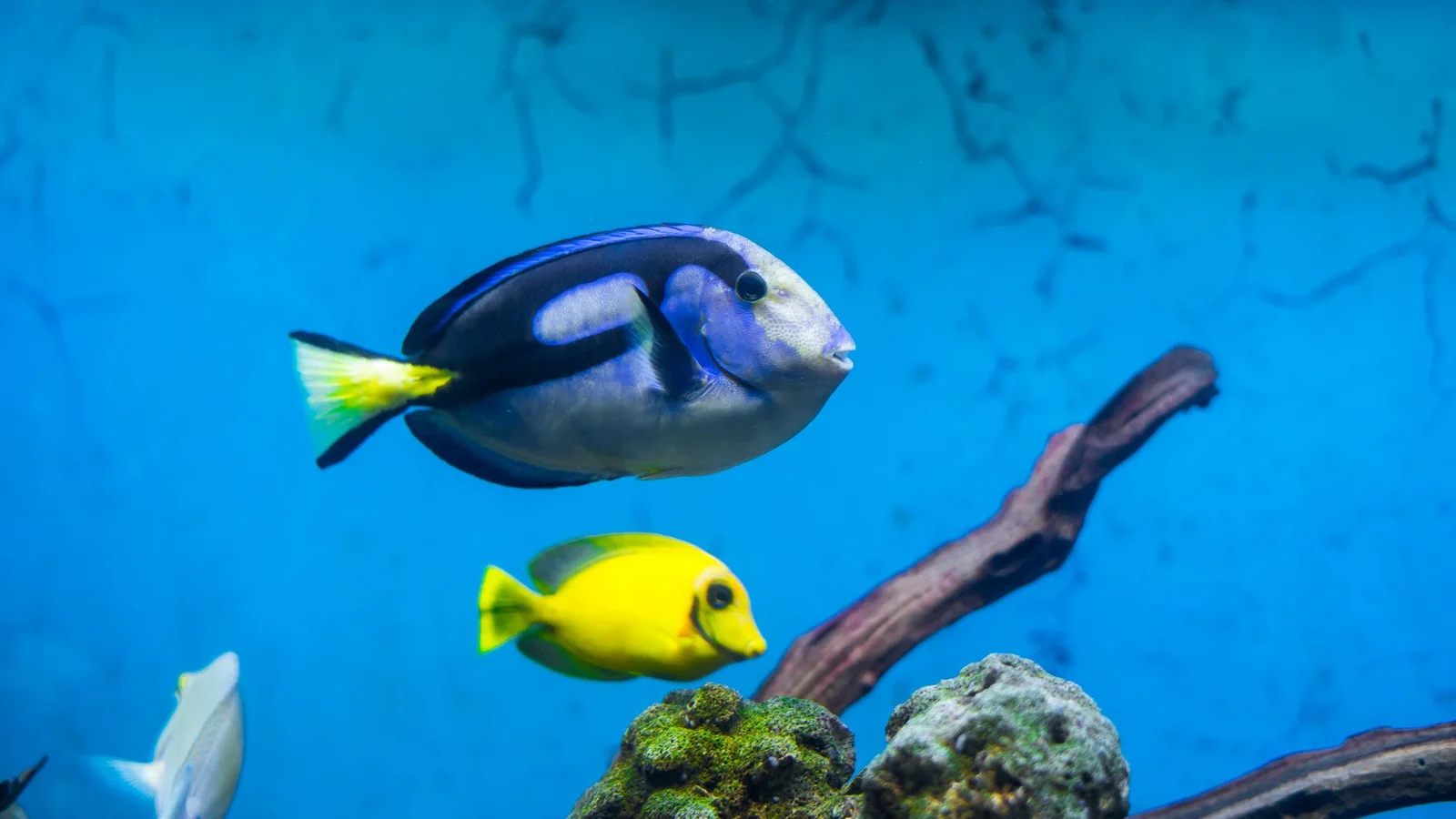
Once the system is running, livestock becomes an ongoing expense spread across the year as you stock slowly. Fish, a cleanup crew, and corals each add up, and because good reefkeeping means adding livestock gradually rather than all at once, these costs are distributed over months. Corals in particular can range from inexpensive hardy frags to pricey designer pieces, so your spending here depends heavily on your taste and discipline. Budgeting livestock as a steady monthly cost rather than a single purchase keeps it manageable and aligns with the slow stocking that produces a healthy tank. Patience here protects both your tank and your wallet.
The Ongoing Supplies
The cost that surprises newcomers most is the steady drip of consumables. Salt mix, replacement filter media, test kit reagents, food, supplements for dosing, replacement RO/DI filters, and electricity all recur month after month, and over a full year they add up to a significant sum that is easy to overlook when planning. These ongoing costs scale with tank size: a larger tank uses more salt, more electricity, and more of everything. Factoring a realistic monthly running cost into your budget from the start prevents the unpleasant surprise of discovering that the hobby costs more to maintain than you expected after the exciting setup phase is over.
Budgeting Realistically
The way to avoid budget trouble is to plan for the whole first year, not just the opening purchase. A useful approach is to total your expected equipment and setup costs, then add a similar amount again for everything else, rock, livestock, and a year of supplies, since the supporting costs often roughly match the headline gear. Build in a buffer for the unexpected, replacement equipment, an extra test kit, a livestock loss, because surprises happen. Choosing the right-sized tank for your budget, and quality equipment you will not need to replace, keeps the long-run cost down. Plan honestly up front and the hobby stays a joy rather than a financial strain.
Where Beginners Overspend and Where to Save
A first-year reef budget is easy to blow, not because the hobby is inherently extravagant but because beginners tend to spend in the wrong places, and learning where money matters keeps costs sane. The most common trap is impulse buying, snapping up gadgets, additives, and livestock on enthusiasm rather than need. A great deal of early spending goes to equipment that sits unused or supplements the tank never required, so pausing before each purchase to ask whether it solves a real problem saves a surprising amount.
The flip side is knowing where not to cut corners. The equipment that protects livestock, a reliable heater, a quality light if you keep coral, and a dependable source of pure water, is worth buying well the first time, because failures here cost animals and replacements. Skimping on a cheap heater or an inadequate light often leads to spending more later to fix the consequences, making the bargain a false economy.
The used market is a beginner’s best friend for stretching a budget. Reef-keepers upgrade constantly, so tanks, lights, pumps, and skimmers in excellent condition turn up secondhand at a fraction of retail. Buying gently used hardware, particularly durable items like tanks, stands, and pumps, frees up money for the consumables and livestock that cannot be bought used, and local reef clubs and online groups are full of such deals.
Some costs can be trimmed with a bit of effort rather than cash. Mixing your own saltwater from a quality salt and an RO/DI unit is far cheaper over time than buying pre-mixed water, simple DIY solutions can replace pricey accessories, and propagating or trading frags within a local community builds a coral collection at little cost. These approaches reward patience and involvement with real savings across the first year and beyond.
The overarching principle is to spend deliberately on what keeps the tank healthy and to resist spending on what merely looks appealing in the moment. A reefer who invests in solid core equipment, shops the used market for the rest, avoids impulse purchases, and embraces a few money-saving habits can build a thriving first-year reef for far less than one who buys everything new on impulse. Thoughtful spending, not a big budget, is what makes the hobby affordable.
Plan for the Whole Year
The true first-year cost of a reef tank goes far beyond the tank itself, with equipment, livestock, rock, and a year of supplies making up the bulk. Budget for all of it from the start, add a buffer for surprises, and favor right-sized, quality gear that you will not have to replace. Plan honestly across the full year and you avoid the stalled, half-finished tanks that catch reefers who budgeted only for the exciting first purchase.
Related reading
- Adding Your First Fish: Stocking Order for a New Reef Tank
- Beginner Corals: The Best First Corals for a New Reef Tank
- How to Set Up Your First Saltwater Reef Tank: A Step-by-Step Guide
- Reef Tank Lighting Explained: PAR, Spectrum, and Photoperiod for Coral Growth