Mushroom Corals: The Bulletproof Beginner Coral
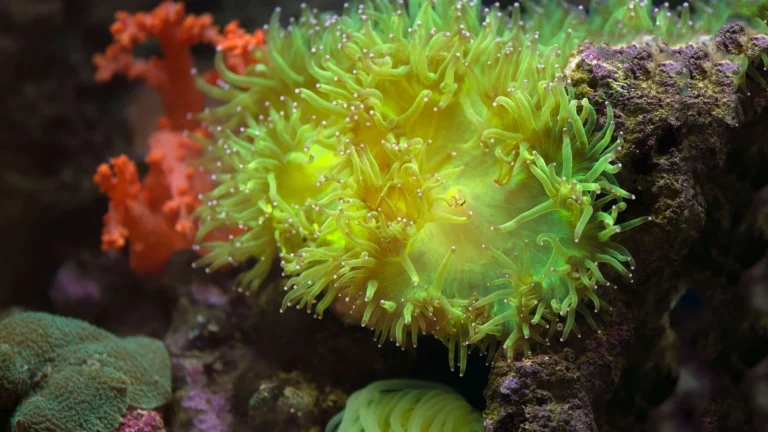
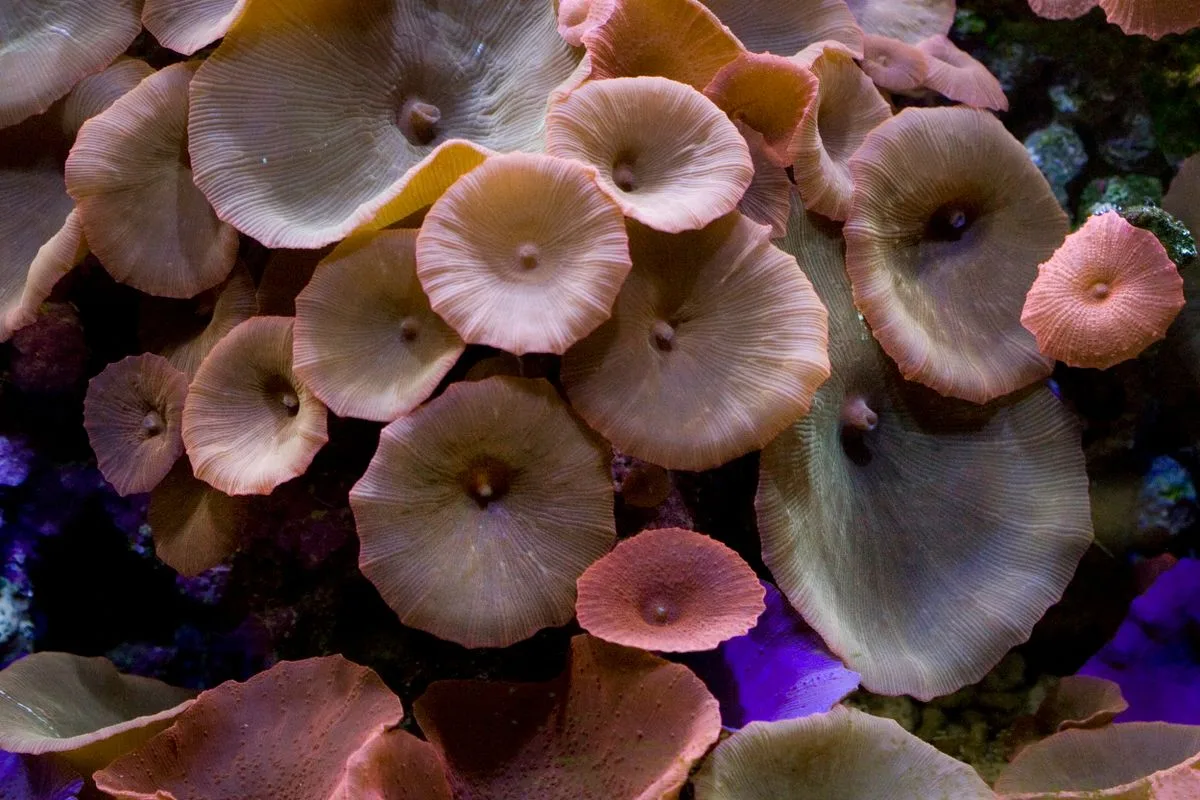
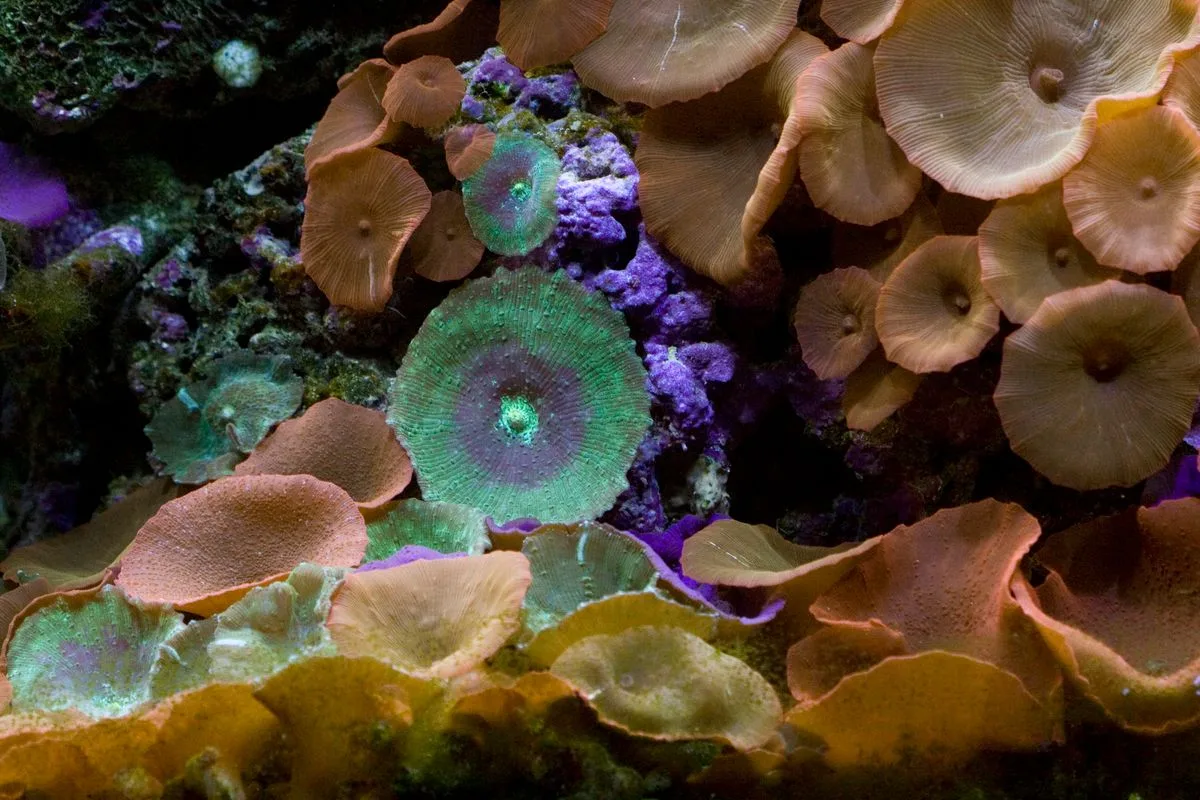
If there were a single coral to recommend to every brand-new reefer, mushroom corals would top many lists. These soft, fleshy disc-shaped corals are about as forgiving as a coral can be, thriving in conditions that would kill more delicate species, and they come in a surprising range of colors and textures. They tolerate low light, gentle flow, and the imperfect water of a young tank, and they multiply readily, rewarding beginners with visible growth. This guide explains why mushroom corals are the bulletproof beginner coral, how to care for them, and how to grow a colorful, spreading mushroom garden.
- Mushrooms tolerate low light, gentle flow, and imperfect water.
- They thrive in the lower, shaded regions of the tank.
- They multiply readily, making them rewarding for beginners.
Why Mushrooms Are So Forgiving
Mushroom corals earn their bulletproof reputation through sheer hardiness. They are soft corals with no skeleton to maintain, so they place almost no demand on your calcium and alkalinity, and they evolved in shallow, variable conditions that make them shrug off the nutrient swings and lighting imperfections of a new tank. They tolerate low light, gentle flow, and water that is far from perfect, surviving and even thriving where pickier corals would melt. For a beginner whose parameters are still settling and whose routine is still forming, this forgiveness is invaluable. Mushrooms give you a real, growing coral with a very high margin for the inevitable early mistakes.
Ideal Conditions
While mushrooms tolerate a wide range, they have clear preferences that bring out their best. They generally favor lower light, making the shaded lower and middle regions of the tank ideal; under intense light they may shrink or lose color. They like gentle, indirect flow, since strong current keeps them from opening fully and can detach them. Interestingly, mushrooms often color up best and grow largest in slightly higher-nutrient conditions than many other corals prefer, which suits a maturing tank. Place them on rock in a calm, shaded spot, watch them open and inflate, and adjust as needed. Meeting these modest preferences turns survival into vigorous, colorful growth.
Growing a Mushroom Garden
One of the great pleasures of mushrooms is how readily they spread. Under stable conditions they multiply by dividing and by dropping small daughter polyps that settle and grow nearby, gradually forming a carpet across the rock. To encourage this, give them open rock to colonize, keep conditions stable, and consider occasional feeding, since mushrooms will absorb small particulate foods that can boost growth. You can also propagate them deliberately by cutting a mushroom, with each piece growing into a new individual. Over time a single frag becomes a thriving, multiplying garden, giving beginners the satisfying, visible progress that builds confidence and makes the hobby rewarding early on.
Choosing and Adding Mushrooms
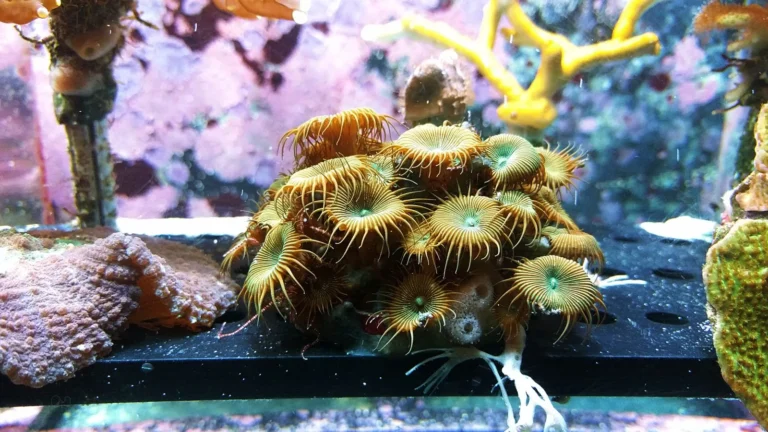
Mushrooms come in many varieties, from the smooth discosoma to the bumpy, textured rhodactis and the striking ricordea, spanning a huge range of colors and patterns at generally affordable prices. When adding them, acclimate and dip them as you would any coral to avoid importing pests, then place them in a calm, shaded spot where you can watch them settle. Give them time to attach, which can take days, and avoid moving them repeatedly. Start with a few hardy, inexpensive varieties to build your collection and confidence. As beginner corals go, mushrooms offer an unbeatable combination of low cost, easy care, vivid color, and rewarding growth.
When Mushrooms Multiply, Detach, and Spread
Mushroom corals are prized for being bulletproof, but that same hardiness comes with a quirk worth understanding: they reproduce readily and can spread more vigorously than a beginner expects. A single mushroom can multiply by splitting, by budding from its base, and by shedding small pieces that settle and grow into new polyps elsewhere in the tank. This eagerness to propagate is part of their charm, but it means a small frag can become a sprawling colony over time.
Detaching and wandering is normal mushroom behavior. A mushroom that is unhappy with its placement may release its grip and float to a new spot, which can be alarming the first time it happens but is usually just the coral relocating to conditions it prefers. Placing mushrooms in low to moderate light and gentle flow, where they tend to be content, reduces this wandering, and a detached mushroom can be coaxed to reattach by setting it in a quiet spot among rubble.
Their readiness to spread makes relocation easy but control occasionally necessary. Because pieces of a mushroom will grow into new polyps, you can deliberately propagate them by cutting or by letting them bud, building a mushroom garden quickly and cheaply. The same tendency means that in time mushrooms can encroach on neighbors or cover more rock than you intended, so keeping them on a dedicated rock or island helps contain an enthusiastic colony.
Managing an overgrown patch is straightforward. Mushrooms can be peeled or scraped from rock, though they are tenacious and bits left behind will regrow, so removing the whole polyp and its base works best. Relocating them onto a separate stone that you can lift out makes future management simple, letting you trade or move excess polyps rather than fighting them as they expand across the aquascape.
Embraced rather than feared, the mushroom’s vigor is a gift to a new reefer. It delivers fast, satisfying growth, an easy source of frags to share or trade, and a forgiving coral that tolerates the conditions of a young tank. Understanding that they multiply, occasionally wander, and can spread enthusiastically simply lets you enjoy and direct that energy, turning one of the hobby’s hardiest corals into a thriving, manageable display.
The Perfect First Coral
Mushroom corals are the ideal first coral: hardy enough to forgive a beginner’s learning curve, undemanding on chemistry, and quick to multiply into a colorful garden. Give them lower light, gentle flow, and stable conditions, dip them before adding, and let them spread across your rock. Start with a few affordable varieties and watch them grow. Few corals offer so much reward for so little risk, which is exactly why mushrooms belong in nearly every new reef tank.
Related reading
- How to Frag Corals: A Beginner’s Guide to Propagation
- Soft Corals vs. LPS vs. SPS: Understanding Coral Types
- Beginner Corals: The Best First Corals for a New Reef Tank
- Reef Tank Lighting Explained: PAR, Spectrum, and Photoperiod for Coral Growth