Aquascaping a Reef Tank: Stability, Flow, and Coral Real Estate
Aquascaping is where a reef tank becomes art, but it is also far more than decoration. The way you arrange your rock determines water flow, coral placement, biological filtration, and even the long-term health of the tank, and a beautiful scape that ignores function will fight you for years. The best aquascapes balance aesthetics with practical principles: stability so nothing topples, open structure so flow reaches everywhere, and plenty of surfaces for corals. This guide covers the principles of aquascaping a reef tank so you can build a structure that is both stunning to look at and genuinely good for your reef.
- Build stable structures that cannot shift or collapse.
- Leave open space for flow to reach every surface.
- Create varied light and flow zones and ample coral real estate.
Start With Stability
Before anything else, an aquascape must be structurally sound, because a rockslide can crush corals, injure fish, and even crack glass. Build on a stable foundation, placing base rock directly on the bottom or on the glass rather than on the sand, where burrowing animals can undermine it. Many reefers bond rock together with reef-safe epoxy or cured glue, or use acrylic rods and supports, to create rigid, interlocking structures that cannot shift. Test every structure by gently nudging it before adding livestock. A scape that looks dramatic but wobbles is a liability; stability is the non-negotiable foundation that every other aquascaping goal is built upon.
Design for Flow
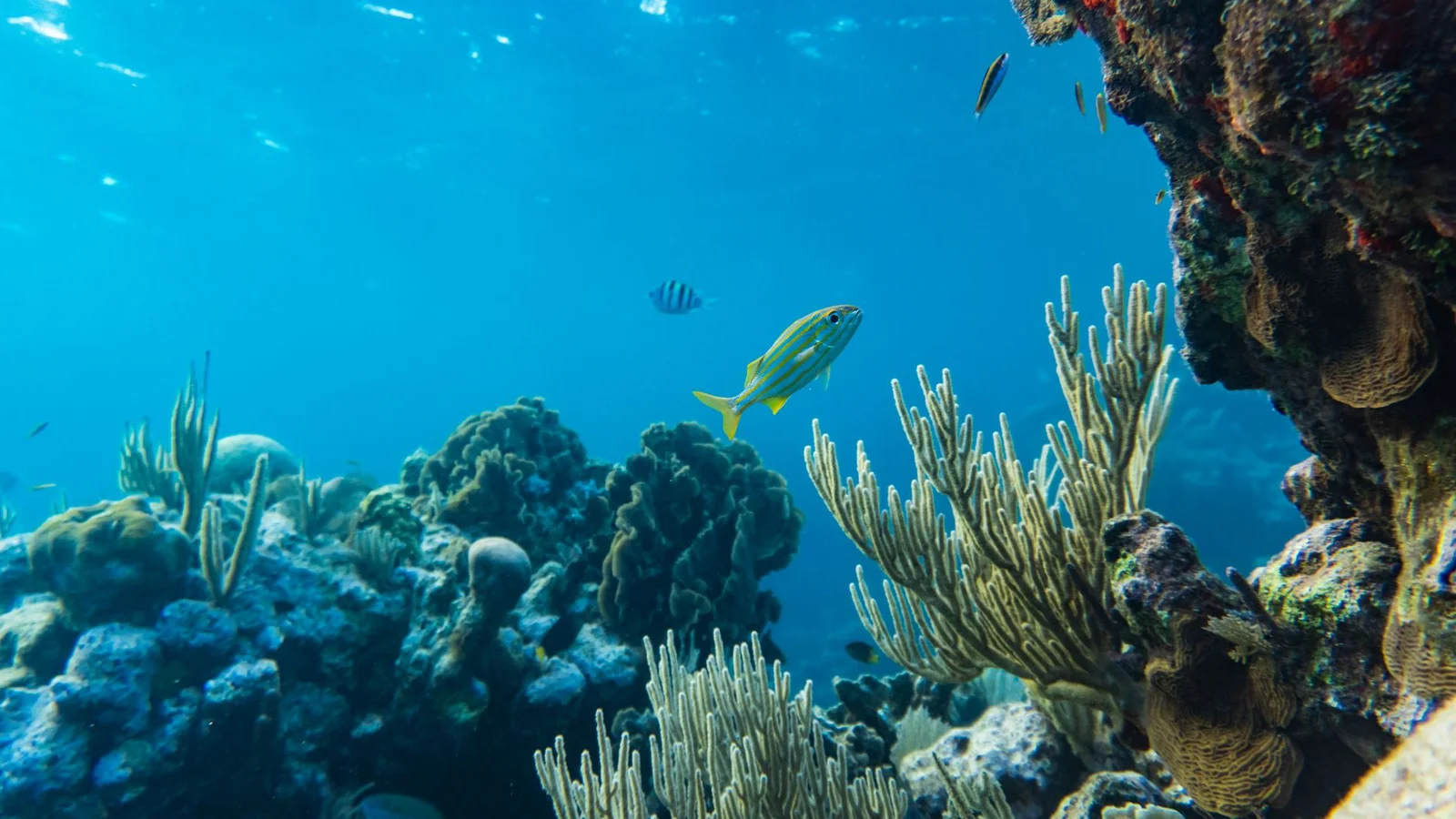
A common mistake is building a solid wall of rock against the back glass, which blocks flow, creates dead spots behind it where detritus rots, and limits coral placement. Better aquascapes are open and airy, with gaps, arches, and overhangs that let water circulate through and around the structure, reaching every surface. Pulling rock away from the glass and leaving channels for flow prevents stagnant zones and keeps detritus suspended for export. Think of your scape as something water should move through, not around. An open structure not only improves flow and reduces dead spots but also looks more natural and gives you far more usable surface for corals.
Create Zones and Coral Real Estate
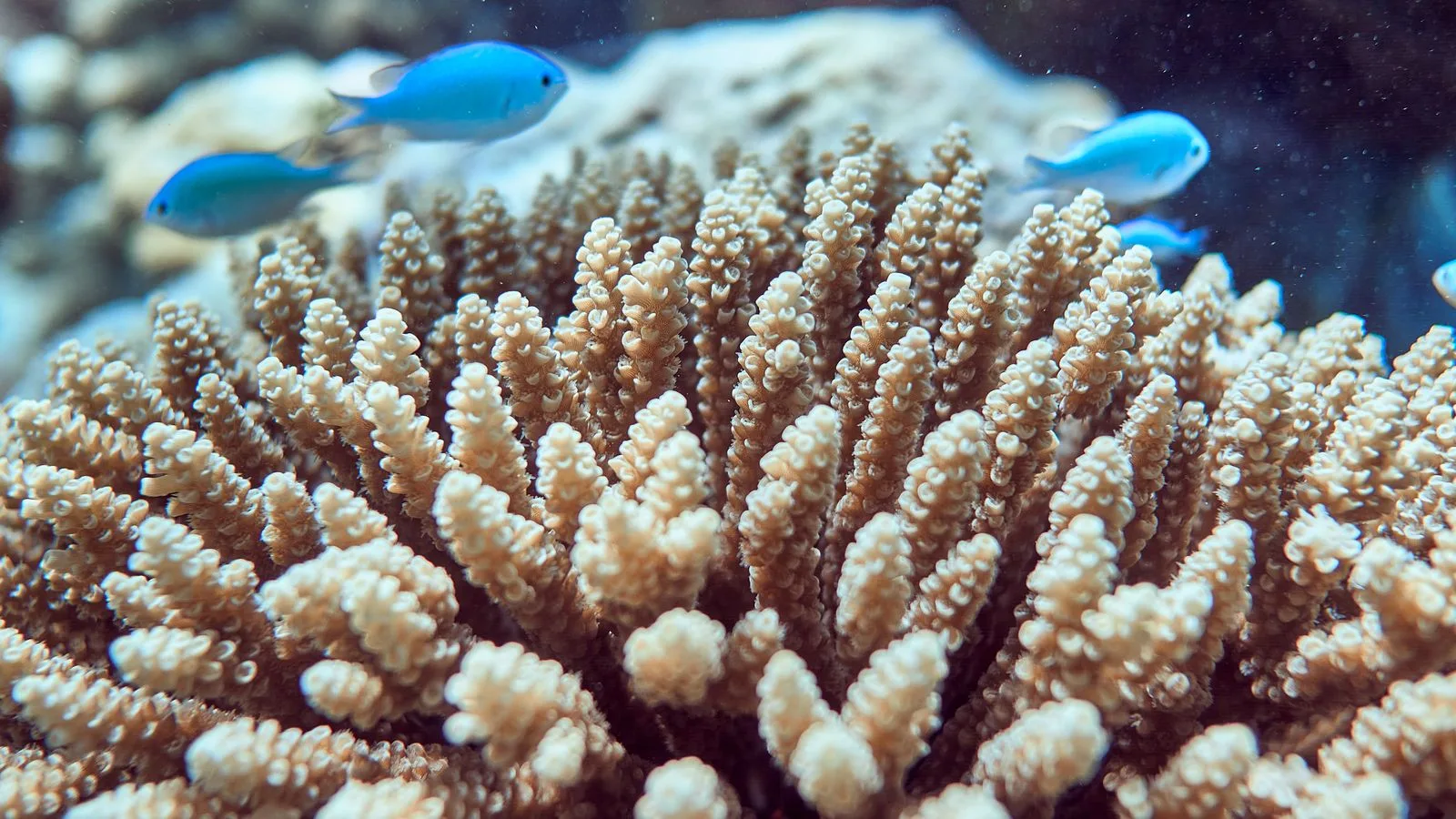
A good scape provides varied environments and plenty of places to mount corals. By building structure of different heights and orientations, you naturally create light and flow zones, brighter, higher-flow areas up top for SPS, and shaded, gentler spots below for softies and LPS, so you can place each coral where it thrives. Aim to maximize usable surface and ledges where frags can be glued and given room to grow, while keeping the design open. Leave space between potential coral spots for growth and to manage aggression. Thoughtful structure turns your rockwork into a varied landscape with a place for every kind of coral.
Balancing Form and Function
The art of aquascaping is uniting beauty with all these practical needs. Aim for a natural, pleasing composition, using techniques like negative space, asymmetry, and a sense of depth, while honoring stability, flow, and coral placement. Avoid overfilling the tank with rock; less is often more, leaving open sand and water that look better and flow better. Plan your scape before livestock arrive, since rearranging a stocked tank is disruptive, and remember that corals will grow and reshape the look over time. Strive for a structure that is both visually striking and functionally sound, and your aquascape becomes a foundation that serves the reef as beautifully as it displays it.
Embracing Open Space and Negative Space
One of the most common aquascaping regrets is using too much rock, and learning to value open space transforms both the look and the function of a reef. Beginners often fill a tank wall to wall, picturing a dense reef, but the result is a heavy wall of rock that limits swimming room, traps detritus, and leaves little room for corals to grow into. The most striking aquascapes typically use less rock, not more, letting open water and negative space do much of the work.
Negative space gives a scape its sense of depth and drama. Arranging rock into separate islands or bommies, leaving gaps and open sand between structures, and pulling the rockwork away from the back glass creates sight lines and a feeling of openness that a solid mound cannot. These open areas also become swimming lanes for fish and clear zones where flow can circulate freely, so the aesthetic choice doubles as a functional one.
Using less rock improves the tank’s health in concrete ways. Open sand and water let flow reach every surface, preventing the dead spots where detritus settles and nuisance algae or cyanobacteria take hold. Fewer, well-placed rocks are easier to keep clean and to maintain around, and the reduced rock still provides ample biological filtration and hiding places without choking the tank. Restraint here pays off in stability as much as in appearance.
Open structure also plans for the future. Corals grow, sometimes dramatically, and a scape that looks sparse on day one fills in as colonies expand to claim the space you left them. Crowding rock and corals together at the start guarantees a tangled, overgrown mess within a year, whereas leaving generous room lets each piece develop its natural shape and keeps the reef looking intentional as it matures.
The guiding idea is that the empty areas are as important as the rock itself. A scape built on a few stable, well-separated structures surrounded by open water and sand creates depth, supports strong flow, eases maintenance, and gives corals room to flourish. Resisting the urge to fill every inch, and trusting that less rock makes a better reef, is one of the most valuable aquascaping lessons a new reefer can learn early.
Beautiful and Functional
Great aquascaping marries art and function: stable structures that cannot collapse, open designs that let flow reach everywhere, and varied zones with ample real estate for corals. Build on a solid foundation, leave room for water to move, create light and flow zones, and aim for a natural, uncrowded composition. Plan it before stocking and let corals fill it in over time. Build your scape with these principles and it will look stunning while genuinely supporting the health of your reef.
Related reading
- Reef Tank Lighting Explained: PAR, Spectrum, and Photoperiod for Coral Growth
- Powerheads and Flow: Designing Water Movement in a Reef Tank
- Coral Placement: Light and Flow Zones in Your Tank
- Common New-Tank Mistakes That Crash a Reef Cycle
Sources & further reading
What You’ll Want on Hand
This site is an Amazon Associate and may earn a commission from qualifying purchases via these links.
- Shop wavemakers and powerheads — Flow design is half of what keeps corals healthy and pest-free
- Compare reef aquascaping rock on Amazon — The rockwork you start with shapes flow and coral placement for years