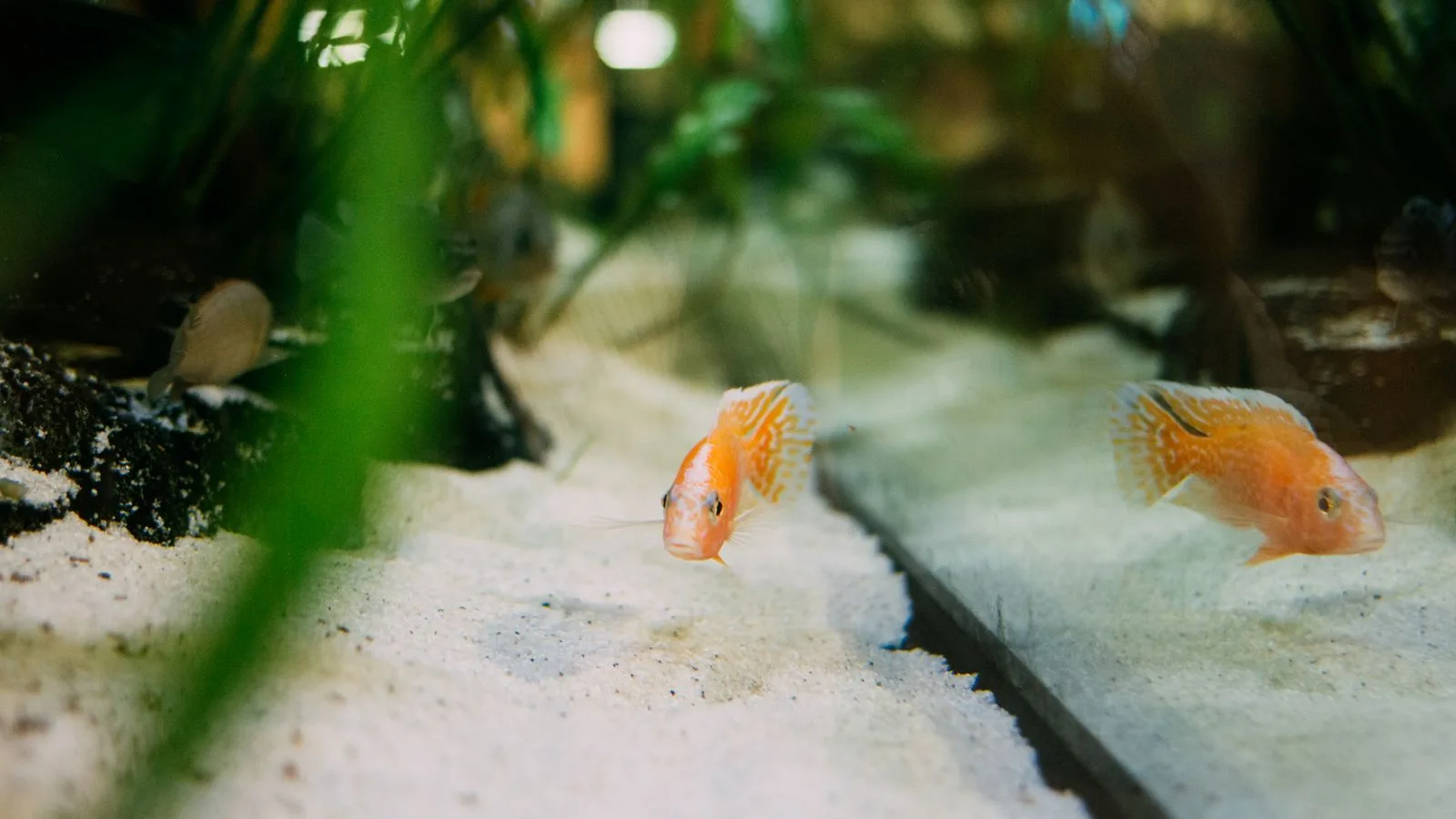
Sand Bed Options for Reef Tanks: Bare Bottom, Shallow, or Deep
The choice of what goes on the bottom of your reef tank, deep sand, a shallow layer, or bare glass, shapes the look, the maintenance, and even the filtration of your system. Each option has passionate advocates and real trade-offs, and there is no single right answer, only the right answer for your goals. A sand bed adds natural beauty and habitat but requires care to keep clean, while a bare bottom prioritizes flow and easy maintenance at the cost of a natural look. This guide compares reef sand bed options so you can choose the substrate approach that fits the tank you want to keep.
- Shallow sand beds balance looks and easy maintenance.
- Bare bottom maximizes flow and cleanliness but looks stark.
- Deep sand beds add filtration but need careful management.
What a Sand Bed Does
A sand bed is more than decoration. It provides a natural-looking foundation, a home for sand-dwelling animals like certain gobies and burrowing creatures, and additional surface area for beneficial bacteria. Depending on depth, it can also play a role in filtration, hosting bacteria that process waste. But sand also collects detritus, which can become a nutrient sink if not managed, and it can be stirred into the water by strong flow or digging animals. Understanding these roles and trade-offs is the starting point for choosing a substrate. The chart below compares the main options on the factors that matter most when deciding what to put on your tank bottom.
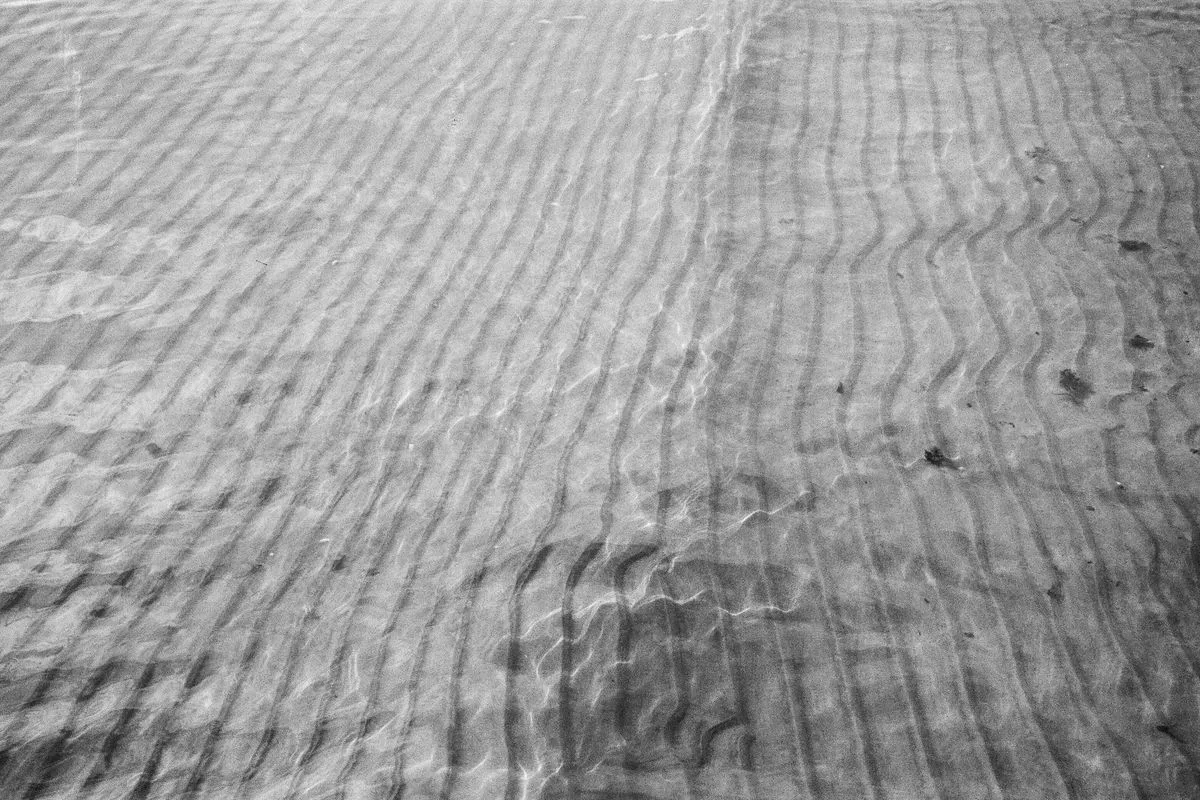

Shallow Sand Beds
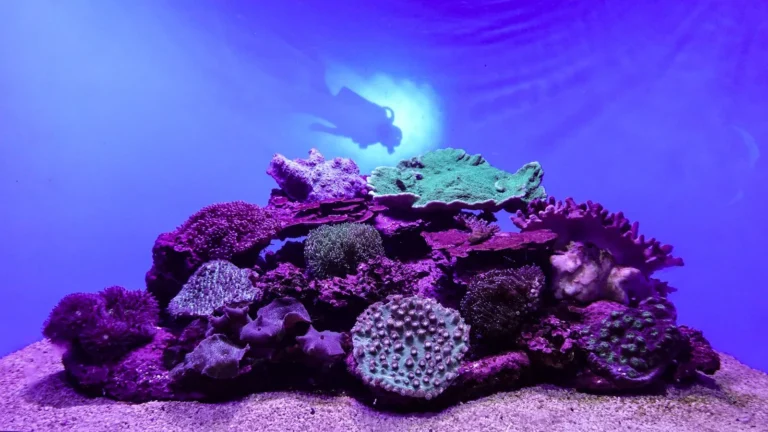
A shallow sand bed, typically an inch or so deep, is the most popular choice for good reason: it offers the natural appearance and habitat benefits of sand while being easy to keep clean. Detritus that settles can be vacuumed during water changes, and the layer is too thin to develop the problems a deep bed sometimes does. It supports sand-sifting animals and beneficial bacteria, looks natural, and forgives a range of flow setups. For most reefers, especially beginners, a shallow sand bed strikes the best balance between aesthetics, function, and maintenance, which is why it is the default recommendation for the majority of tanks.
Bare Bottom
A bare-bottom tank skips substrate entirely, leaving the glass exposed. Its advantages are practical: with no sand to trap detritus, waste stays suspended in the strong flow many bare-bottom keepers run and gets exported by filtration, keeping the system very clean and making it easy to see and remove debris. This approach is favored in some high-flow SPS systems where maximum cleanliness and flow matter. The downsides are aesthetic and biological: a bare bottom looks stark and unnatural to many, removes the habitat that sand-dwelling animals need, and gives up the sand bed’s surface area and buffering. For reefers who prioritize function over a natural look, though, it is a clean, effective choice.

Deep Sand Beds
A deep sand bed, several inches thick, aims to provide natural denitrification: in its lower, oxygen-poor layers, specialized bacteria convert nitrate into nitrogen gas, removing it from the system. Done well, this adds a meaningful filtration pathway and a rich habitat for sand fauna. The catch is management; a deep bed accumulates detritus and nutrients over time and, if disturbed or neglected, can release them, so it requires careful, stable handling and is less forgiving than a shallow bed. Deep sand beds reward reefers who understand and maintain them but can cause trouble for those who do not. They are a more advanced choice best entered into knowingly.
Grain Size, Sand Sifters, and Keeping a Bed Clean
Choosing sand is not only about depth but also about grain size, and that choice shapes how the bed behaves day to day. Finer sand looks natural, supports sand-sifting animals, and packs into a smooth bed, but it is light enough to blow around in strong flow and can compact over time. Coarser sand and crushed substrates resist blowing and allow more water flow through the bed, but they also trap detritus in their larger gaps, where it can accumulate if not disturbed.
Matching grain size to your flow and livestock avoids common headaches. A tank with vigorous flow may kick fine sand into drifts and bare patches, so a slightly heavier grain holds its place better, while a tank with gentle flow can carry fine sand without trouble. If you want sand-sifting gobies or other animals that sift the substrate for food, a fine to medium grain suits them, whereas very coarse substrate can be hard on their mouths and gills.
Sand-sifting livestock can help keep a bed turned and clean. Certain gobies, conchs, snails, and other detritivores work the top layer of the sand, eating detritus and algae and keeping the surface from caking over. These animals are useful allies, though they need a bed deep and fine enough to work and enough food to sustain them, so they complement rather than replace your own maintenance of the sand bed.
Manual cleaning keeps detritus from building into a problem. Periodically blowing the surface of the sand with a turkey baster or a powerhead during maintenance lifts trapped waste into the water column where the filter and skimmer can capture it, and on shallow beds many reefers lightly vacuum the top layer during water changes. Keeping flow strong enough to prevent dead spots over the sand also stops detritus from settling and rotting in the first place.
How much you intervene depends on the bed you have chosen, but the goal is the same: a sand bed that stays clean and stable rather than turning into a detritus trap. A grain size suited to your flow, a few sand-sifting helpers where appropriate, and a habit of blowing off the surface during maintenance together keep the substrate doing its job, looking good, and contributing to water quality instead of quietly working against it.
Choose the Bottom That Fits
There is no universally best substrate, only the one that fits your priorities. A shallow sand bed suits most reefers, balancing natural looks, habitat, and easy maintenance. A bare bottom maximizes flow and cleanliness for function-focused tanks at the cost of appearance. A deep sand bed adds natural filtration but demands careful management. Weigh aesthetics, maintenance, and filtration against the tank you want, and choose the sand bed approach that matches your goals and your willingness to manage it.
Related reading
- Anemones in Reef Tanks: Are They Right for You?
- Invertebrates for Reef Tanks: Shrimp, Stars, and Urchins
- Temperature Control for Reef Tanks: Ranges, Chillers, and Safety
- Trace Elements in Reef Tanks: Do You Need to Dose Them?
Sources & further reading
Helpful Gear for This Project
The gear links below go to Amazon; as an Associate, this site earns from qualifying purchases.
- See current reef aquascaping rock options — The rockwork you start with shapes flow and coral placement for years