Why Your Coral Isn’t Growing (and How to Fix It)
Few frustrations in the hobby compare to a coral that simply sits there, alive but refusing to grow, week after week. Stalled growth is rarely a mystery once you work through the usual suspects systematically. Corals grow when their core needs, stable chemistry, appropriate light and flow, adequate nutrients, and freedom from irritation, are all met, and a shortfall in any one of them can bring growth to a halt. This guide walks through the most common reasons corals stop growing and the practical fixes for each, so you can diagnose your own tank and get your corals building again.
- Unstable alkalinity is the most common growth killer.
- Check light, flow, nutrients, and irritation in turn.
- Stable conditions over time, not a quick fix, restart growth.
Start With Stability
The single most common reason stony corals stop growing is unstable chemistry, particularly swinging alkalinity. Corals build skeleton from a steady supply of carbonate, calcium, and magnesium, and even a tank with good average numbers will stall corals if those numbers bounce around. Before looking anywhere else, test your alkalinity, calcium, and magnesium over several days and check not just whether they are in range but whether they are holding steady. If they swing, stabilizing them with consistent dosing is almost always the fix. Many a stalled coral starts growing again simply because its keeper got alkalinity locked in place.
Light and Flow
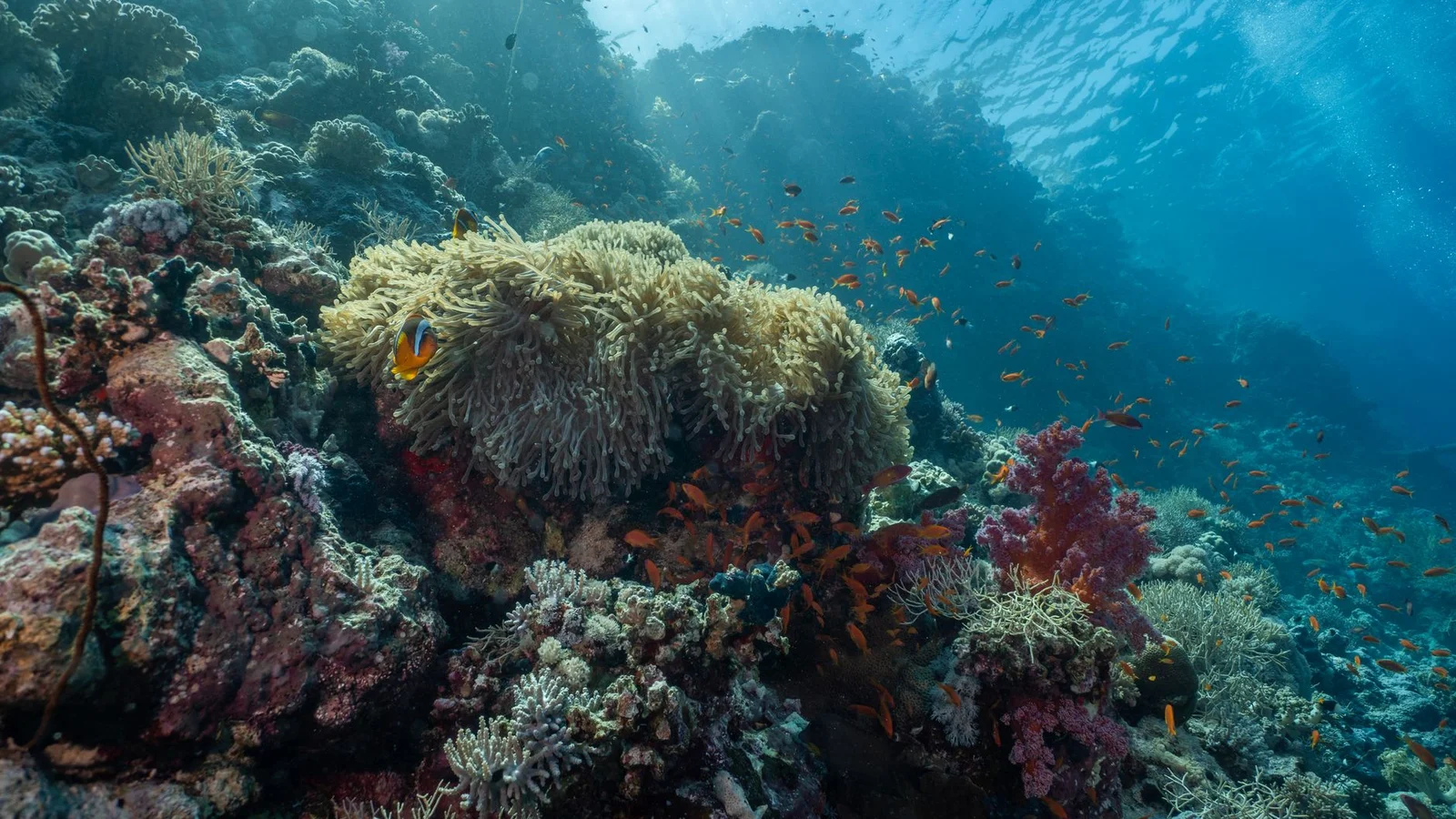
If chemistry is stable, look at light and flow. A coral receiving too little light cannot photosynthesize enough to grow, while too much light stresses it into a defensive holding pattern; both stall growth. Similarly, inadequate flow lets detritus settle on the coral and starves it of the water exchange it needs, while excessive flow keeps it retracted and unable to feed. Check that the coral is placed in the right zone for its type and observe its behavior: a happy coral extends fully and shows good color. Moving a stalled coral to better-matched light and flow frequently breaks the logjam and resumes growth.
Nutrition
Corals also need nutrients, and a tank run too lean can starve them into stasis. If your nitrate and phosphate are bottomed out near zero, corals may look pale and refuse to grow simply because there is nothing to feed their symbiotic algae or their tissue. Raising nutrients into a moderate range by feeding more generously, and feeding some corals directly, often restarts growth in a sterile tank. Conversely, extremely high nutrients can also slow some corals while fueling algae that competes with them. As with everything in reefkeeping, the target is a balanced, moderate level rather than either extreme.
Irritation and Patience
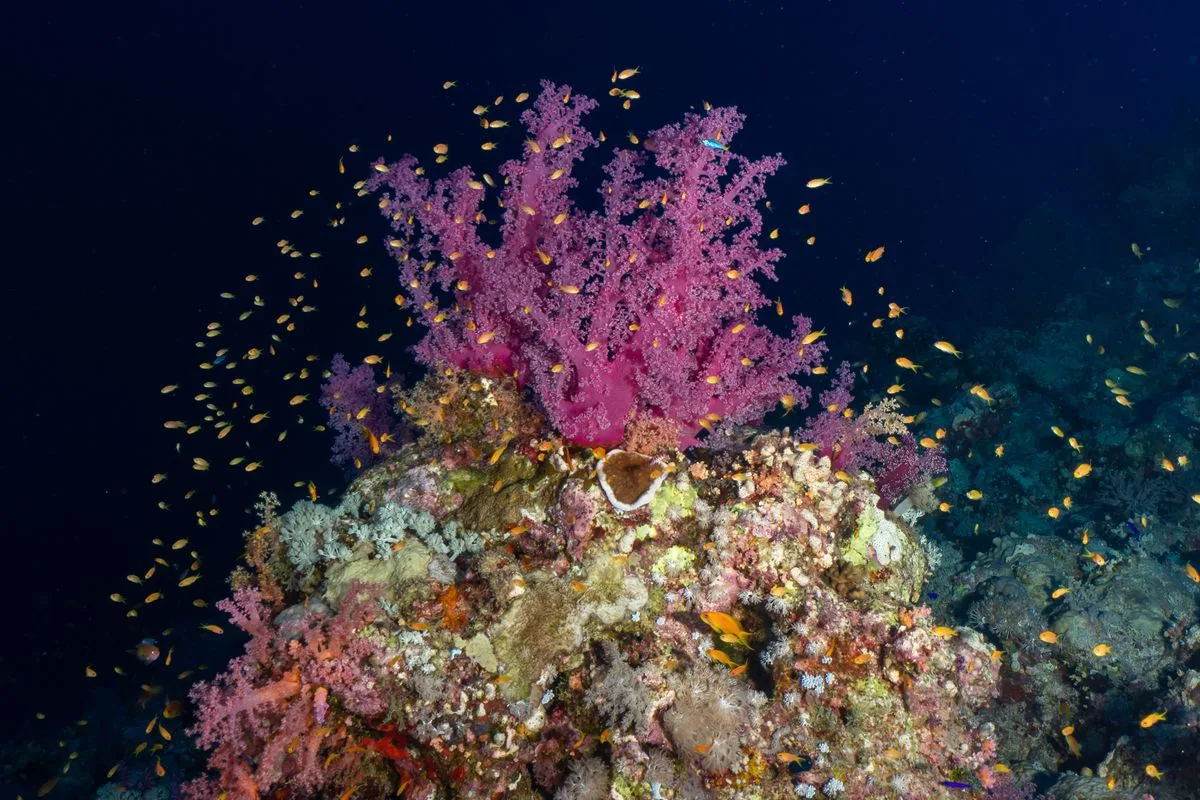
Finally, check whether something is bothering the coral. A neighbor stinging it with sweeper tentacles, a pest nipping at it, or a fish picking at its polyps will keep a coral closed and stalled no matter how perfect the water. Inspect at night when sweeper tentacles extend, look for pests, and give aggressive corals more space. And remember that some corals, especially certain SPS, are simply slow, and that growth resumes gradually after you fix a problem, not overnight. Once conditions are right, the real cure is stable patience: corals reward weeks of steady, correct conditions with renewed, visible growth.
Hidden Pests and Stressors That Stall Growth
When stability, light, flow, and nutrition all look right but a coral still refuses to grow, the cause is often something less obvious, and pests top that list. Tiny predators such as coral-eating flatworms, nudibranchs, or small crabs can nibble a coral persistently, keeping it stressed and closed without killing it outright. A coral that stays sullen for no clear reason deserves a close inspection under good light, ideally after dark when many pests emerge.
Neighboring corals can stall growth through chemical warfare. Many corals release compounds into the water or extend stinging sweeper tentacles to defend territory, and a coral parked too close to an aggressive neighbor may sit perpetually irritated. Sometimes simply moving a stalled coral a few inches away from a chemically aggressive competitor is all it takes to let it relax and resume growing, even when every water parameter is perfect.
Subtle environmental stressors are easy to miss. Stray electrical voltage in the water from a failing piece of equipment, a heater that lets temperature drift more than your thermometer catches, or a powerhead that has clogged and quietly reduced flow can all suppress growth. Periodically verifying that equipment is doing what you think it is doing, and grounding the tank if you suspect stray voltage, rules out these invisible culprits.
Allelopathy and overcrowding deserve a mention as the tank matures. As corals grow and the reef fills in, the cumulative chemical load from many competing corals can hold back the more sensitive species, particularly SPS. Running activated carbon, keeping up with water changes, and giving corals adequate spacing all reduce this background chemical pressure and let slower or fussier corals find their footing.
The takeaway is that a stalled coral is sending a message, and the cause is sometimes hiding outside the usual checklist. Once you have confirmed the fundamentals, widen the search to pests, aggressive neighbors, failing equipment, and chemical crowding. Methodically eliminating these hidden stressors, while continuing to give the tank time and stability, usually uncovers the bottleneck and lets a stubborn coral finally take off.
Working through these less obvious causes takes patience, but it is usually rewarded with an answer. A coral that has been stalled for weeks often surges back to life once the hidden stressor, whether a pest, an aggressive neighbor, or a quietly failing piece of equipment, is finally removed. Methodical detective work, combined with the steady stability corals crave, almost always gets a stubborn coral growing again.
Fix the Cause, Then Wait
A coral that will not grow is almost always telling you that one of its needs is unmet. Work through the list in order: stabilize chemistry first, then check light and flow, then nutrition, then irritation. Correct what you find, and then give the coral the steady, consistent conditions it needs to respond. Growth rarely resumes instantly, but with the underlying problem fixed and patience applied, a stalled coral almost always starts building again.
Related reading
- Reef Tank Lighting Explained: PAR, Spectrum, and Photoperiod for Coral Growth
- Diagnosing a Sick Coral: Bleaching, STN, and RTN
- Coral Aggression: Sweeper Tentacles and Chemical Warfare
- Aquascaping a Reef Tank: Stability, Flow, and Coral Real Estate