Best Nano Reef Tanks Under 20 Gallons
Nano reef tanks pack the beauty of a coral reef into a footprint that fits on a desk or shelf, and their compact size and lower upfront cost make them hugely appealing, especially for newcomers and those short on space. But small tanks demand more diligence than big ones, and not every nano is built to make that easier. The best nano reef tanks combine a sensible water volume with thoughtful built-in filtration and quiet, capable equipment. This guide covers what to look for in a nano reef system, which features matter most, and how to choose one that sets you up for success rather than frustration.
- Larger nanos within the class are more forgiving than tiny ones.
- All-in-one designs hide equipment and simplify the build.
- Quiet, capable filtration and flow matter most in small volumes.
What Makes a Good Nano
A well-designed nano reef tank balances several qualities. It should hold as much water as fits your space within the nano class, since more volume means more stability, and it should use a smart all-in-one layout that hides filtration in a rear chamber, keeping the display clean and the build simple. Quiet operation matters because nanos often live in bedrooms and offices, and capable, appropriately sized flow and filtration matter because small volumes are sensitive. Good glass quality and a sensible footprint round it out. The chart below maps nano sizes to who they suit. The best nano is the one that makes a small, sensitive system as stable and low-fuss as possible. Compare popular all-in-one nano reef tanks with these features in mind.

Choosing the Right Size
Within the nano class, size is the single biggest factor in how forgiving your tank will be. The smallest pico tanks under a few gallons swing fast and are best left to experienced hands. Tanks in the upper nano range, closer to twenty gallons, hold enough water to be meaningfully more stable while still keeping the compact footprint and lower cost that draw people to nanos. If your space and budget allow, choosing the larger end of the nano range dramatically eases the diligence required. Be honest about what you want to keep, too, since even a good nano cannot house fish that need real swimming room.
Equipment That Matters
In a nano, the bundled and added equipment makes or breaks the experience. The light should be reef-capable and matched to the corals you intend to keep, and it is often the first thing worth upgrading. Flow should come from a quiet, appropriately sized pump that creates movement without a sandstorm in the small volume. A small heater with reliable temperature control is essential, since small volumes change temperature quickly. Many nano keepers add a small skimmer or rely on diligent water changes. Because everything is scaled down and close together, choosing quiet, capable, properly sized equipment matters even more in a nano than in a large tank.
Succeeding With a Nano
A nano reef can be every bit as beautiful and stable as a larger tank, but success hinges on consistency. Small volumes reward diligent routine: regular small water changes, careful feeding, attentive top-off to hold salinity steady, and steady parameters. Stock lightly and patiently, since a nano fills up fast and its small volume punishes overstocking. Choose hardy corals and small, appropriate fish. The compact size that makes nanos approachable also makes them less forgiving of neglect, so the keepers who thrive with them are those who build a simple, reliable routine. Do that, and a nano delivers the full reef experience in a tiny, captivating package.
Stocking a Nano Without Overcrowding
The greatest temptation with a nano reef is to add too much, and resisting it is the single most important skill for keeping a small tank successful. A limited water volume means waste accumulates and parameters shift quickly, so a nano simply cannot support the bioload a larger tank shrugs off. Approaching stocking with deliberate restraint, treating every addition as significant, is what keeps a small system stable and healthy.
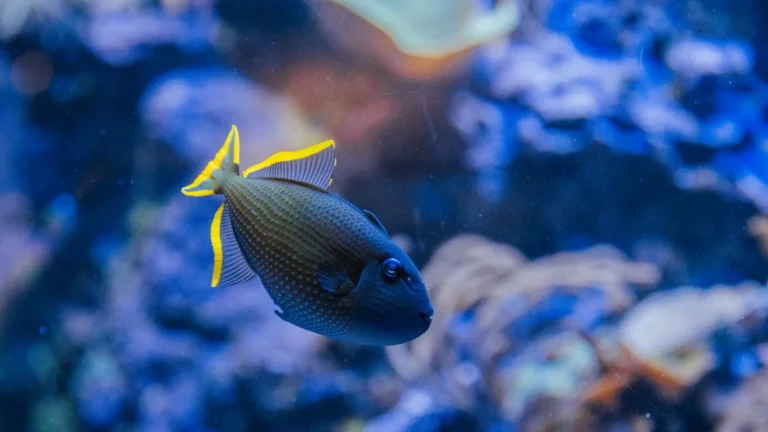
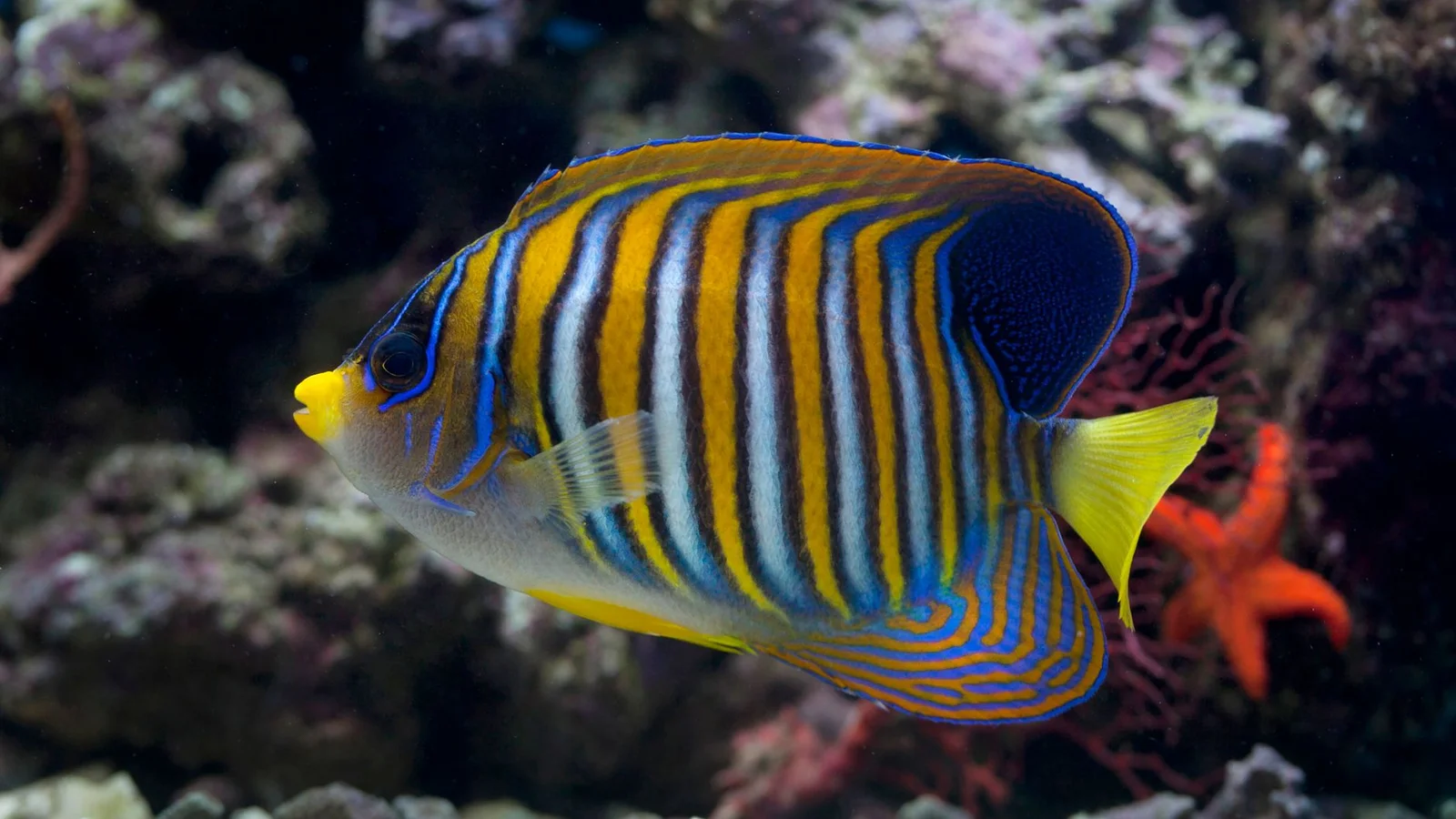
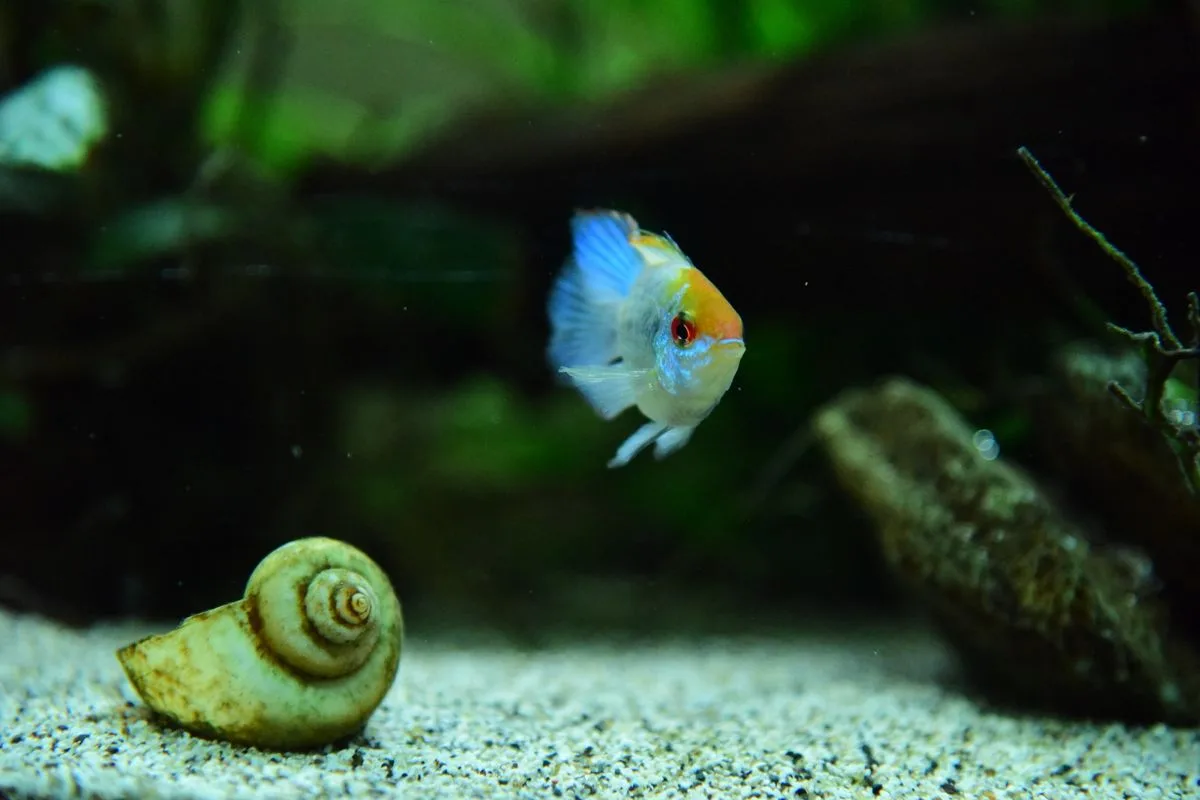
Fish selection on a nano is about choosing species that stay genuinely small and have modest territorial needs. A couple of small gobies, a clownfish or a small pair, or a single diminutive centerpiece fish suits a nano far better than anything that grows large or swims actively. The common mistake is stocking juveniles that look tiny in the store but soon outgrow the tank, so always plan around a fish’s adult size, not its current one.
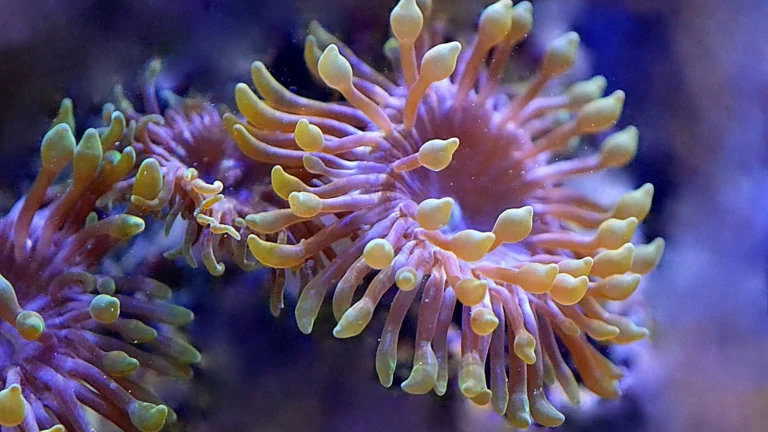
A nano often shines as a showcase for corals and invertebrates rather than fish. Because corals add far less to the bioload than fish, a small tank can hold a rich, colorful coral display while keeping only one or two small fish, which plays to a nano’s strengths. A thoughtfully chosen cleanup crew sized to the tank handles algae and detritus without the overcrowding that a too-large crew would cause.
Pacing additions matters even more on a small tank. With so little water to buffer change, adding livestock one piece at a time and allowing the system to adjust between additions prevents the waste spikes that a crowded, hurried stocking would trigger. Patience here is not just good practice; on a nano it is often the difference between a stable display and a constant struggle with algae and water quality.
The reward for restraint is a jewel-box reef that is easy to enjoy and maintain. A lightly stocked nano with a small fish or two, a curated coral collection, and an appropriately sized cleanup crew stays stable, looks intentional, and demands less correction than an overstuffed one. Embracing the limits of the format, rather than fighting them, is precisely what makes a small tank one of the most satisfying ways to keep a reef.
Small Tank, Big Reward
The best nano reef tank is a well-built all-in-one, sized toward the upper end of the nano range for stability, with quiet, capable, properly matched equipment. Choose the largest nano your space allows, upgrade the light to suit your corals, and commit to a consistent routine. A nano demands diligence in exchange for its compact size and lower cost, but meet that bargain and it rewards you with a stunning slice of the reef in a footprint anyone can fit.
Related reading
- Anemones in Reef Tanks: Are They Right for You?
- Invertebrates for Reef Tanks: Shrimp, Stars, and Urchins
- Temperature Control for Reef Tanks: Ranges, Chillers, and Safety
- Sand Bed Options for Reef Tanks: Bare Bottom, Shallow, or Deep