RO/DI Systems: Why Pure Water Matters for Reef Tanks
Behind almost every healthy reef tank is a source of genuinely pure water, and for most reefers that means an RO/DI system. Tap water carries chlorine, heavy metals, and dissolved nutrients like phosphate and nitrate that fuel algae and destabilize chemistry, and using it is one of the most common hidden causes of persistent problems. An RO/DI unit strips these contaminants out, giving you a clean blank slate to mix saltwater and top off evaporation. This guide explains why pure water matters so much, how RO/DI systems work, and how to choose and maintain one for your reef.
- Tap water introduces nutrients and contaminants that fuel problems.
- RO/DI water is the clean foundation for mixing and top-off.
- Test output with a TDS meter and replace filters as they exhaust.
Why Pure Water Matters
Every drop of water you add to your reef, whether to mix salt or to replace evaporation, carries whatever was in it. Tap and even filtered drinking water contain chlorine or chloramine that harm livestock, trace metals that stress invertebrates, and, critically, phosphate and nitrate that directly feed algae and throw off your nutrient balance. Starting with contaminated water means fighting algae and chemistry problems that originate in the water itself, a frustrating and often mysterious battle. Pure water removes that variable entirely, giving you a clean foundation so that what is in your tank is only what you deliberately put there. For a reef, water purity is not optional; it is foundational.
How RO/DI Works
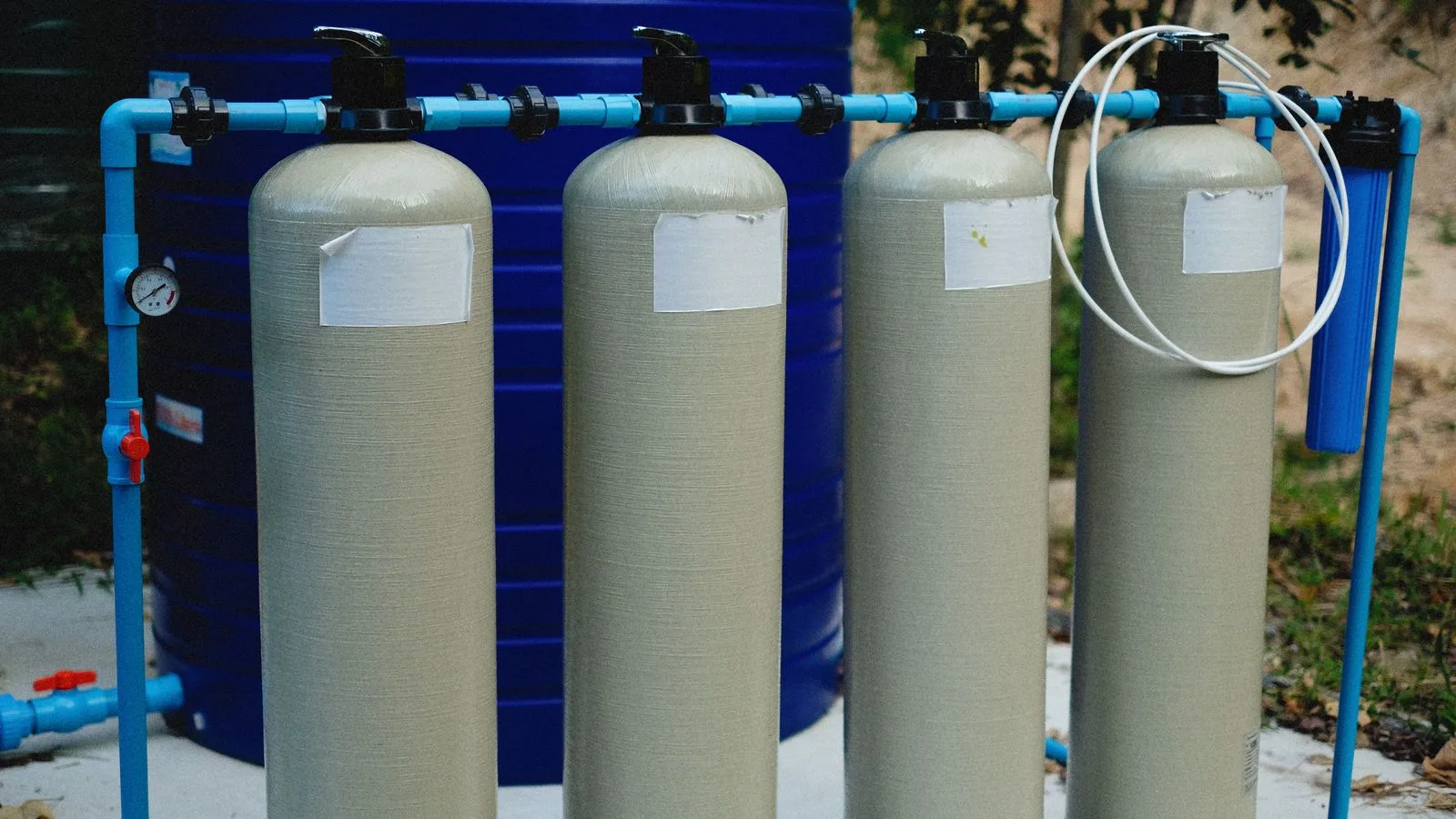
An RO/DI system purifies water in stages. First, sediment and carbon filters remove particulates and chlorine, which would otherwise damage the next stage. Then a reverse osmosis membrane forces water through a fine barrier that rejects the vast majority of dissolved solids, producing very pure water. Finally, a deionization resin polishes the output, stripping the last remaining ions to yield water with essentially zero dissolved solids. Each stage handles what the others cannot, and together they transform tap water into a blank slate. The result is water free of the contaminants and nutrients that cause so many reef problems, ready for you to add only the salt and elements you choose.
Choosing a System
RO/DI units vary in capacity and stages, and the right one depends on your tank size and water needs. A larger tank that needs frequent, sizable water changes benefits from a higher-output unit, while a nano can get by with a modest system. Look for a unit with quality filters and an included or add-on TDS meter, which reads the total dissolved solids in the output so you can verify purity. Your local tap water quality also matters; very poor source water taxes filters faster. Match the system to how much water you go through, and prioritize one with replaceable filters and a way to monitor output quality.

Maintaining It
An RO/DI system only protects your tank if its filters are doing their job, and they exhaust over time. The single most important maintenance habit is monitoring the output with a TDS meter: pure water should read at or near zero, and a rising number signals that a filter stage, often the DI resin, is spent and needs replacing. Change sediment and carbon prefilters on schedule to protect the membrane, since chlorine destroys it. Replace the DI resin when output TDS climbs, and the membrane when its rejection rate falls. Keeping up with filter changes ensures the water you add stays genuinely pure, preserving the clean foundation your reef depends on.
Reading Your TDS Meter and Changing Filters
An RO/DI unit only protects your tank if it is actually producing pure water, and a TDS meter is the instrument that tells you whether it is. TDS, or total dissolved solids, measures the dissolved content in the water, and the goal for reef use is water reading zero from the DI stage. A meter that reads above zero on your final output is a signal that something in the system needs attention, long before that impurity ever shows up as algae in the tank.
An inline dual TDS meter, which reads both before and after the DI resin, is especially useful because it shows each stage’s performance. The reading after the membrane but before the DI tells you how the reverse osmosis membrane is doing, while the final reading after the DI should be zero. Watching these two numbers lets you pinpoint which component is wearing out rather than guessing or replacing everything at once.
DI resin is the stage that polishes the water to zero, and it exhausts over time. When the final TDS creeps up from zero to even a few parts per million, the DI resin has been used up and needs replacing or recharging. Catching this promptly, the moment the meter ticks off zero, ensures every drop you put in the tank is genuinely pure, since exhausted resin can actually dump previously captured impurities back into the water.
The other filters have their own service lives. Sediment and carbon pre-filters protect the delicate membrane and should be changed on a regular schedule, since a clogged sediment filter slows production and a spent carbon block lets chlorine through to damage the membrane. The reverse osmosis membrane itself lasts much longer but eventually loses efficiency, revealed by a rising pre-DI TDS reading, and replacing it restores the system’s output.
Treating the TDS meter as your dashboard makes RO/DI maintenance straightforward rather than mysterious. A glance at the numbers tells you the water is pure and the system is healthy, or warns you exactly which stage needs service. Staying ahead of filter changes, guided by those readings, guarantees a steady supply of zero-TDS water, which quietly underpins everything from algae control to stable salinity in the reef it feeds.
Start Clean, Stay Clean
An RO/DI system gives your reef the pure water foundation that prevents a whole category of algae and chemistry problems before they start. Understand that tap water introduces contaminants and nutrients you do not want, let the multi-stage RO/DI process strip them out, choose a unit sized to your water needs, and maintain it by monitoring output with a TDS meter and replacing filters as they exhaust. Begin with truly clean water and you remove one of the most common hidden causes of reef trouble.
Related reading
- Anemones in Reef Tanks: Are They Right for You?
- Invertebrates for Reef Tanks: Shrimp, Stars, and Urchins
- Temperature Control for Reef Tanks: Ranges, Chillers, and Safety
- Sand Bed Options for Reef Tanks: Bare Bottom, Shallow, or Deep