Soft Corals vs. LPS vs. SPS: Understanding Coral Types
Walk into any reef store and the corals fall into three broad families that shape almost every care decision you will make: soft corals, large-polyp stony corals, and small-polyp stony corals. Knowing which group a coral belongs to tells you most of what you need about its lighting, flow, feeding, and difficulty before you even read the label. Understanding these categories is what lets you build a tank where every coral lands in conditions it actually wants. Here is how the three groups differ, and how to use that knowledge to stock a reef that thrives rather than struggles.
- Soft corals are hardiest, SPS the most demanding.
- Difficulty tracks how stable your water must be.
- Match each group to the right light and flow zone.
Soft Corals: Flowing and Forgiving
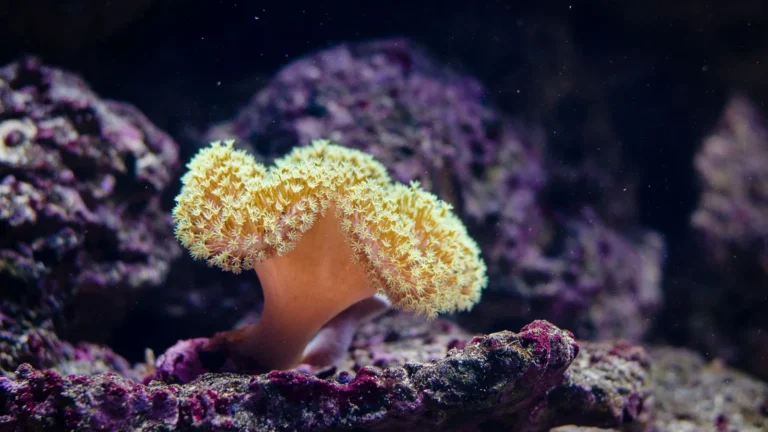
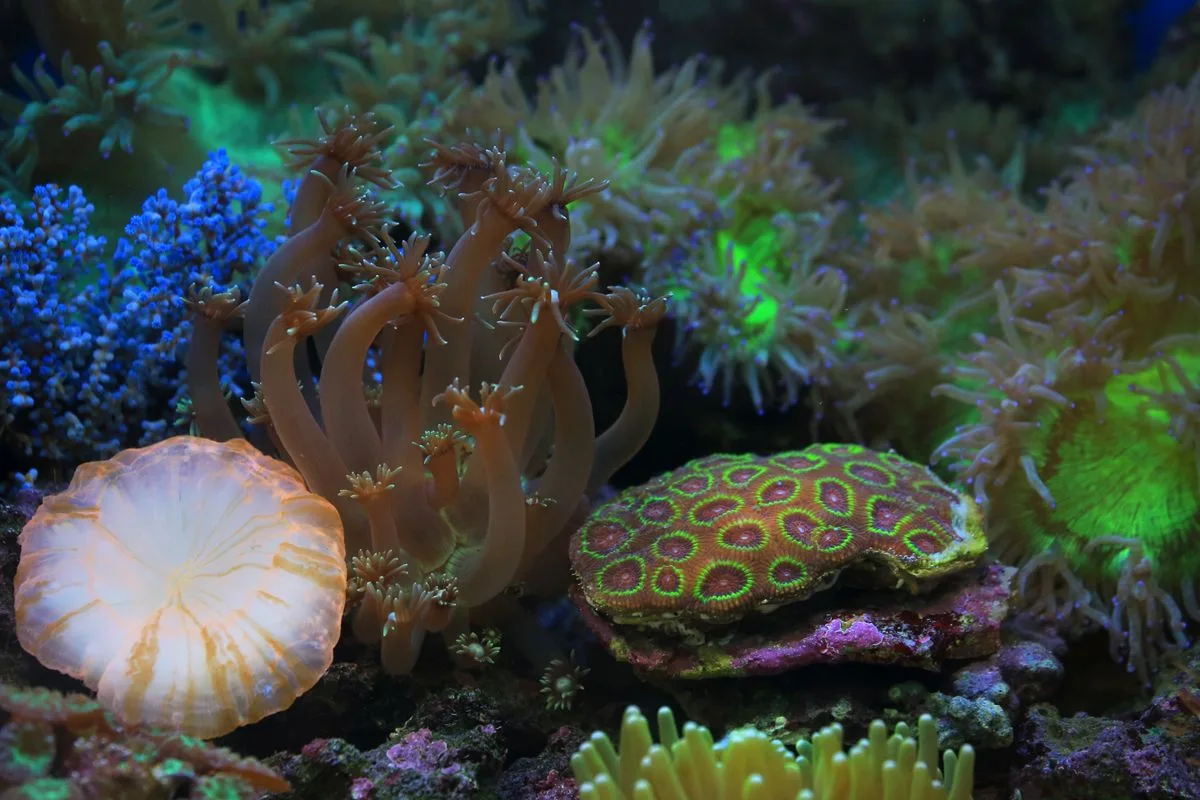
Soft corals have no hard skeleton, instead holding their shape with water and flexible tissue, which is why they sway so gracefully in current. This group includes mushrooms, zoanthids, leathers, and green star polyps. They are the hardiest corals you can keep, tolerating lower light, variable nutrients, and the chemistry swings that come with a young tank. Because they do not build a calcium carbonate skeleton, they place little demand on your alkalinity and calcium. For these reasons soft corals are almost always the recommended starting point, giving new reefers movement and color while their systems and routines are still maturing.
LPS: The Middle Ground
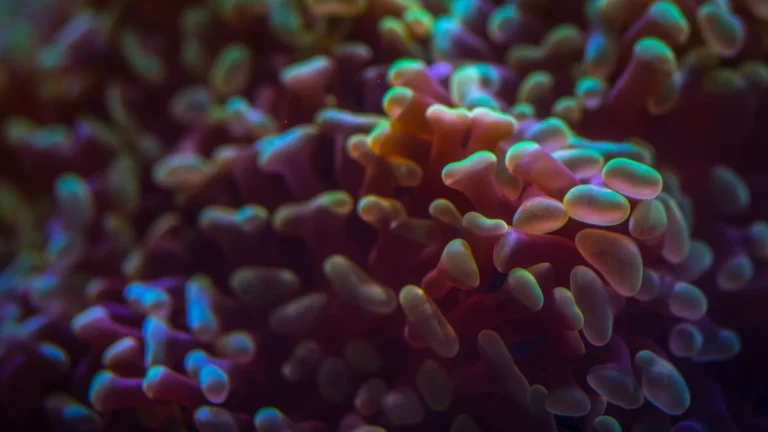
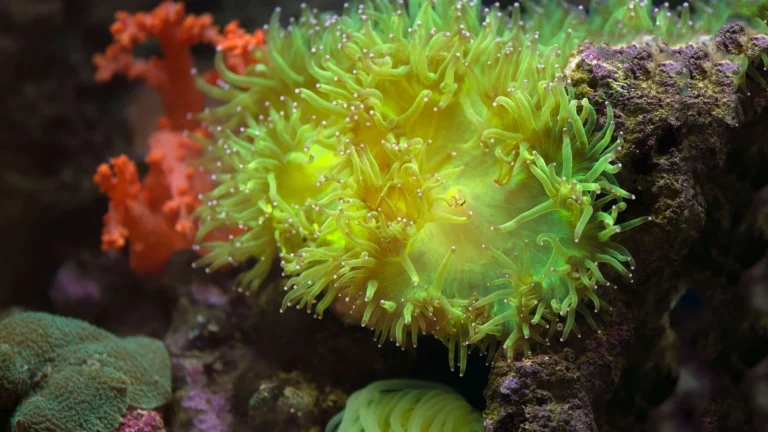
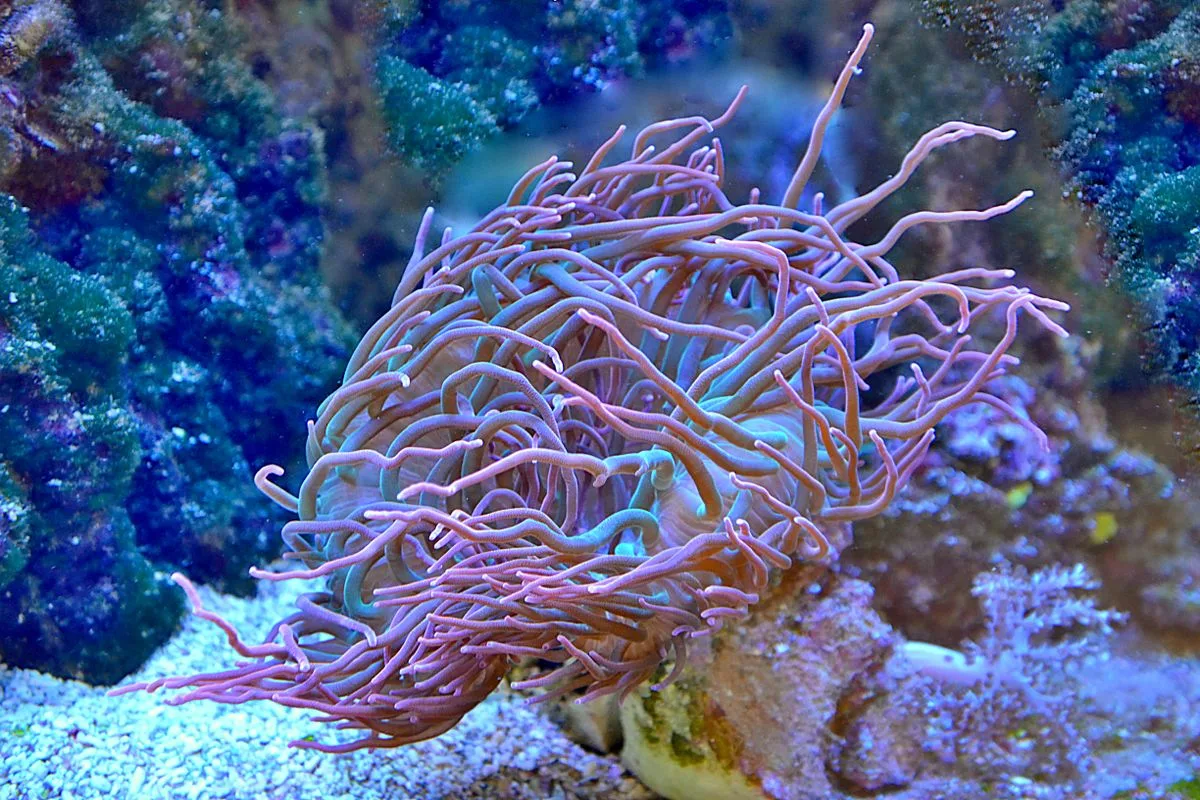
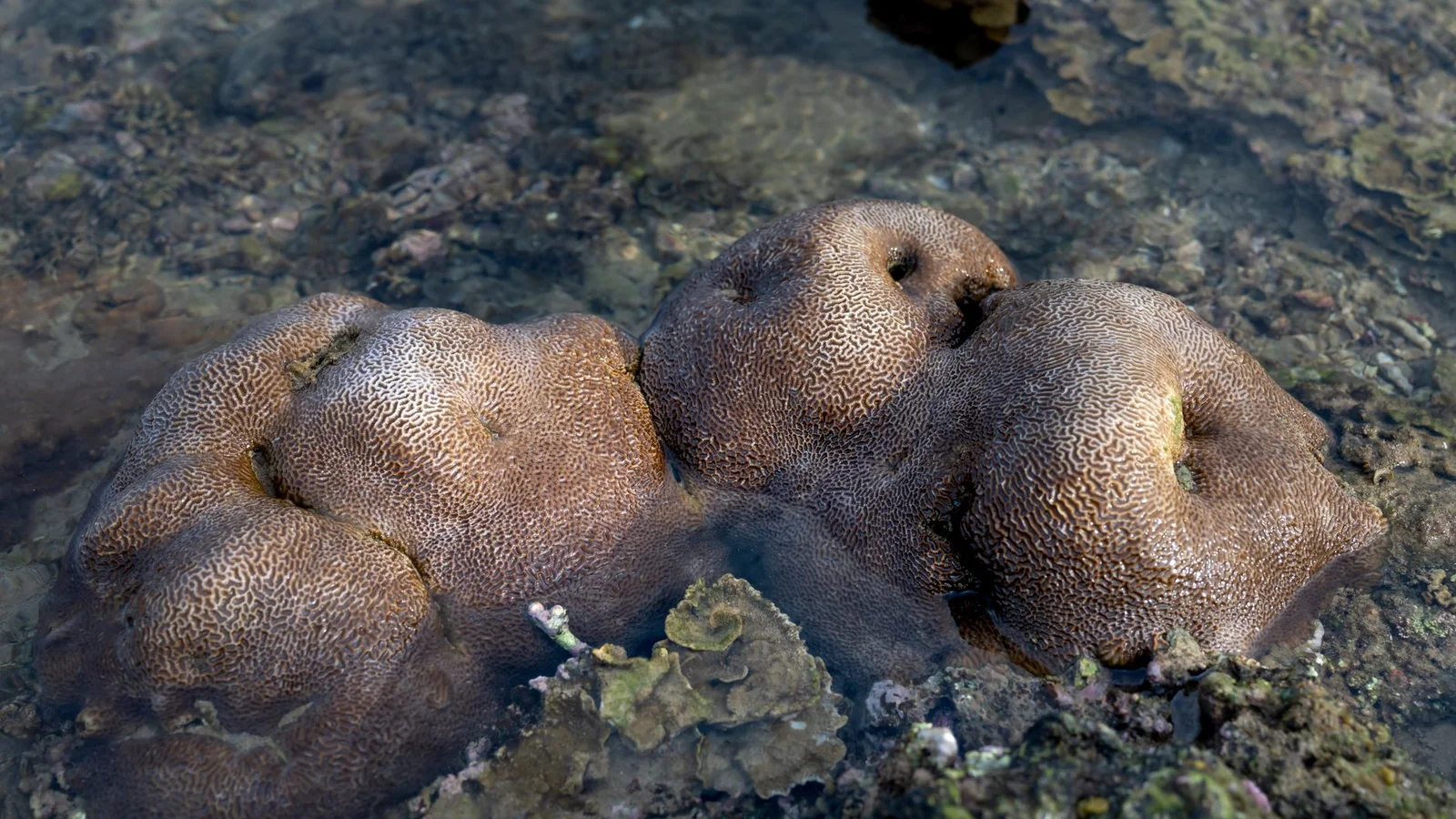
Large-polyp stony corals build a hard skeleton but cover it with fleshy, often dramatic polyps. Hammers, torches, frogspawn, trumpet, and Duncan corals all belong here. They sit in the middle of the difficulty range: they need stable alkalinity and calcium to grow their skeletons, but they tolerate moderate light and flow and many accept direct feeding, which can speed their growth. LPS corals are a natural next step once you have kept soft corals successfully and have a handle on your parameters. They reward you with size and motion while still forgiving the occasional minor slip in water quality.
SPS: Demanding but Spectacular
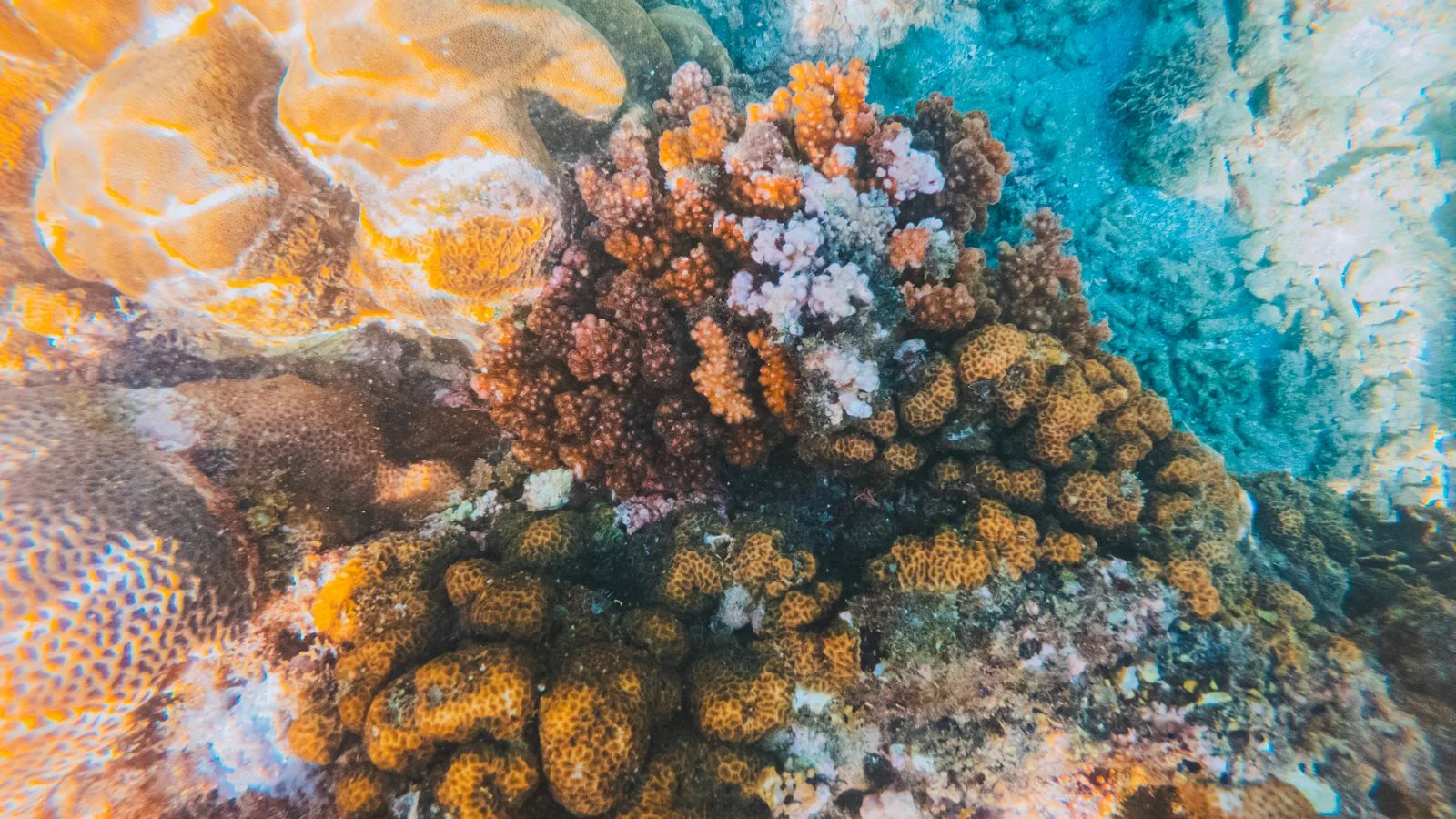
Small-polyp stony corals, the acroporas and montiporas, are the showpieces of advanced reefs and the most demanding to keep. They build dense skeletons and consume alkalinity and calcium rapidly, so they require rock-solid, automated dosing to hold parameters perfectly flat. They also want intense light and strong, turbulent flow. SPS corals punish instability quickly, often bleaching or losing tissue within hours of a parameter swing. The chart below summarizes how the three groups compare. SPS are absolutely achievable, but they belong in a mature, stable system run by someone who has already mastered the easier groups.
Building a Mixed Reef
Many beautiful tanks combine all three groups, but doing so well means respecting each coral’s needs within one system. Place soft corals and LPS in the lower and middle regions with moderate light and gentler flow, and reserve the brightly lit, high-flow upper zones for SPS. Be mindful that some soft corals release chemicals that can irritate stony neighbors, so give them space and run good carbon and skimming. Start with the hardy groups, add LPS as your confidence grows, and introduce SPS only once your parameters have held steady for months. Built that way, a mixed reef showcases the full range of what the hobby offers.
How Care Demands Scale Across the Three
One of the most useful ways to think about the three coral groups is as a progression of demands rather than just a catalog of looks. Soft corals sit at the forgiving end. They tolerate a wider range of light, flow, and water chemistry, handle fluctuating nutrients better than their stony cousins, and do not draw heavily on calcium and alkalinity since they lack a hard skeleton. That tolerance is exactly why they are the standard recommendation for a tank that is still young and not yet rock-steady.
Large polyp stony corals occupy the middle. They build skeletons, so they begin to draw on the calcium and alkalinity you will need to keep in range, and they appreciate cleaner water and more deliberate placement. They are still reasonably tolerant of minor swings, which makes them a natural next step once a reefer has a few months of stable testing behind them and has gotten comfortable maintaining the coral-building parameters.
Small polyp stony corals demand the most. They want bright, consistent light, strong flow, low and stable nutrients, and tight control over calcium, alkalinity, and magnesium, often through regular dosing. A swing that a soft coral would shrug off can cause an SPS colony to lose tissue rapidly. Reading the three groups as a ladder helps you match your stocking to your experience: start soft while the tank matures, add hardy LPS as your routine solidifies, and reserve SPS for when your parameters hold steady on their own with little drama.
None of this means you must climb the ladder in strict order, but it does mean being honest about what each step asks of you. Plenty of reefers happily keep a soft-coral-only tank for years and never feel the need for more, while others race toward SPS as quickly as their stability allows. The point is to match your coral choices to the conditions you can actually deliver consistently, so that the animals you bring home have what they need to flourish rather than merely survive.
Mixing groups in one tank is entirely possible, but it asks you to meet the needs of the most demanding resident while respecting the others. Many keepers run a mixed reef successfully by giving each coral the light and flow zone that suits it and keeping the dosing steady enough for the stony corals, which the softies happily tolerate as well.
Know the Group, Know the Care
Identifying whether a coral is soft, LPS, or SPS instantly tells you most of what it needs and how hard it will be to keep. Start with soft corals, graduate to LPS as your parameters stabilize, and save SPS for a mature, well-dialed system. Use the group as your first filter at the store, and you will stock corals that succeed rather than ones that test the limits of a tank not yet ready for them.
Related reading
- Mushroom Corals: The Bulletproof Beginner Coral
- Reef Tank Lighting Explained: PAR, Spectrum, and Photoperiod for Coral Growth
- How to Feed Corals: Target Feeding, Broadcast Feeding, and Who Needs What
- Diagnosing a Sick Coral: Bleaching, STN, and RTN