Best Salt Mixes for Reef Aquariums Compared
Salt mix is the foundation of every drop of water in your reef, and yet many reefers grab whatever is cheapest without realizing how much the choice shapes their chemistry. A good salt mix dissolves cleanly, delivers consistent parameters batch after batch, and provides the calcium, alkalinity, and magnesium levels that suit your tank. A poor or inconsistent one introduces the very swings you work so hard to avoid. This guide explains what separates the major salt categories, how to match a mix to your stocking, and why consistency matters more than chasing the highest numbers on the label.
- Consistency between batches matters more than the highest numbers.
- Match the mix’s parameter levels to your corals and dosing.
- A clean-dissolving salt saves time and prevents residue.
What Makes a Good Salt Mix
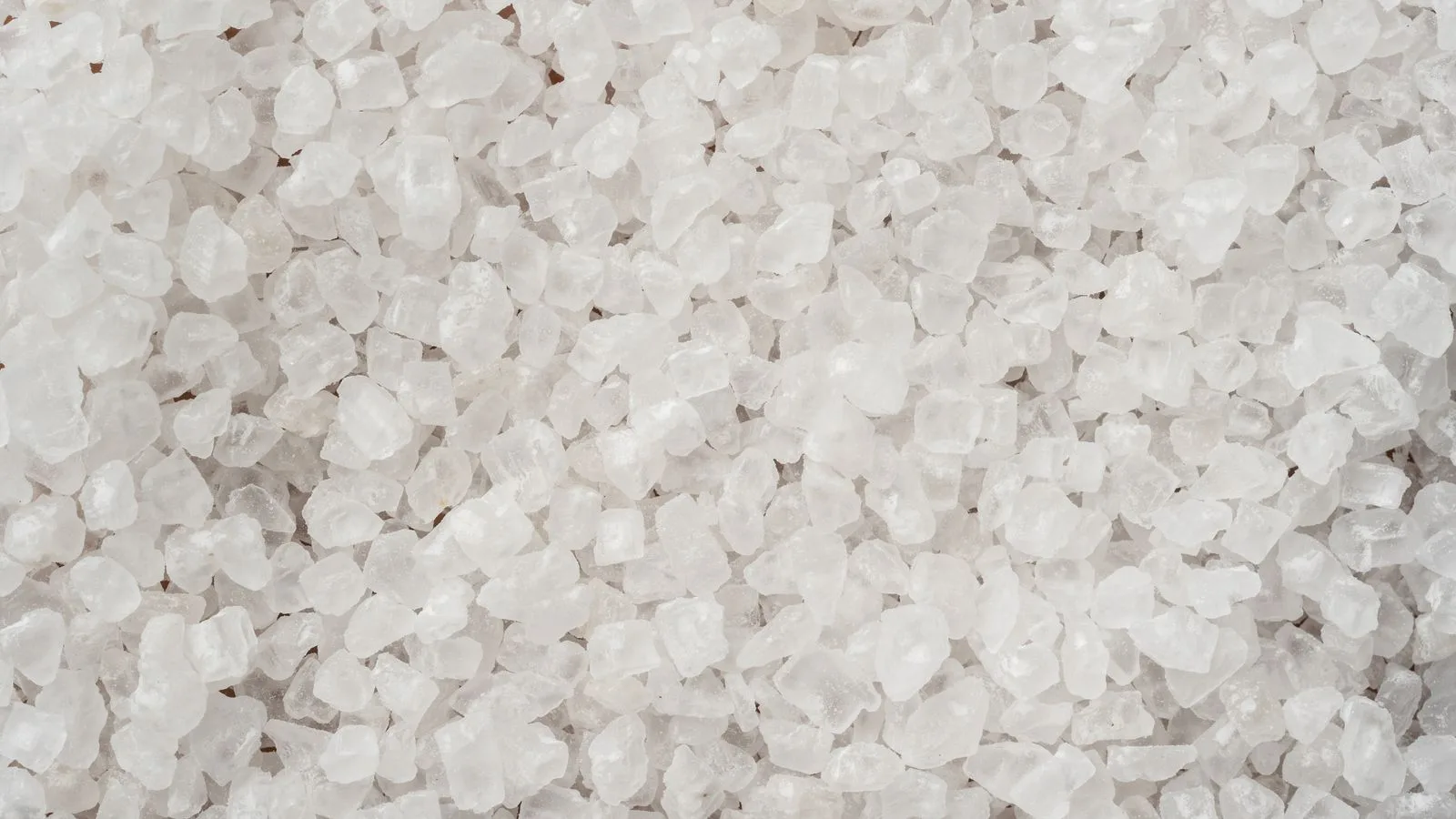
A quality reef salt does three things well. It dissolves fully and cleanly without leaving cloudiness or undissolved residue, it delivers consistent parameters from one bucket to the next so your water changes never become a source of swings, and it provides element levels appropriate for a reef. Consistency is the most underrated of these: a mix that varies batch to batch quietly undermines stability even if its average numbers look fine. The chart below outlines the main salt categories. Above all, a good salt should make your water changes boringly predictable, which is exactly what a reef wants. Browse popular reef salt mixes to compare formulations.
Matching Salt to Your Tank
Salt mixes come formulated at different parameter levels, and the right one depends on what you keep. Standard or natural-level salts provide parameters close to seawater and suit fish-only tanks, soft corals, and LPS, where coral demand is modest. Enhanced or elevated salts carry higher calcium, alkalinity, and magnesium aimed at SPS-dominant tanks with heavy consumption. Using a high-alkalinity SPS salt in a soft-coral tank with little demand can actually push parameters too high, while a basic salt in a hungry SPS tank may leave you dosing constantly. Match the mix’s levels to your corals so your water changes do most of the parameter work for you.
Dissolving and Mixing
How a salt behaves while mixing tells you a lot. Quality mixes dissolve clear within minutes to a few hours with circulation, while lesser ones leave a persistent haze or a film. Always mix into purified RO/DI water with a powerhead running, give it time to fully dissolve and aerate, ideally several hours or overnight, and confirm the parameters with test kits before using it. New mixes can read slightly off until they have aged a few hours, so do not judge the numbers immediately. A salt that mixes clean and reaches its rated parameters reliably makes the whole water-change routine smoother and more trustworthy.

Switching Salts Safely
If you decide to change salt brands, do it gradually rather than all at once. Different mixes hit different parameter levels, so a sudden switch can shift your tank’s chemistry noticeably with a single large water change. Transition by using the new salt for several normal-sized water changes in a row, letting the tank’s parameters drift slowly toward the new mix’s profile. Test as you go to confirm the change is gentle. This patience prevents the swing that an abrupt switch would cause. Once transitioned, stick with a single consistent mix, since brand-hopping reintroduces the very inconsistency a good salt is supposed to eliminate.
Storing Salt and Mixed Water Properly
A good salt mix only delivers its benefits if it is stored well, and salt is more sensitive to its environment than many beginners expect. Dry salt readily absorbs moisture from the air, which can cause it to clump, harden, and even shift its chemistry as components react. Keeping the bag or bucket sealed airtight between uses, in a cool dry spot away from humidity, preserves both its consistency and the balance of elements you are paying for.
How you scoop and reseal matters too. Every time a bucket is left open in a damp fish room, it draws in moisture, so working quickly and closing the container promptly keeps the salt pouring freely instead of setting into a brick. Some reefers transfer salt into a sealed tub with a tight lid for daily use, leaving the original packaging closed as a moisture barrier for the bulk of the supply.
Mixed saltwater has its own storage considerations. Freshly mixed water should be circulated and, ideally, heated while it dissolves fully and stabilizes before use, which usually takes several hours to overnight. Once mixed, it keeps reasonably well in a covered container with a small pump running, but it is best used within a week or so. Water that sits stagnant and uncovered for long stretches can shift in pH and gather contaminants.
Keeping a covered reservoir of pre-mixed water with a powerhead and a small heater turns water changes into a quick, low-stress task. Because the water is already mixed, aerated, and at temperature, you can perform a change on demand without scrambling, and matching salinity and temperature to the display becomes trivial. This small bit of infrastructure pays for itself in convenience and in the consistency it brings to every change.
Treat your salt and mixed water as the consumable backbone of the whole hobby, because that is what they are. Fresh, well-stored salt mixed properly and used reasonably soon gives you reliable, balanced replacement water every time, while neglected salt and stale mixed water introduce the very inconsistencies that water changes are supposed to eliminate. A little care in storage keeps the foundation of your maintenance routine solid.
Pick One, Stick With It
The best salt mix is a clean-dissolving, consistent one whose parameter levels match the corals you keep. Choose a natural-level salt for soft corals and LPS or an elevated mix for hungry SPS, mix it properly in purified water, and confirm the numbers before use. Then commit to it, since consistency between batches is what keeps your water changes a source of stability rather than swings. A reliable salt is quietly one of the best investments in a healthy reef.
Related reading
- Reef Tank Lighting Explained: PAR, Spectrum, and Photoperiod for Coral Growth
- Anemones in Reef Tanks: Are They Right for You?
- Invertebrates for Reef Tanks: Shrimp, Stars, and Urchins
- Temperature Control for Reef Tanks: Ranges, Chillers, and Safety