SPS Corals for Intermediate Reefers: Acropora Basics
For many reefers, keeping a thriving colony of small-polyp stony corals, especially the iconic acropora, is the ultimate goal of the hobby. These corals build the intricate branching structures and electric colors that define the most spectacular reef tanks. They are also the most demanding corals to keep, punishing instability quickly and requiring conditions that only a mature, well-run system can provide. This guide covers the basics of SPS and acropora care for intermediate reefers ready to step up, the rock-solid stability, intense light, and strong flow these corals need, so you can approach them with realistic expectations and a real chance of success.
- SPS demand rock-solid stability above all else.
- They need intense light and strong, turbulent flow.
- Master easier corals and a stable tank before attempting SPS.
What Makes SPS Different
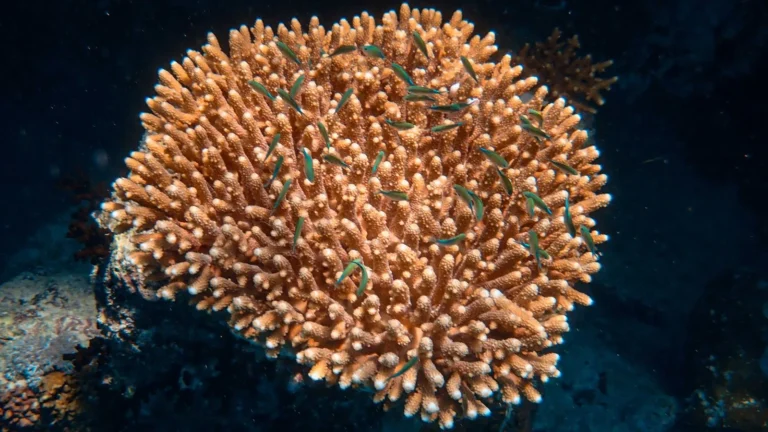
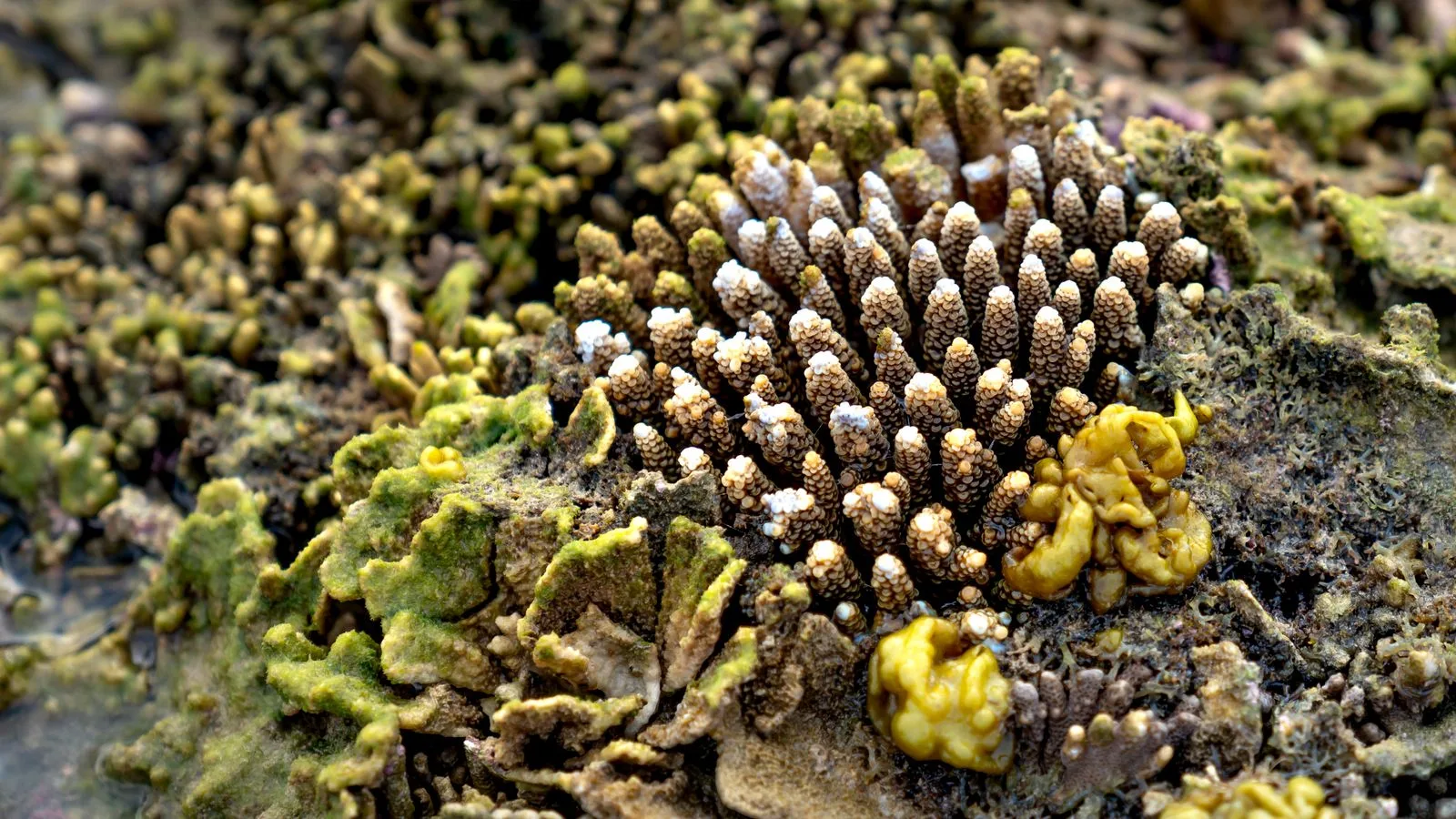
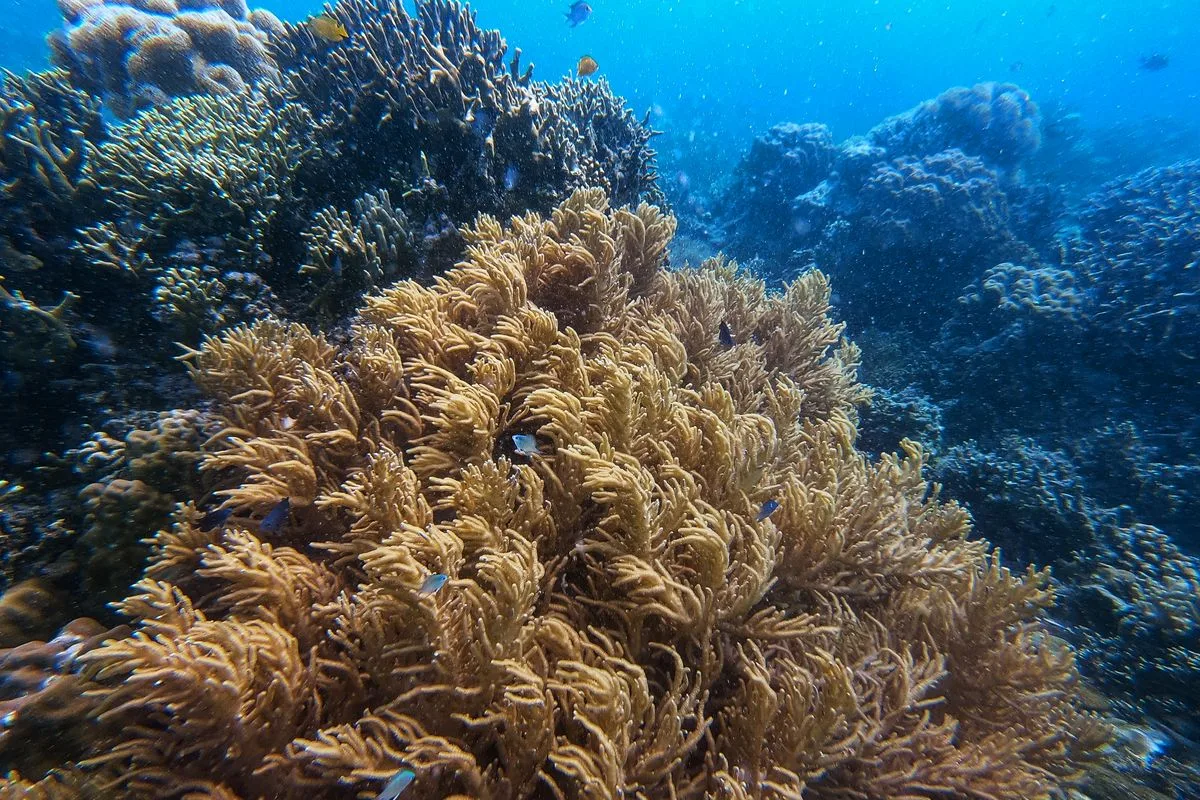
Small-polyp stony corals build dense calcium carbonate skeletons covered in tiny polyps, growing into the branching, plating, and encrusting forms that make them so prized. Because they grow rapidly and build heavy skeleton, they consume calcium and alkalinity at high rates, and because they evolved on shallow, sun-drenched, surf-swept reefs, they demand intense light and strong flow. Most importantly, they are far less tolerant of change than softer corals, reacting to parameter swings within hours by losing color or tissue. The chart below summarizes their core needs. Understanding that SPS are defined by high demand and low tolerance for instability is the foundation of keeping them.
Stability Above All
If there is one rule for SPS, it is that stability matters more than any single number. These corals punish swinging alkalinity especially harshly, often showing tissue loss after even a modest swing, so holding alkalinity, calcium, and magnesium rock-steady is essential. This usually means automated dosing that adds small amounts frequently, frequent testing to catch drift early, and a mature tank whose chemistry does not lurch. Nutrients should be stable and moderate, not bottomed out, since starved SPS pale and stress. The reefers who succeed with SPS are those who have achieved consistent, unwavering parameters; the ones who fail almost always trace it back to instability. Steadiness is everything.
Light and Flow
SPS corals demand the most intense light and strongest flow in the tank. They want high light, placing them in the upper regions directly under the fixture, though new SPS must be acclimated to that intensity gradually to avoid bleaching. They also need strong, turbulent flow that keeps their dense branches clean and delivers food and oxygen; gentle flow lets detritus settle and suffocates them. Achieving both means a capable light and well-designed flow with multiple pumps creating turbulence. Place SPS high and in strong current, acclimate them to the light, and watch for the polyp extension and color that signal they are getting the demanding conditions they require.
Are You Ready for SPS?
SPS reward experience, so an honest readiness check saves heartbreak. Before attempting acropora, you should have kept easier corals successfully, run your tank stably for many months, and demonstrated that your parameters hold steady over time with reliable dosing and testing. Your equipment should provide the intense light and strong flow SPS need. Starting with hardier, less expensive SPS varieties, and a single frag rather than a costly colony, lets you test your system at lower risk. If your tank is young or your parameters still swing, wait; SPS are unforgiving of a system not yet ready. Approached at the right time, though, they become the rewarding pinnacle they are famous for.
Reading the Signs of a Happy SPS Coral
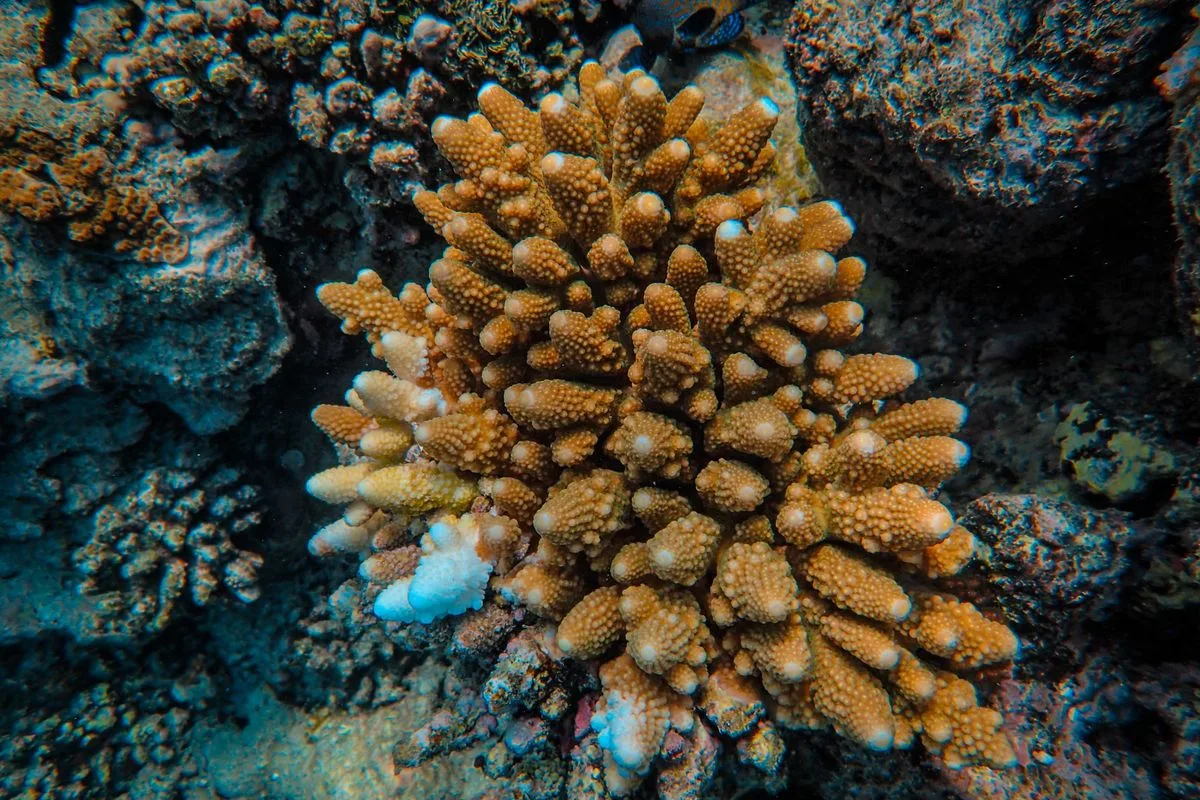
Because SPS corals are demanding, learning to read their subtle signals lets you catch trouble early and confirm when conditions are right, and these corals communicate their state clearly once you know what to watch. Polyp extension is the most useful daily gauge. A content SPS coral extends its tiny polyps, giving the colony a soft, fuzzy appearance, while a coral that keeps its polyps retracted for long stretches is often signaling stress from flow, chemistry, or irritation.
Color is a slower but telling indicator. A healthy SPS coral holds or deepens its coloration over time, whereas browning usually points to excess nutrients or insufficient light, and pale or bleaching tips warn of too much light, a parameter swing, or other stress. Watching color trends under consistent viewing conditions, rather than reacting to a single glance under blue light, reveals whether the coral is genuinely thriving or slowly declining.
Encrusting and growth at the base are the clearest proof an SPS is settling in. A newly placed frag that begins to encrust its plug or the surrounding rock, spreading a thin margin of new tissue and skeleton, has accepted its conditions and is establishing itself. This basal growth typically comes before vertical extension, so a frag that is encrusting outward is a reassuring sign even before it visibly grows taller.
Sudden changes deserve immediate attention because SPS decline can be fast. A coral that abruptly retracts its polyps, loses color, or shows any patch of exposed white skeleton is flashing a warning, and with SPS the window to respond is short. Noticing these shifts promptly, and checking stability, flow, and placement when they appear, can mean the difference between correcting a problem and losing a colony to rapid tissue loss.
Taken together, polyp extension, color, encrusting growth, and the absence of sudden changes form a simple daily read on SPS health. A coral with extended polyps, stable color, and spreading basal tissue is telling you the demanding conditions it needs are being met. Learning this language is part of what readiness for SPS really means, because keeping these corals well is as much about attentive observation as it is about dialed-in equipment and chemistry.
Earn Your SPS
SPS corals and acropora are the rewarding summit of reefkeeping, but they demand what only a mature, stable system delivers: rock-solid parameters, intense light, and strong turbulent flow. Their defining trait is low tolerance for instability, so master easier corals and prove your tank holds steady before attempting them. Start with hardy varieties and single frags, acclimate them carefully, and keep your chemistry unwavering. Earn your way to SPS this way and you can grow the spectacular branching reef that drew you to them.
Related reading
- How to Feed Corals: Target Feeding, Broadcast Feeding, and Who Needs What
- How to Frag Corals: A Beginner’s Guide to Propagation
- Mushroom Corals: The Bulletproof Beginner Coral
- How to Acclimate and Dip New Corals Safely
Sources & further reading
Recommended Gear
As an Amazon Associate, this site earns from qualifying purchases made through the links below.
- Check out coral frag tools and dip — Good frag tools and a proper coral dip protect the rest of your tank