How to Frag Corals: A Beginner’s Guide to Propagation
Fragging, cutting a coral into pieces that each grow into a new colony, is one of the most rewarding skills in reefkeeping. It lets you propagate your favorite corals, control overgrowth, trade with other reefers, and even recoup some costs, all while taking advantage of corals’ remarkable ability to regenerate. It sounds intimidating, but with the right tools, technique, and aftercare, fragging is accessible to any reasonably experienced reefer. This guide walks through the basics of fragging corals, the tools you need, how to cut different coral types, and how to care for frags so they heal and thrive into new colonies.
- Fragging propagates corals by cutting them into pieces.
- Use the right tools and work cleanly to minimize stress.
- Stable water and gentle aftercare help frags heal and grow.
Why Frag Corals
Fragging serves several purposes that make it central to the hobby. It lets you multiply a coral you love, turning one colony into many over time, and it allows you to trade or share frags with the reefkeeping community, which is how much of the hobby’s diversity circulates. It controls overgrowth, keeping a fast-spreading coral from overrunning neighbors. And it provides a measure of insurance, since a fragged piece kept elsewhere can survive a problem that affects the main colony. Corals are well suited to this because of their ability to regenerate from a fragment. Far from harming the coral, careful fragging is a natural extension of how many corals propagate in the wild.
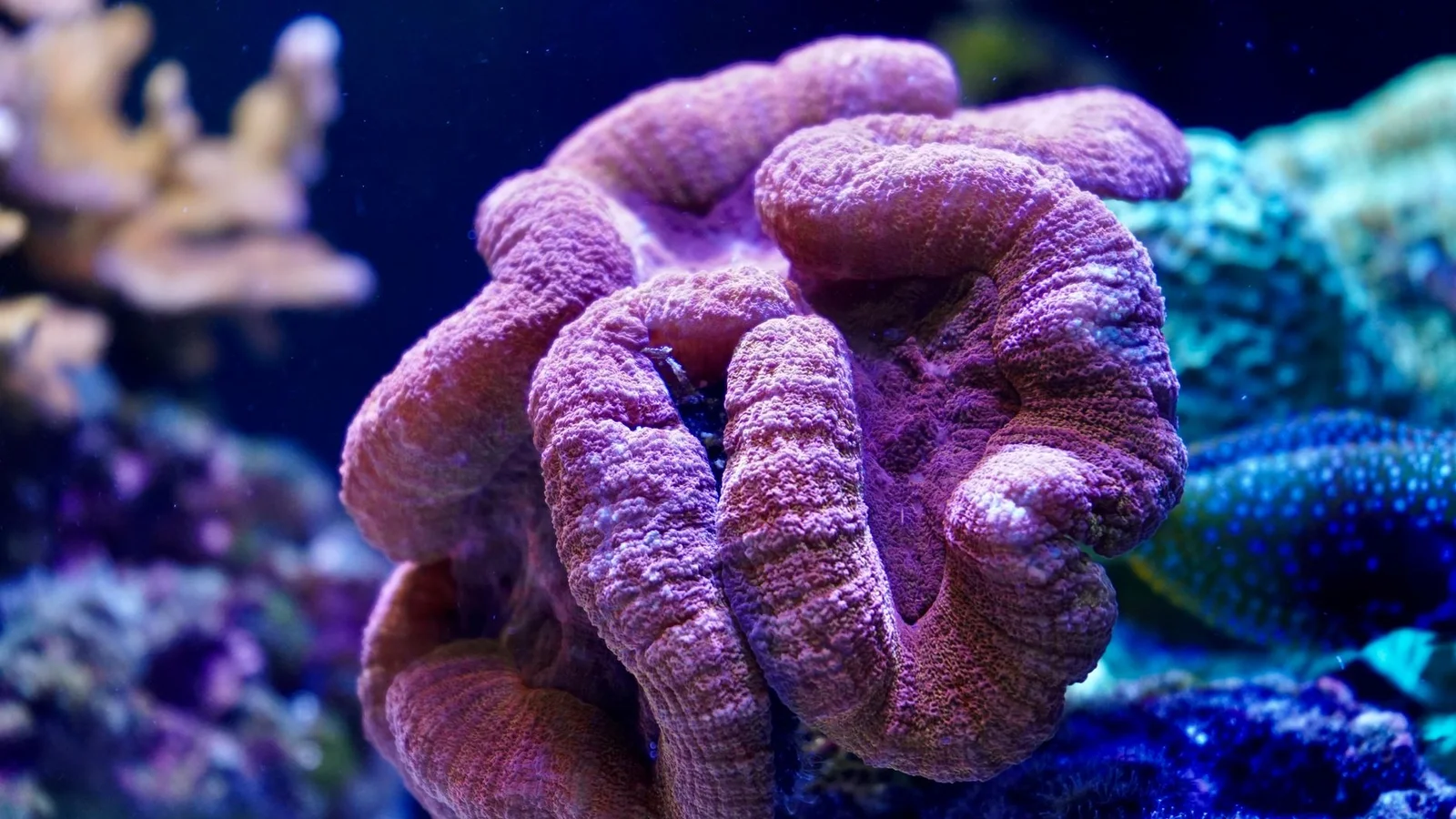
Tools and Preparation
The right tools make fragging clean and safe for both you and the coral. Common equipment includes bone cutters or a coral saw for stony corals, sharp scissors or a scalpel for soft corals, frag plugs or small rubble for mounting, and reef-safe glue or epoxy to attach the cuts. Gloves and eye protection are wise, especially with zoanthids that may carry palytoxin. Work cleanly with prepared tools, ideally rinsing the coral and cutting in a separate container of tank water rather than in the display, to minimize mess and stress. Preparation matters: having everything ready means the coral spends as little time as possible out of stable conditions during the process.
Fragging Different Corals
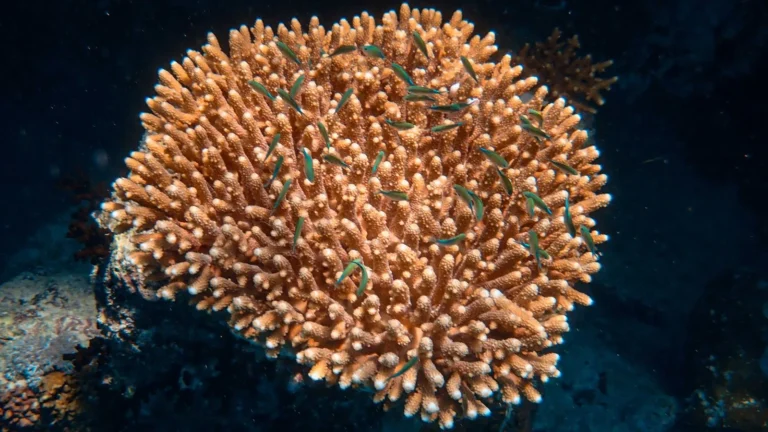
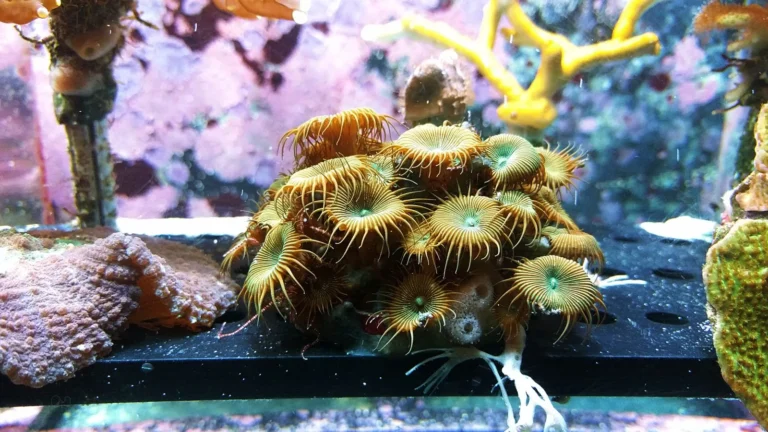
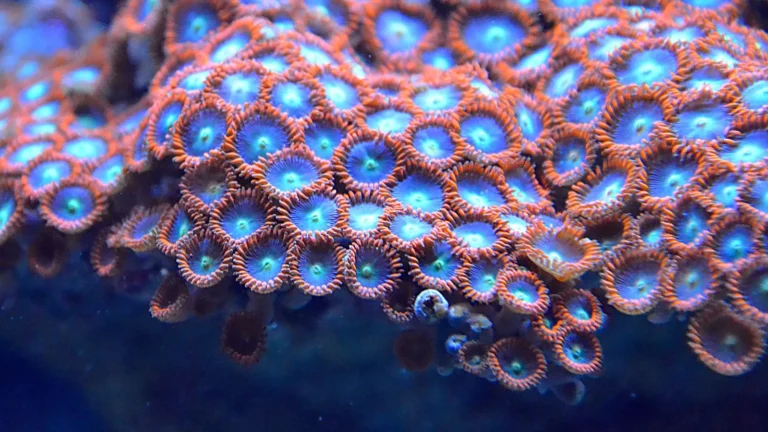
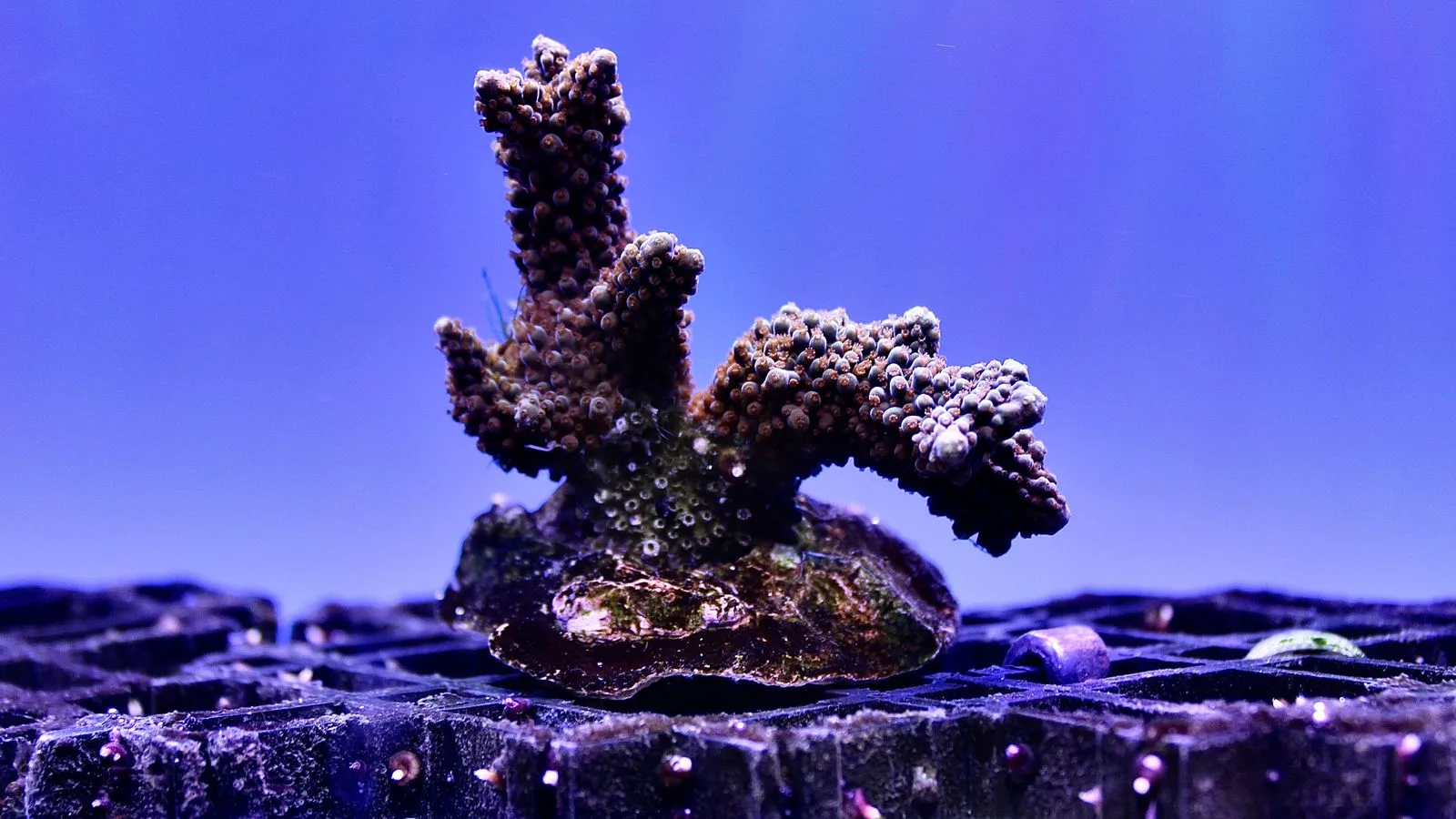
Technique varies by coral type. Soft corals like leathers and mushrooms can often simply be cut with a sharp blade, with each piece then attached or allowed to settle. Zoanthids are fragged by cutting the rock or mat they grow on into sections bearing polyps. LPS corals with separate heads, like some Euphyllia, can sometimes be cut along the skeleton between heads, though this is more involved. SPS corals are fragged by clipping off a branch tip, which readily encrusts and grows on a plug. In every case, make clean cuts, handle the coral gently, and mount the frag securely with reef-safe glue so it can attach and begin growing without being knocked loose.
Frag Aftercare
How you care for a fresh frag determines whether it heals and thrives. After cutting, give the frag stable, clean water and place it in gentle flow and moderate light, often lower in the tank at first, where it can recover without being stressed by intense conditions. A freshly cut coral is more vulnerable to infection and pests, so good water quality and sometimes a brief dip help. Avoid moving it repeatedly; let it attach and heal undisturbed. Healing times vary, but with stable conditions and patience, the cut tissue seals over and the frag begins encrusting and growing into a new colony. Gentle, stable aftercare is what turns a cut piece into a thriving coral.
Sharing, Trading, and Selling Your Frags
Once you can frag corals, a whole social and practical dimension of the hobby opens up, because frags are a currency reefers trade in, and learning to share them well enriches both your tank and your connections. Propagating your corals gives you pieces to swap with other hobbyists, which is how many people steadily diversify their collections without large expense. A few frags of a fast-growing coral can, over time, become a network of trades that brings new corals into your tank in return.
Local reef clubs and frag swaps are the natural venues for this. Clubs often hold gatherings where members buy, sell, and trade frags, share knowledge, and sometimes pool resources for equipment like PAR meters. Bringing healthy frags to a swap is a friendly way to meet other reefers, learn from experienced keepers, and acquire corals that have already been growing in local tanks under conditions similar to your own, which often acclimate more easily than shipped corals.
Good frag etiquette protects everyone’s tanks and your reputation. Trading or selling only healthy, pest-free frags, dipping them before they leave your system, and being honest about a coral’s care requirements and growth habits builds trust. Mounting frags cleanly on plugs and letting them heal and encrust before they change hands gives the recipient a piece that is ready to thrive rather than a freshly cut wound, which reflects well on you as a source.
If you choose to sell frags, a few basics keep it fair and sustainable. Pricing reasonably for the coral’s type and growth rate, packaging carefully if shipping, and never overharvesting a colony to the point of harming it all keep frag sales a healthy side of the hobby rather than a strain on your reef. Many reefers find that selling a few frags helps offset the ongoing costs of the hobby without turning it into a chore.
Beyond the practical exchange, sharing frags connects you to a community and contributes to the hobby’s sustainability. Captive-propagated frags passed between hobbyists reduce demand on wild-collected corals, and a coral you grew thriving in someone else’s tank is a quiet satisfaction. Learning to frag is thus not only a skill for managing your own corals but a doorway into the generous, knowledge-sharing culture that makes reef-keeping so rewarding.
Multiply Your Reef
Fragging is an accessible, rewarding skill that lets you propagate corals, control overgrowth, trade with others, and safeguard your favorites. Prepare the right tools, work cleanly, use the correct technique for each coral type, and mount frags securely. Then give them stable water and gentle conditions to heal. Take care at each step and your single corals multiply into many, deepening both your reef and your engagement with the hobby as you watch each frag grow into a colony of its own.
Related reading
- Mushroom Corals: The Bulletproof Beginner Coral
- Beginner Corals: The Best First Corals for a New Reef Tank
- How to Feed Corals: Target Feeding, Broadcast Feeding, and Who Needs What
- SPS Corals for Intermediate Reefers: Acropora Basics
Sources & further reading
Recommended Gear
As an Amazon Associate, this site earns from qualifying purchases made through the links below.
- Browse coral frag tools and dip on Amazon — Good frag tools and a proper coral dip protect the rest of your tank