Coral Coloration: Light, Nutrients, and the Science of Pop
The electric blues, greens, and reds that make reef corals so mesmerizing are not just for show; they are the result of specific biology that you can influence through how you run your tank. Coral coloration comes down to an interplay of light, nutrients, and the pigments corals produce, and understanding that interplay is what lets reefers grow corals that genuinely pop with color rather than fading to dull brown. This guide explains the science behind coral color in plain terms and translates it into practical levers, light, nutrients, and stability, you can adjust to bring out the best in your corals.
- Color comes from coral pigments, not just the symbiotic algae.
- Excess nutrients brown corals; balanced nutrients reveal color.
- Light spectrum and intensity strongly shape coloration.
The Biology of Coral Color
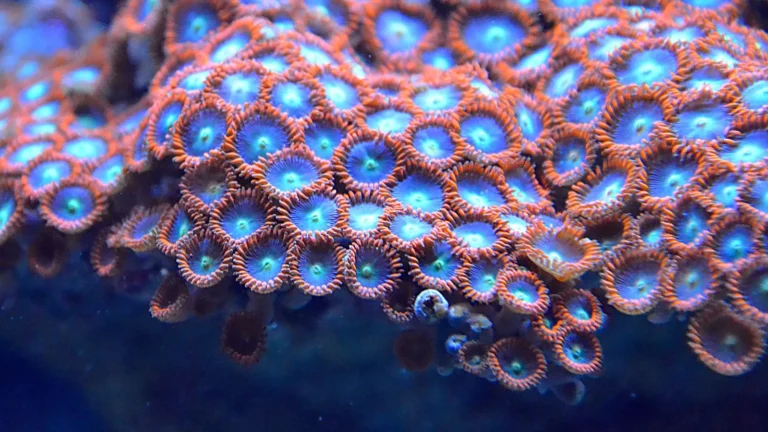
Coral color comes from two sources working in tension. Inside coral tissue live symbiotic algae that are brown, and they provide most of the coral’s food through photosynthesis. The vivid colors come instead from pigment proteins the coral itself produces, some of which protect it from intense light and others that fluoresce under blue wavelengths. When a coral has a heavy population of brown algae, that brown masks the coral’s own pigments, dulling its appearance. When the algae population is moderate, the coral’s true colors show through. This balance between the brown algae and the coral’s pigments is the heart of coloration, and it is something you can shift.
How Nutrients Shape Color
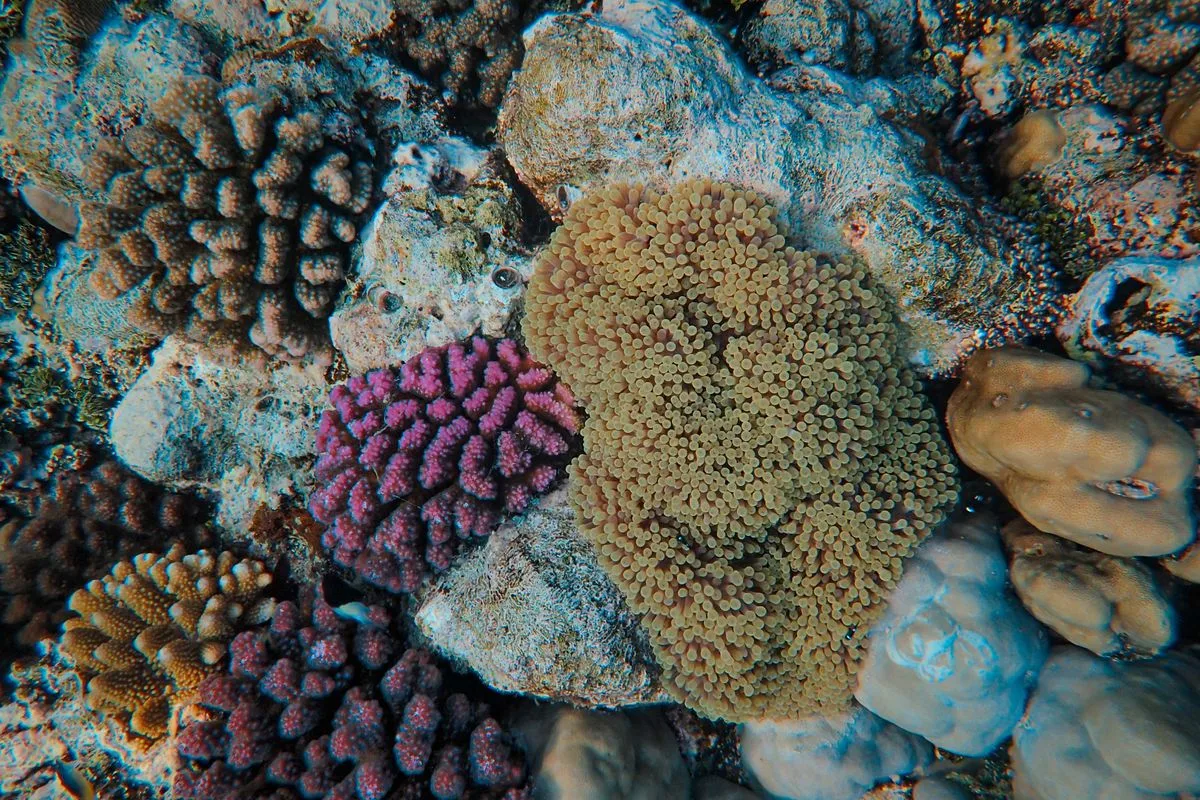
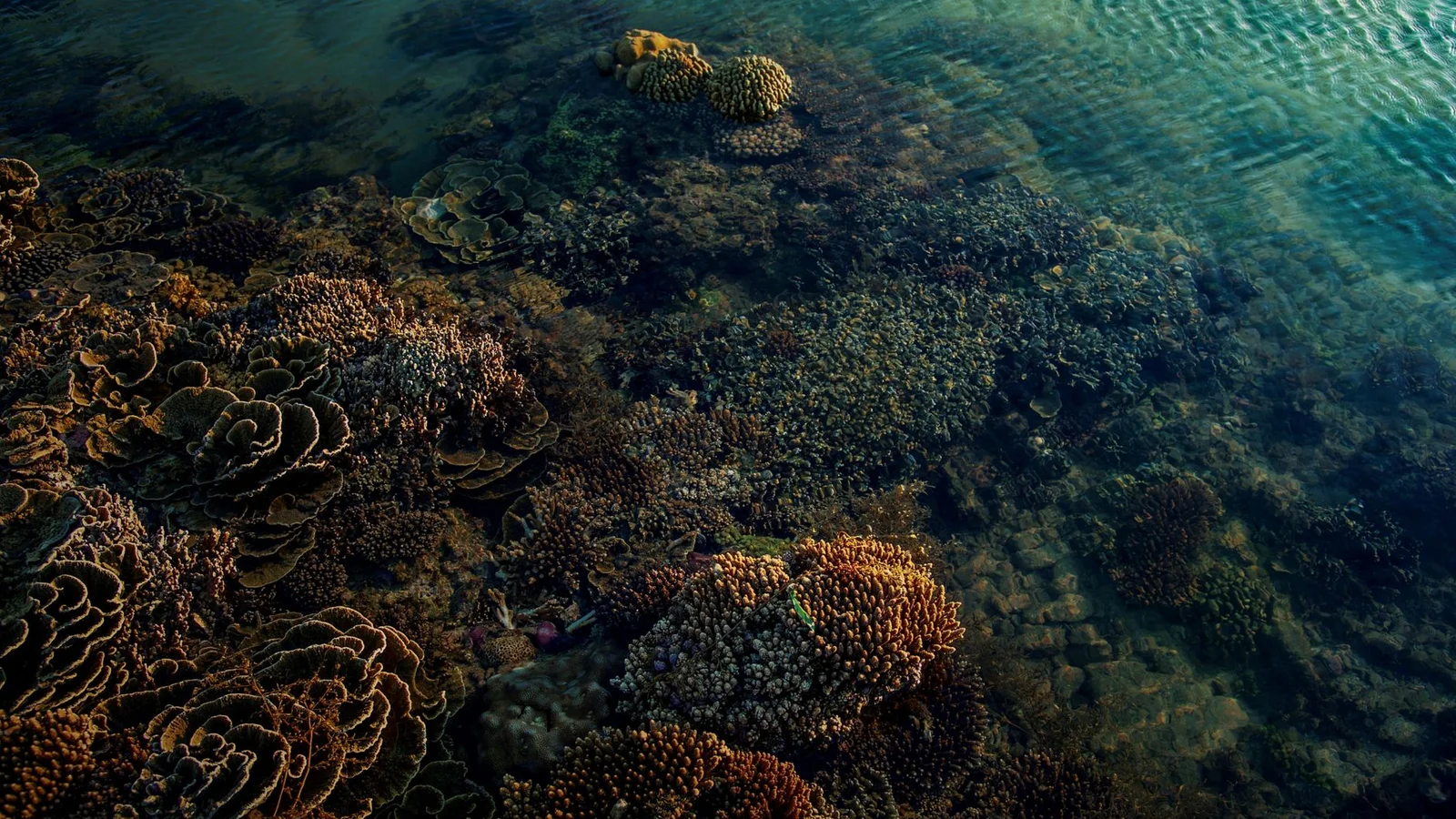
Nutrients are the most powerful lever over the algae-pigment balance. High nitrate and phosphate fuel the brown symbiotic algae, which multiply and mask the coral’s pigments, turning corals dull and brown, this is why overfed, nutrient-rich tanks often have drab corals despite good growth. Lower, balanced nutrients keep the algae population in check so the coral’s own colors emerge. But there is a limit: drive nutrients too low and corals pale or bleach as they lose too much algae and starve. The sweet spot is a moderate, stable nutrient level that keeps the brown algae modest while still feeding the coral, which is exactly where color peaks.
The Role of Light
Light shapes color in two ways. First, the spectrum matters: a blue-heavy spectrum drives the fluorescent pigments that make corals glow, which is why reef tanks lit with strong blue look so vivid. Second, intensity influences the protective pigments corals produce; brighter light, within a coral’s tolerance, often prompts more of the colorful protective pigments, while too little light lets brown algae dominate. The catch is that too much light bleaches corals. The goal is to provide intense, blue-rich light matched to each coral’s tolerance and acclimated to gradually, which encourages rich pigment production without crossing into bleaching.
Stability Brings It Together
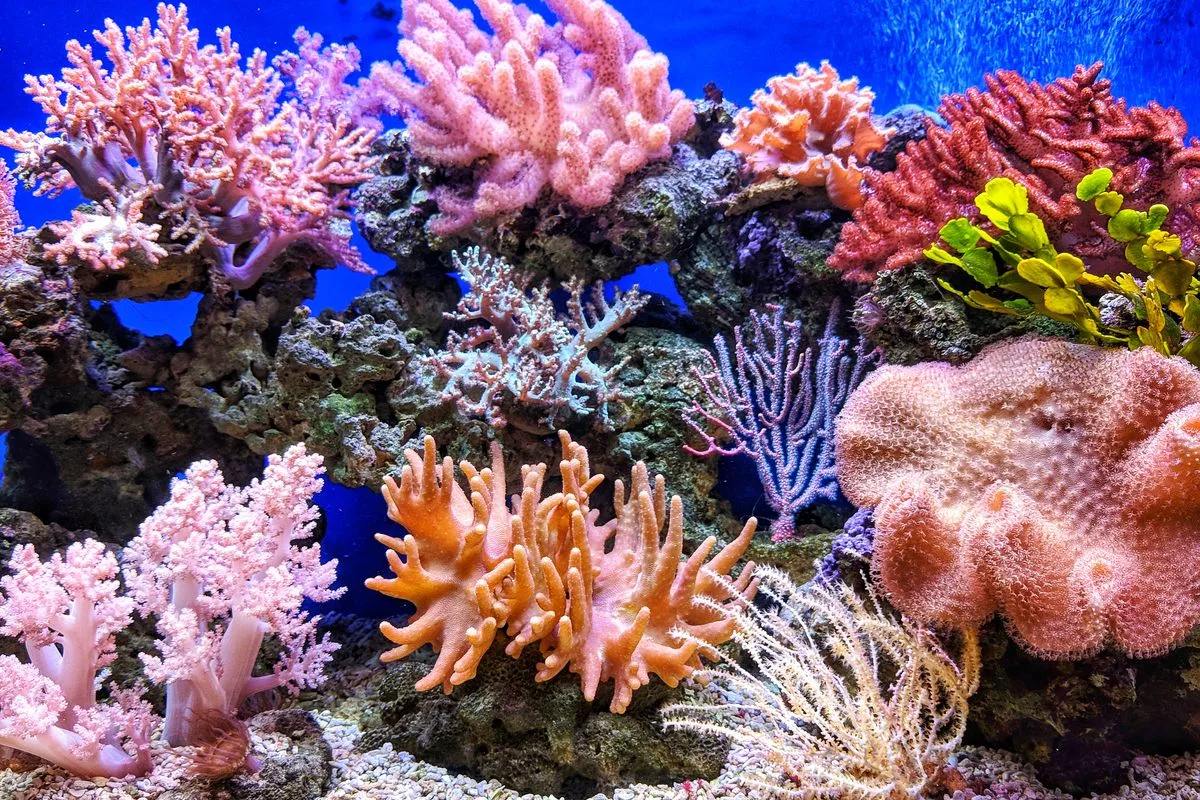
Light and nutrients set the potential for color, but stability is what lets corals realize it. Corals under constantly swinging parameters divert energy into mere survival and rarely show their best color, while corals in steady conditions can invest in growth and pigment. Dialing in vivid coloration therefore means holding your chemistry, light, and nutrients consistent over time, not chasing dramatic adjustments. Make changes gradually and give corals weeks to respond. The most colorful tanks are almost always the most stable ones, run patiently with balanced nutrients and good light, where corals have had the steady conditions they need to express their full palette.
Judging True Coral Color Versus What You See
Coral color is famously hard to judge accurately, because the way we view reef tanks distorts it, and understanding that distortion keeps you from chasing the wrong target. Most reefs are lit heavily toward the blue end of the spectrum, which makes corals fluoresce dramatically but also exaggerates certain colors while masking others. A coral that looks neon under actinic-heavy lighting may appear quite different under a more balanced, daylight-like spectrum.
This matters when you assess a coral’s health by its color. The honest way to gauge a coral’s true pigmentation is to view it briefly under a fuller, whiter light, or to compare it under consistent conditions over time rather than judging it on a single dramatic blue-lit glance. A coral that is genuinely browning out from excess nutrients will show that under white light even if blue light still makes it glow.
Photography compounds the confusion. Photos taken under reef lighting often look washed out or oddly tinted unless the camera’s white balance is corrected or an orange filter is used to counter the blue. Many stunning coral photos online have been color-adjusted heavily, which sets unrealistic expectations. Comparing your corals to those images, or buying based on them, can lead to disappointment when the real piece looks ordinary under normal viewing.
The practical guidance is to anchor your judgments to consistent, honest observation. Pick a viewing condition, whether a brief white-light check or your normal evening blues, and use it the same way each time so you can track real changes. Let the coral’s response over weeks, its growth, polyp extension, and stable pigment, tell you how it is truly doing, rather than reacting to how vivid it looks on any given night.
Ultimately, the goal is healthy corals, and rich color follows from health rather than the other way around. Stable parameters, appropriate light, and balanced nutrients produce corals that color up naturally, and those colors will look their best under your particular lighting without any trickery. Chasing camera-perfect hues by pushing light or stripping nutrients usually backfires, while patiently keeping corals healthy delivers the genuine, lasting color that drew you to them in the first place.
Dial In Color With Patience
Vivid coral color is the product of balanced nutrients that keep brown algae in check, intense blue-rich light matched to each coral, and the stability that lets corals invest in pigment. Avoid the extremes of nutrient overload and starvation, provide good light acclimated gradually, and above all keep conditions steady. Adjust these levers patiently and your corals will trade dull brown for the electric colors that make a reef tank glow.
Related reading
- Coral Placement: Light and Flow Zones in Your Tank
- Reef Tank Lighting Explained: PAR, Spectrum, and Photoperiod for Coral Growth
- Diagnosing a Sick Coral: Bleaching, STN, and RTN
- Coral Aggression: Sweeper Tentacles and Chemical Warfare