Best Beginner Saltwater Fish for a New Reef Tank
The right first fish can make saltwater feel easy; the wrong one can sour the whole experience. Beginner reef tanks need fish that are hardy, peaceful, reasonably priced, and forgiving of the small mistakes everyone makes early on. Some gorgeous species look tempting at the store but ship poorly, refuse food, or terrorize tankmates. The fish below have earned their reputations as dependable starters: they adapt to aquarium life, eat readily, get along with others, and stay a sensible size for modest tanks. Build your first community from this list and you set yourself up for success rather than frustration.
- Clownfish and small gobies are the classic hardy starters.
- Match adult size and temperament to your tank, not the cute juvenile.
- Quarantine new fish to keep disease out of your display.
What Makes a Fish Beginner-Friendly
A good beginner fish checks several boxes. It should be hardy enough to tolerate minor water imperfections, willing to eat standard frozen and prepared foods, and peaceful enough not to bully tankmates. It should also stay small enough that it will not outgrow your tank in a year. Reef safety matters too: a fish that nips corals or eats your cleanup crew will undermine the rest of your work. The species in the chart below all meet these standards, which is exactly why they show up again and again in successful starter tanks across the hobby.
The Reliable Classics
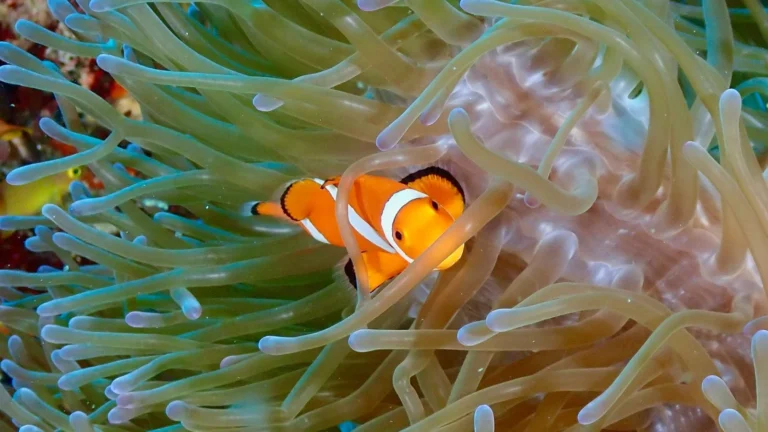
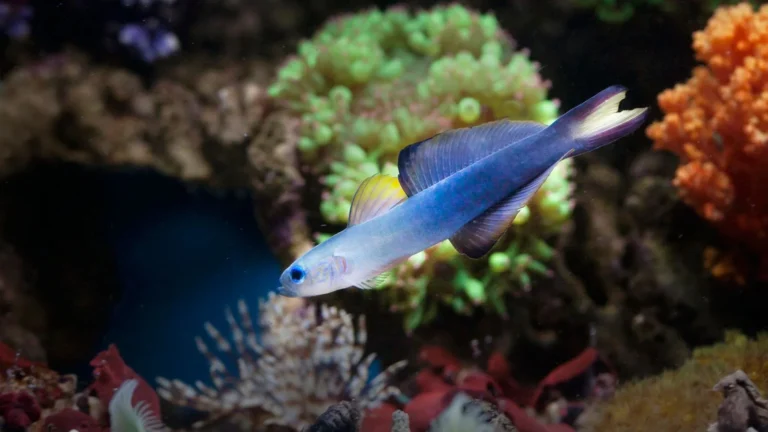
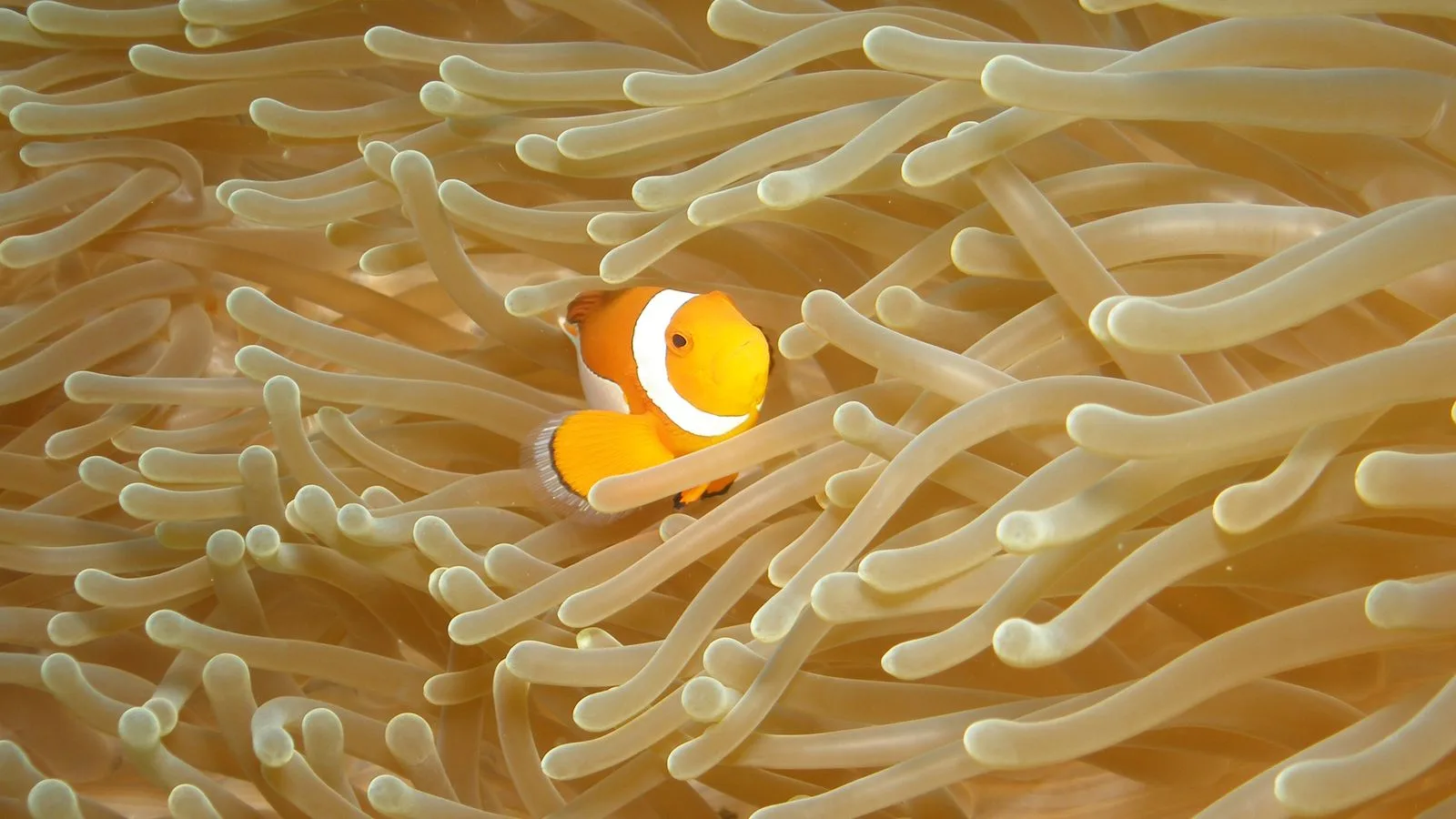
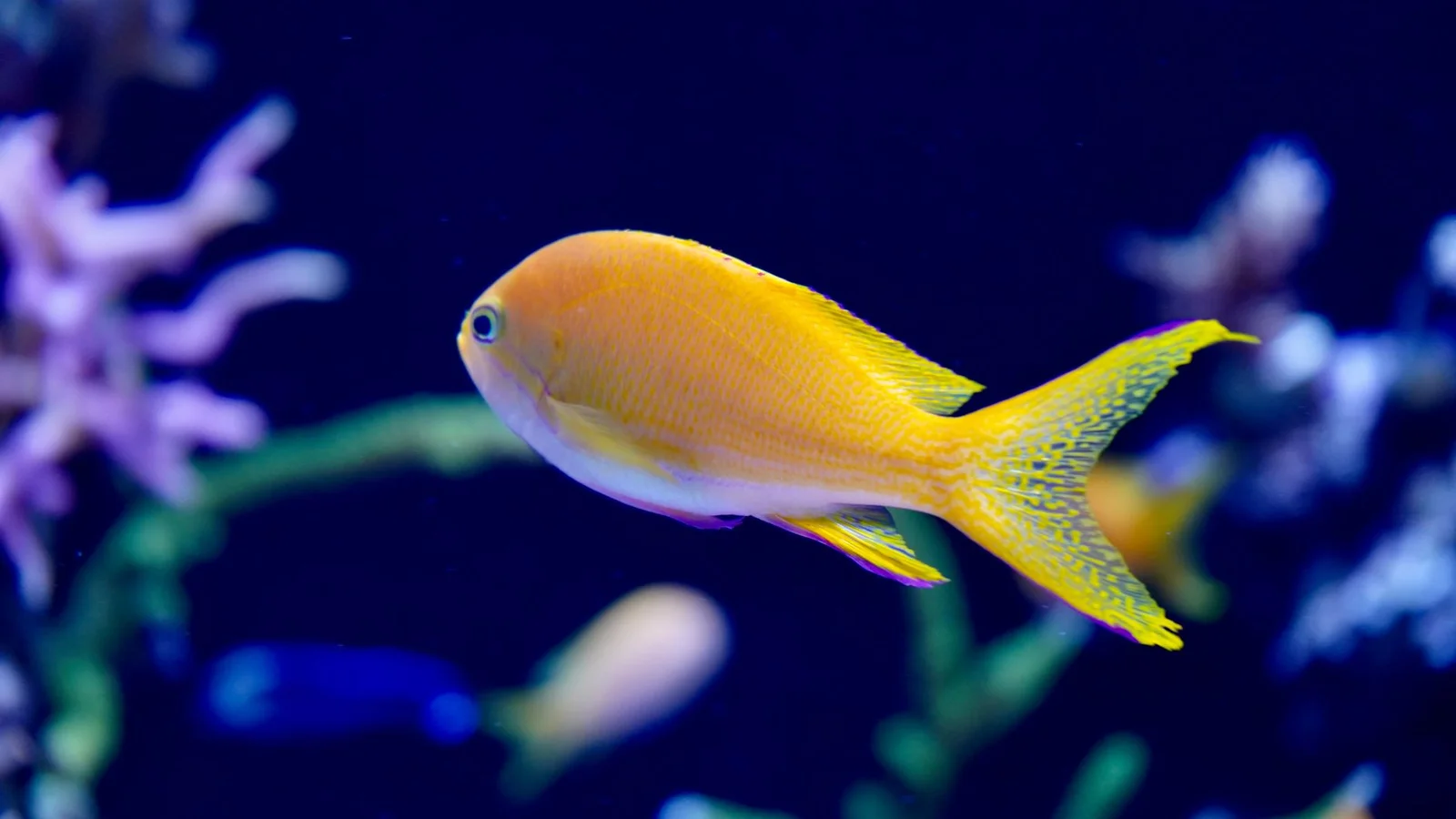
Ocellaris clownfish are the quintessential first saltwater fish for good reason: they are captive-bred in huge numbers, exceptionally hardy, full of personality, and happy in pairs. Small gobies, such as the clown goby or the watchman goby, perch and dart with charm while staying tiny and peaceful. Royal grammas bring vivid purple and yellow color and hold a small territory without real aggression. Firefish hover gracefully in the water column, though they appreciate a lid since they can jump when startled. Any combination of these makes a colorful, manageable community for a new tank.
Stock for the Adult, Not the Juvenile
The most common beginner mistake is buying a fish based on its store size. That two-inch tang will become a foot-long adult that needs a tank far larger than most starters own. Always research the adult size and minimum tank requirement before buying, and be honest about whether your system can house the fish for life. The chart below lists realistic adult sizes and minimum tanks so you can plan a community that will still fit comfortably in a year. A peaceful, properly sized tank is calmer, healthier, and far easier to maintain than an overstocked one.
Quarantine and Slow Introductions
Even hardy fish benefit from a careful introduction. Whenever possible, hold new fish in a separate quarantine tank for a few weeks to observe for disease before they ever touch your display; a single ich outbreak in a main tank is far harder to treat than in a bare quarantine. When you do add fish, do so one at a time with days or weeks between, both to manage bioload and to let existing fish adjust to newcomers gradually. Rearranging rockwork before adding a new fish can also defuse territorial squabbles by resetting everyone’s sense of ownership.
Settling and Feeding a New Fish the First Week
Getting a new fish to eat is the real measure of a successful introduction, and the first week sets the tone. Expect a newcomer to be shy at first, often hiding in the rockwork or hovering in a corner while it gets its bearings. Dimming the lights for the first day, keeping the room calm, and resisting the urge to chase it with a net all reduce stress. A relaxed fish starts exploring within a day or two; a constantly harassed one may refuse food and slide downhill.
Offer small amounts of a few different foods to find what triggers a feeding response. Many beginner fish take frozen mysis or brine readily, and the movement of frozen food drifting in the current often tempts a hesitant eater when dry pellets do not. If an established fish is already feeding confidently, the newcomer frequently learns by watching it, which is one quiet argument for introducing timid species after a bolder, peaceful tankmate is settled.
Keep an eye on body condition and behavior rather than just counting bites. A fish that holds its weight, breathes steadily, and begins patrolling its territory is settling in well. One that develops a pinched belly, clamped fins, or rapid gilling needs closer attention. Watching every new arrival eat with your own eyes before considering it established is a habit that prevents small problems from becoming losses, and it is far easier to intervene early in a quarantine tank than to chase a sick fish around a fully aquascaped reef.
Patience during introductions pays dividends for years. A fish added thoughtfully, allowed to settle, and confirmed eating before it joins the display becomes a stable, long-lived resident rather than a gamble. Rushing the process, by contrast, stresses the animal and can introduce disease to an otherwise healthy system. The few extra weeks spent doing it right are trivial against the lifespan of a well-kept saltwater fish, and the calm, colorful community you end up with is the reward for that restraint.
Finally, stock for compatibility as well as hardiness. Even a beginner-friendly fish can become a problem if it is paired with the wrong tankmates, so research temperament and adult size before you buy. A peaceful, well-matched community is far more enjoyable to watch and far less stressful to manage than a tank where one bully keeps the others hiding.
Start Small, Stock Slow
A great beginner community comes from choosing hardy, peaceful, appropriately sized fish and adding them patiently. Lean on the classics above, quarantine when you can, and never buy on impulse without checking adult size first. Do that and your first fish will not just survive but thrive, giving you the confidence and the stable, healthy tank you need before reaching for more challenging species.
Related reading
- Adding Your First Fish: Stocking Order for a New Reef Tank
- How to Cycle a New Saltwater Tank: A Beginner’s Timeline
- Choosing the Right Tank Size for a Beginner Reef Aquarium
- Beginner Corals: The Best First Corals for a New Reef Tank