How to Do a Saltwater Water Change the Right Way
The water change is the most fundamental maintenance task in reefkeeping, and also the one most often done carelessly. Done right, it exports waste, replenishes trace elements, and corrects small parameter drifts all in one routine session. Done wrong, with mismatched temperature, salinity, or chlorinated water, it can shock livestock and undo the stability you are trying to protect. The good news is that a proper water change is simple once you know the steps. Here is how to do one the right way, every time, so it becomes the quiet, reliable backbone of your tank’s health rather than a source of stress.
- Match new water to the tank in salinity and temperature.
- Ten to twenty percent every week or two suits most tanks.
- Always mix saltwater from purified RO/DI water, never tap.
Why Water Changes Matter
Even a well-filtered reef accumulates waste your filtration cannot fully remove, and depletes the trace elements corals consume. A water change addresses both at once: removing nitrate, phosphate, and dissolved organics while adding back the minerals a fresh salt mix contains. It is also a gentle, self-correcting way to nudge drifting parameters back toward your target, since new water is mixed to the right values. For most tanks, changing ten to twenty percent of the volume every week or two strikes the right balance between meaningful export and minimal disruption. Larger or less frequent changes risk swinging parameters, which defeats the purpose.
Preparing the New Water
Quality water changes start the day before. Mix your salt into purified RO/DI water, never tap water, which carries chlorine, metals, and the nutrients that fuel algae. Add salt to water gradually with a powerhead running, and let the new batch circulate with a heater for several hours or overnight so it fully dissolves and stabilizes. Before using it, confirm the salinity matches your display with a refractometer and that the temperature is within a degree or two. This preparation is what separates a smooth water change from a stressful one; mismatched new water is the most common way a routine change goes wrong.
The Change Itself
With matched water ready, the change is quick. Turn off return and skimmer pumps to avoid running them dry. Siphon out the planned volume, using the opportunity to vacuum detritus from the sand and rockwork where it collects. Then add the new water slowly and steadily, pouring against the glass or a rock to avoid blasting the substrate. Once the level is restored, turn your equipment back on and watch for a few minutes to confirm everything is flowing normally. The chart below lays out the full sequence so you can follow it in order until it becomes second nature.

Building the Habit
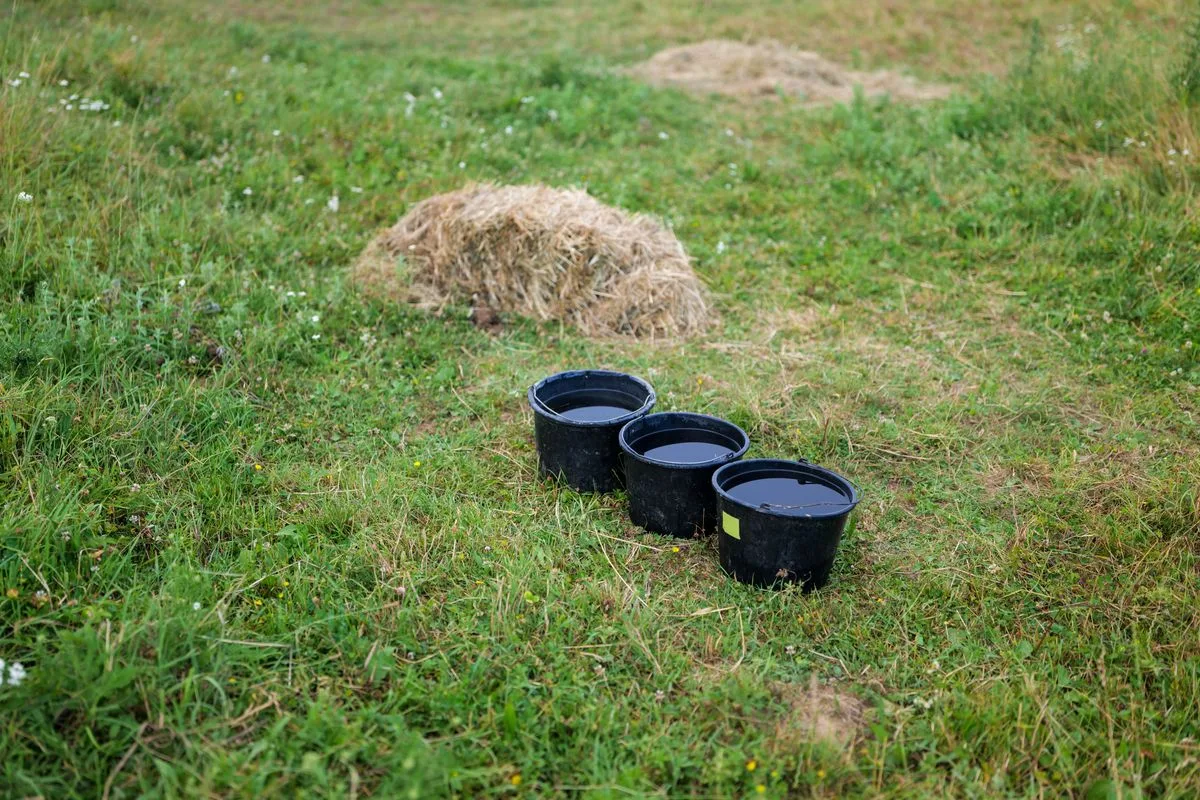
The benefit of water changes comes from consistency, not size. A modest change done reliably every week or two does far more good than a huge change done occasionally, which itself causes the swings you want to avoid. Keep a dedicated set of clean buckets used only for saltwater, never for cleaning chemicals, and store mixed water ready to go so the task never feels like a chore. Tie it to your weekly testing session so the two habits reinforce each other. Make water changes routine and unremarkable, and they quietly keep your reef stable year after year.
How Much to Change, and How Often
With the mechanics covered, the natural question is how large a water change should be and how frequently to do one. For a typical established reef, a change of roughly ten to twenty percent of the tank’s volume on a weekly or biweekly schedule keeps nutrients in check and replenishes trace elements without jolting the system. The exact figure matters less than the rhythm; a smaller, regular change is gentler and more effective than a large, occasional one that swings conditions around.
Tank size and stocking shape the right cadence. A heavily stocked or coral-dense system produces more waste and consumes more elements, so it benefits from more frequent or slightly larger changes. A lightly stocked nano, by contrast, can drift toward the larger end of the percentage range precisely because its small volume changes character quickly, and frequent partial swaps are the simplest way to keep a tiny water column stable.
There are times to change more than usual. After a medication you want to remove, a die-off, an overfeeding accident, or a spike in nutrients, a larger or extra water change is one of the safest corrective tools you have, because it dilutes problems rather than adding chemicals to fix them. In an emergency, several moderate changes spaced out are kinder than one enormous swap that shocks the remaining livestock.
Whatever volume and frequency you settle on, the golden rule is to match the new water to the old. Mix the replacement water to the same salinity and bring it to the same temperature before it goes in, so the change refreshes the water without altering the conditions your animals are acclimated to. A change that lands the tank back at exactly the parameters it started with, just cleaner, is precisely what you are aiming for.
Finally, let consistency do the heavy lifting. A modest water change you actually perform every week beats an ambitious one you keep postponing, because the benefits come from regularity. Pick a percentage and a schedule you can sustain, build it into your routine, and the slow, steady renewal will keep your reef’s chemistry far more stable than sporadic large interventions ever could.
Above all, view the water change not as a chore to dread but as the single most reliable tool you have for keeping a reef healthy. No additive or gadget replaces the simple act of removing a portion of dirty water and replacing it with clean, properly matched saltwater on a steady schedule. Master that one habit and you have mastered the core of reef maintenance.
The Simple Habit That Holds It All Together
A proper water change is nothing more than matched, purified water swapped in on a regular schedule, and yet it underpins the stability of the entire tank. Prepare your water carefully, keep the volume modest, and do it consistently. Build that habit and you give your reef a steady supply of clean water and fresh minerals, quietly preventing far more problems than any reactive fix ever could.
Related reading
- Anemones in Reef Tanks: Are They Right for You?
- Why Stability Beats Perfection in Reef Water Chemistry
- RO/DI Systems: Why Pure Water Matters for Reef Tanks
- Feeding Saltwater Fish: Frozen, Pellets, and Schedules