Adding Fish Without Aggression: Stocking Strategy
A peaceful reef community does not happen by accident; it is engineered through thoughtful stocking. Fish establish territories and pecking orders, and adding them carelessly, the wrong species, the wrong order, the wrong timing, sets off aggression that can stress or kill tankmates and persist for the life of the tank. The good news is that a handful of proven strategies dramatically reduce conflict, letting you build a community where fish coexist calmly. This guide covers how to add fish without triggering aggression, using stocking order, rockwork, timing, and selection to keep the peace in your reef.
- Stock peaceful fish first and aggressive species last.
- Rearrange rockwork before adding a fish to reset territories.
- Provide hiding spots and choose compatible species.
Why Aggression Happens
Most aggression in reef tanks comes down to territory and hierarchy. Fish claim areas of the tank as their own and defend them, and they establish a pecking order that determines who dominates. A fish that has lived in the tank considers it home and resents newcomers, while certain species are simply territorial or aggressive by nature. Stress, crowding, and a lack of hiding places amplify these tendencies. Understanding that aggression is rooted in territory and dominance, rather than random meanness, points directly to the solutions: managing who arrives when, breaking up established territories, and giving fish the space and structure to coexist without constant conflict.
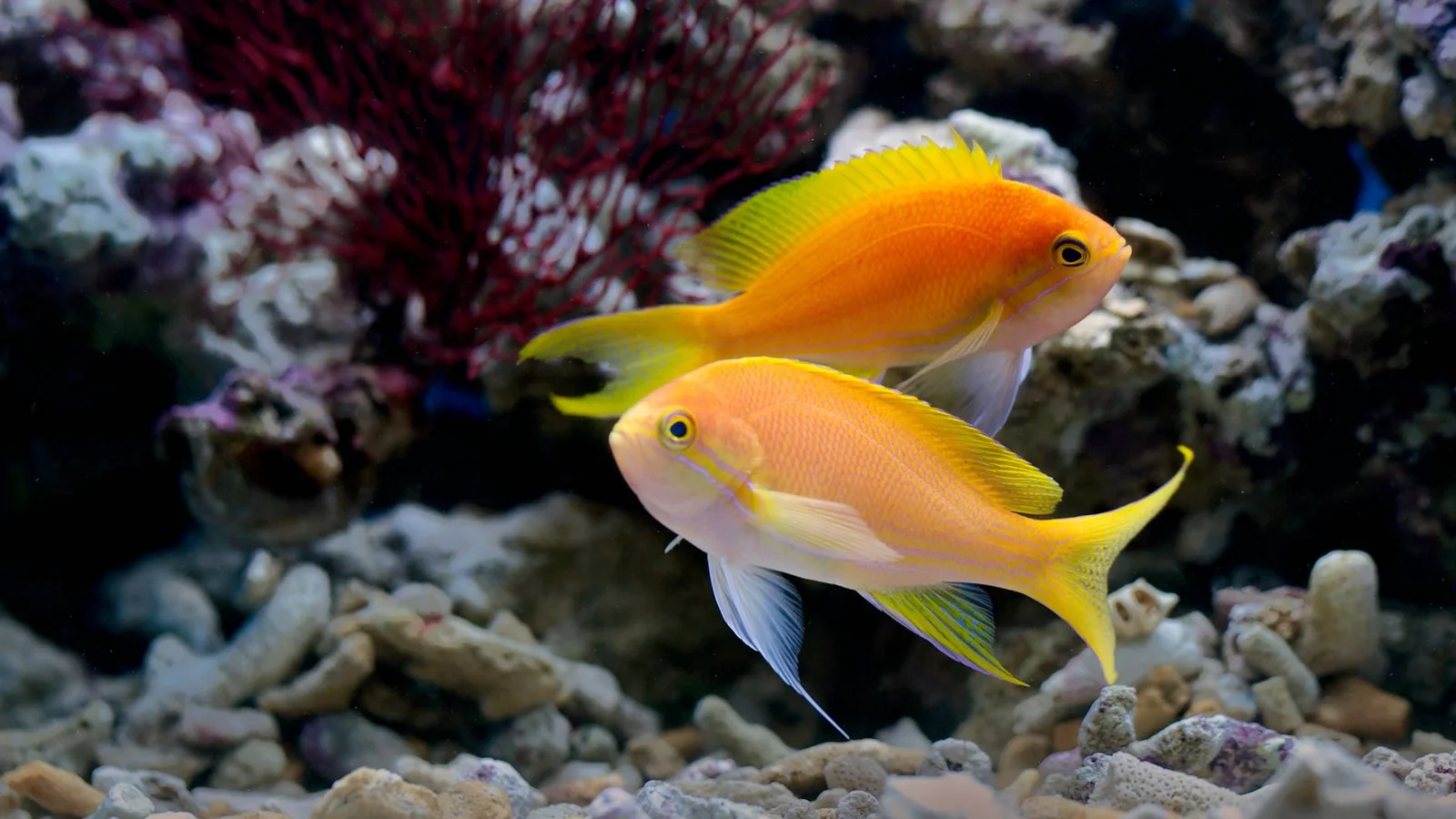
Order and Timing
The sequence in which you add fish is one of your most powerful tools. Adding peaceful, timid species first lets them settle and establish before any bold fish arrives, while saving aggressive or territorial species for last prevents them from claiming the whole tank and bullying everything that follows. Pace introductions out over time rather than adding several fish at once, both to manage bioload and to let the community absorb each newcomer gradually. Timing within the day helps too: adding a potentially aggressive fish when the lights are off or dim eases its entry. Thoughtful order and unhurried timing prevent the entrenched dominance that careless stocking creates.
Rockwork and Sight Breaks
The physical layout of the tank strongly influences aggression. A classic technique is to rearrange the rockwork just before adding a new fish: by disrupting established territories, you force all the existing residents to renegotiate their boundaries, so they are too preoccupied to gang up on the newcomer, who then enters on a more even footing. Beyond that, an aquascape rich in caves, crevices, and sight breaks lets subordinate fish escape the view of aggressors and claim their own small territories, defusing conflict. Open, featureless tanks concentrate aggression, while complex, broken-up structure spreads fish out and gives everyone somewhere to retreat. Good rockwork is quiet conflict prevention.
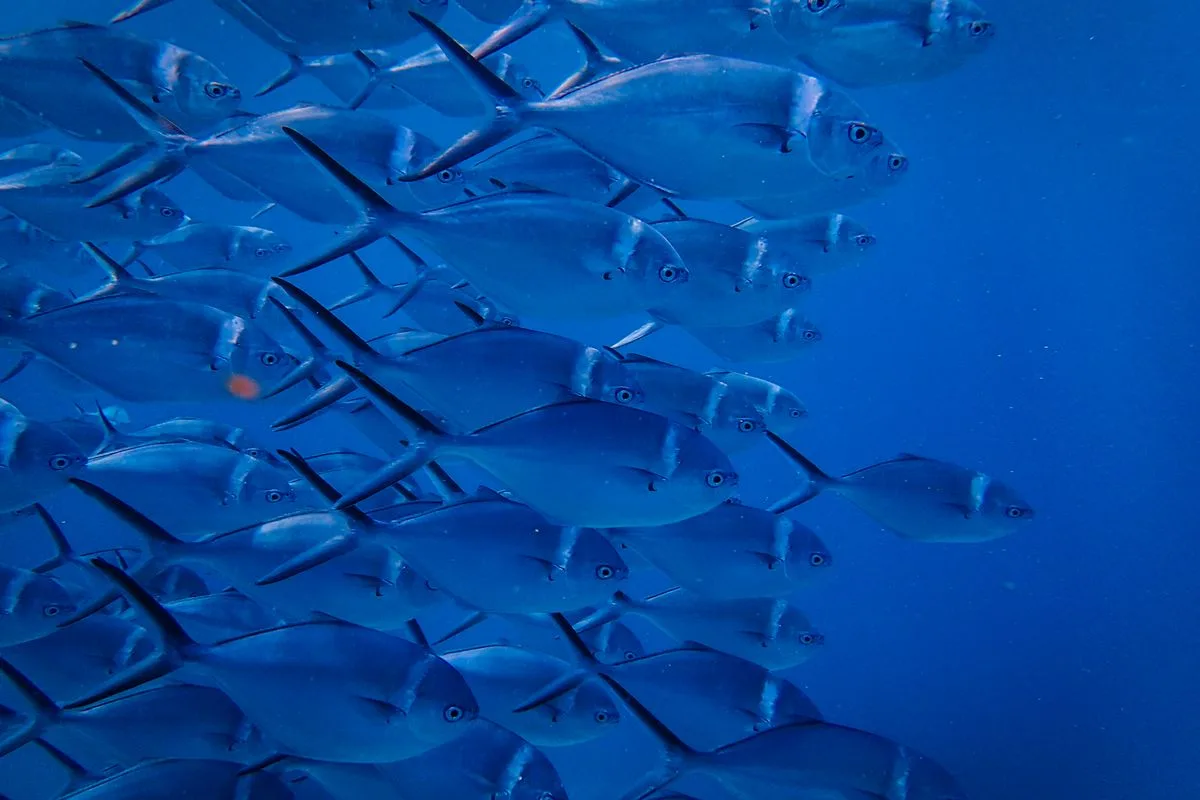
Choosing Compatible Fish
The surest way to avoid aggression is to select fish that are likely to get along in the first place. Research each species’ temperament and its compatibility with your existing stock, and avoid combining known aggressors or multiple fish that will see each other as rivals, such as similar-looking species competing for the same niche. Respect tank-size requirements, since crowding intensifies aggression. Keep only one of species that fight their own kind unless the tank is large enough for more. Even with perfect technique, an incompatible mix will clash, so compatible selection is the foundation. Pair good species choices with smart order, timing, and rockwork, and a peaceful community follows.
Resetting Territories With Rockwork and Timing Tricks
When you need to add a fish to a tank that already has established residents, one of the most powerful tools is to reset the existing territorial map, and rearranging the rockwork does exactly that. Established fish stake out territories anchored to specific rocks and caves, so shuffling the aquascape before introducing a newcomer erases those boundaries and forces everyone, residents included, to re-establish their claims at the same time. This levels the playing field so the new fish is not simply an intruder on occupied ground.
Timing the introduction around feeding and lighting helps too. Adding a new fish in the evening, with the lights dimmed or off, gives it the overnight hours to find hiding spots and settle before the residents are fully active. A well-fed tank is also a calmer one, so feeding the existing fish before a new arrival goes in takes the edge off their aggression and lets the newcomer slip in with less immediate confrontation.
For a particularly territorial resident, temporarily removing the bully is a proven trick. Catching the aggressive fish and holding it in a separate container or quarantine tank for a few days while the new fish settles in means that when the bully returns, it has lost its territorial claim and must re-establish itself alongside the newcomer rather than defending ground against an interloper. This reshuffling often defuses what would otherwise be relentless harassment.
A clear divider or an acclimation box offers a gentler middle path. Keeping a new fish visible but physically separated for a few days lets the residents grow accustomed to its presence without being able to attack, so that by the time it is released the novelty and the worst of the aggression have faded. These tools buy a vulnerable newcomer the time it needs to find its footing safely.
Used together, these tactics turn a risky addition into a manageable one. Rearranging rock to reset territories, timing the introduction for the calm of evening, sidelining a known bully, and using a divider when needed all reduce the aggression a new fish faces. Combined with a sensible stocking order and compatible species, they let you keep building a community tank long after the first residents have claimed their homes, without the fights that an unprepared introduction would provoke.
Engineer the Peace
A calm reef community is built deliberately through stocking strategy. Choose compatible species, add the peaceful ones first and the bold ones last, pace introductions, rearrange rockwork to reset territories, and provide ample hiding spots and sight breaks. These proven techniques address aggression at its root in territory and hierarchy. Apply them together and you avoid the persistent bullying that careless stocking produces, building instead a peaceful tank where every fish has its place and the community thrives.
Related reading
- Adding Your First Fish: Stocking Order for a New Reef Tank
- Coral Aggression: Sweeper Tentacles and Chemical Warfare
- Feeding Saltwater Fish: Frozen, Pellets, and Schedules
- Gobies and Blennies: Small Fish With Big Personalities
Sources & further reading
Gear Worth Having for This
Heads up: the links below are Amazon affiliate links, and qualifying purchases support this site at no extra cost to you.
- Find fish nets and quarantine gear on Amazon — A dedicated quarantine setup and the right net make stocking safer