Reef-Safe Fish: What “Reef Safe” Really Means
The label reef safe gets stamped on fish at every store, but it is one of the most misunderstood terms in the hobby. It does not mean a fish is guaranteed to ignore your corals and invertebrates; it means the fish is generally unlikely to bother them, with plenty of exceptions and individual personalities. Treating reef safe as an absolute is how reefers end up with a beautiful fish nipping their prized coral or eating the cleanup crew. Understanding what the term really means, and how to vet a fish properly, lets you stock a community that genuinely coexists with your reef.
- Reef safe means generally, not guaranteed, coral-friendly.
- Reef safety is a spectrum with many with-caution species.
- Research each species and accept that individuals vary.
What the Label Really Means
Reef safe is a general guideline, not a promise. It indicates that a species, as a rule, does not eat corals, sessile invertebrates, or your cleanup crew, and so can live in a reef without obvious destruction. But fish are individuals, and a species considered reef safe can still produce the occasional rogue that picks at coral or hunts ornamental shrimp. The term also says nothing about a fish’s temperament toward other fish. Think of it as a probability rather than a guarantee, useful for narrowing your choices but never a substitute for understanding the specific animal you are considering.
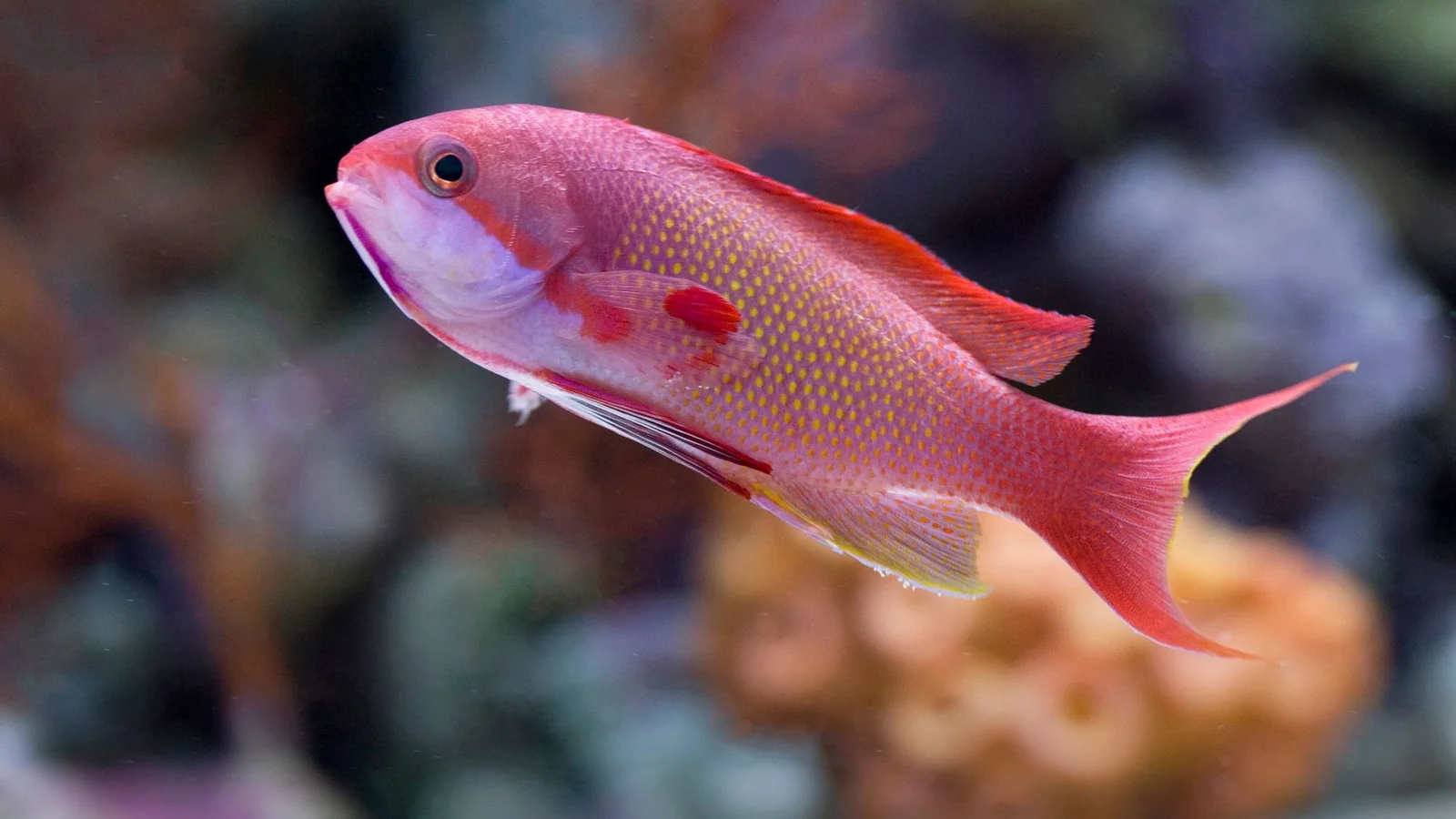
The Reef-Safety Spectrum
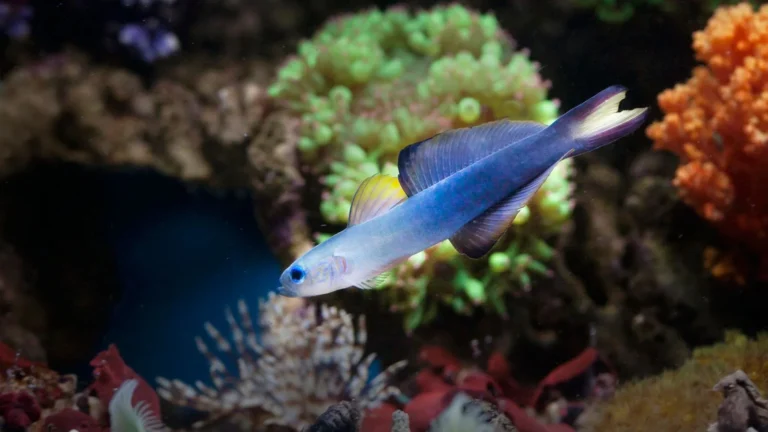
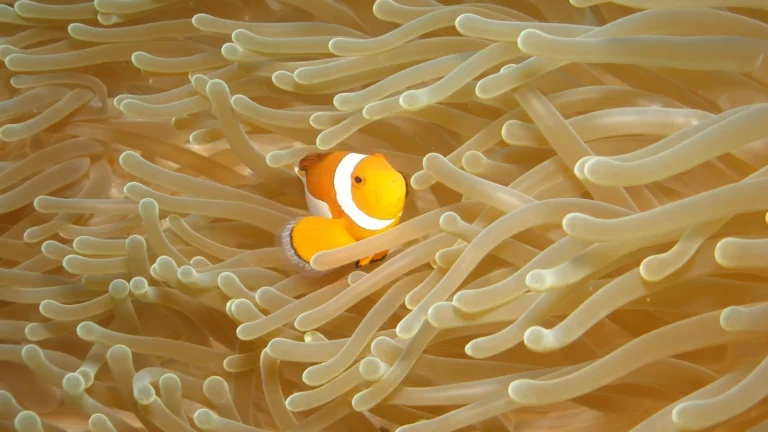
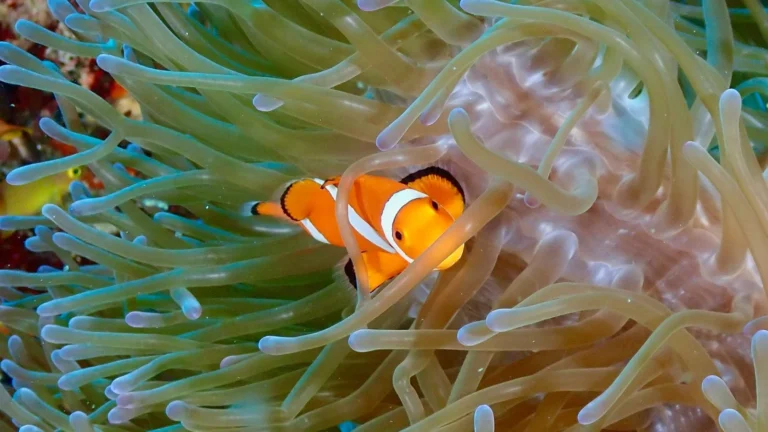
Reef safety runs along a spectrum rather than a simple yes or no. At one end are reliably reef-safe fish, clownfish, many gobies and blennies, that almost never trouble corals or inverts. In the middle sit the reef-safe-with-caution species, fish that are usually fine but may nip certain corals, sample a clam, or hunt small shrimp depending on the individual; many angelfish and some wrasses fall here. At the far end are fish that are simply not reef safe, predators that eat invertebrates or corallivores that graze on coral. The chart below illustrates this range. Knowing where a fish sits is far more useful than a single label.
How to Vet a Fish
Before buying any fish, research the specific species deeply rather than trusting a store tag. Look for its natural diet, its known behavior in reef tanks, and any common caveats, such as a tendency to nip large-polyp corals or hunt ornamental shrimp. Consider your particular livestock: a fish that ignores corals but eats shrimp is a problem only if you keep ornamental shrimp. Read the experiences of other reefers with that species. This homework reveals the caveats behind the label and lets you make an informed decision about whether a fish fits your specific reef, not a generic one.
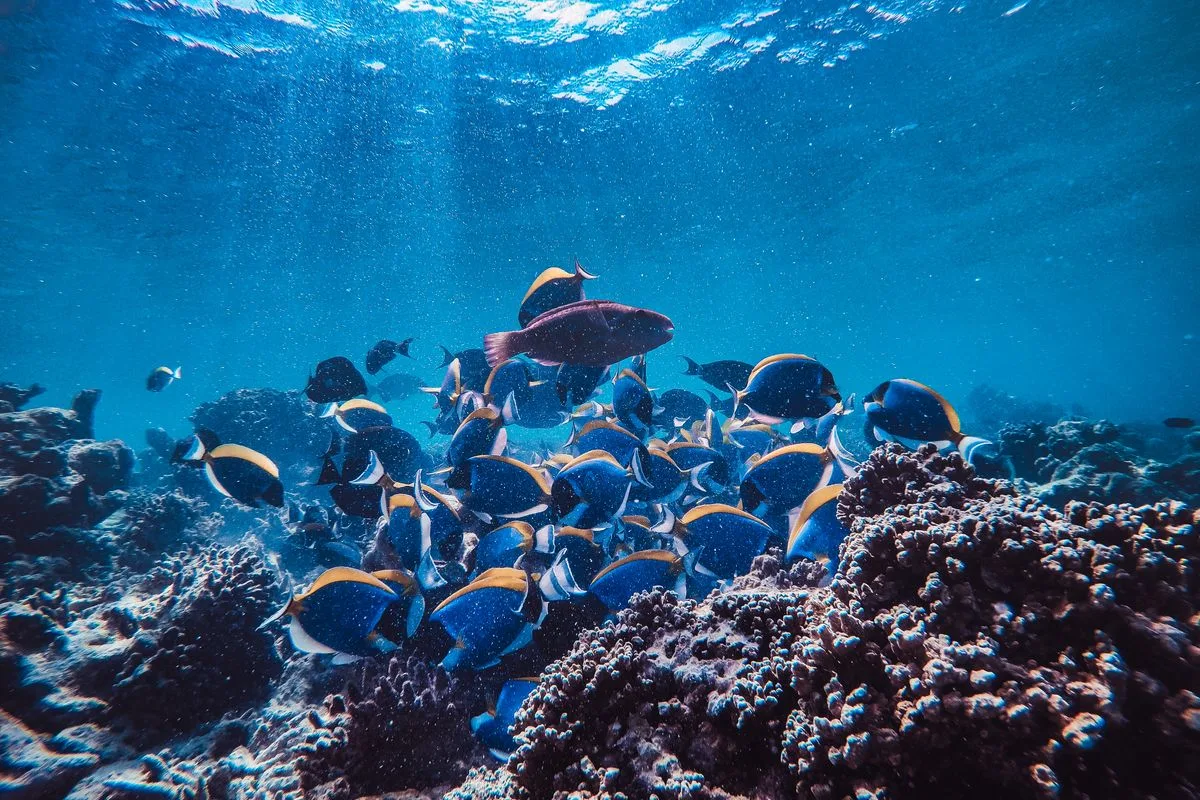
Managing Risk
Even with research, some risk remains because individuals vary. You can manage it sensibly: keep well-fed fish, since a hungry fish is far more likely to sample corals or hunt inverts, and feed a varied, adequate diet. Introduce questionable species last, after you can observe behavior, and be prepared to remove a rogue individual if it misbehaves. Avoid keeping expensive or delicate inverts with fish known to occasionally bother them. Accepting that reef safe means probably, not certainly, and stocking with that mindset, lets you build a reef community that thrives together while minimizing unwelcome surprises.
Personality and the Exceptions to the Rule
Reef safety is a generalization about a species, but the animal in your tank is an individual, and individuals do not always read the rulebook. A species widely considered reef safe describes how those fish usually behave, not a guarantee about every specimen. Now and then a fish from a normally trustworthy species develops a taste for coral polyps, picks at clam mantles, or harasses inverts, simply because temperament varies from one animal to the next just as it does in any other creature.
Several factors push an individual toward mischief. Hunger is a big one: a fish that is underfed is far more likely to start sampling corals and inverts than a well-fed one, which is why a varied, sufficient diet is part of keeping borderline species honest. Maturity matters too, as some fish become bolder or more territorial as they age. And opportunity plays a role, since a fish housed with tempting, fleshy corals may experiment in ways it would not in a sparser tank.
The practical response is to watch every new addition closely rather than assuming the label settles the matter. Observe a new fish over its first weeks for any sign of nipping at corals or stalking inverts, ideally while it is still in quarantine or freshly introduced and easy to catch. Catching a developing bad habit early gives you options; discovering it after the fish has settled into a fully aquascaped reef makes removal a major undertaking.
None of this should scare you off reef-safe species, which remain reliable as a group. It simply means treating reef safety as a strong probability rather than a certainty, and pairing that with attentive observation and good husbandry. Keep your fish well fed, introduce new ones thoughtfully, and keep an eye on behavior, and the rare individual that decides to break the rules can usually be identified and managed before it does real harm to your corals or cleanup crew.
In the end, the most reef-safe tank is one with an attentive keeper. The label narrows your odds, quarantine protects your system, good feeding removes temptation, and daily observation catches the rare troublemaker early. Stack those habits together and you can keep a vibrant community of fish among your corals with confidence, treating the occasional exception as a manageable surprise rather than a disaster waiting to happen.
Read the Spectrum, Not the Sticker
Reef safe is a helpful starting point, not a guarantee. Understand it as a spectrum, research each species against your own livestock, keep fish well fed, and introduce risky additions cautiously. Stock with that informed, realistic mindset and you assemble a community that genuinely coexists with your corals and invertebrates, sparing yourself the disappointment of discovering too late that a reef-safe fish had other ideas.
Related reading
- Adding Your First Fish: Stocking Order for a New Reef Tank
- Best Beginner Saltwater Fish for a New Reef Tank
- Reef Tank Lighting Explained: PAR, Spectrum, and Photoperiod for Coral Growth
- Anemones in Reef Tanks: Are They Right for You?