Quarantine Tanks: Why Every Reefer Needs One
Ask experienced reefers what they wish they had done sooner, and a quarantine tank comes up again and again. It is the unglamorous bucket of insurance that prevents the heartbreak of a disease outbreak tearing through a display full of established fish and corals. A quarantine tank lets you observe and treat new arrivals in isolation, keeping parasites and illness out of your main system entirely. Setting one up is cheap and simple compared to the cost of losing a tank’s worth of livestock. Here is why every reefer should run one, how to set it up, and a straightforward routine that actually works.
- Quarantine keeps disease out of your display entirely.
- A simple bare-bottom tank with a sponge filter is enough.
- Observe new fish for two to four weeks before adding them.
The Problem Quarantine Solves
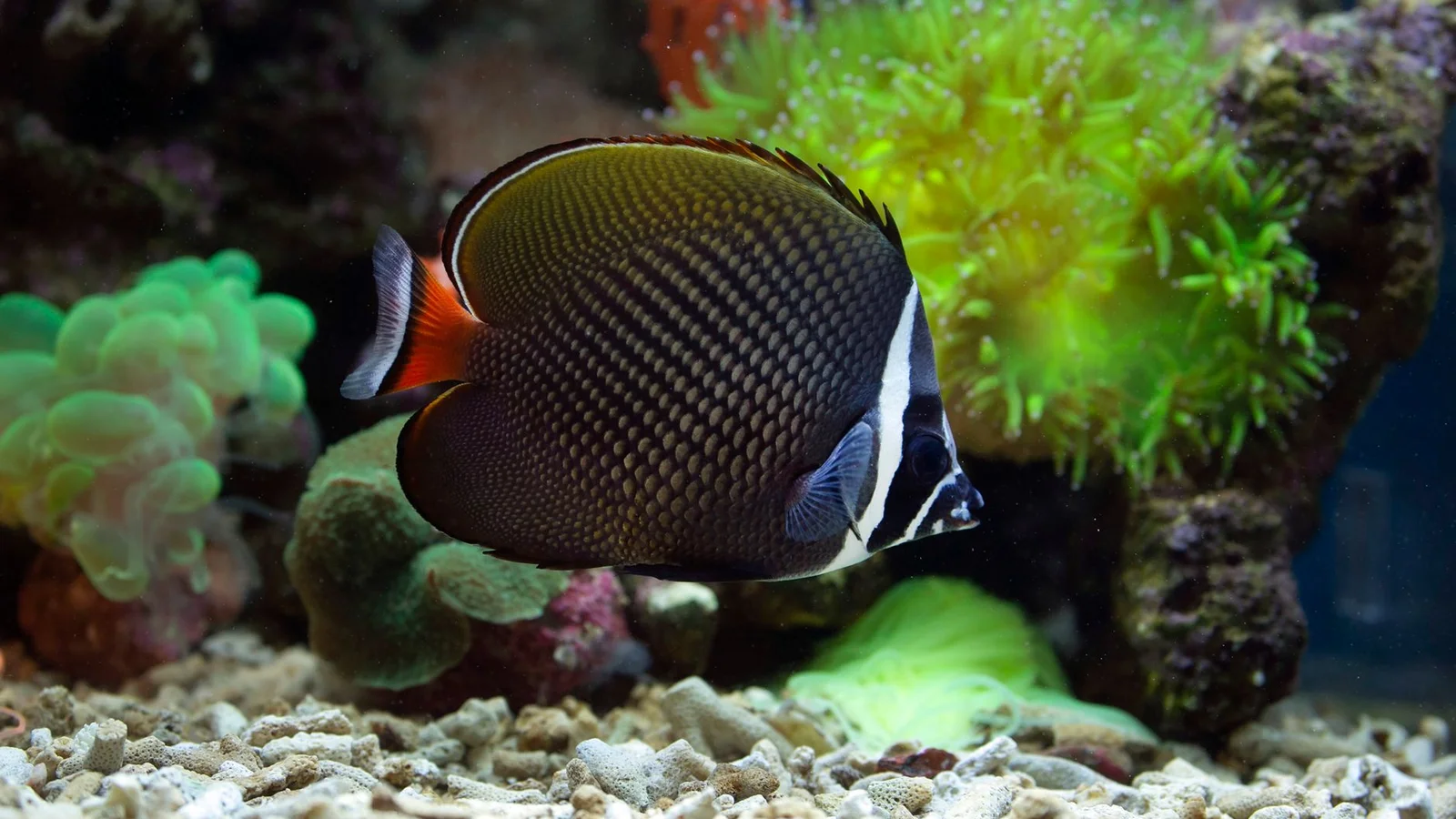
Most serious fish diseases, including marine ich and velvet, enter a tank on a new fish that looked perfectly healthy at the store. Once a parasite is loose in a display full of live rock and corals, it is extremely difficult to eradicate, because the medications that kill it also harm invertebrates, so you cannot treat the main tank directly. The result is an outbreak you fight for months while losing fish. A quarantine tank breaks this cycle by intercepting disease before it ever reaches the display, where it would be nearly impossible to remove. Prevention here is not just easier than the cure; it is often the only practical option.
Setting One Up Simply
A quarantine tank does not need to be elaborate. A modest bare-bottom tank, a heater, a sponge filter or small hang-on filter, and a few pieces of PVC pipe for the fish to hide in are all it takes. The bare bottom and lack of rock make it easy to clean and to medicate without absorbing the treatment. Keep a sponge filter running in your display sump so it is always seeded with bacteria and ready to move over when needed. Store it disassembled between uses and set it up when a new fish is on the way. The whole kit costs a fraction of what the livestock it protects is worth.
A Practical Quarantine Routine
When you bring a new fish home, acclimate it into the quarantine tank and simply observe for two to four weeks. Watch for signs of disease, scratching, spots, rapid breathing, or loss of appetite, and treat only if symptoms appear, using fish-safe medications appropriate to the illness. Feed well and keep the water clean with regular small changes, since a small bare tank fouls quickly. If the fish remains healthy through the observation period, it can be moved to the display with confidence. This patient routine ensures only healthy animals ever enter your main system.
Quarantine for Corals and Inverts Too
Quarantine is not just for fish. Corals can carry pests, and invertebrates can ferry parasites or unwanted hitchhikers, so a separate holding period benefits them as well. A coral quarantine doubles as a place to dip, observe, and watch for pest outbreaks before frags reach the display. Snails, crabs, and other inverts can harbor fish parasites in some life stages, so a fallow holding period helps there too. Running a single flexible quarantine system for all new arrivals, fish, coral, and invertebrate alike, is the most reliable way to keep your hard-won display reef clean and disease-free.
Keeping Water Stable in a Bare Quarantine Tank
A quarantine tank is deliberately simple, usually a bare-bottom tank with no rock or sand, and that simplicity creates one real challenge: it has little built-in biological filtration to buffer waste. Without porous rock and a sand bed full of bacteria, ammonia from a stressed, eating fish can climb quickly. Solving this is the difference between a quarantine setup that protects your fish and one that quietly poisons them while you are trying to keep them safe.
The standard fix is a seeded sponge filter. Keeping a sponge or piece of filter media running in your display tank or sump means you always have a colonized biological filter ready to drop into the quarantine tank when you need it. That mature media gives the bare tank an instant working filter, so it can process the waste of a feeding fish from day one rather than going through a fresh cycle while a live animal sits in it.
Even with a seeded filter, plan on testing and water changes during quarantine. Because the system is small and lightly filtered, ammonia and nitrite can still creep up, especially if you are feeding well to keep a new fish strong. Test every day or two, keep a bucket of matched saltwater on hand, and do a quick partial change whenever the numbers nudge upward. Some keepers also keep a bottle of ammonia-detoxifying conditioner ready as a stopgap between changes.
A few provisions make the bare tank livable for its temporary resident. A piece of PVC pipe or a small ceramic cave gives a nervous fish somewhere to hide and reduces stress, a heater and gentle flow keep conditions stable, and a lid prevents jumps. None of this needs to be elaborate, but together it turns a stark observation tank into a calm, controllable space where you can watch for disease and treat if necessary without risking your main reef.
The discipline of quarantine is ultimately about protecting everything you have already built. A single unquarantined fish can introduce a parasite that sweeps through an entire display, undoing months of careful work in days. Spending a few weeks observing each new arrival in a simple bare tank is a small, repeatable insurance policy, and experienced reefers almost universally consider it one of the highest-value habits in the hobby.
Cheap Insurance for a Priceless Reef
A quarantine tank is the single best habit for protecting an established reef from disease. It costs little, takes minimal space, and intercepts the parasites and illness that would be nearly impossible to remove from a display. Set up a simple system, observe every new arrival for a few weeks, and treat only what shows symptoms. Adopt this routine and you trade a small amount of patience for the lasting security of a healthy, stable tank.
Related reading
- How to Feed Corals: Target Feeding, Broadcast Feeding, and Who Needs What
- Anemones in Reef Tanks: Are They Right for You?
- Invertebrates for Reef Tanks: Shrimp, Stars, and Urchins
- Temperature Control for Reef Tanks: Ranges, Chillers, and Safety